

TTG Asia is taking a break on Monday, July 11, for the Hari Raya Haji public holiday.
The online news bulletin will resume on Tuesday, July 12.
 From all of us at TTG Asia Media, Selamat Hari Raya Haji to our Muslim friends!
TTG Asia is taking a break on Monday, July 11, for the Hari Raya Haji public holiday.
The online news bulletin will resume on Tuesday, July 12.
From all of us at TTG Asia Media, Selamat Hari Raya Haji to our Muslim friends!
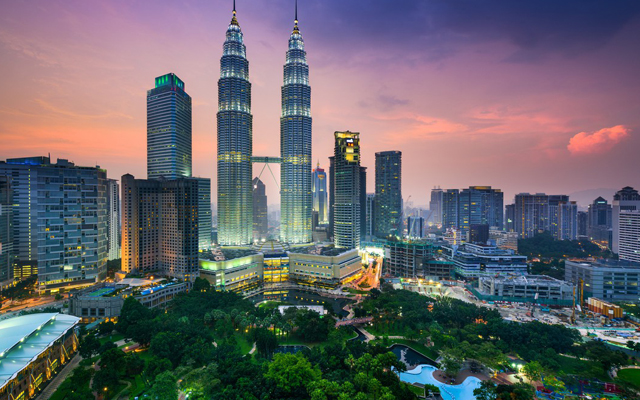
Resorts World Cruises will offer a Kuala Lumpur homeport for its 3,352-pax Genting Dream from July 18, enabling guests to soon embark at either Singapore or the Malaysian capital’s Port Klang.
With the dual homeport options, the new cruise line will offer two-night cruises from Kuala Lumpur to Singapore every Thursday and Saturday, and three-night cruises from Kuala Lumpur to Penang and Singapore every Monday.
Departure days from Singapore will remain the same on Wednesday, Friday and Sunday. From July 22, Genting Dream‘s Friday sailings will reintroduce two-night High Seas Weekend Getaway cruises.
Resorts World Cruises said the dual homeport will allow it to better meet the strong demand for round-trip cruises emerging from the 10-million-strong Peninsular Malaysia market.
Furthermore, with Kuala Lumpur International Airport also located nearby, Resorts World Cruises can tap the fly-cruise international market.
One-way cruises that will serve as an alternative to air and land travel for travellers between Singapore and Kuala Lumpur, including to Penang, are on the cards. With this product, travel agents will have a wider portfolio to offer for their popular Malaysia and Singapore holiday programmes.
Michael Goh, president of Resorts World Cruises, said in a press statement that Genting Dream‘s OIC/SMIIC Standard Halal certification – the first cruise ship in the world to attain this – will put it in good stead to serve “a significant segment of Malaysian and international travellers across the region”.
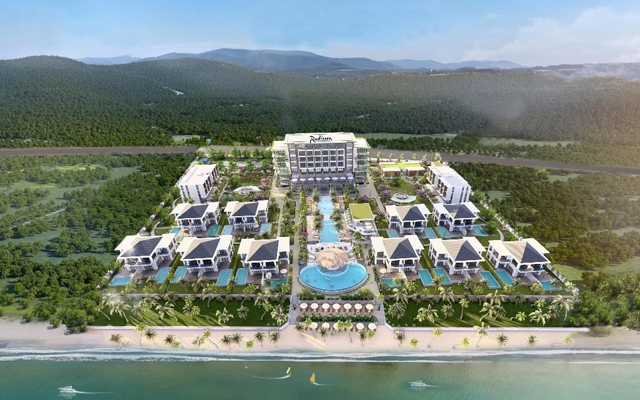
Radisson Hotel Group will open Radisson Resort Mui Ne in 3Q2023, taking its Vietnam property count to five.
Featuring 128 rooms and suites, the hotel will comprise an outdoor pool, fitness centre, spa, kid’s club, all-day dining restaurant, café, bar and meeting rooms.
It will sit on Suoi Nuoc Beach, a short drive from Ho Chi Minh City and Vietnam’s main international airport.
David Nguyen, managing director, Indochina and strategic partnerships, SE Asia & Pacific, Radisson Hotel Group, said in a statement that the new hotel will “cater to every type of traveller, from couples seeking a romantic retreat to fun-filled family vacations, seafront events and more”.
Nguyen Mai Ngoc, chairwoman, Truong Hai Services and Tourism, expects Radisson Resort Mui Ne “to command a strong mix of domestic and international guests, including leisure and corporate travellers, enabled by Radisson’s strong global network”.
With a new highway connecting to Phan Thiet scheduled to open by the end of 2022, Radisson Resort Mui Ne will soon become even more accessible.
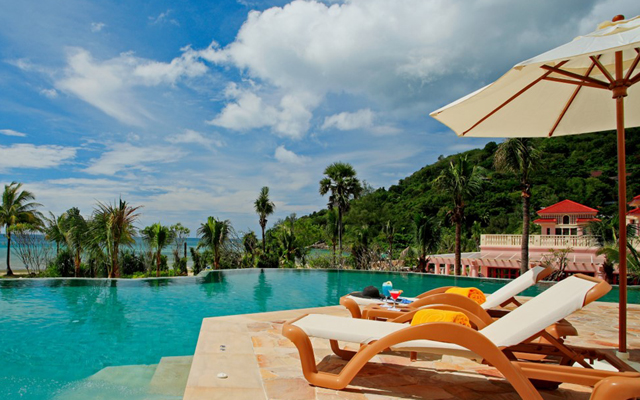
DidaTravel has announced a partnership expansion with Centara Hotels & Resorts (Centara), offering special rates to the former’s B2B buyers for 48 of Centara’s global properties.
DidaTravel’s B2B buyers around the world will continue to gain access to real-time inventory from all of Centara’s brands – 39 properties in Thailand and the other nine in Oman, Qatar, the United Arab Emirates, the Maldives, Sri Lanka, and Vietnam.
The agreement includes closer cooperation on marketing campaigns to help Centara reach more offline travel sellers in China. Not only will Centara benefit from DidaTravel’s business intelligence (BI) reports on ideal sales channels and accurate pricing suggestions, the hotel chain will also significantly expand its global B2B reach by accessing 23,000 B2B buyers, including travel agencies, tour operators, airlines and TMCs.
Rikin Wu, DidaTravel founder & CEO, shared: “Through these special discount rates we will now be able to deliver Centara Hotels & Resorts even more incremental bookings from the international travellers that are now starting to venture abroad again. A big part of the value we add at DidaTravel though also comes in the form of data and insights based on our BI services and we’re really excited that Centara Hotels & Resorts will be using these too.”
Tabatha Ramsay, executive vice president – corporate commercial of Centara Hotels & Resorts, said the company’s partnership with DidaTravel since 2019 has been beneficial.
“(We) recognise its significant ability to put heads on beds in Thailand (and other destinations) that might not otherwise have come,” Ramsay added.
This deal forms part of DidaTravel’s recently announced plan to increase the number of directly contracted hotels by the end of 2022 to reach 74,000, with over 30 hotel chains already in pipeline.
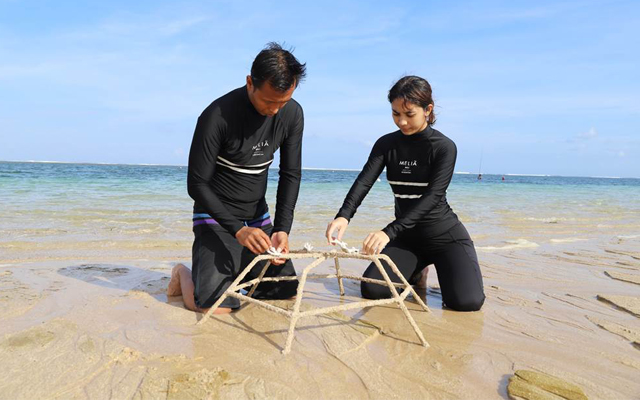
Meliá Bali is taking steps to restore the coral reefs through a collaboration with Nusa Dua Reef Foundation, ensuring that visitors can enjoy the sea for years to come.
Protecting the environment is an essential pillar of Meliá Hotels International, and staff are actively undergoing training on how to establish and protect coral, learning how coral is grown, and have begun planting coral on a nearby reef, just ten minutes from the property.
Guests have been invited to show their support by purchasing coral through the resort, which will be used by Meliá Bali on their reef project. For each coral purchase, guests will receive a certificate acknowledging their contribution, and if requested, coral plantation activities for 10 or more participants can also be arranged.
According to the Nusa Dua Reef Foundation, in 2016 more than half of the coral reefs of Nusa Dua suffered from coral bleaching and become susceptible to a risk of death. So far, 62 artificial reef sculptures and 117 artificial reef structures at six locations underwater off Nusa Dua and Tanjung Benoa beaches have been placed.

Marriott International has appointed Volker Burth as general manager of W Kuala Lumpur, replacing Christian Metzner who has moved to W Singapore – Sentosa Cove.
Burth has 17 years of experience in the hospitality industry under his belt, beginning his hospitality career with InterContinental Hotels Group completing assignments in Germany and the UK.
 He then joined the Sheraton Jeddah Hotel in Saudi Arabia as director of F&B in 2012 and subsequently moved to the flagship properties at Sheraton Grand Sydney Hyde Park in Australia and W Bangkok in Thailand.
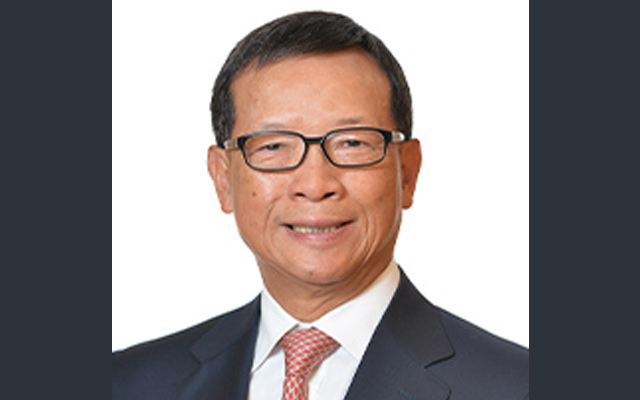
Stanley Hui Hon Chung will assume the role of CEO at Greater Bay Airlines, replacing Algernon Yau.
A current member of the board, Hui’s career spans over 45 years. He has held a range of management positions in Cathay Pacific’s Hong Kong headquarters and overseas offices, as well as in AHK Air Hong Kong, Hong Kong Dragon Airlines, and Hong Kong Airport Authority.
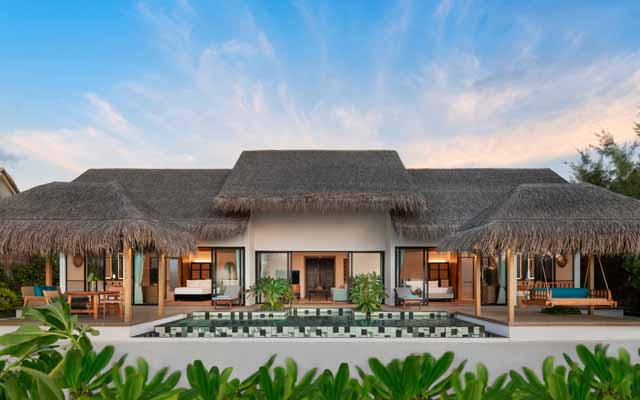
Hilton Maldives Amingiri Resort & Spa, Maldives
Hilton Maldives Amingiri Resort & Spa is an all-villa resort nestled in Amingiri Island in the North Malé Atoll. The new 109-key resort is directly accessible from Velana International Airport via a scenic 20-minute premium speedboat ride.
Each villa comes with a private pool and views of the surrounding turquoise lagoon, while the overwater pool villas are outfitted with stairs to lead directly to the island’s lagoon, with a hammock by the pool.
Debuting in November 2022 is the six-bedroom Amingiri Residence, an ideal escape for larger groups of travellers looking for privacy. Set apart on a landscaped cove, the residence has its own arrival pier and a sundeck with uninterrupted 360-degree views of the Maldivian horizon.
F&B choices include Origin, a sustainable seafood dining experience; all-day dining restaurant Habitat; beach restaurant Beach Shack; Sip Tea Lounge; adults-only overwater bar Eden, and poolside bar Aura.
There is also a kids’ club and access for teens to the Re:Fuel rooftop bar.

Hyatt Regency Jaipur Mansarovar, India
Hyatt Regency Jaipur Mansarovar is a 245-room property in the state of Rajasthan.
Situated near the renowned ISKCON temple, the hotel also offers easy access to iconic landmarks and shopping attractions such as Hawa Mahal and World Trade Park.
Guests can choose a range of accommodation, including 34 suites. The rooms come with traditional projecting stone windows known in India as jharokas that provide guests with a bird’s eye view of the central courtyard.
For an authentic culinary experience, Shrot, which means ‘source’, offers organic, locally-sourced, regional delicacies. Guests can also dine at the North Club, or enjoy coffee and pastries at the 24/7 Royal Bakery and Bar.
Facilities include a spa, fitness studio, pool, kids pool, as well as thematic indoor spaces and outdoor locations for events.

Adina Serviced Apartments Singapore Orchard, Singapore
The 88-key Adina Serviced Apartments Singapore Orchard offers choices of studio, two- and three-bedroom apartments, each with bathroom amenities from the Sydney-based brand INK&WATER. Guests can organise a grill party at the barbecue pits, and enjoy facilities like the rooftop pool and gym.
Guests can stock up on groceries from Ryan’s Grocery and have them delivered and waiting upon checking in, along with a welcome popsicle, an Australian-inspired hamper with snacks and tea, and a Fedora hat to shield against the tropical sun.
Other highlights include the Make Your Own Sandwich breakfast experience, Perk Me Up Coffee Mondays, and the curated seasonal neighbourhood guide.

The Langham, Gold Coast, Australia
The Langham, Gold Coast is the first luxury hotel with direct beach access on Australia’s Gold Coast in over three decades and is located in between Surfers Paradise and Broadbeach, close to shops, farmer’s markets, local vineyards.
The hotel boasts expansive balconies for each of the 339 suites and rooms. Guests can take a dip in one of two lagoon pools with infinity edges.
Dining options include afternoon tea at the Palm Court, all-day dining Akoya, and beachside café 26 & Sunny. Come Australian spring, three-star Michelin Cantonese restaurant, T’ang Court, and the Coral Moon bar will open.
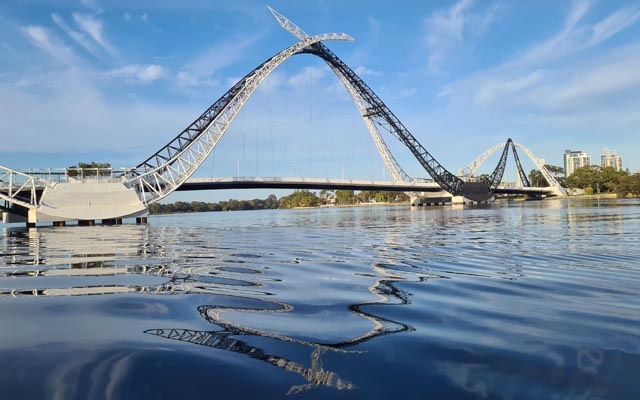
Perth Region Tourism Organisation (Destination Perth) is placing a host of new and refreshed destination experiences and products in the spotlight as it works to bring back travellers from critical Asian markets.
In an interview with TTG Asia, Tracey Cinavas-Prosser, CEO of Destination Perth, said travel and tourism stakeholders across the Perth region “have not stood still” even as the pandemic decimated international tourism.
As local travel and tourism stakeholders evolved their offerings to engage the domestic market in the absence of foreign visitors, a slew of fresh experiences was created to present opportunities to enjoy the destination in a new light.
“Every experience that is successful with the locals, which is the hardest market to please since they think they know everything about the destination, will 100 per cent work for the international traveller,” she said.
Some of the new attractions in Perth and her surrounds include the Matagarup Bridge Zip+Climb; an expanded series of Swan Valley Wine Cruises operated by Captain Cook Cruises; a rejuvenated and expanded Sandalford Wines vineyard in the Swan Valley; and the FOMO lifestyle development in Fremantle.
Destination Perth is echoing Tourism Western Australia’s Adventure Awaits campaign, which bears creative assets showcasing wide-open spaces, incredible landscape and unique tourism experiences.

Cinavas-Prosser shared: “The most significant positive change to Perth over the pandemic years has been the improved access to nature, open spaces and wellness. People are now looking at their holiday plans and thinking about the things they can do in great, open spaces. Therefore, I think adventure tourism will be the key for (our business recovery).”
Cinavas-Prosser said the spirit of adventure could be defined in various ways: “It could mean finding that amazing restaurant that you’ve always wanted to go to, or ziplining down the Matagarup Bridge. It could also be hiking down a trail in the Swan Valley.
“Adventure could be many things, but for all of these things, people are looking for something different, fresh air and less congestion. Perth can satisfy all these desires, as the city has access to abundant wildlife and nature which are at our doorstep.”
Availability of new experiences is especially critical, as Perth enjoys a high repeat visitation rate from Asia. On average, 71 per cent of international visitors to Perth have visited Australia before. Singapore has the highest repeat visitation averaging 87 per cent, followed by Indonesia, Thailand and Hong Kong at more than 75 per cent.
Naturally, these loyal Asian markets are attracting keen attention from Destination Perth.
“We know that they will keep coming back, but we also know that access is paramount. Accessibility to Western Australia and to the state’s regions will continue to be a priority as we work to rebuild demand,” said Cinavas-Prosser.
Since the reopening of Western Australia’s international borders in March, air connectivity with Asia is returning. Singapore Airlines and Malaysia Airlines now fly 17 and five weekly flights to Perth respectively. Thai Airways resumed its Bangkok–Perth services on July 5. Qantas will reconnect Perth with Jakarta from November 30, beginning with three flights per week.
The state government will also continue to focus on improving connectivity within Western Australia, which will encourage travellers to “expand their horizons to visit our unique regions”.


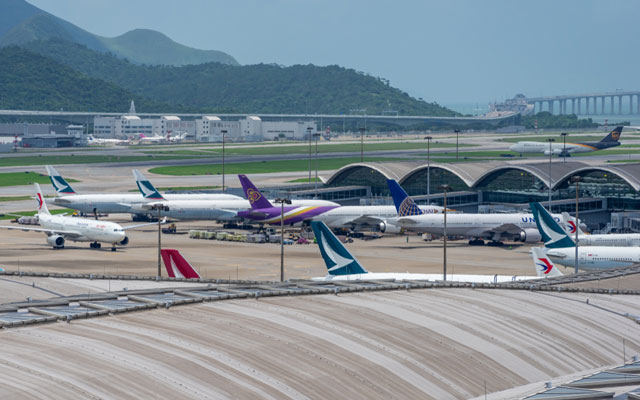





Hong Kong’s authorities will heed science and temporarily lift the city’s flight suspension mechanism from today, choosing to rely on an extra PCR test for arriving travellers to deter the import of Covid-19 infections.
According to a statement from the government, the move is supported by initial statistics and scientific analysis that showed it is more effective to deter Covid-19 transmission through more frequent nucleic acid testing on arriving passengers than flight bans.
Travellers arriving into Hong Kong from July 8 will have to undergo a PCR test on the third day of their quarantine.
The move also takes into consideration the surge in arrivals as students return home for their summer holidays.
Hong Kong’s flight suspension mechanism has been an unpopular one, as it puts both travellers and airlines in a difficult position. The mechanism punishes an airline with a five-day flight route ban when at least five passengers – or five per cent of travellers, whichever is higher – are tested positive for Covid-19 upon arrival in Hong Kong.
Miramar Travel’s general manager, Alex Lee welcomed the move. He said: “This mechanism not only affected incoming traffic but also appetite of outbound travel as clients are worried about cost and time from having to rebook tickets and secure quarantine hotels if they failed to fly back as scheduled. Therefore, scrapping this mechanism may spur the resumption of flight services and frequency. This is turn will make airfares more affordable.”
Wing Wong, managing director of W Travel, predicts a ramp up in flight capacity following the suspension of the flight ban.
“I expect the first wave of arrivals to comprise students returning from overseas and domestic helpers in next eight weeks, followed by businessmen, travellers here to visit relatives, and holidaymakers. My key concern now is for our supply of quarantine hotels to meet demand,” he added.