

Hilton Garden Inn is set to triple its portfolio in Greater China, and offer travellers an upcoming expanded network of 135 properties. Focusing on top-tier cities, the brand has 98 hotels in the pipeline, with one in three future openings in this region.
The brand debuted in Shenzhen in 2014 and has since opened 38 hotels across Greater China.
“Every Hilton Garden Inn hotel is powered by Hilton’s solid in-market expertise, robust supply chain and powerful commercial engine including its award-winning guest loyalty program Hilton Honors,” said Jerry Huang, president, development, Greater China & Mongolia, Hilton.
“Its rapid growth is testament to an owner-friendly operating model that delivers robust performance and long-term investment returns.”
Jenny Milos, vice president, focused service & all suites brand management, APAC, Hilton said: “When it comes to their choice of hotel, Chinese travellers today have more exacting demands for quality, design, comfort, and value.”
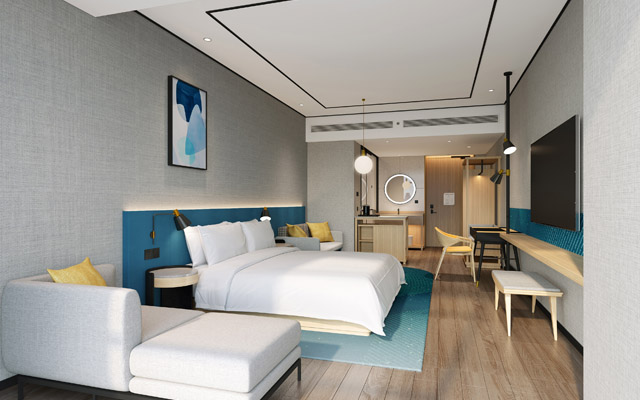
She added that Hilton Garden Inn has tailored offerings for the Greater China market with features like soundproofed rooms, double-layer curtains for a restful environment, and multifunctional furniture.
Hilton properties that opened this year include Hilton Garden Inn Xiamen Tong’an, Hilton Garden in Shijiazhuang Chang’an, Hilton Garden Inn Zhoukou Huaiyang, and Hilton Garden Inn Zhengzhou. Hilton Garden Inn Shenzhen Guangming marked Hilton’s 450th hotel in Greater China & Mongolia.
Upcoming new hotels set to open are Hilton Garden Inn Zhuhai Jinan University, Hilton Garden Inn Hangzhou Xixi Zijingan, and Hilton Garden Inn Chengdu Kuanzhai Alley.
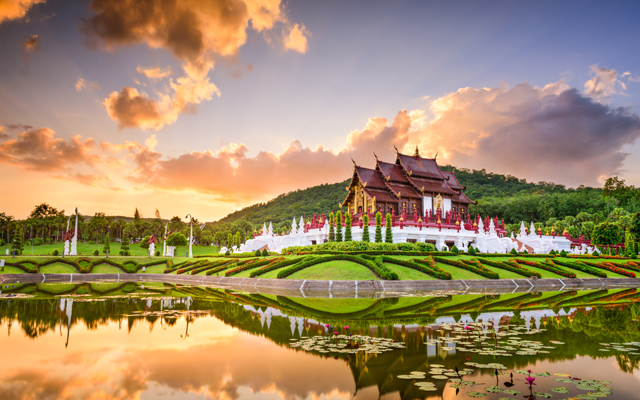






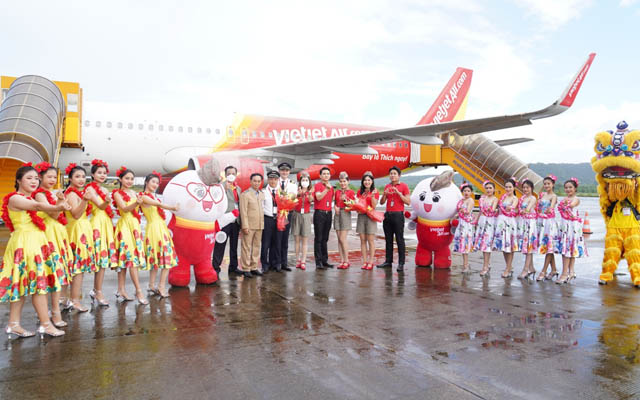
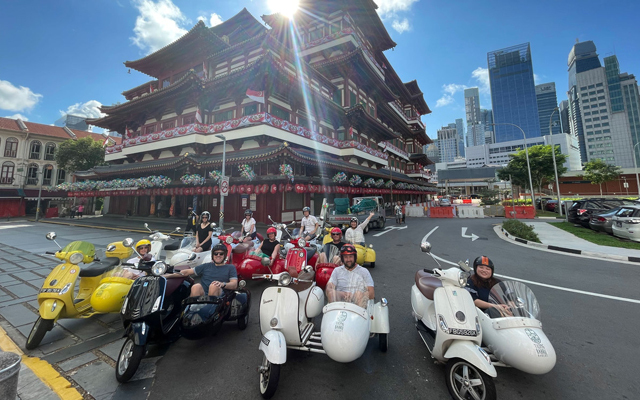
 Six top-performing wholesale product managers from Australia, a key source market for Singapore, went on a five-day action-packed fam trip around the Lion City recently in a programme crafted by WebBeds and the Singapore Tourism Board.






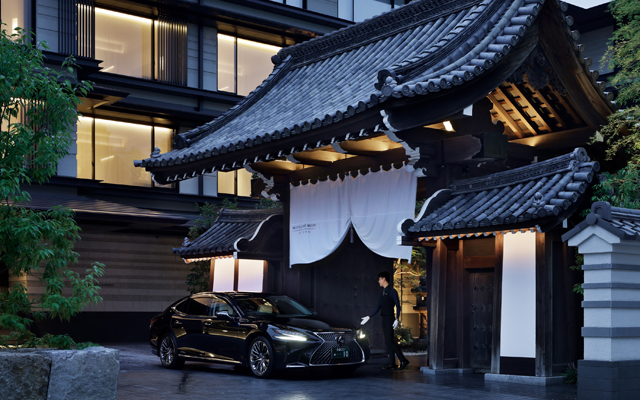
Japan’s move to allow international travellers in without booking a guided package tour since September 7 has injected fresh optimism in tour operators.
Visitors to Japan now require a local sponsor, such as a travel agency, who can track their whereabouts on any given day.
The move is designed to stimulate greater inbound tourism, whose rebound has been slow since tourists were allowed to return on June 10 after more than two years. Only guided tours have been permitted since then, resulting in about 16,000 tourism arrivals between June 10 and the end of August, according to the Japan Tourism Agency.
Jeff Aasgaard, president of Rediscover Japan and Rediscover Tours, described the move as “a step in the right direction.”
“This is great news for us as a specialist whose business is 80 per cent self-guided tailored travel,” said Simon King, co-founder of InsideJapan, adding that the easing of restrictions “in time for Japan’s peak autumn departures is such a relief for us and all our partners on the ground that rely on our customers’ business”.
Geoff Day, COO of Japan Travel, said the move will be “a boon for travel agencies” as independent travellers will need “to book and plan their travel through an accredited travel agency”.
Still, many agents say tourism rules need to be relaxed further for the industry to see a full recovery.
The September 7 development is “not perfect, but progress,” remarked Aasgaard.