TTG Asia
Asia/Singapore Wednesday, 10th June 2026
Page 4

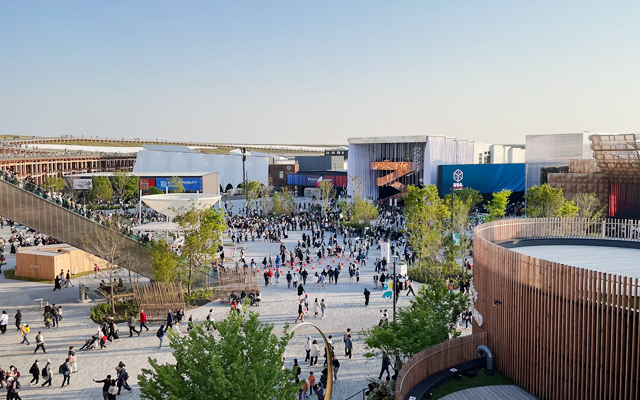
Expo 2025 leaves lasting tourism legacy for Osaka and Kansai

0

Expo 2025, which attracted 29 million visitors to Osaka over 184 days, generated an estimated economic impact of 3.6 trillion yen (US$22.56 billion), according to the Japanese government.

The event delivered an immediate boost to international tourism. Edouard Tripkovic Katayama, a consultant at JTB Tourism Research & Consulting, said the Expo drove longhaul travel linked to a once-in-a-generation event, encouraged longer stays combining Osaka with destinations such as Kyoto, Nara, Hiroshima and Tokyo, and increased international visibility through high-level diplomatic visits.
Infrastructure upgrades linked to Expo 2025 are expected to strengthen Osaka and the Kansai region’s appeal to international visitors

Industry observers now expect the Expo to leave a lasting legacy for Osaka and the wider Kansai region as inbound tourism destinations.

Four years before the event, Japan’s Ministry of Land, Infrastructure, Transport and Tourism launched plans to improve infrastructure and tourism attractions around Yumeshima, the artificial island in Osaka Bay that hosted the Expo, as well as across the city.

“Hosting the Expo led to improved transportation access, which in turn advanced infrastructure development,” said Expo 2025 secretary general Hiroyuki Ishige, citing the extension of the Osaka Metro’s Chuo Line to a new station on Yumeshima, which provides direct access from central Osaka to the bay area in 30 minutes.

Services on the Chuo Line have also been increased, reducing intervals between trains to 2.5 minutes, while platform doors have been installed across all subway stations. Road infrastructure was upgraded as well, with the expansion of the Yumemai and Konohana bridges and surrounding roads to ease congestion.

Kansai International Airport completed a major renovation of Terminal 1 ahead of the Expo, increasing annual capacity to 40 million passengers. The project expanded the international departures area by 60 per cent, introduced smart security lanes and created Japan’s largest walk-through duty-free area.

At Osaka Port, the Tempozan Wharf passenger terminal was redeveloped to accommodate Expo-related traffic. The three-storey facility offers upgraded customs, immigration and quarantine processing, while port enhancements enable faster turnaround for large cruise ships.

The city has also strengthened its position as a waterfront destination through new cruise experiences on the Yodo River and Osaka Bay, as well as sightseeing services connecting Osaka with nearby destinations such as Kobe and Awaji Island.

Ishige described the developments as a catalyst for medium- to long-term growth, supporting regional revitalisation across Japan.

Yumeshima’s transformation is continuing beyond the Expo. The northern section of the island is being developed into a 492,000m² integrated resort project valued at around US$10 billion.

The development will include a casino, three hotels – MGM Osaka, MGM Villas and Musubi Hotel – with a combined 2,500 rooms, as well as 30,000m² of exhibition space, 37,000m² of conference facilities and a 3,500-seat theatre. Dining, retail, wellness facilities and a tourism concierge promoting travel across Kansai’s seven prefectures will also form part of the project.

Scheduled to open in autumn 2030, the resort is expected to attract 20 million visitors annually, including six million international travellers.

Air Astana steps up capacity as Kazakhstan emerges as a key Europe-Asia connector

0

Air Astana Group is benefiting from changing aviation flows between Europe and Asia, increasing capacity as geopolitical uncertainty makes some traditional transit routes through the Middle East less predictable.

“We have seen a significant increase in transit traffic through Kazakhstan in recent months. During 1Q2026, Air Astana Group’s international transit traffic increased by 65 per cent year on year, including a 158 per cent increase in March alone,” Yerbolat Baissalykov, senior vice president, revenue management and commercial planning, Air Astana Group, told TTG Asia.

Air Astana is expanding capacity across Asia and Europe as transit traffic through Kazakhstan grows

In response to disruptions in the Middle East, the group redeployed around 18 per cent of its network capacity within a month, shifting resources to higher-demand markets including China, South-east Asia, the Commonwealth of Independent States (CIS), the Caucasus and selected European routes.

Europe continues to perform strongly. “In March 2026, ASK growth to Europe increased by 10 per cent year on year, while RASK growth reached 53 per cent, reflecting both stronger demand and improved yields,” Baissalykov said.

He believes the increase in traffic is part of a broader change in regional aviation patterns rather than a short-term reaction to geopolitical events.

“We are seeing stronger demand not only for transit connections between Europe and Asia, but also for travel into Kazakhstan itself as the country gains visibility as both a tourism and business destination,” he said.

Air Astana Group sources around 70 per cent of its fuel requirements domestically, providing stable access to supply. However, Baissalykov said the group’s position is also supported by operational and financial discipline and a young, fuel-efficient fleet.

Air Astana expects to receive two Boeing 787 aircraft in 2026, supporting fleet growth from 67 aircraft this year to 86 by 2030.

The group currently serves 104 routes and plans to launch 11 new routes this year, including services from Astana to Shanghai, Guangzhou, Larnaca and Dalaman, alongside additional seasonal routes.

While Air Astana continues to evaluate opportunities across Europe, Central Asia and South-east Asia, Baissalykov said Asia remains the immediate growth priority.

“Asia is currently the primary growth focus, particularly China and India, where demand growth remains very strong. Capacity allocation to China has tripled compared to pre-crisis levels, and the group continues to expand frequencies and destinations across the region,” he said.

China has become one of the group’s most important growth markets. Following the launch of Shanghai services in March, Air Astana plans to more than double flights to China this summer, while low-cost subsidiary FlyArystan is preparing to announce additional destinations in the market.

Looking ahead, the group will continue to assess opportunities based on demand trends, fleet availability and long-term network sustainability.

“Our focus is not opportunistic short-term growth, but building a sustainable Eurasian network that strengthens Kazakhstan’s role as a key connector between Europe and Asia,” Baissalykov concluded.

South Korea’s Chungbuk and Chungnam target wellness travellers

0

Frequent visitors to South Korea looking beyond the country’s major cities may want to consider the regions of Chungcheongbuk-do (Chungbuk) and Chungcheongnam-do (Chungnam).

Located around two to three hours from Seoul, the central regions offer a range of wellness-focused experiences for travellers seeking a slower-paced getaway.

The 2026 Taean International Horticulture & Healing Expo will showcase nature-based therapy and wellness experiences in Chungnam; photo by Audrey Ng

Chungbuk is developing stay-based tourism products that combine natural landscapes, traditional culture, local cuisine and wellness experiences. The provincial government has launched a three-year programme to strengthen the region’s wellness tourism resources, products, brand identity and talent pipeline.

The rural county of Boeun, surrounded by hills and valleys, offers a tranquil setting for visitors. Beopjusa Temple, located on Songnisan Mountain, is a UNESCO World Heritage Site that houses important cultural relics and offers temple stay programmes.

In Yeongdong, the Rainbow Healing Center provides a nature-inspired environment designed to help visitors reconnect with nature. The building is designed to maximise natural light and airflow, while offering dedicated spaces for rest and relaxation.

Chungnam is also positioning itself as a centre for healing tourism.

Among its newest attractions is the 2026 Taean International Horticulture & Healing Expo, which organisers describe as the world’s first international horticultural exposition dedicated to nature-based therapy.

The Taean Marine Healing Center, which opened in November 2025, offers marine-based wellness and beauty programmes using local resources such as saline groundwater and peat.

Both regions are well connected to Seoul and international markets. Cheongju International Airport serves 19 international routes linking the region with destinations in Japan, Taiwan, Vietnam, China, the Philippines, Mongolia and Singapore.

Chungnam has also introduced initiatives to improve accessibility. A C-Tour Bus connects Cheongju Airport with the Baekje region, while the Tourism DRT (Demand Responsive Transit) system provides on-demand transport services to Gongju and Buyeo.

Princess Cruises strengthens Singapore presence with three-year deal

0

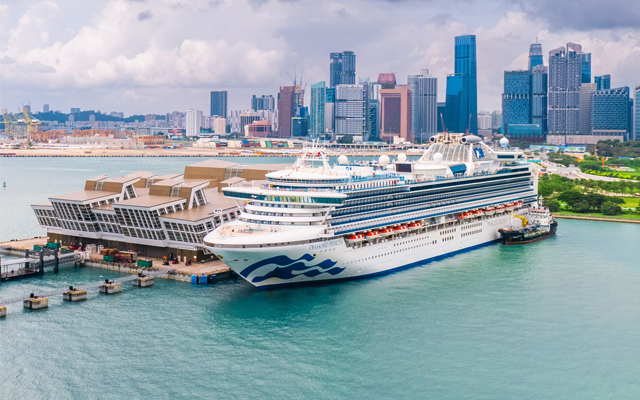
The Singapore Tourism Board (STB) and Princess Cruises have signed a three-year partnership that will expand the cruise line’s operations in Singapore from 2027 to 2030.

Under the agreement, Princess Cruises will deploy three ships – Diamond Princess, Sapphire Princess and Grand Princess – in Singapore, with the number of sailings expected to double by 2030. The programme is projected to bring more than 150,000 passengers to the city-state and support tourism and maritime-related economic activity.

Princess Cruises will base three ships in Singapore between 2027 and 2030 as part of a partnership with the Singapore Tourism Board

Supported through STB’s Cruise Development Fund, the deployment will feature itineraries ranging from 10 to 28 days, covering destinations across South-east Asia, Japan and South Korea.

The 2027-28 South-east Asia programme will include calls at 29 destinations across nine countries, with longer voyages designed to connect multiple regions. The expanded deployment follows the 2026-27 season, when Diamond Princess and Sapphire Princess will be homeported simultaneously in Singapore between November 2026 and February 2027.

The partnership is expected to support growth in the fly-cruise segment, particularly among travellers from Australia, the UK and the US. STB said Singapore’s air connectivity, cruise facilities and tourism offerings position it as a key homeport for international cruise passengers.

Jean Ng, assistant chief executive of the experience development group at the STB, said: “Princess Cruises’s expanded deployment broadens our premium cruise experiences and supports our Tourism 2040 vision to drive quality tourism growth through a strong pipeline of differentiated products.”

Matthew Rutherford, vice president Asia Pacific at Princess Cruises, added: “Singapore is a cornerstone of our Asia-Pacific strategy and an exceptional homeport from which to expand regional footprint.

“We’re seeing growing demand for longer, more immersive journeys, and this programme allows us to deliver richer itineraries across South-east Asia and beyond while attracting more international guests to the region.”

ALLWAYS expands concierge services to HKIA Terminal 2

0

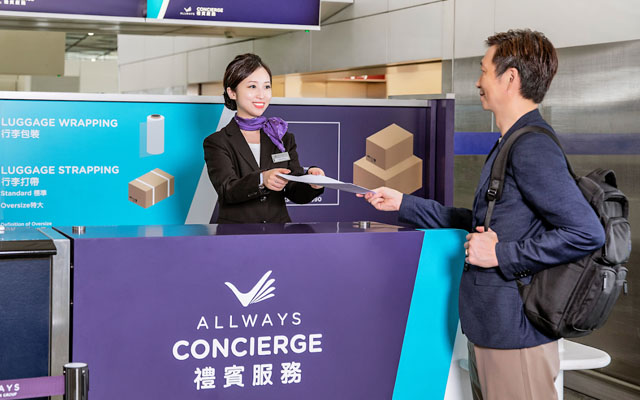
Plaza Premium Group has extended its ALLWAYS concierge and passenger services to Terminal 2 (T2) at Hong Kong International Airport, extending its operations across both passenger terminals.

The new ALLWAYS service counter is located at Landside, Level 7, Check-in Hall Aisle V and offers meet-and-assist services, limousine transfers, porter services, luggage wrapping, wheelchair assistance and document services.

Plaza Premium Group has extended its ALLWAYS airport concierge services to Terminal 2 at Hong Kong International Airport

The company said the expansion builds on its seven service counters in Terminal 1, which have operated since 2022.

Premium services are aimed at travellers requiring personalised airport assistance, including celebrities, VIPs and event guests, while additional services are available for general passengers.

Plaza Premium Group general manager of Hong Kong operations Michael Yang said the T2 opening would help provide a more consistent airport experience while supporting growing passenger demand at the airport’s expanded facilities.

The ALLWAYS T2 counter operates daily from 05.00 to midnight, with premium services including meet-and-assist, porter and limousine transfers available by advance booking.

COMO Metropolitan Bangkok

0
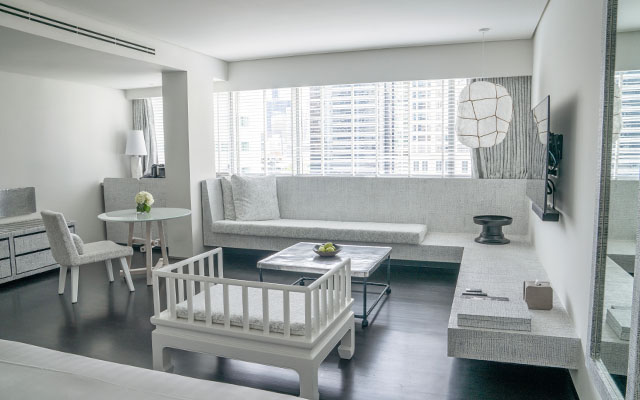
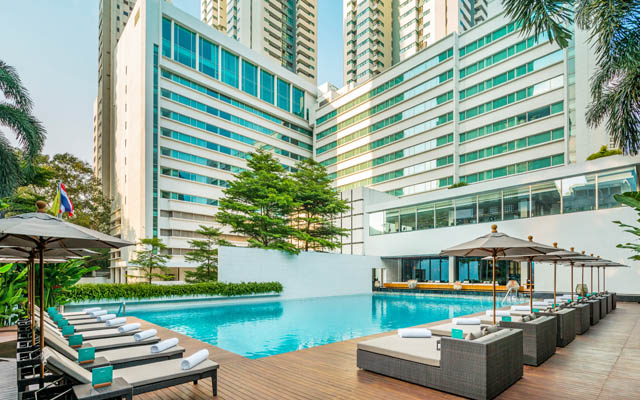
Pool view room

Location
Situated in the bustling Sathorn business district, this 22-year-old property reopened its doors in October 2025 following a comprehensive six-month partial renovation. The hotel features 137 rooms across six distinct room types.

Accommodation
The arrival experience sets a dramatic tone. The renovated, cavernous-yet-intimate lobby seamlessly blends austere modernism with rich Asian heritage. Reflective, high-gloss dark slate floors and hammered-metallic pillars ground the design, while seating confidently mixes eras – delicate antique wood benches converse with deep-hued leather club chairs and massive white woven loveseats.

Checking into the 54m² Metropolitan Pool View Room feels like stepping into a stylish urban retreat. Reimagined by Navone, the white-toned design is contrasted with black floors and polished silver finishes. Textured details – from basketweave-inspired surfaces to plush white jacquard cushions – add depth and create a striking visual setting throughout the room.

Welcomed with a spread of Thai desserts, fruits and nuts, I found the room exceptionally cosy, with intuitive lighting and climate controls. Thoughtful touches included a 55-inch Samsung TV, Bose sound dock, Nespresso machine, and a COMO Shambhala yoga mat paired with a full-length mirror for in-room practice.

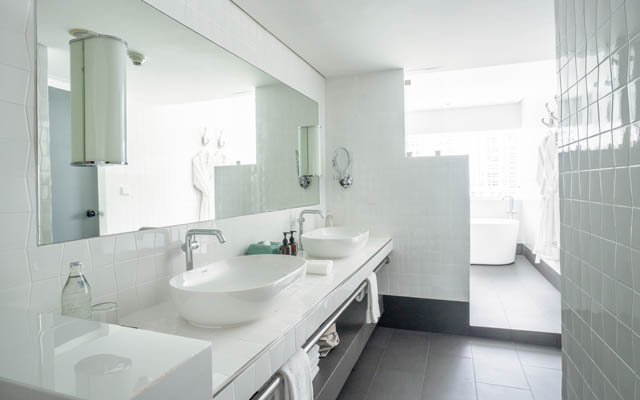
The sleek bathroom featured his-and-hers vanities and a deep standalone bathtub positioned beside a large slatted window. COMO Shambhala amenities scented with mint, eucalyptus and jojoba added to the experience.

However, guests should note that the renovation was partial, with the penthouse suites on the 11th floor and the pool elevators yet to be updated. There were also a few minor quirks, including a bidet with an unconventional lever design, a room door that occasionally needed an extra push to close fully, and a slightly indirect route across the second floor to access the pool.

F&B
Dining is a major highlight, anchored by the renowned nahm. Led by Chef Pim Techamuanvivit, the restaurant has retained its Michelin star for nine consecutive years. The Heritage Tasting Menu showcases strong local sourcing, with dishes presented on bespoke pottery crafted by artisans in Chiang Mai. Thoughtful touches extended beyond the food – when the dining room turned chilly, staff offered a handwoven scarf from Chumphon. Service was warm and personalised throughout the evening, with staff addressing guests by name. The tasting menu was memorable enough to warrant a repeat visit.

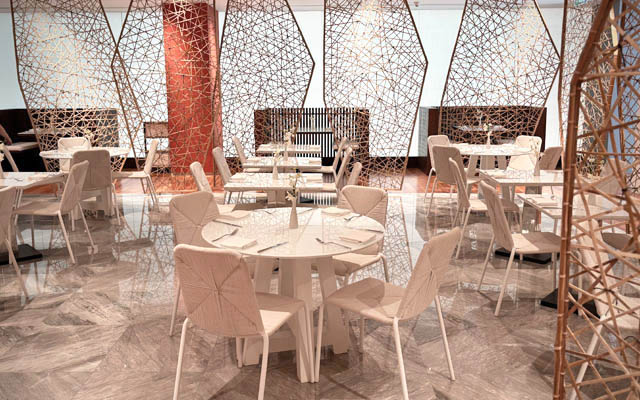
The following morning, breakfast at COMO Cuisine on the second floor made healthy dining feel effortless. The light-filled venue focuses on nourishing whole foods, offering two buffet counters alongside an à la carte menu. The culinary team stood out for its use of local ingredients and attentive service. Gluten-free bread was readily available, while dietary restrictions were clearly labelled across the menu, making ordering straightforward.

Facilities
Anchored by the signature COMO Shambhala spa, the hotel’s wellness and leisure facilities offer a comprehensive urban retreat. Fitness enthusiasts can make use of the expansive L-shaped gym with more than 20 machines, or join morning yoga sessions in the dedicated studio. Outdoors, the 25m lap pool provides a calm escape, with thoughtful touches such as complimentary sunscreen and mosquito repellent.

For post-workout recovery, the spa’s men’s and women’s locker rooms feature steam facilities and hydropools. Guests looking to explore the local culture can also choose from a curated range of immersive COMO Experiences.

My treatment at the COMO Shambhala spa began with a choice of the signature “Invigorate” oil. Sonya, a therapist with two decades of experience with the COMO brand, worked through areas of tension before finishing with a warm neck compress. In keeping with the brand’s holistic approach, the session concluded with hot ginger tea and a gluten-free protein ball, followed by time in the hydropool and steam room.

Service
Hospitality made a strong first impression with an indigo butterfly-pea ginger drink served at check-in. While the property overview during check-in was limited, the experience was elevated by a thoughtful porter, Mali, who greeted us warmly with friendly conversation throughout the stay, and reception staff who addressed me by name.

Modern touches such as responsive WhatsApp support and nightly emails outlining available property experiences helped guests stay informed. I also enjoyed spotting the resident hotel cat wandering around the grounds.

Verdict
A cosy, stylishly refreshed property that stands out for its commitment to local sourcing and holistic wellness, though a few refinements could help create a more seamless experience between the renovated and unrenovated spaces.

Contact details
Website: www.comohotels.com/thailand/como-metropolitan-bangkok/

Rainforest World Music Festival returns this June

0

The Rainforest World Music Festival (RWMF) will once again be hosted at Sarawak Cultural Village from June 26-28, 2026, bringing together international artists, cultural performances and culinary experiences under the theme Regenerations: Roots & Rhythms.

Held annually in Kuching, Sarawak, the festival features evening concerts, daytime workshops, cultural showcases, craft displays and food experiences. Organisers expect more than 200 performers from 12 countries to take part this year.

The Rainforest World Music Festival returns to Sarawak Cultural Village from June 26-28, 2026, with international performers, cultural activities and food experiences

Visitors can also take part in more than 50 workshops, cultural demonstrations and music sessions, offering opportunities to learn about instruments, traditions and musical heritage from participating artists.

New for 2026 is a gastronomy showcase highlighting the culinary traditions of the Borneo sub-region. The programme will feature dishes and flavours from Malaysia, Brunei Darussalam, Indonesia and the Philippines.

Sustainability remains a key focus of the festival through initiatives including Green Ruai, Green Warriors and the EcoGreen Planet tree-planting programme. Since 2023, more than 6,000 trees have been planted in conservation areas across Sarawak, with the programme expected to reach 10,000 trees this year.

Set against the backdrop of Mount Santubong, RWMF has grown into one of the region’s best-known music festivals, attracting visitors from around the world to experience music, culture and nature in Sarawak.

For more information, visit Rainforest World Music Festival.

JW Marriott names global brand ambassador

0

Aishwarya Rai Bachchan has been appointed global brand ambassador for JW Marriott.

The collaboration will see Rai Bachchan feature in international marketing campaigns and brand storytelling across film, print and digital platforms, while supporting brand experiences in India and other key markets.
Indonesia targets unlicensed short-term accommodation listings

0

The Indonesian government is stepping up efforts to regulate unlicensed short-term accommodation, particularly villas and alternative lodging properties, following concerns over tax compliance, consumer protection and growing competition with licensed hotels.

Rather than relying on temporary enforcement operations, the Ministry of Tourism (MoT) is introducing a technology-driven approach focused on online distribution channels.

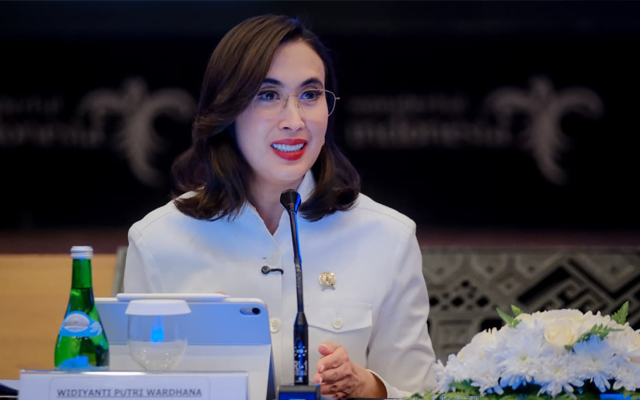
Widiyanti shared that the policy is aimed at improving governance and creating a more balanced tourism industry

Speaking at a press conference in Jakarta, tourism minister Widiyanti Putri Wardhana said the policy is aimed at improving governance and creating a more balanced tourism industry.

The move follows complaints from hotel operators about declining occupancy rates amid the rapid growth of short-term accommodation offered at lower prices.

According to Widiyanti, many of these properties operate without the necessary licences or tax obligations, creating an uneven operating environment within Indonesia’s hospitality sector.

To address the issue, the MoT is working with nine OTA partners: Airbnb, Traveloka, Trip.com, Tiket.com, Booking.com, Agoda, Expedia, RedDoorz and OYO.

The MoT has also conducted licensing and outreach programmes across five priority destinations ­– Jakarta, West Java, Yogyakarta, Bali and West Nusa Tenggara – alongside coaching clinics and merchant verification initiatives.

Data as of May 20, 2026, showed a nearly 47 per cent increase in the number of short-term accommodation businesses registered with Indonesian business registration numbers (NIB) in the country’s OSS licensing system across eight tourism-related business classification (KBLI) categories, compared with March 31, 2025.

Villa accommodation recorded the strongest growth, increasing 76 per cent over the same period.

A key component of the initiative is the development of an application programming interface (API)-based verification system linking OTA platforms with Indonesia’s OSS business licensing database.

Rizki Handayani, deputy for industry and investment at the MoT, said: “The system is designed to replace the current manual verification process, which involves cross-checking large volumes of OTA and government licensing data one by one.”

Under the new system, accommodation operators will be automatically verified before being allowed to list on OTA platforms.

The integration is scheduled to begin in June 2026 and become fully operational by July 2027.

Widiyanti stated: “Starting June 1, 2027, unlicensed accommodation can be automatically identified and delisted through the API system.”

Several OTA platforms have already begun displaying NIB and KBLI information on accommodation listings to improve transparency for travellers.

So far, the government has identified around 1,600 accommodation operators being marketed on OTA platforms without the required licences.

Those businesses could face delisting from August 1, 2026, if they fail to complete the necessary permits during the transition period.

Under the policy, OTAs will be required to notify merchants and provide a two-month window for them to clarify their status or comply with licensing requirements before listings are removed.

Officials also said travellers affected by future delistings will be managed according to the policies of the respective OTA platforms.

At the same time, the government has instructed OTA platforms to stop accepting new accommodation merchants without valid business licences to prevent further growth in unlicensed listings.

VisitMalta prioritises luxury leisure in Asia-Pacific

0

VisitMalta is taking a cautious approach to the Asia-Pacific market, focusing on luxury leisure travel amid global geopolitical uncertainty.

As conflict in the Middle East disrupts traditional transit routes and slows incentive traffic from Asia-Pacific, the tourism board has concentrated its resources on high-spending individual travellers.

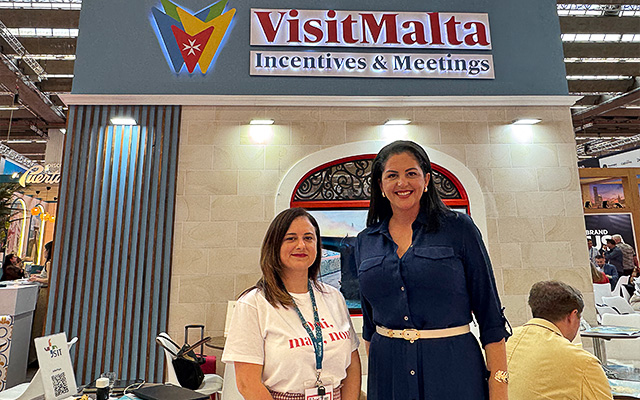
From left: Malta Tourism Authority’s Francesca Camilleri, and Alaine Ciantar at IMEX Frankfurt 2026; photo by Rachel AJ Lee

“We’re being a bit more cautious on our efforts, because everything is an investment,” said Alaine Ciantar, director of VisitMalta Incentives & Meetings. She added that the current marketing strategy in Asia-Pacific is “to keep our presence in the market not to be forgotten”.

While larger corporate groups remain a long-term goal, Ciantar said she is seeing strong demand from luxury leisure travellers in China, Japan, Malaysia and Thailand. She believes leisure travel will help generate future business events demand as more travellers experience the destination.

At the same time, Malta is benefiting from an influx of travellers from the US, Canada and Latin America who are shifting travel plans away from the Middle East and towards Europe. The destination has also seen growth from longhaul markets such as Australia, which entered Malta’s top 10 source markets in 2024, supported by several high-end incentive groups. Brazil has recorded a similar increase.

Ciantar told TTG Asia the growth took the tourism board by surprise and prompted a greater focus on meeting what she described as “organic demand”.

Malta will also host the 26th World Travel & Tourism Council Global Summit in Valletta from October 7 to 9, 2026, which has become a key focus for the tourism board.

“We are concentrating our efforts on making sure this is a massive success for our island,” Ciantar said.

Organised in partnership with the Maltese Government and the Malta Tourism Authority, the invitation-only event will bring together travel industry CEOs, government ministers and international media at the Mediterranean Conference Centre.

The three-day summit will address issues including sustainability, resilience, digital transformation and long-term investment priorities.