Nagasaki Marriott Hotel, Japan
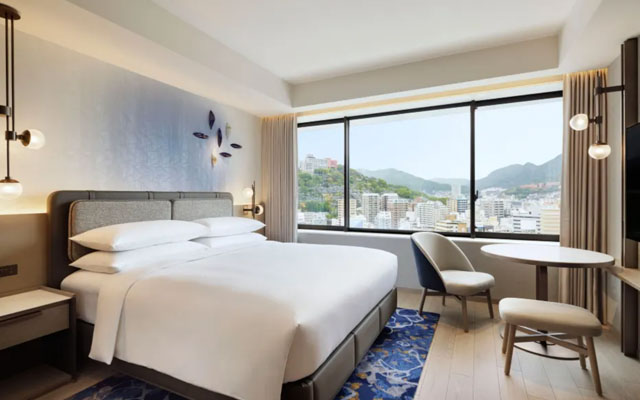
Nagasaki Marriott Hotel offers 207 guestrooms and suites featuring views over Nagasaki Port and Mount Inasa. Facilities include F&B outlets, fitness centre, and a conference room.
Directly connected with JR Nagasaki Station, the hotel provides guests with convenient access to Nishi Kyushu Shinkansen and local JR lines, and is about a two hours’ drive from Fukuoka Airport.
Nearby landmarks include the new Dejima Messe Nagasaki Convention Hall and the UNESCO World Heritage-listed Glover Garden, as well as the Atomic Bomb Museum and Peace Park. Visitors can alo hop on a boat ride from Nagasaki Port to another UNESCO World Heritage site-Hashima Island, better known as Battleship Island.
Hilton Nanjing Niushoushan
Hilton Nanjing Niushoushan, China
Nestled within the Niushou Mountain cultural tourism zone, the 381-key Hilton Nanjing Niushoushan is surrounded by a serene atmosphere, inspired by traditional Chinese study and tea rooms.
The hotel has a reception lobby, a 1,350m² pillar-less banquet hall, indoor kids’ club, and dining options.
Four Points by Sheraton Palawan
Four Points by Sheraton Palawan, the Philippines
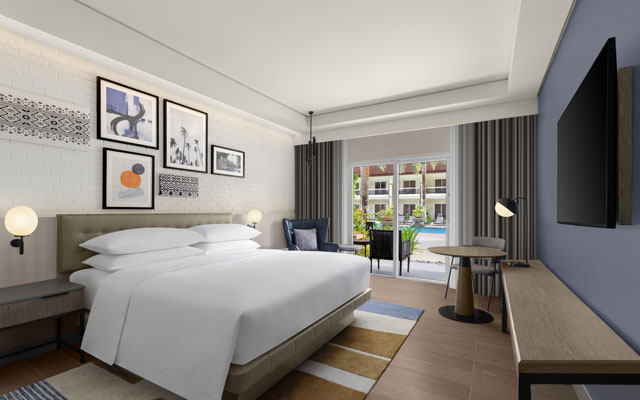
Launched in December 2023, Four Points by Sheraton Palawan is located on Sabang Beach nearby a farm with rice fields, farm animals and veggie gardens which are accessible to guests for a true farm-to-table dining experience.
The beachfront hotel also has an open courtyard, two restaurants, swimming pool, fitness centre, spa and sauna, kid’s club, business centre, as well as indoor and outdoor event venues.
Nearby attractions include the UNESCO World Heritage Site Puerto Princesa Subterranean River; Sabang mangrove forests and waterfalls, Ugong Rock adventures, and Honda Bay.
Parkroyal Serviced Suites Jakarta
Parkroyal Serviced Suites Jakarta, Indonesia
Parkroyal Serviced Suites Jakarta is situated within levels 73 to 82 of Luminary Tower at the Thamrin Nine development and dominates the central district skyline at 304m across 95 levels.
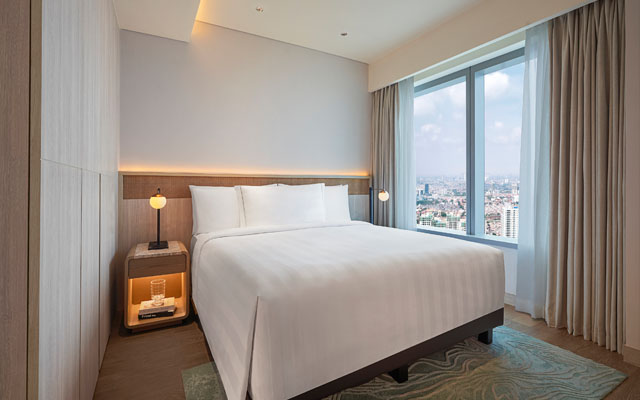
All 180 rooms, comprising studios, one- and two-bedroom suites, boast floor to ceiling windows, as well as facilities including a Residents Lounge, gym, and swimming pool.
The property has convenient direct access to Grand Indonesia and Dukuh Atas MRT, LRT, Commuter Line, and Airport Train services.
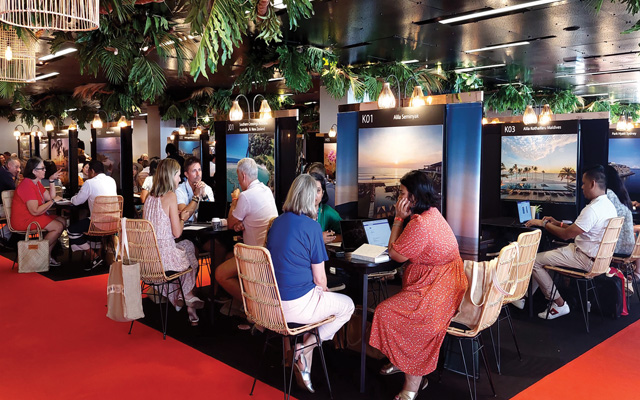
Further East, one of the most-watched luxury travel tradeshow in Asia-Pacific, has made one thing very clear when its latest edition was held in Seminyak, Bali in November 2023 – the future of Asia-Pacific’s luxury travel landscape is burning bright.
International luxury travel players who spoke to TTG Asia at the event expressed glowing optimism for 2024. Despite geopolitical uncertainties in 2023, luxury travel players enjoyed a quick business rebound – and as the region is largely regarded as a safe destination, it is expected to continue drawing well-travelled individuals.
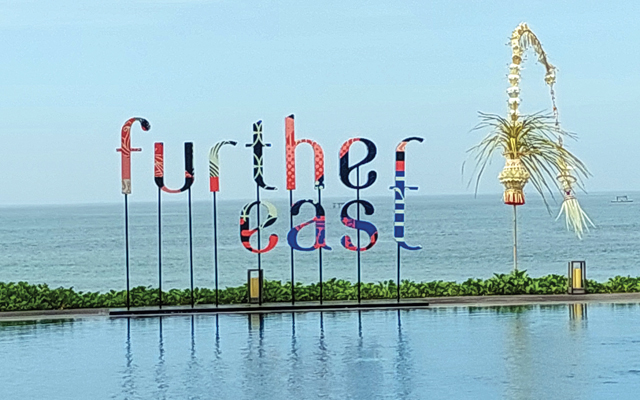
Further East returned to Seminyak, Bali in Indonesia in November 2023
Paul Levrier, director of Asia Concierge, said luxury travel had grown fast post-lockdown, and the pace of growth “has taken everybody by surprise”.
Levrier said: “When we set up this company for the (luxury) market, we did not realise how strong the demand (for Asian destinations) would be, despite the region’s reopening lagging far behind North America and Europe. Demand for bespoke, high-end and high-touch (travel to Asia) is stronger than anyone could have predicted two years ago.”
Such strong interest in Asia among wealthy travellers is reflected in the surge in renovations of big name hotels, opined Levrier, who believes that properties are fighting to deliver an even better product.
Several of such refreshed properties had participated in Further East 2023. Amandari in Bali, for example, has updated its hardware with 10 new residences. The Laguna, a Luxury Collection Resort and Spa Nusa Dua Bali, recently emerged from a total revitalisation.
Imperial Hotel Tokyo is undergoing guestroom renovations, and will build a new Tower Building to house apartments and condominiums.
Andreas Grosskinsky, Indonesia country director of Asia Concierge, added: “We have seen one-and-a-half years of business for Bali compressed to a single year. Bali has just been a destination that got a lot of good vibes in 2023.”
Grosskinsky shared that the US is a big market for Asia Concierge, and love for Bali has been especially strong.
Official arrivals data supports Grosskinsky’s observation – at press time in December, Australia, India, China, Germany and the US made up the top five source markets for Bali tourism.
However, with more of the world opening up for tourism and Bali’s continued high hotel occupancy rate, Grosskinsky said travel interest for Bali in 2024 could slip. Vietnam and Laos, he said, could be the destinations to watch.
Having delivered yet another successful event, Serge Dive, founder and CEO of This is Beyond, the owner of Further East, expressed confidence that the luxury travel market would grow “bigger and better” in spite of geopolitical pains.
“The market has always been immune towards economic downturns. When the economy is great, (the wealthy) work hard and do not have time for a holiday and do not see their families much. It is only during the difficult years that they can finally take off with their families.”
Casting his projection for Asia, he said: “About 40 per cent of the human population is in Asia and I think 50 per cent of new hotels in the world have been built in Asia. That gives you an indication of growth.”
Dive added that Asia’s brand of sincere hospitality will help to drive up the number of well-heeled travellers “wanting to visit Asia”.
Luxury travel sellers and buyers are upbeat about 2024 prospects
Experiences lead the way
Levrie has seen a shift in the way people approach luxury travel.
“Before, people would want a nice hotel and a nice car, that’s it. Now, it is all about experience, authenticity, and high-touch. This requires industry players to be more creative. It is no longer just the scope of products on offer, but also the quality of service outside of the major tourist areas,” he stated.
Grosskinsky added that hurried itineraries that feature a new destination every two nights are out of the picture. Travellers now want “anchor points” that appeal to them, where they would spend five wholesome nights before moving on.
Hotels are in on the experience game too, and have developed unique programmes to entice luxury travellers to stay on longer.
Aman properties in Indonesia have crafted local experiences that their foreign guests can partake in. At Amanwana in Nusa Tenggara, a whale shark conservation experience is offered with Konservasi Indonesia Foundation. At Amanjiwo in Borobudur, Magelang Regency, traditional archery and fortune-telling the Javanese way are available.
Radit Mahendro, regional director of marketing Indonesia, said Chinese guests at Amanjiwo in Borobudur, Magelang Regency, have turned out to be big fans of cultural discoveries; Chinese travellers were once perceived to be inactive.
Another trend to watch is the rise of family groups. Chandima Wickremasinghe, director of sales and marketing of Taj Hotel Maldives, said such profiles are turning up even in the Maldives, long known as a honeymoon destination.
Joali Maldives, which used to be an adult-only resort, has added a kids club and offers family packages.
Wickremasinghe also noted a growing interest in holistic wellness during vacations. Healthy meals, physical fitness and mental exercises are on travellers’ to-do list.
Sustainability focus
Sustainability dominated discussions at Further East 2023, especially with regards to the “carbon footprint of travel”, pointed out Dive.
He noted that airlines, hotels and other travel organisations are now taking steps to tackle the issue.
Sunga Watch, an environmental organisation based in Bali, is protecting and restoring rivers all along Java to stem the flow of plastic waste into the ocean.
Gary Bencheghib, co-founder of Sungai Watch, said: “We activate local communities to take part in eradicating plastic waste by using simple technology and cost-effective ways. We make them proud of keeping their rivers clean.”
The organisation also recycles and reuses plastics to make products such as building materials and furniture. It communicates with big companies on cutting the production of single-use plastics and with authorities on supportive policies and regulations.
Potato Head Family, which enforces zero-waste operations in its hospitality business, is working to create sustainability awareness through products, activities, and experiences offered at its facilities.
Ronald Akili, founder and CEO, added that he is also keen to revive environmentally damaged tourism areas, like Kuta.
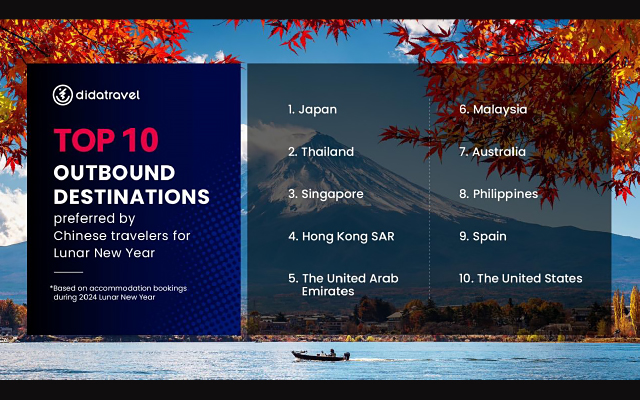
Total outbound hotel bookings during the Chinese New Year period have reached a three-year high, with an increase of over 310% compared to the same period 2023, according to DidaTravel.
The global travel destination company has released data reflecting the growing trend for Chinese outbound travel during the Chinese New Year holidays.
Outbound hotel bookings by Chinese travellers in Singapore increased by 11 fold year-on-year (YoY), while hotel bookings in Malaysia grew nine old and in Thailand, by 243%.
These figures can be attributed to pent-up demand following the lifting of border restrictions in mainland China and recent visa exemption announcements.
The top destinations for outbound mainland Chinese travellers during this period include Japan, Thailand, Singapore, Hong Kong SAR, the United Arab Emirates, Malaysia, Australia, the Philippines, Spain, and the USA.
Long-haul destinations in Europe, such as France, Italy, UK, and Germany, and in the Americas, Mexico, Brazil, and Canada remain popular with Chinese travellers.
In the same period, the average daily rate for hotels witnessed a global increase of 32% YoY. This increase is partly attributable to a pent-up demand for booking accommodation in higher standard hotels.
Notably, there was a decrease in bookings for one and two-star hotels, dropping from 7% to 2.6%. Additionally, bookings for three to four-star hotels saw a decline from 69.7% to 65.2%.
Conversely, there was an increase in bookings for five-star hotels, rising from 23.3% to 32.2%, indicating the increasing trend for Chinese travellers’ preference for luxury accommodation.
They are also travelling for longer, with an increase in the average length of hotel stays from 2.8 to 3 days. Notably, stays in Malaysia increased from 2 to 2.5 days, Thailand from 2.5 to 3.1 days, Singapore from 3 to 3.5 days, and the Philippines saw the most significant increase from 2.3 to 4.6 days.
Rikin Wu, Founder & CEO of DidaTravel, says: “We are thrilled to witness the enthusiasm of Chinese travellers to explore international destinations and new experiences, even during this traditional holiday. At DidaTravel, we are committed to meeting the dynamic needs of Chinese travellers by providing a diverse range of hotel products from all over the world. We believe that this tourism boom not only fuels economic recovery but also boosts public confidence in the power of travel to create unforgettable moments and forge meaningful connections.”
DidaTravel is a one-stop platform with a portfolio of over 70,000 competitively sourced direct hotel contracts and 1,000,000 hotel products from over 600 global suppliers. It also offers over 20,000 tours and activities, and connects with more than 500 airlines flying to more than 20,000 destinations.
The Indonesian government is boosting shopping, health and religious tourism to attract international arrivals and encourage domestic travel to balance ongoing foreign exchange leaks.
Speaking at a tourism coordination conference, Amalia Adininggar Widyasanti, director of trade, investment and international economic cooperation, Ministry of National Development Planning/National Development Planning Agency (Bappenas), identified the three sectors of growing outbound travel’s spending that has contributed to the leak in foreign exchange earnings – shopping, health and religious trips.
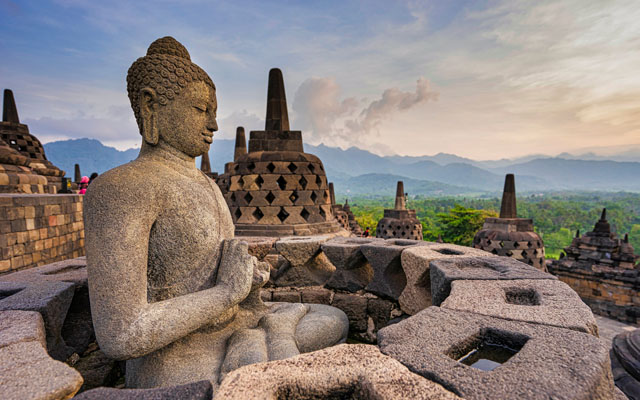
Borobudur has the potential to be a great religious tourism site if activities were created there to attract tourists
The government noted an increase in the interest of shopping trips to Thailand and South Korea by Indonesians. Additionally, around two million Indonesians a year seek treatment abroad in Malaysia and Singapore, while the demand for Umrah to Saudi Arabia also increased. Data on August 2023 shows that more than 800,000 people have made the Umrah trip, where the average package price is 25-35 million rupiah (US$1,597-US$2,240) per person.
To court shoppers, the government is creating shopping destinations in Indonesia through the promotion of events like the Jakarta Great Sale Festival, which has been going on for several years and Kepri Great Sale in Batam, which is under planning.
The government is also boosting the medical and wellness tourism sector to encourage Indonesians to seek medical treatments locally – the Sanur Special Economic Zone development featuring international hospitals is an example of such an effort.
To attract religious travellers, Indonesia is showcasing Borobudur Temple as the centre of Buddhist religious tourism in the world, with more than half a billion Buddhists in Asia as potential visitors to the temple. This way, more tourists will be encouraged to visit for spiritual and cultural experiences, which in turn helps generate income and promotes the cultural heritage of Indonesia.
In response to the initiatives, Jongki Adiyasa, board member of the Indonesia Inbound Tour Operator Association (IINTOA), said “the mindset needs to be corrected first”.
Jongki said the government should instead focus on providing facilities for the trade to promote Indonesia abroad more.
Heben Ezer, head of the inbound and domestic division of the Association of Travel Agents in Indonesia (ASTINDO), opined that the government should maximise promotional budgets, such as by providing discount vouchers for groups handled by tour companies and in collaboration with outlets like Bellagio, Sarinah Department Store or Grand Indonesia shopping complex.
“This way, Indonesians do not need to go to Johor (Malaysia) to find premium shopping outlets,” he said.
And to advance health tourism development, Indonesian hospitals need to improve their services to match what is available in neighbouring countries.
Citing an example, Heben said: “Indonesians go (abroad) for treatment because they feel comfortable with the (better) and measurable treatments that they get compared to (their own home country).”
Heben added that hospitals in Malaysia also provided treatment packages.
He urged collaborative efforts among health and wellness service providers and travel trade players for the positive development of health tourism in Indonesia. Furthermore, he said wellness facilities should not only be developed in Bali but across Indonesia.
Regarding the development of religious tourism, Heben raised the question of how to encourage more Buddhists from around the globe to visit Borobudur when the Indonesian Buddhists only perform rituals at the temple during the Vesak festival.
Wayan Suena, president director of Indonesia Impression, pointed out that Borobudur, the oldest Buddhist site, could be a great religious tourism site if activities were created there, for example, morning meditations.
He said: “Religion is related to prayer (as well as a) psychological experience. Develop more religious activities so guests will stay around Borobudur longer, but make management less rigid.”
Jongki agreed that Borobudur could very well be made into a religious tourism site but there must be a clear concept first.
“Regulating religious destination areas must be clear. (We need to) take into account the daily visitor quota and the arrangement of plots for certain sects because they have their (own) occupied places,” he added.
The interim budget 2024-25 recently presented by Indian finance minister Nirmala Sitharaman has drawn mixed reactions from the country’s tourism industry. While the focus on infrastructure development received appreciation, key demands of the past like industry status and rationalisation of taxes were once again overlooked.
As per the interim budget, states will be encouraged to take up comprehensive development of ‘iconic’ tourist centres, and to brand and market them on a global scale. A framework for rating based on quality of facilities and services will be established too.
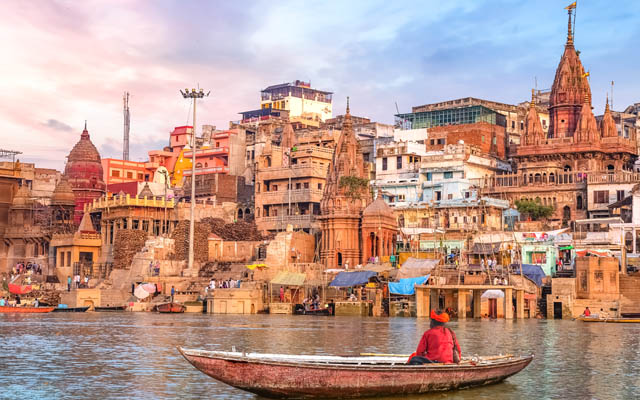
India’s interim budget 2024-25 has overlooked key demands by tourism stakeholders; Varanasi, India, pictured
The Indian finance minister also announced that 400,000 normal rail bogies will be converted to the high-speed Vande Bharat standards to enhance safety, convenience and comfort of passengers.
Mahesh Iyer, managing director & CEO, Thomas Cook (India), said: “An important highlight of the interim budget is the government’s plan to provide long-term interest-free loans to states for the development of iconic tourism centres and promotion on a global standard – these will be a key driver for expanding tourism circuits across the country.”
In order to boost domestic tourism, the Indian government plans to introduce projects for port connectivity, tourism infrastructure, and amenities on islands like Lakshadweep.
“The projects to enhance connectivity in the country through the development of airports, railways metro lines, ports in our unexplored islands and tourism infrastructure, will enhance demand and generate employment. We are also optimistic about additional futuristic support from the government in granting infrastructure status to hospitality and tourism, which will help us achieve a long-awaited status,” said KB Kachru, chairman emeritus & principal advisor, Radisson Hotel Group, South Asia. For the unversed, having an industry status facilitates easier access to loans with interest subsidies besides helping to reduce costs of hospitality projects.
On the other hand, the Travel Agents Association of India (TAAI) expressed disappointment over the lack of relief for travel agents in terms of not withdrawing the increase in Tax Collection at Source (TCS) rates on overseas tour packages.
“Even though announcements have been made regarding infrastructure development for the tourism industry, we expected the government to look into our concerns for the last two years, like the increase in TCS rates on overseas tour packages, which impacts travel agents operating in India, making them non-competitive,” said Jyoti Mayal, president, TAAI.
The Indian government introduced the new TCS rates from October 1 last year, increasing it from five to 20 per cent. Since then, TAAI has requested the government to withdraw the steep hike through various pleas.
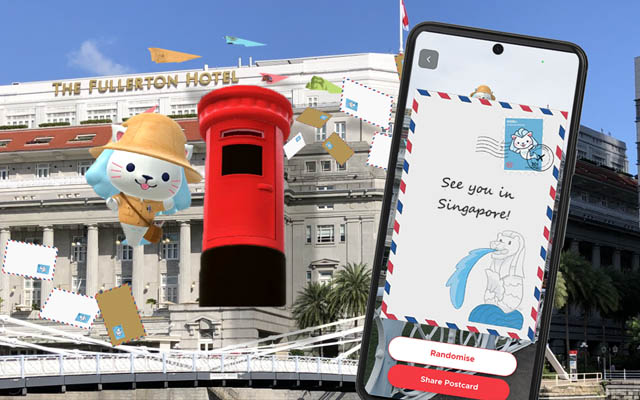
The Singapore Tourism Board (STB) is bringing authentic Singapore experiences to life in augmented reality (AR), powered by Google’s ARCore Geospatial AI, allowing inbound travellers to discover new sights at the touch of their fingertips around landmarks in the city.
STB is one of the first tourism partners in Google’s ARCore Early Access Programme, which empowers developers to build location-based AR experiences across more than 100 countries without having to ever physically be there.
Visitors can send out virtual postcards to loved ones with Singapore’s new AR experiences
Visitors to Singapore can download the Visit Singapore Travel Guide app and join the Merli mascot on a tour through six stops to uncover Singapore’s historical, cultural, and culinary experiences, as well as interact with nuances of the city’s heritage and modernity, right from their devices.
Some of the experiences include exploring the site of Singapore’s first-ever post office, now the iconic Fullerton Hotel, and send out postcards to loved ones virtually; see a life-sized bumboat and uncover the historical significance of the Singapore River at the Great Emporium stop; unveil hidden gems like the Peranakan Tile Gallery, a local Chinatown business featuring tiles salvaged from demolished shophouses; and feast eyes upon the recommendations for must-try hawker dishes at the Maxwell Food Centre.
Saudi Arabia is on course to welcome an estimated 30 million overnight tourists this year, and delegates from around the world are preparing to capitalise on this momentum and explore opportunities within the Kingdom’s thriving tourism sector at Arabian Travel Market (ATM) 2024, which will take place at Dubai World Trade Centre (DWTC) from May 6 to 9.
ATM 2024 will host a selection of exhibitors from Saudi Arabia, including Saudia, flynas, Neom, Dur Hospitality, AMSA Hospitality and the Royal Commission for AlUla.
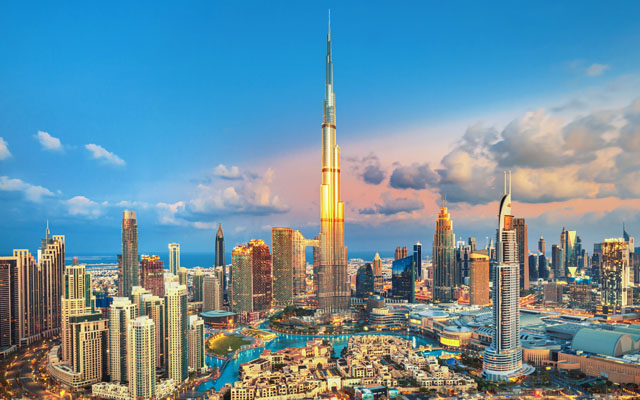
ATM 2024 will take place at Dubai World Trade Centre from May 6 to 9; Dubai, the UAE pictured
With the theme Empowering Innovation: Transforming Travel Through Entrepreneurship, the 31st edition of ATM will once again host policymakers, industry leaders and travel professionals from across the Middle East and beyond – from start-ups to established brands, the upcoming show will highlight how innovators enhance customer experiences, drive efficiencies, and accelerate progress towards a net-zero future for the industry.
There will also be a dedicated Saudi Village on the exhibition floor which will showcase Saudi products, as well as a range of panel discussions that will enable attendees to identify and capitalise on new opportunities in the Kingdom.
Danielle Curtis, exhibition director, ATM, said: “We are looking forward to welcoming a diverse range of exhibitors and delegates from Saudi Arabia to ATM 2024, and we know that industry leaders from around the world will be keen to gain further insights into this thriving market throughout this year’s show.”
Following positive load factor performance and increasing demands on its Trivandrum-Kuala Lumpur route, Malaysia Airlines will double the current frequency on this route starting April 2.
The inaugural flight, which commenced in November 2023 with twice-weekly services, will be boosted to four a week.
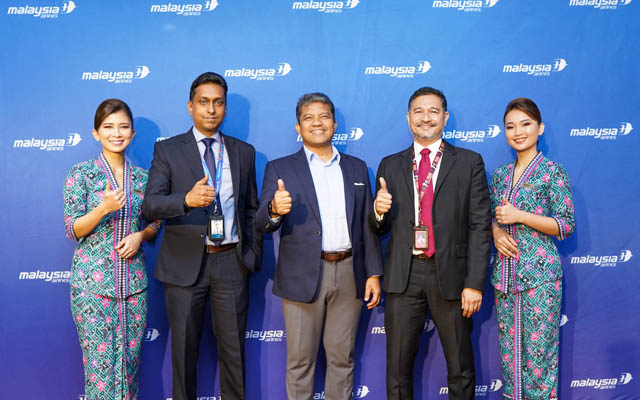
Malaysia Airlines will double the frequency for the Trivandrum-Kuala Lumpur route
This will bring the airline’s connectivity into India to 71 flights weekly. Currently, the airline offers flights to nine major hubs in India, including New Delhi, Mumbai, Bengaluru, Chennai, Hyderabad, Kochi, Ahmedabad, Amritsar and Trivandrum.
Dersenish Aresandiran, chief commercial officer of airlines of Malaysia Aviation Group (MAG), said: “India remains an integral part of Malaysia Airlines’ global network. With the introduction of the additional frequencies into Trivandrum, we will be strengthening our connectivity into India with 71 weekly flights from nine key hubs.
“Furthermore, we are thrilled to introduce special fares for Indian travellers, providing them enhanced flexibility and travel options to explore the beauty of Malaysia; strengthening our position as the gateway to Asia and beyond. As we aim to capture the growing demand from India, we are committed to ensuring that customer experience remains our top priority driven by our inimitable Malaysian hospitality.”
To celebrate the increase in flight frequencies, Malaysia Airlines is offering special promotional fares for Indian travellers to explore Malaysia. Enjoy fares to Kuala Lumpur from Trivandrum starting from 12,999 rupees (US$156) all-in return, or from Ahmedabad starting from 21,799 rupees all-in return, available for purchase from now until February 11 for travel up to May 12.
Cathay Pacific will restart its Singapore-Bangkok flights from March 31.
The daily flights will retain their pre-pandemic flight timings, with CX712 departing from Singapore Changi Airport at 13.25, and CX717 from Bangkok Suvarnabhumi International Airport at 11.55.
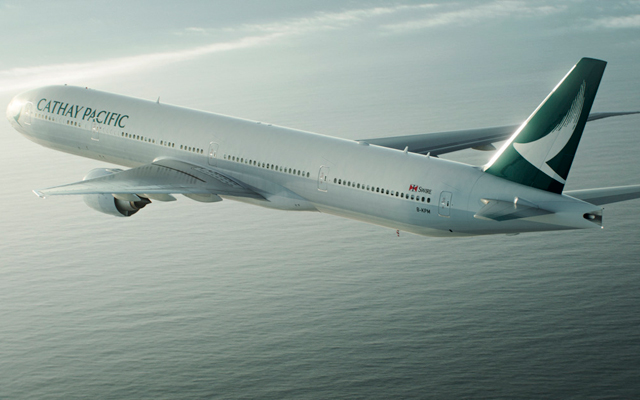
Cathay Pacific will resume daily Singapore-Bangkok services
These flights will be operated on aircraft which offer flatbeds in Business Class, as well as a Premium Economy cabin.
M Social Decentraland invites players to explore the virtual oasis of Phuket in the metaverse, with the launch of The Vacay Collection experience.
The Vacay Collection welcomes visitors to immerse themselves in M Social Decentraland, mirroring the real-world charm of M Social Phuket, for a chance to unlock rewards and win prizes through mini-games.
Players can visit M Social Decentraland for a chance to win rewards through mini-games
Prizes include 20,000 My Millennium Points, dining vouchers at M Social Phuket’s restaurants, and the grand prize – a luxurious two-night stay at the newly-opened M Social Phuket.
Upon arrival, players can bask in the virtual sun, stroll along sandy beaches, relax by the pool, and enjoy the serene palm trees swaying in the digital breeze.
Pjey Mayandi, general manager of M Social Phuket, commented: “By giving our tech-savvy travellers the opportunity to step inside our hotel and uncover the wonders of Phuket before they book, we can inspire even more visitors to explore this dream destination.”
“Our purpose is to find new customers and engage them creatively with new channels. Offering participants the chance to win exciting prizes in a delightful and engaging manner, this campaign invites everyone to partake in a truly enjoyable and interactive experience,” said Saurabh Prakash, senior vice president, global – marketing, revenue & digital innovation, Millennium Hotels and Resorts.