Experts stress importance of crafting content according to platform used
Experts stress the importance of crafting content according to platform used
The travel consumer of today demands personal and frictionless interaction across multiple media channels, and this is a primary concern industry players are urging their colleagues to take heed.
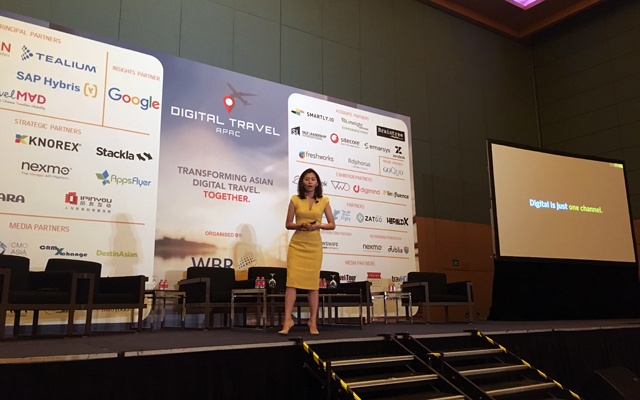
“Travellers expect personal interaction regardless of device and channel, but it has to be contextual. They expect every channel to work frictionlessly,” observed Rita Marini, head of GTM marketing, APJ & GC, SAP Hybris, at Digital Travel APAC last week.
Contextual marketing, a buzzword at the conference, refers to interactions with customers tailored according to the platform of use, as well as the data accrued from the customer’s behaviour on the platform.
Today’s consumers expect ‘frictionless’ experience across different channels
For example, KLM uses contextual communication within its app – powered by Nexmo – to gain intelligence on the user’s behaviour within the app before contacting customer service, in order to better aid the customer. KLM’s customer service is also integrated into its omnichannel platforms, such as in-app chats or SMS.
Having a contextual strategy makes it “easier (for companies) to track which channels, countries and markets are most receptive to the campaign, so (they) can reassign marketing dollars effectively”, advised Francisco Kattan, head of platform marketing, Nexmo.
This can prove more challenging when it comes to distributing marketing content across different source markets, which may pose language differences and cultural preferences.
Dyson Yu, vice president, digital marketing & e-commerce, Wynn Resorts, recommended: “To target different markets, (the content must) stay relevant to the platform being used – whether it’s WeChat, Facebook, Instagram, Line or Kakaotalk – and (the company must) determine the primary channels for their target markets.
“Also, companies should not literally translate content across channels. Instead, you should totally rewrite and recreate content that is more relatable to different audiences,” Yu said.
Emaar will enter India mainly though management agreements
UAE-based Emaar Hospitality Group is looking to enter key Asian markets including India and China as part of its expansion plans.
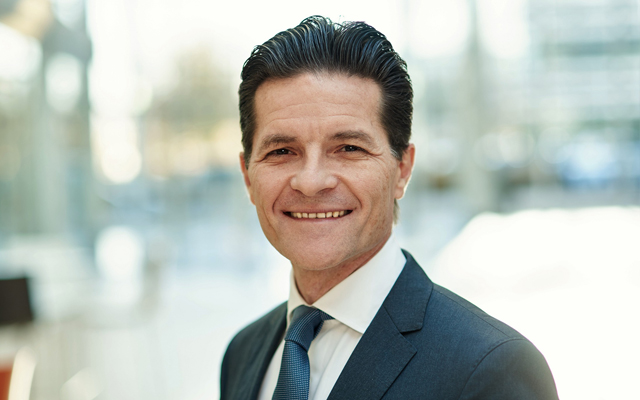
“We are looking to expand into new international markets by leveraging our brand recognition. India and China both are major source markets for us. Though there are no projects that we can announce in these markets yet, we are looking at possibilities in major cities in these two countries,” said Olivier Harnisch, Emaar Hospitality Group’s CEO, speaking on the sidelines of the Arabian Travel Mart in Dubai.
Emaar will enter India mainly though management agreements
For India and China, Harnisch sees good opportunity to develop Emaar’s three brands, namely the premium luxury Address Hotels + Resorts, upscale lifestyle Vida Hotels and Resorts; and contemporary midscale Rove Hotels.
In particular, he is excited about the prospects of Rove Hotels in the Indian market.
“We are looking to enter the Indian market through a joint venture or a management contract. In fact, a lot of hotels in our development pipeline will be managed. Our focus will be on management contracts going ahead,” shared Harnisch.
The group recently announced its foray into the Maldives with the Address Madivaru Maldives Resort, a 75,000m2 property with a dedicated spa island and water sports island, scheduled to open in 2020.
At present, Emaar Hospitality Group has 12 operational hotels in the UAE, and three serviced residences operational in Dubai. Globally, the group has 36 projects in the pipeline.
Satun Geopark known for abundance of fossil species
UNESCO has designated about half of Satun province as Thailand’s first Global Geopark for its renowned natural beauty and geological significance.
Satun UNESCO Global Geopark is located in the Satun province of southern Thailand, comprising four districts (Thungwa, La-ngu, Manang, and part of Mueang Satun) including two national parks and one wildlife sanctuary. Altitudes reach up to 732m, with mountains and foothills characterising the eastern and northern areas, while beaches and coastal islands dominate the Andaman Sea part of the Geopark.
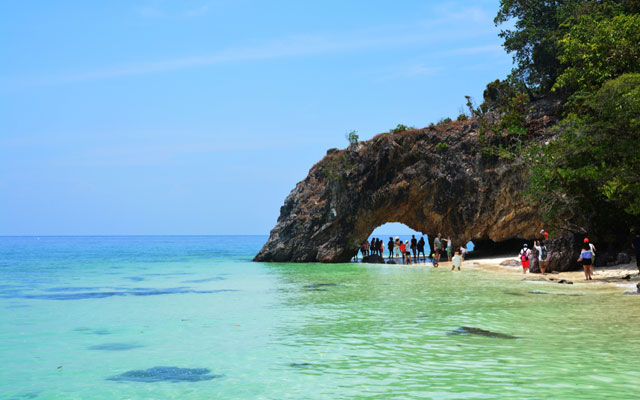
Satun Geopark is known for its abundance of fossil species
The UNESCO website describes the Satun Geopark area as “a peaceful place with renowned natural beauty”, renowned for its abundance and high diversity of fossil species as well as for the oldest succession of fossils.
Prasat Hin Panyod, characterised by a spectacular pinnacle karst landscape, including a stunning sea cave and hidden lagoon that can be visited by kayak, is singled out as the most important geosite.
Yuthasak Supasorn, Tourism Authority of Thailand (TAT) governer, said in a statement: “UNESCO designation is a great honour that can only help ensure sustainable tourism growth, which the TAT feels is definitely something worth supporting and celebrating.”
In total, the UNESCO executive board in Paris endorsed 13 new sites worldwide as new UNESCO Global Geoparks, eight of which are in Asia including Cao Bang (Vietnam), Izu Peninsula (Japan) and Rinjani Lombok (Indonesia).
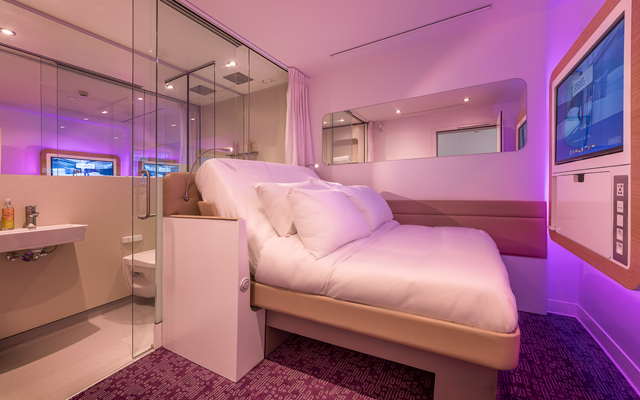
The hotel will be the Yotel’s largest airport hotel
London-based hotel group Yotel has announced plans to open a hotel with both airside and landside access in the forthcoming Istanbul New Airport (INA).
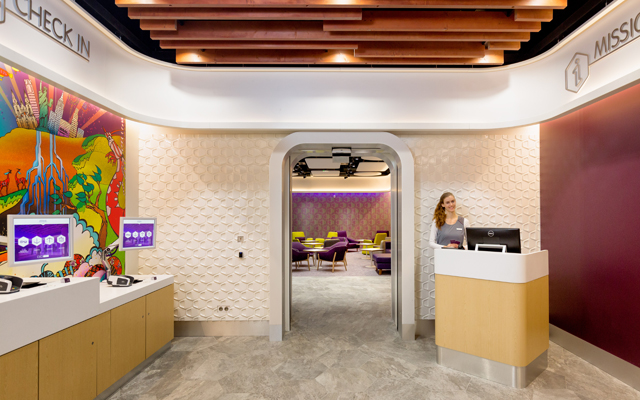
The hotel will feature a total of 451 rooms in two zones, one airside (102 rooms) and one landside (349 rooms). Both parts of the hotel will feature Yotel’s signature Club Lounge concept with smart vending, co-working and relaxing areas, wellness centres and planted glazed atriums.
In addition, the landside zone will include a restaurant, bar and 24/7 gym. There will also be flexible meeting spaces with seamless technology available.
The new Yotel will feature 451 guestrooms
At press time, date of completion has yet to be announced.
Yotel’s first investment in Turkey will also be its largest airport hotel. The company currently operates four airport hotels under the Yotelair brand in London Gatwick, London Heathrow, Amsterdam Schiphol and Paris Charles de Gaulle airports.
Meanwhile INA, scheduled to open on October 29 this year, will replace Ataturk Airport when it opens in October 2018. The capacity of INA will be expanded up to 200 million people once all four phases are completed and will have a total of six runways and three terminals.
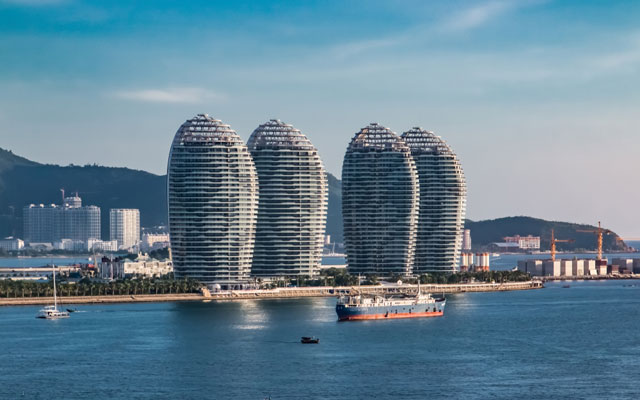
Hainan will from May 1 offer 30-day visa-free access to 59 countries including Russia, Britain, France, Germany and the US, a move that is expected to bolster tourism to China’s southernmost province.
Countries included in the list include Russia, Britain, France, Germany and the US.
The government aim swants to attract more international tourists and nurture the tourism industry; Hainan, Sanya pictured
Under the new policy, group or individual tourists can visit Hainan visa-free and stay up to 30 days provided they book their tour through travel agencies.
The province has implemented a 15-day visa waiver policy for group visitors from 21 countries since 2000, and added another five countries to the list in 2010.
Last year, Hainan received nearly 320,000 tourists from the 26 countries with visa-free access, 3.5 times the number recorded in 2016. Tourists from Indonesia, Kazakhstan, Malaysia, South Korea and Russia accounted for more than 90 per cent of the total.
Meanwhile, more direct flights are being planned to countries with visa-free access. Hainan already has 57 international flights to countries including Germany, Malaysia and Thailand, with plans for at least 16 new overseas routes this year. It aims to have at least 100 overseas routes by 2020.
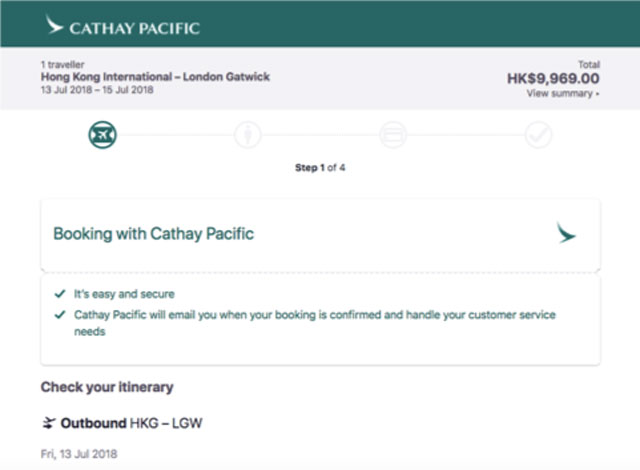
The new integration means that both airlines become the first Hong Kong-based carriers to be able to sell tickets directly within Skyscanner,
Cathay Pacific Group has signed on to Skyscanner’s Direct Booking Platform, which will enable Cathay Pacific and Cathay Dragon to sell tickets directly within the travel metasearch site across both web and mobile channels.
This makes it easier for travellers to research, choose and immediately book itineraries within Skyscanner without having to redirect to supplier sites.
Both airlines become the first Hong Kong-based carriers to be able to sell tickets directly within Skyscanner
The first phase of the roll-out is complete and is available to Cathay Pacific and Cathay Dragon customers and Skyscanner users in 40 markets, including Hong Kong, Australia, Canada, Japan, Singapore, Taiwan, the UK and US.
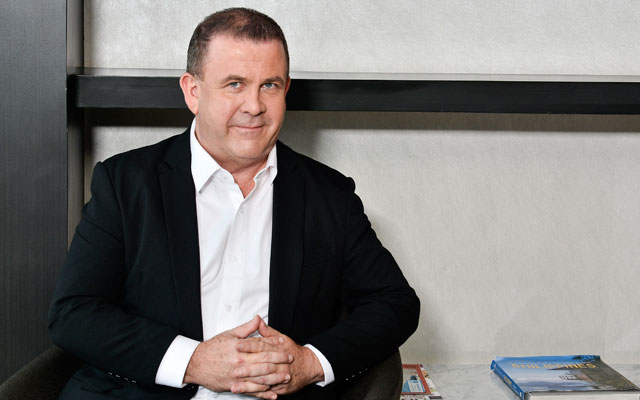
Hilton Manila has rounded off its management team by appointing veteran hotelier Simon McGrath as general manager, in time for the brand’s return to the Philippines in 3Q2018.
McGrath was previously general manager of DoubleTree by Hilton Johor Bahru.
Simon McGrath
Joining McGrath are Joanne Gomez, director of business development in charge of sales and marketing. She was previously general manager of Ascott Makati.
The 357-key Hilton Manila will be located within the Resorts World Manila complex.
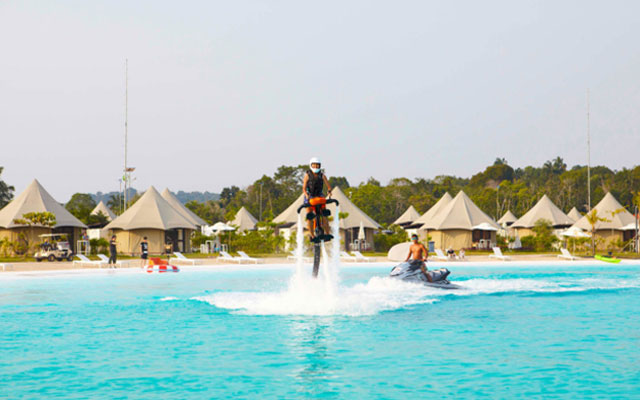
Activities such as flyboarding can be done in the Crystal Lagoon
Bintan Resorts, which has traditionally relied on Singapore and its hub status for arrivals, is now playing up its beach destinations and ability to host large family and corporate groups to attract more travellers from Indonesia’s domestic market.
This was revealed at a sales mission that Bintan Resorts organised last Friday, which marked the start of the company’s major marketing activities this year across six cities in Indonesia (Jakarta, Surabaya, Bandung, Yogyakarta, Batam and Medan). A new destination video showcasing the best of Bintan Island was also unveiled.
Crystal Lagoon, one of the Bintan’s newest attractions, can be a draw for domestic travellers
Donny Tan, manager marketing, Bintan Resorts International, said: “We realised that Indonesians enjoy beach resorts now. Ten years ago, we did not see Indonesians travelling to places like Raja Ampat or Belitung. Now, they go to these places. We have a big market here at home, so why not tap into it?”
Tan believes that with latest developments such as the Crystal Lagoon – the biggest recreational seawater body in South-east Asia – Bintan has much to offer to the domestic market.
Other new attractions that opened in 1Q2018 include Rumah Imaji, a trick-eye museum with more than 50 optical illusions of the Riau Islands’ culture and heritage; and Food Gram, a F&B outlet in Plaza Lagoi shopping centre.
As for Tom Panggabean, sales manager of Banyan Tree Angsana and Cassia, the Indonesian market, mainly the corporate sector, makes up around five per cent for the resort. “We are now opening ourselves to the leisure, family and FIT markets, too, apart from growing our existing corporate market,” he said.
“We believe that our new Cassia Bintan, which has a serviced apartment concept, suits the Indonesian market well,” he added. “They like to travel together (with friends or families) and share a room, enjoy cooking their own meals, and it is the most affordable (compared to Laguna Bintan’s Banyan Tree and Angsana).”
Dylis Low, sales manager of Treasure Bay Bintan, which also participated at the Bintan Resorts sales missions, shared that current Indonesian visitors to Bintan mainly hail from nearby Tanjung Pinang and Batam, and they head to the island for attractions such as The Chill Cove @ Treasure Bay Bintan and Crystal Lagoon on the weekends.
“However, we want to grab the markets from other cities in Indonesia like Jakarta. The resort has ongoing marketing campaigns to reach out to the Indonesian corporate groups, families and adult travellers,” Low added.
Siargao, Mindanao - Philippines - March 1, 2016: A local tour guide assists a German surfer couple off the boat on Daku Island, part of an island hopping tour in the Southern Philippine Islands.
Travel consultants have warmed up to the new marketing campaign for Mindanao – Go South Philippine Islands – targeted at millennials and adventure seekers, although they believe that it will take time to entice travellers from overseas.
“We haven’t seen a marketing blitz for all of Mindanao for a long time so that’s great especially for the domestic market, but a number of countries still have travel advisories against certain areas in the south, citing the persistence of security issues,” a travel consultant commented.
A local tour guide with tourists on Daku Island, part of an island hopping tour in Siargao, Mindanao
Christine Constantino, reservation officer for domestic packages at Scorpio Travel and Tours, said the Go South Philippine Islands campaign could help shore up arrivals to Davao, which have dipped since martial law was declared there in May last year.
Bella Calleja, JTB Manila’s manager – corporate team 2 MICE, said that the inbound department is seeing more Japanese visiting Davao after Japanese prime minister Shinzo Abe visited the home of Philippine president Rodrigo Duterte last year.
“The prime minister’s visit tells them it’s safe to go. In Davao, our tours include Duterte’s home, but the most popular destination for the Japanese is still the Pearl Farm Resort. And if they want a city centre hotel, they always book the upmarket Marco Polo Davao,” said Bella.
International sporting events are also being brought to Davao to attract millennials, such as the forthcoming Strongest Man in the World competition. In March, the Alveo Ironman 70.3 Davao brought in 1,800 triathletes from 39 countries, and tens of thousands foreign and domestic spectators.
Several agencies are taking active steps to promote Mindanao in the overseas market.
Blue Horizons Travel and Tours’ new product catalogue, for instance, spotlights the surfing capital of Siargao, and also features tours of Davao, Cagayan de Oro and Camiguin.
Edna Calleja, executive vice president and general manager of Multi Destinations, said the company is planning to offer tours to the lesser-known destination of Lake Sebu, which offers picturesque lake views, seven waterfalls and has high cultural value.
Today’s travel brands are pushing to break out of their traditional categories. A hotel doesn’t want to be seen just as a place to stay any more than an airline wants to be seen not just as transport from A to B. The new name of the game is experience: those brands offering the most relevant and enjoyable experiences hold the aces in the pack.
What is more, the travel experience is no longer the purview of experienced, legacy brands. Agile new players with a tech and data-driven focus are pushing to become the go-to brand for experience seekers in the same way Airbnb did. The opportunity is huge – Airbnb’s CEO Brian Chesky expects half of his company’s revenue to come from Airbnb Trips, its experiences division, by 2020.
Even finance companies are moving in, as American Express’ recent acquisition of virtual travel assistant Mezi highlights. It’s an opportunity that travel companies can’t afford to miss out on. Just as the technology sector turns to travel, travel is turning to technology as a tool to facilitate smarter, more personalised experiences, to drive deeper customer devotion.
With this in mind, we ask: how will the travel industry evolve in 2018?
Travel will continue to evolve when alongside new technological advancements
A tale of two airlines
The divide observed between business and economy air travel is only going to grow this year, with a focus on more innovative, higher-quality experiences for those willing to pay more. Airlines are pouring funds into trying to differentiate their top-tier product from that of competitors.
Most recently, Lufthansa launched 3.7m-long business class seats and British Airways announced investment in catering and new partnerships to improve their soft product. With airlines placing a greater focus on business, it’s even possible that 2018 will see the beginning of the demise of first class, yet the beginning of a whole new personalised and exciting chapter, ‘Custom Class’ – the truly customised flight experience.
Simultaneously, airlines will continue to simplify and unbundle their economy product, helping them compete with established ultra-low-cost-carriers and new, lifestyle-oriented budget brands, such as IAG’s Level and Air France’s Joon. Doing so will be necessary if they are to continue to attract the typical infrequent flyer, primarily motivated by cost.
Yet these travellers still want an enjoyable experience and the chance to tailor their journeys as they see fit. Unbundling to deliver basic economy with ancillary services – from lounge access at the airport, to refreshments and Wi-Fi onboard – will allow customers to build the flight tailored to meet their unique demands, while retaining profits for airlines.
Frequent flyers, on the other hand, will benefit from airlines’ investments in improving their premium offerings. For these passengers, the whole customer journey, from the technology they use to the time spent on-the-ground in airports, needs to be seamless, relaxing and luxurious.
Airlines, for example, will spend more time and resources ensuring they deliver on lounge access and more seamless airport navigation through security and check-in. They’ll also look at innovative ways to extend their reach beyond the airport – be that the hours in the run up to your arrival, or even the days after you land. The opportunity for extending and improving customer engagement is vast and equally as exciting.
English: travel and technology can bring about a deeper customer devotion
Paying it forward
With the general shift in the airline industry from miles flown to pounds/dollars spent, we’re seeing a blatant shift in psyche in terms of how airlines believe their customers should be prioritised and rewarded. The risk of course is the disenfranchised consumer.
While smarter payment functionality and decoupling of solutions creates increased opportunities to earn and redeem throughout the travel journey, the challenge (as always) is balancing revenue generation, personalisation and positive customer experience. Paid for memberships is one of many solutions to this conundrum, and while it represents a huge step-change for many, it’s hard not to be inspired by the likes of Amazon Prime – the ultimate champion of the paid for membership model.
As more pounds and dollars are spent, airlines will leverage increased amounts of data through their frequent flyer programmes. This creates a huge opportunity for more targeted upsell and ancillary offers, as well as improving the appeal and presence of their programmes within members’ day-to-day lives.
Widening the availability of opportunities for both earning and redeeming loyalty points has been a key development for loyalty programmes, making them more relevant to infrequent flyers. Card-linked offers and tying the cost of flight redemptions to the commercial cost of a ticket, are two great examples of how airlines can boost revenue while also driving better engagement for their members.
Connecting the connected
For customers, greater connectivity means greater control and with it, greater personalisation. In short, it’s the route to better customer experiences and a smart way to increase revenues.
To help facilitate this trend, inflight connectivity will become mainstream. It no longer makes sense for low-cost carriers such as Norwegian to install integrated systems on their longhaul flights, which is why they weren’t included in their new 737 Max jets that fly from Europe to the East Coast of the US. Instead, inflight entertainment systems which tie into flyers’ own devices provide an easy solution that improves the travel experience, while providing another opportunity for on-the-day sales and crucial insight into customer behaviour.
The Internet of Things (IoT) holds great potential to transform the hotel experience for guests. As Hilton’s ‘Connected Room’ demonstrates, richer customer data can be used to create rooms that are personalised to individuals, from preloading content to personal greetings, all controlled from a smartphone. It’s not the only hotel moving in this direction, with most hotel chains looking to benefit from in-room IoT deployments.
These same hotel chains are also exploring how voice assistants – already a mainstay in home environments – might be used to improve guest experiences, for example advising on local points of interest. Travel companies using this voice technology will benefit from a wealth of data.
Over time, advancements in artificial intelligence (AI) will enable voice assistants to offer proactive, contextual responses to travellers, making full use of their user profile, historical patterns and real-time booking information for even better personalisation.













UNESCO has designated about half of Satun province as Thailand’s first Global Geopark for its renowned natural beauty and geological significance.
Satun UNESCO Global Geopark is located in the Satun province of southern Thailand, comprising four districts (Thungwa, La-ngu, Manang, and part of Mueang Satun) including two national parks and one wildlife sanctuary. Altitudes reach up to 732m, with mountains and foothills characterising the eastern and northern areas, while beaches and coastal islands dominate the Andaman Sea part of the Geopark.
The UNESCO website describes the Satun Geopark area as “a peaceful place with renowned natural beauty”, renowned for its abundance and high diversity of fossil species as well as for the oldest succession of fossils.
Prasat Hin Panyod, characterised by a spectacular pinnacle karst landscape, including a stunning sea cave and hidden lagoon that can be visited by kayak, is singled out as the most important geosite.
Yuthasak Supasorn, Tourism Authority of Thailand (TAT) governer, said in a statement: “UNESCO designation is a great honour that can only help ensure sustainable tourism growth, which the TAT feels is definitely something worth supporting and celebrating.”
In total, the UNESCO executive board in Paris endorsed 13 new sites worldwide as new UNESCO Global Geoparks, eight of which are in Asia including Cao Bang (Vietnam), Izu Peninsula (Japan) and Rinjani Lombok (Indonesia).
The full list can be found here.