


A growing number of venture capitalists are turning towards Asia to seek out travel technology startups to put their investment dollars in, drawn by the region’s thriving startup scene and emerging markets.
Among them is JetBlue Technology Ventures, the corporate venture capital arm of domestic US carrier JetBlue Airways, which marked its debut at the recent Future Travel Experience (FTE) Asia Expo with a competition that identified startups with viable solutions for investment.
Bess Chapman, operating principal of JetBlue Technology Ventures, remarked that Asia is a hotbed of startup innovations, especially ones that may have potential applications in the airline industry, such as customer service, loyalty programmes, Internet of Things and big-data platforms.
She added: “Biometrics (development) has been massive. Several airports in Asia, like Dubai and Changi, have already rolled out pilot (programmes) for biometrics, and I think that’s something exciting that the Asian market has to offer.”
Travel technology startups will be relieved to hear that there are “a lot of opportunities to update the antiquated airline industry”, in which airlines “haven’t been pushed” to improve their maintenance and operation processes, she said.
“We’re looking to grow our presence (in Asia). We want to be there for our startups, and the challenge in Asia is that we don’t have an office here,” she said.
Chapman shared that the FTE competition opened up potential to “expand (its) international partnership programme with new travel and hospitality brands”.
Internationally, JetBlue Technology Ventures has invested in 21 startups, and recently launched an international partnership programme to help other travel stakeholders implement selected startup technologies. Its first partner is Air New Zealand, and more will be announced in the following months.
She said 40 per cent of its investments can be applied back to JetBlue Airways’ airline operations, and that JetBlueTechnology Ventures operates separately from the main company.

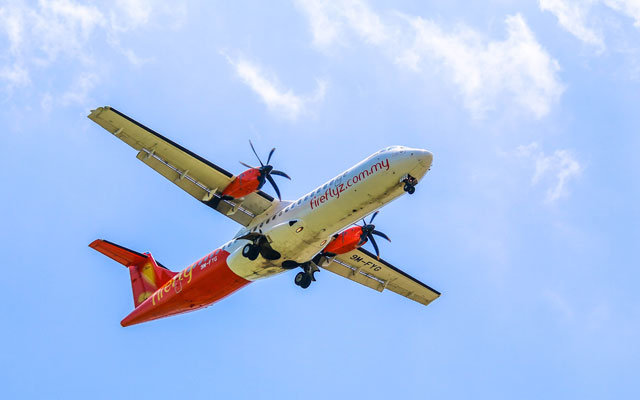
 He will replace Ignatius Ong, who joined Malaysia Airlines (MAS) as group chief revenue officer in June 2018. Ong has since then worn double hats.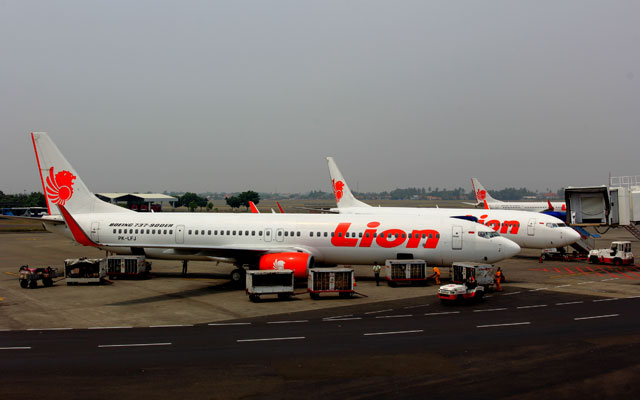














Data from the jetliner showed that the pilots appeared to struggle with an automated system designed to keep the plane from stalling – a new feature in the 737 Max family.
The Boeing 737’s nose was repeatedly forced down over two dozen times during the 11-minute flight, even when the plane was not stalling – possibly due to a faulty sensor, the report stated.
It is, however, unclear why the pilots did not turn off the automated system.
The report, which did not give a definite cause for the deadly incident, also added that it was too early to conclude if the anti-stall system had contributed to the crash.
KNKT is continuing investigations, with a more detailed report expected to be completed within 12 months.
Boeing, in response to KNKT findings, said it is “deeply saddened” by the loss of Lion Air flight 610.
“As our customers and their passengers continue to fly the 737 MAX to hundreds of destinations around the world every day, they have our assurance that the 737 MAX is as safe as any airplane that has ever flown the skies,” Boeing said in a statement.
Meanwhile, KNKT has recommended that Lion Air improve its safety culture and should ensure the operations manual is followed “in order to improve the safety culture”.
It also urged the Indonesian carrier to ensure that “all operations documents are properly filled and documented”.