As Oasia Resort Sentosa marks its fifth anniversary this September, Roy Liang, area general manager and vice president, corporate projects at Far East Hospitality Management, reflects on the brand’s move towards a more flexible, personalised approach to well-being shaped by each property and guest
 What gap in the market was Far East Hospitality (FEH) originally seeking to fill with Oasia, and how has the brand’s ethos evolved since then?
When we opened Oasia Hotel Novena in 2011 as the first Oasia property, the opportunity was to create a restorative respite within an urban environment, making Oasia a destination of choice for wellness-conscious travellers. Over the years, our core purpose remains: Empowering our guests to maintain a sense of balance while travelling. What has evolved is how these pillars are expressed across the Oasia properties, responding to each property’s setting and the needs of our guests.
In what way is the well-being experience different across the different Oasia hotels?
We don’t believe this should be delivered through a standardised set of programmes. Each development responds to its own context, locale and guest profile, while maintaining
Oasia’s focus on helping guests “Refresh, Refuel and Recharge”, with well-being integrated into the overall stay.
At Oasia Hotel Downtown, the building’s award winning biophilic design with its vertical greening and open-air spaces creates a sense of respite within the business district. Even passers-by stop to admire its “green skin”, which I personally find therapeutic. Oasia Hotel Novena takes a quieter urban approach through natural materials, calming interiors and wellness-focused touches.
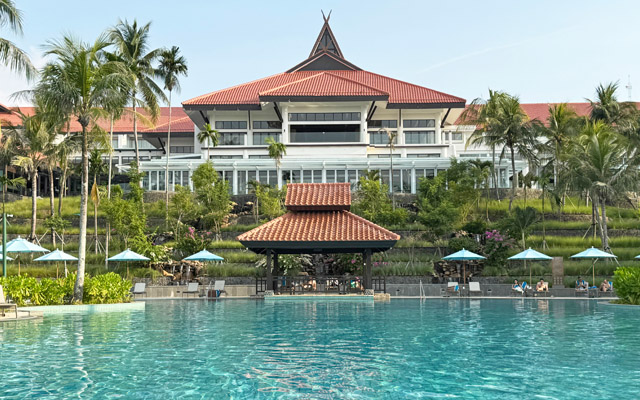
Oasia Resort Sentosa, by contrast, offers a more immersive, leisure-led stay, with the resort setting giving guests greater physical and mental separation from the city and a menu of activities they can choose from. This is also where we launched Oasia Spa, our first hotel spa brand, as we felt a dedicated spa was integral to the resort experience. We made a deliberate decision to manage it internally, to have greater control over quality and facilities.
How does Oasia Resort Sentosa make wellness available without prescribing a fixed programme?
This is shifting from an optional activity within a trip to becoming part of the decision about where to stay. This is changing how value is defined. Beyond room size, location or price, travellers are also considering whether a stay will help them rest well, enhance their overall travel experience, or return home simply feeling better.
The opportunity is therefore to build a proposition that remains relevant across different guest profiles, trip purposes and lengths of stay, rather than designing around a narrowly defined “wellness traveller”.
Sentosa guests stay an average of two to three nights, so flexibility matters. At check-in, we explain what is available, then let them decide: bath bomb-making, self-guided meditation, in-room yoga, fitness activities, Wellness Lounge workshops or Oasia Spa. For parents, well-being may be the sense of quiet after their children are asleep, so we offer discounted spa treatments during off-peak hours.
Can you share how Oasia Resort Sentosa incorporates wellness into the stay in an intuitive way beyond spa treatments and fitness classes?
For me, holistic wellness means making well-being a part of the stay itself, rather than just being something guests have to book as an activity. It should be felt in the spaces we create, how we help guests rest and recharge, the choices we offer and the way we look after them.
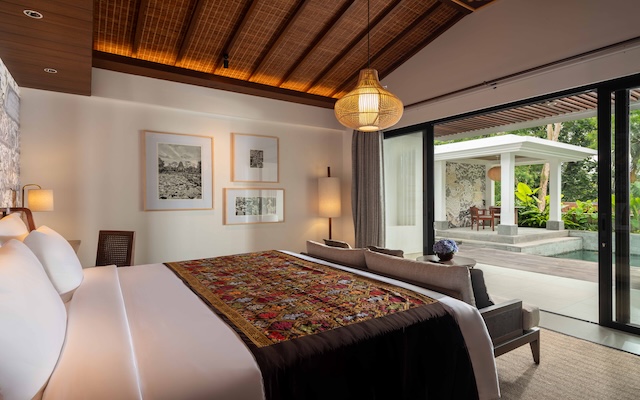
The resort’s neutral hues, natural wood finishes and integrated greenery create a calmer setting, while the minibar includes options such as coconut water and home-made dehydrated fruit to support a healthier stay.
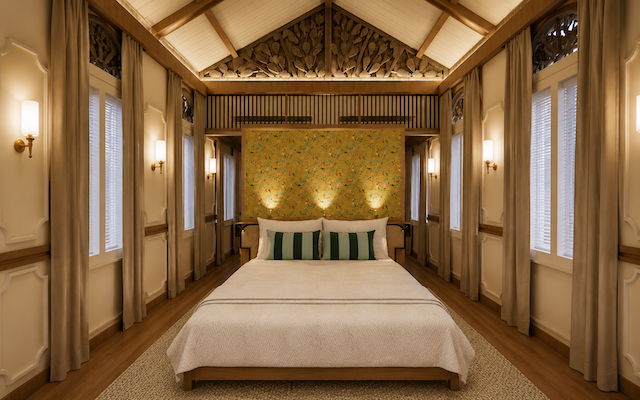
Rest and recovery are also increasingly important across the portfolio. For example, Oasia has a collaboration with Woosa Sleep where selected suites are fitted with Woosa’s sleep innovations, including mattresses with premium memory foam and adjustable bed bases, designed to address common sleep disruptors in hotels and support deep rest.
How do you see wellness hospitality in Asia-Pacific evolving?
Personalisation will become more important because guests are increasingly more specific about what they want. It may be about sleep and recovery, movement, quiet moments or even having fewer demands on their time. The implication for hotels is that programmes will need to become more flexible and responsive, rather than built around a fixed regimen.
At the same time, I expect mental restoration and self-care to become a bigger part of the conversation. Physical wellness can be implemented through gyms, spas and fitness activities. Supporting mental well-being is more complex because it depends on the overall environment, how a space feels, how much friction there is in the guest journey, and whether the experience genuinely gives people room to slow down and reset.
For FEH, this means continuing to evolve as expectations become more nuanced. The priority is to distinguish lasting shifts in guest behaviour from short-term trends and translate those with enduring relevance into meaningful experiences across our spaces, partnerships and service.
This includes continued investment in sleep quality through pillow menus and our Woosa partnership. We are also open to collaborations such as a recent partnership with Glow Festival by Prudential in Sentosa to broaden what is available to guests.