A growing appetite among younger travellers for nature, soft adventure and meaningful cultural experiences is driving demand for Vietnam’s lesser-known destinations, with domestic tourism helping to pave the way for more international visitors.
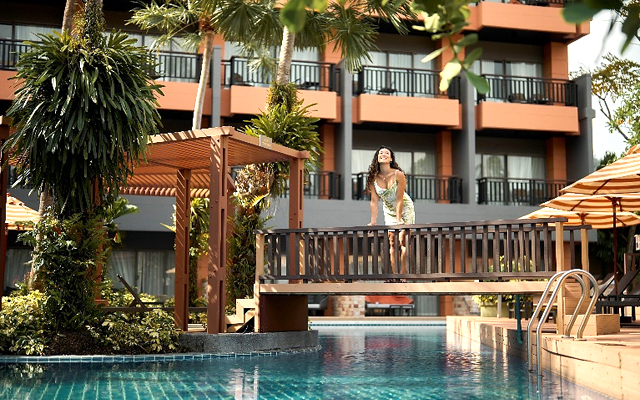
“The younger generation is more focused on relaxing and being at one with nature, which is benefitting rural areas and communities. We’re becoming more and more popular with international visitors,” Pham Nhat Nguyen, head of marketing at An Chiang Retreat and Spa in remote northern Ha Giang province, told TTG Asia at ITE HCMC 2026.
“Young international visitors are very eager to visit rural areas because the majority grew up in or live in cities,” she said, adding that Ha Giang offers opportunities to experience the cultures and traditions of different ethnic groups, alongside mountain landscapes and nature.
Nhat Nguyen said the visitor mix has shifted from being predominantly domestic to largely international, with travellers from the UK, US and Europe now accounting for the bulk of visitors. Asian markets make up about 30 per cent of the total.
Hien Pham, inbound deputy director at Vietluxtour, also noted growing interest among younger travellers from the US, Australia, Japan and Singapore in destinations beyond Vietnam’s traditional tourist circuit.
She said the growth of community-based tourism in recent years had initially been driven by domestic demand, but the segment is increasingly resonating with international visitors seeking more authentic experiences.
“They are seeking more remote areas where they can engage with local communities, have a cultural exchange and more meaningful experience,” Hien said.
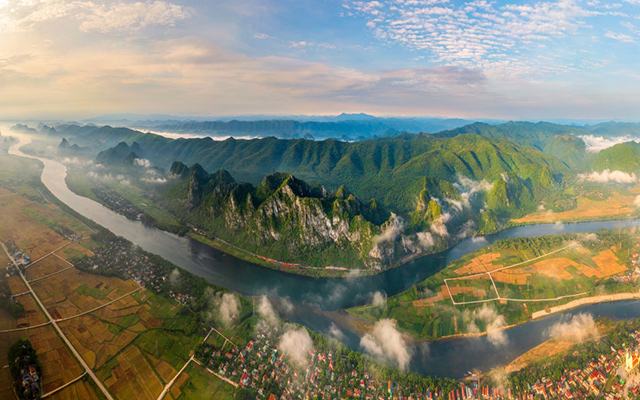
Phong Nha-Ke Bang National Park is also attracting a new generation of visitors looking beyond its famous caves, according to Anh Nguyen of the Phong Nha Tourism Authority.
While the park in Central Vietnam is home to some of the world’s largest caves, including Son Doong and Phong Nha, she said visitors from Australia, New Zealand, the US and the Netherlands are increasingly seeking soft adventure activities, such as trekking, camping, kayaking and cycling.
“Visitors have always come for the caves, but now we have more adventure activities, and are seeing an increase in international markets wanting to stay more nights and explore the wider area,” she said.