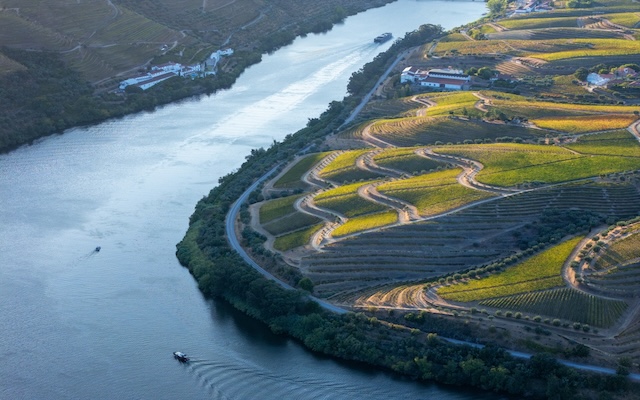
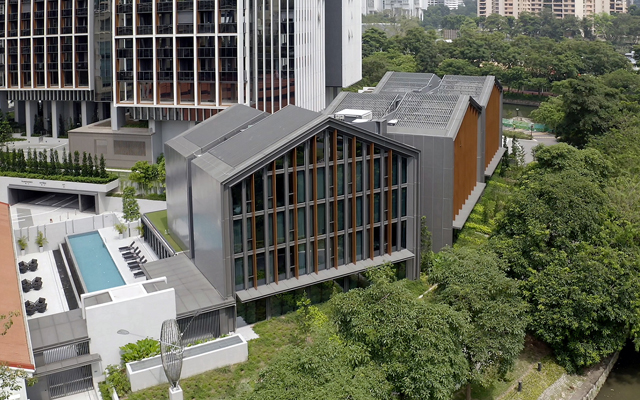
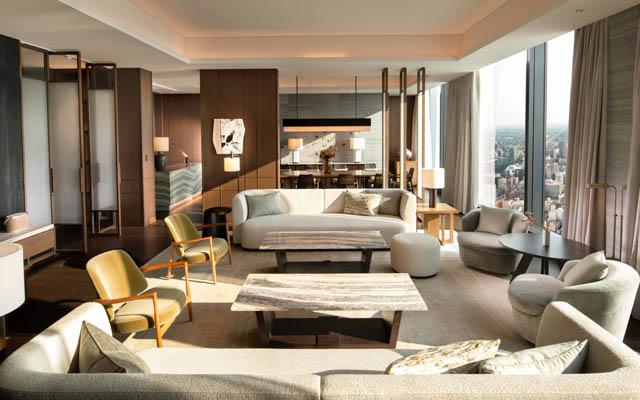
Following an investment of more than US$100 million, tulåh opened in Kozhikode, Kerala, earlier this year – founder and chairman of Tulah Clinical Wellness and KEF Holdings, Faizal Kottikollon, discusses the retreat’s approach to Ayurveda, ambitions to position Kerala as a global wellness destination, and demand from both Indian and international travellers
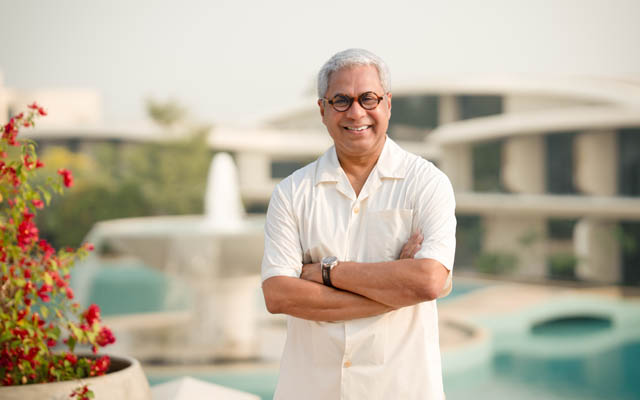
 What made you introduce tulåh and how has the response been for the retreat since its opening?
The honest answer is that tulåh came from a deeply personal place. Years of incorrectly practised yoga had compressed my vertebrae to the point where doctors saw no option other than surgery. I am an engineer by training, so I am always searching for a better solution. This made me turn to Ayurveda, the healing system that Kerala, my home state, has practised and perfected for thousands of years. It worked. That experience fundamentally changed how I think about health. The world didn’t have a facility where clinical intelligence and ancient healing wisdom were not separate offerings, but one seamless, integrated experience. That integration is the idea at the heart of tulåh.
The response has been humbling. The domestic market, particularly Mumbai, Delhi and Bengaluru, has outperformed our projections. There is a more sophisticated Indian wellness traveller today than people realise, someone who has seen the world’s best and is genuinely excited that something of this depth now exists at home. Internationally, the GCC has been strong, which is natural given our connections there. Europe, particularly the UK and Germany, is building steadily. We have only scratched the surface.
What sets tulåh apart from other retreats in the region?
Kerala has an extraordinary wellness heritage. But most destinations, even the finest, offer spa experiences with Ayurveda layered on top. At tulåh, there is no separation between the clinical and the wellness. Panchakarma, genome mapping, sessions with our psychologists and movement therapy are not different tracks. They are one programme, designed together by a multidisciplinary team. Spanning modern medicine, Ayurveda, functional medicine, psychology, traditional Chinese medicine, nutrition and movement science, this team sits together and thinks together. That model is rare anywhere in the world.
We have also invested in innovation at a level not seen before. Our engineering team designed and globally patented the world’s first Ayurvedic Vichy Bed. Therapies such as hyperbaric oxygen and photobiomodulation are fully integrated into the healing philosophy, not added as novelties.
How do you balance authentic Ayurvedic practices with the expectations of modern luxury travellers?
I would challenge the word “balance” because it implies compromise, and we have made none. Ancient knowledge is not something we have adjusted; we respect it completely. What modern diagnostics do is give it even greater depth and precision. Where we have genuinely set a new standard is in delivery. I have travelled extensively and experienced what passes for the finest in luxury wellness globally. I came back knowing exactly what was missing. That understanding is built into every element of tulåh.
The herbs used in our treatments are grown in our own medicinal gardens on the estate. The food is therapeutically intentional and prepared with the care you would expect from any world-class culinary experience. The architecture has no sharp edges or hard corners. A well-travelled guest will arrive and immediately feel that they are in exceptional hands.
How are local culture and traditions integrated into the guest experience?
For me, tulåh is a platform to showcase India to the world. Every artist on our walls, every musician in our lounges and every cultural installation a guest encounters is Indian. Someone who travels from London, Tokyo or Dubai to tulåh leaves with a relationship to Indian art and culture they did not arrive with.
Cultural programming runs through the entire guest journey, not as an add-on, but as part of the healing itself. Art, music and creativity – this is medicine at tulåh. Guests participate in art sessions during their stay. They visit the spice markets of Kozhikode, home to one of the world’s oldest trading ports. They explore the Malabar region with local historians who carry the story of this place in their bones.
What kind of travellers are you targeting?
Our guest is someone for whom health is a serious priority, not a passing interest. Typically, they are high-achieving professionals, executives and entrepreneurs, people who understand that their greatest asset is their well-being and want to invest in it with the same rigour they bring to everything else. Many have already experienced the world’s finest wellness destinations and are looking for something with greater depth and measurable outcomes.
Corporate wellness is a growing opportunity. Burnout among senior leadership is real, and organisations are beginning to take it seriously. The international medical wellness traveller, someone who comes to Kerala specifically for therapeutic reasons and wants that combined with world-class diagnostics and genuine luxury, is also a strong and growing segment.
Post-pandemic wellness has become one of the key reasons for people to travel. What kind of trends are you noticing in the wellness segment?
The shift from reactive to preventive healthcare is accelerating; Covid made that permanent. People no longer want to wait until they are ill. Longevity science and health optimisation are becoming mainstream, not just for the ultra-wealthy. The appetite for genuinely integrated approaches, where ancient wisdom and modern science collaborate rather than compete, is growing strongly.
Stays are also getting longer and more serious. The shift is away from three-night breaks towards seven-, 14- and 21-day programmes where real transformation is possible. That is where we operate. And India, as a wellness destination, is having its moment. I believe tulåh is part of a larger story about India’s rightful place as a world leader in integrative health and healing.
Do you have plans to expand your wellness offerings in other parts of the world?
When we think of the expansion of the tulåh brand, we certainly think globally. The need for preventive care is a global concern, and we see ourselves eventually being accessible in major global hubs such as London, Dubai and Singapore. This allows our guests to monitor their progress and have accountability and autonomy over their own healthcare.
Our expansion model is about building a global network of integrated wellness, within which a guest’s health journey continues wherever they are in the world. We want tulåh to become part of how people live, not a destination they visit once and forget, but an ongoing framework for how they relate to their own health.