Ascott’s ongoing quest to be a more inclusive employer has been recognised by SG Enable – the focal agency for disability in Singapore – through the Enabling Mark (Gold) award, which is regarded as the highest tier of Singapore’s national disability-inclusive employment accreditation.
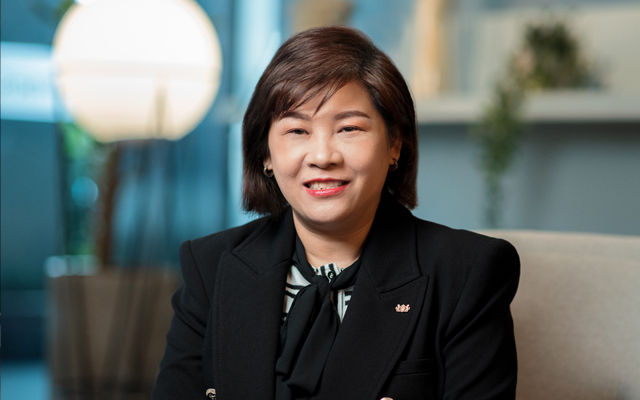
Linda Ong, director of human resources with Ascott, said the award “reflects the collective progress Ascott has made in embedding disability-inclusive practices across hiring, workplace support and employee development” in Singapore.
Ascott’s inclusive hiring efforts include its 2024 MoU with SG Enable to establish disability inclusion and accessibility standards in hospitality. Over the course of the partnership, Ascott and SG Enable collaborated across five key pillars: Inclusive Spaces, Inclusive Programmes, Inclusive Digital Interfaces, Inclusive Hiring and Inclusive Training.
Initiatives undertaken across these five pillars include the creation of a secure platform that allows associates to voluntarily self-identify as persons with disabilities; upgrading the Discover ASR booking platform to show properties’ accessibility features, in accordance to globally recognised Web Content Accessibility Guidelines (WCAG) 2.1 AA standards; and ensuring that all frontline associates complete disability awareness training by 2027.
Additionally, the lodging specialist worked with disability inclusion specialist, Colorful Earth, to assess where change was most needed across its Singapore operations. This included a review of policies, systems, training materials, and ESG disclosures, alongside 31 in-depth interviews with teams at headquarters, regional offices, and properties.
Insights from these activities informed the eventual production of the Ascott Disability Inclusion Playbook, which was introduced in November last year. The playbook ensures realistic and usable applications in hospitality operations, and “serves as an internal guide to improve accessibility across our global portfolio”, shared Ong.
A public version of the playbook was also produced with inputs from external partners, including SG Enable, Workplace Safety and Health Act and The Valuable 500, incorporating case studies from across the industry.
Reflecting on the significance of the SG Enable award, Ong told TTG Asia: “It independently recognises that inclusion has become embedded within business operations rather than existing as an isolated CSR initiative.
“The accreditation also places Ascott Singapore among organisations formally recognised for embedding inclusive hiring and workplace practices, providing external validation for employees, leaders and partners who have contributed to the journey.”
She continued: “The recognition reinforces that disability inclusion and business performance can go hand in hand. This aligns with Singapore’s broader push towards greater disability inclusion under the Enabling Masterplan 2030, which encourages organisations to create more inclusive environments and employment opportunities for persons with disabilities.”
Ascott’s disability inclusion and accessibility transformation has had its own challenges, recalled Ong.
She detailed: “Attracting and retaining talent with disabilities remains an area that requires ongoing focus. The hospitality industry is not always perceived as an accessible or viable long-term career option, and misconceptions about job requirements may discourage qualified candidates with disabilities from pursuing opportunities in the sector. To address this, Ascott Singapore works closely with agencies, educational institutions, and community organisations to strengthen outreach efforts and build a sustainable pipeline of talent.
“Another key consideration is ensuring the successful integration of associates with disabilities into the workplace while fostering an inclusive culture where all employees feel valued, supported, and empowered to perform at their best.”
Ong shared: “Ascott Singapore adopts a collaborative approach across departments to provide ongoing mentorship, peer support, and regular check-ins that facilitate integration, engagement, and professional growth. Open communication channels are encouraged to enable employees to share feedback and raise accessibility concerns, while the organisation continues to balance operational requirements with reasonable accommodation, particularly in guest-facing, operational, and shift-based roles.”
Difficulties aside, the disability inclusion and accessibility transformation is crucial to Ascott’s hiring strategy, as it allows the company to “access a broader and more diverse talent pool” to overcome ongoing workforce challenges.
To facilitate successful integration, Ascott Singapore has implemented job redesign and reasonable accommodation frameworks that assess roles against individuals’ strengths, capabilities, and support needs during the recruitment process. Where appropriate, job scopes are refined to enable associates to perform effectively while maintaining operational requirements.
The inclusive commitment also strengthens employee engagement, innovation, and team performance by bringing diverse perspectives and experiences into the workplace, opined Ong.
“It reinforces Ascott Singapore’s commitment to creating an environment where all associates have equitable opportunities to contribute, grow, and succeed,” she stated.
The company has seen positive outcomes from its efforts. It welcomed more than 10 associates with disabilities across its 21 properties in Singapore, with no voluntary attrition recorded to date.
Beyond recruitment, Ascott continues to strengthen its inclusive employment pipeline through partnerships and outreach initiatives. One such example is its participation in the Talent Explorer Programme, which introduces students with disabilities to career opportunities in the hospitality sector.
Ong sees an opportunity to transfer key lessons from Singapore’s disability inclusion and accessibility journey to the company’s wider, global operations, with implementation tailored to the unique context and needs of each market.