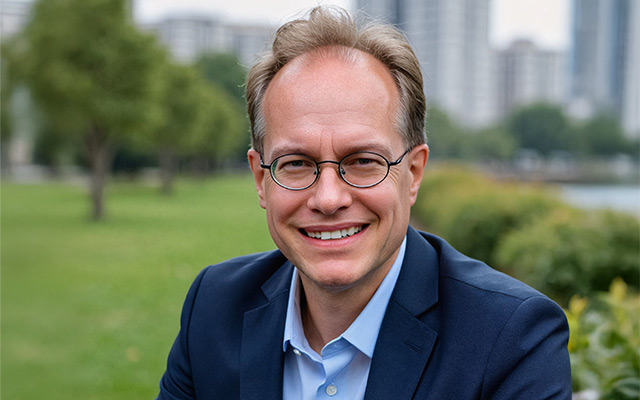
Jens Thraenhart, co-founder of the High-Yield Tourism Podcast, discusses why meaningful growth starts with strengths
The pandemic reset tourism across the globe, but the impact in Asia was particularly acute – why so?
Asia went back to ground zero. We had two or three years, particularly in China, with no international tourism at all. The challenge became how to rebuild tourism, not just in terms of numbers, but in terms of value.
Why is it that many governments in Asia are still struggling to shift from arrival numbers as the key metric of success?
In Asia, travel and tourism are generally led from the top. It’s seen as a mechanism for economic growth, so a lot of political capital is invested in growing tourism numbers. It’s easier to track arrival numbers than it is to measure visitor spending. The real issue is how to balance short-term gains with long-term sustainability. Governments often want results now, but the next phase of tourism development needs to be planned over 10 or 15 years to avoid mass tourism pitfalls.
Many destinations now talk about “high-value” or “high-quality” tourists. What does high-yield really mean – and why is the distinction important?
The terms are often used interchangeably, but they’re not the same. High-value usually refers to travellers who spend more or seek quality experiences; high-yield looks at what truly stays in the destination. It’s about the social, environmental, and economic benefits that remain after the visitor has gone. We’re asking, what’s the tourism EBITDA? What is the cost of tourism versus its net gain? You can bring in luxury travellers who spend heavily, but if that money leaks out through imports or foreign ownership, there’s little yield.
How can destinations avoid falling into what you’ve called the “high-value trap”?
The high-value trap is believing that simply attracting rich visitors equals success. That’s seductive but short-sighted. True yield comes from connecting passionate travellers with local communities so that money, knowledge, and advocacy stay within the destination. Think of someone who visits Laos to learn silk weaving or volunteers in reef restoration in Australia – many become advocates who return, not one-off consumers.
What inspired you to adapt the SOAR framework as a new lens for tourism planning?
I discovered SOAR, a business framework introduced by two economists in 2009, while working on my book about passion tourism and realised it could fill a major gap, because tourism doesn’t really have its own strategic framework. Most destinations still borrow business tools like SWOT, which is useful for identifying weaknesses and threats, but it often leads to defensive thinking. SOAR flips that around. It begins with Strengths – what makes a destination truly irreplaceable then moves to Opportunities, Aspirations, and Results – focusing on what you have and how to build on it to attract passionate, purpose-driven travellers who become advocates, not just arrivals.
Any example of the SOAR framework in action?
When Saudi Arabia builds on its heritage of hafawa (authentic hospitality) as a strength to craft a distinct identity beyond camel rides and desert imagery or the Faroe Islands turn limitations such as remoteness and rainy weather into assets, reframing remoteness and climate as part of their authentic experience – that’s SOAR in action.
What kind of mindset shift does high-yield tourism demand from leaders?
It requires courage to move beyond “destination beige”, where everyone copies everyone else and competes on price. High-yield is about being loved by some rather than liked by many. When you focus on your authentic story – your people, your nature, your culture – you build advocates, not just arrivals. That’s how destinations become resilient, balanced, and truly high-yield.