

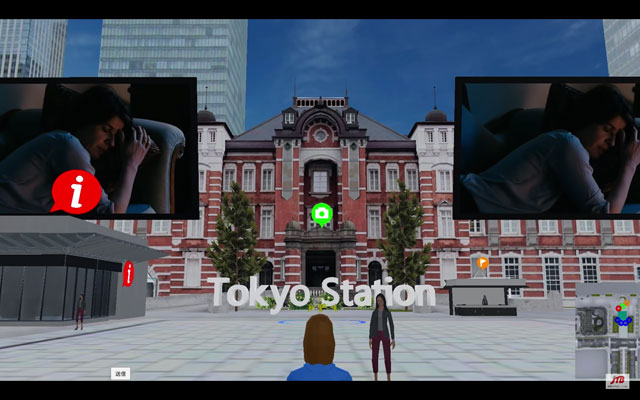
Japan’s largest travel agency has launched a virtual reality tourism resource that aims to introduce remotely the country’s top destinations, experiences and products amid ongoing pandemic restrictions.
JTB Corporation teamed up with information media provider Fun Japan Communications and cloud service vendor Fixer to create Japan Virtual Platform, which will begin registration of users at the end of this month.
The initiative is designed to help revitalise Japan’s battered tourism industry as well as regions and local businesses specifically. Initially, JTB will target Japanese users, but its aim is to attract 1.25 million users in Asia and 10 million users worldwide by 2024.
Users will be able to explore various parts of Japan virtually using an avatar. So far, Hokkaido – an area renowned for seafood, dairy products and unspoiled nature – and Tokyo’s sleek Marunouchi district famous for Tokyo Station and the Imperial Palace Gardens have been created, with more areas slated for addition on a weekly basis. Users will also be able to interact with others and learn about the history and culture of Japan.
Local businesses and communities will be able to join the platform to promote e-commerce shopping, which JTB expects to be a popular activity among users.
Eijiro Yamakita, president and CEO of JTB, described the platform as a “new exchange mechanism that transcends the boundaries between real and virtual,” at a time when in-person exchanges continue to be “severely restricted” due to the pandemic.
Daisuke Fujii, president and CEO of Fun Japan Communications, said that the platform could “become a bridge between Japan and overseas” that helps to revive Japan’s tourism and local economy. He added that the project has the potential to “create a new trend in Japan and the world” based on “the connections between people”.
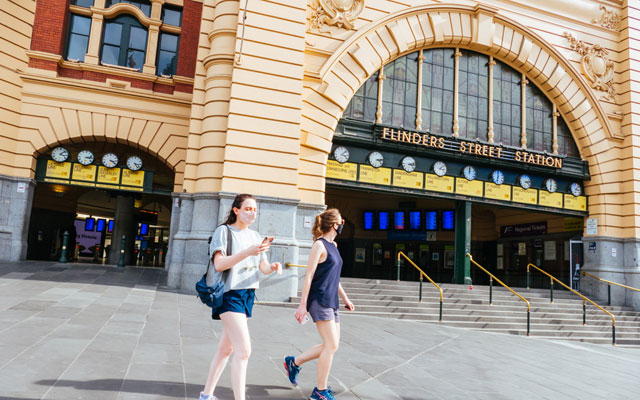


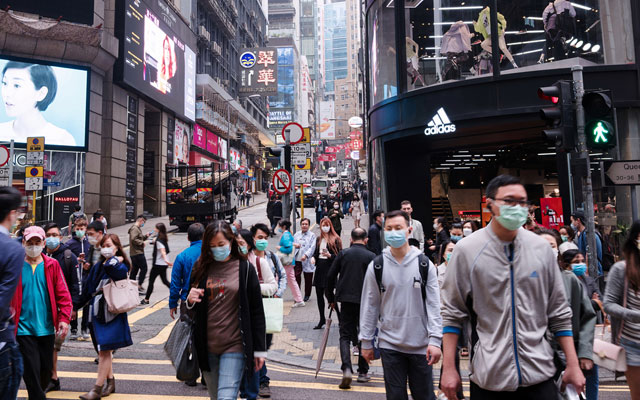











Australia is looking at Singapore as its next target for a travel bubble agreement, after its quarantine-free travel bubble with New Zealand took off this week.
The commencement of the travel bubble – the first for both countries – comes more than a year after air links between the two neighbours were suspended due to the ongoing pandemic.
First flights under the two-way travel bubble were near capacity, with almost 10,000 people travelling between the two countries on Monday, the day the travel bubble opened, according to a report by The Straits Times.
With the opening of the trans-Tasman travel bubble and the global vaccine rollout, the Australian government is looking to forge similar agreements with other low Covid-risk countries, including Singapore.
Local news outlets quoted Australia’s deputy prime minister Michael McCormack as saying that the government remains “in discussions” with Singapore on a potential travel bubble between the two countries. He also said that discussions with the Singaporean government were in its initial phase, and that Singapore was top of the list for future travel bubbles.