In collaboration with charitable organisation, The Plated Project, Marriott Bonvoy recently presented a series of artworks titled, A Memory of the Future, to spotlight Hong Kong as a destination through its arts and culture.
Showcased at Art Basel Hong Kong 2021 from May 21-23, the artworks come in the form of four ceramic plate designs that pay tribute to the distinct art-forms that are intrinsically Hong Kong, such as hand-carved mahjong tiles, hand-made stencils, neon signs and Cantonese opera.
The limited-edition art plates are more than just eye candy, as proceeds from their sale at selected Marriott hotels in Hong Kong go to Foodlink Foundation Hong Kong – a charity dedicated to fighting hunger, building self-sufficiency, and fostering nutritional wellness among those in need, while reducing food wastage in Hong Kong.
For guests outside of Hong Kong, the plates are available for sale via The Plated Project website in support of Covid-19 relief efforts.
Tour operators need to start laying the groundwork for travel rebound which is anticipated to come “fast and furious”, according to industry stakeholders.
At the Arabian Travel Market Virtual, Julia Randow, regional director of GetYourGuide, noted that globally, certain markets have picked up and swathes of the industry have been caught unprepared.
Dubai has been attracting visitors from new markets, and targets over 5.5 million overseas tourists this year, a family touring Dubai Zoo in February 2021 pictured
She said: “When recovery comes, it comes hard. You need to be prepared, have availability uploaded and a great inventory in place. You have to have all the opportunities for customers to make a booking.”
Ian Renton, director of sales at Atlantis, said it is essential to be “nimble and on your toes”. In preparation for the tourist influx as Dubai prepares for a strong peak season ahead, Atlantis has diversified its business and reached out to new key source markets.
“We have kept our fingers on the pulse, worked with government authorities and airlines, and shared information so that when things do come back – and they will come back quick – we’re ready,” said Renton.
Randow said Dubai experienced three to four times growth from the UK in November and December compared with 2019. This was triggered by a quarantine-free corridor between the destinations. “A strong travel sentiment is there,” she added.
Additionally, she noted the US is leading recovery, with bookings already surpassing 2019 numbers. This is a pattern that is starting to be seen in Australia and New Zealand.
Douglas Quinby, co-founder and CEO of Arival, noted a “supply constraint” in the US sparked by an unpreparedness for the “fast and furious” surge in travel demand. He said: “Operators are struggling to hire guides and there’s a labour shortage for restaurants and hotels that are trying to reopen quickly.”
A recent survey carried out by GetYourGuide in the US revealed 70 per cent of respondents plan to take a holiday within the next three months. However, only about eight per cent have booked.
Remarked Randow: “That’s very different to what we normally see but suggests many bookings are to come. This highlights the need to be on top of business in the long-term and short-term if you want to win this game.”
Banyan Tree is set to open its first Banyan Tree Escape in an off-the-beaten-track, untouched part of northern Ubud come September 2021.
Pioneering a “no walls, no doors” concept throughout the property and in each of its 16 villas, Buahan, a Banyan Tree Escape is situated in a quiet enclave surrounded by rice paddies and jungle, next to the Ayung River and waterfall, boasting a sweeping view of the seven majestic peaks.
Buahan, a Banyan Tree Escape connects guest to nature and their surrounds
At the resort’s heart are the Open Kitchen and Living Room – open dining and lounge spaces created to evoke a sense of community. Here, guests are invited to learn how the resort reinvents the basics of food and drink through its zero-waste farm-to-table concept, local sourcing philosophy and heritage techniques. The menu concept, 70 per cent of which is plant-based, is sourced locally within a one-hour drive from the property.
The Botanist Bar is centred around the use of local-grown natural ingredients and botanicals infused into its beverages, while Toja Spa celebrates the wellbeing traditions from Buahan village and its surrounding areas, with a unique “open” garden experience.
Elsewhere, secret Hideaway Spots draw on the element of being at one with nature, providing guests with a garden sanctuary for meditation, reading, or simply taking a moment to pause and unwind.
From daily ‘Happenings’ activities to collaborative events with visiting practitioners and local cultural festivities, a calendar of events guides guests towards a range of curated experiences around the three pillars: connecting to nature, a discovery experience, and community integration.
WorldHotels Collection has refreshed its brand identity, with new logos and updated vision and mission statements, as the brand celebrates its 50th anniversary this year.
“WorldHotels has always been at the forefront of innovation, and this year, we recognised a need to adapt our branding to align with the evolving digital and media landscape,” said David Kong, global president and CEO.
WorldHotels’ brand refresh includes new masterbrand and collection logos
He added that the refreshed branding “will play a critical role in helping the brand and our hoteliers maintain a competitive edge, especially as we emerge from the pandemic”.
To identify the best way to evolve, the brand invested in research including interviewing key stakeholders and conducting a global member survey to better understand what motivates today’s luxury and lifestyle traveller.
The refresh is designed to enhance WorldHotels’ brand storytelling and ensure each WorldHotels collection has its own identity and personality. This is achieved with the following changes: refreshed Masterbrand logo, new logos for the brand’s four collections (Luxury, Elite, Distinctive and Crafted), as well as updated vision and mission statements that reflect the evolving culture and DNA of WorldHotels.
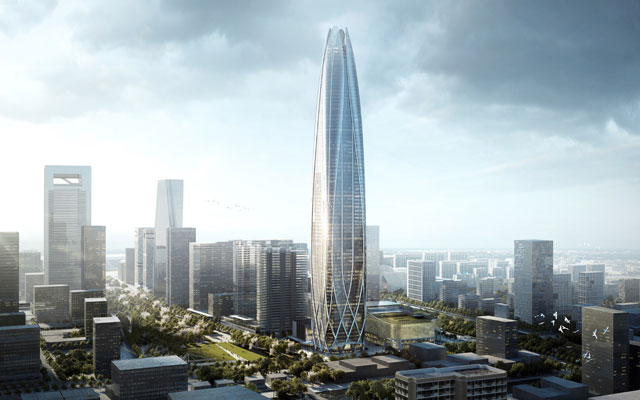
Marriott International has inked an agreement with the Ningbo Central Plaza Construction and Development to bring Marriott Bonvoy’s Ritz-Carlton brand to the heart of Ningbo.
Expected to open in 2025, The Ritz-Carlton, Ningbo is set to be the first addition to Marriott Bonvoy’s luxury portfolio in Ningbo.
Rendering of The Ritz-Carlton, Ningbo
Developed by Shanghai Construction Group, Shanshan Group, and Greentown China Holdings, the hotel is slated to occupy the 62nd to 80th floors of the 409m-tall Ningbo Central Plaza, which will also house offices, commercial and residential space with apartments, among other offerings.
The Ritz-Carlton, Ningbo is expected to feature 257 rooms and suites, alongside a Club Lounge and three F&B venues – an all-day dining outlet, a Chinese restaurant and a specialty restaurant. In addition to a lobby lounge, the hotel is set to include a destination bar to provide a nightlife hub for guests and locals alike. Elsewhere, planned banquet space spanning 1,700m² promises to accommodate a wide range of events.
A catchily named campaign, One-night, one-dollar, has been proposed by the Tourism Council of Thailand (TCT) to attract international tourists back to Phuket, ahead of the popular resort island’s planned July reopening.
Under the plan, participating operators will offer to foreign tourists room rates at US$1 per night – for rooms that typically sell for between 1,000 baht (US$32) and 3,000 baht per night – with costs to be subsidised by the government, explained TCT president Chamnan Srisawat.
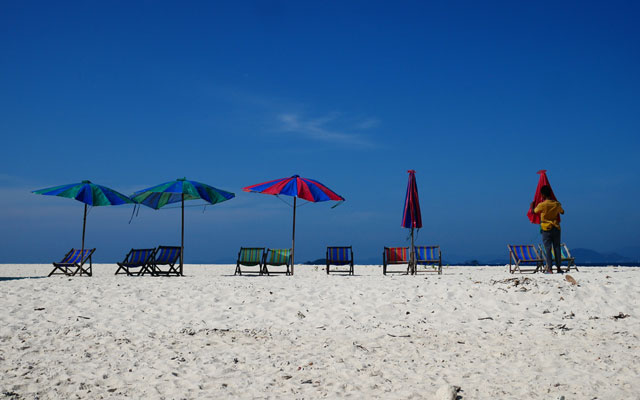
A one-night, one dollar reopening campaign for Phuket hotels has been floated by the Tourism Council of Thailand; a man preparing umbrellas and beach chairs on an empty island in Phuket amid Covid pictured
If the proposal is green-lit, tourism players in Thailand will roll out the campaign to international markets.
“TCT also discussed the idea with major wholesalers and online travel agents to prepare for the reopening of Phuket. And they are ready to help,” Chamnan said.
He expects that out of a total of 70,000 rooms on the island, nearly one million room nights would be up for sales, generating at least 40 billion baht into hotels and other services throughout July.
TCT’s proposal has been submitted to the Tourism Authority of Thailand and the Ministry of Tourism and Sports, and will be escalated to the cabinet for approval within June.
If Phuket’s One-night, one-dollar campaign proves successful, private sector players and the government may expand the campaign to other destinations such as Koh Samui, Pattaya and Bangkok.
“However, the current wave of Covid-19 infection could (impact the) final decision. But we have been suffering from the pandemic for 15 months now. Only mass tourism will save us,” Chamnan said.
Set to be the first Thai city to reopen to vaccinated foreign tourists in July, Phuket is expected to welcome 500,000 visitors through year-end, much lower than the 6.7 million arrivals in 2020, mainly from the first quarter.
In 2019, prior to the pandemic, Thailand received nearly 40 million visitors, generating 190 billion baht (US$60 billion) in revenue.
A government-led programme that will dispatch Jakarta-based civil servants to work remotely from Bali is set to be rolled out as part of efforts to revive domestic tourism in the pandemic-ravaged island.
The Work from Bali (WFB) programme led by the Coordinating Ministry of Maritime Affairs and Investment (CMMAI) will assign civil servants from the office and its seven subordinate ministries, including the Ministry of Tourism and Creative Economy, to work from hotels on the island.
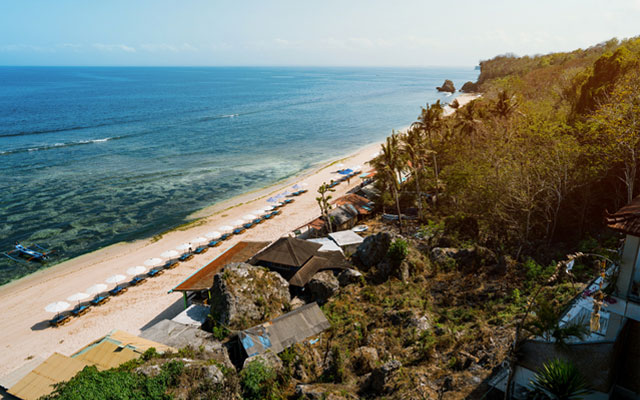
Plan for civil servants in Indonesia to work remotely from Bali underway; closed beach in Bali during Covid-19 pictured
Under the programme, Bali will host not only the ministries’ regular meetings but also international events for the year ahead to prove that the island is safe.
Depicting Bali as a Covid-safe destination is expected to lure more domestic tourists to the island and raise hotel occupancy during this pandemic, opined Odo Manuhutu, deputy for tourism and creative economy at CMMAI.
He recalled that when the government held the Bali Investment Forum in March, the host hotel saw a rise in occupancy from eight to 50 per cent within the week.
On May 18, CMMAI and Indonesia Tourism Development Corporation (ITDC) signed a MoU for the WFB programme to be launched in ITDC’s Nusa Dua complex, which is home to 16 hotels.
Sandiaga Uno, minister of tourism and creative economy, said that the WFB initiative is aimed at providing emergency help to Bali hotels struggling with record-low occupancy rates averaging at around nine per cent. He further noted that the island’s GDP contracted by 9.31 per cent in Q1 of this year, lowest among the 34 provinces in Indonesia.
“We hope that with WFB in place, Bali can see a positive economic growth in late Q3 or Q4,” he said.
Sandiaga added that the WFB programme is also part of the government’s effort to prepare tourism players in Bali to welcome foreign visitors once borders reopen. Nusa Dua is one of three green zones being prepared for international travellers under the Travel Corridor Arrangement.
CMMAI is still mulling the number of civil servants that will take part in the WFB programme, according to Sandiaga, but his office proposed 25 per cent of employees from each participating ministry.
He also expressed hopes for corporates in Bali and other regions to follow suit, and opt to remote work from the resort island.
I Putu Astawa, head of Bali Tourism Agency, said that the Bali administration would rope in pecalang (traditional Balinese guards) from 1,493 customary villages across Bali to help armies and police personnel monitor the WFB programme and ensure strict enforcement of health protocols on-site.
Sri Lanka will reopen its two international airports to foreign arrivals on June 1, following a 10-day shutdown to curb a rising tide of Covid-19 infections.
The country has been placed under an islandwide lockdown since May 21 lasting till June 7, with restrictions to be lifted for three days in-between for 19 hours per day to enable Sri Lankans to secure their essential provisions.
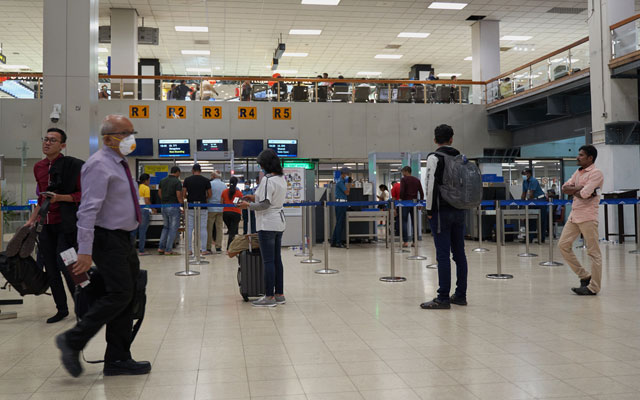
Sri Lanka will reopen borders to international tourists from June 1; Colombo Airport pictured
On Tuesday, the Department of Civil Aviation said the airports would be reopened on June 1, but noted that the ban on travellers from India, which has been engulfed by a tsunami of infections, would remain.
All foreign tourists are subject to a pre-arrival PCR test, with more testing required upon arrival. They must also stay at Covid-19 certified hotels. The pre-arrival PCR test requirement also applies to tourists who have received both doses of the vaccination.
Under new guidelines, only 75 passengers comprising both Sri Lankans and tourists will be permitted per flight. The airports are currently open only for outbound passengers.
The announcement of the airports’ reopening has been welcomed by industry officials who said even though arrivals have been merely a trickle since the airports reopened on January 21 after a prolonged pandemic shutdown last year, it means the country is back in business and open for tourism.
Arrivals totalled 9,629 from January 21 to end-April 2021 – a sharp drop compared to the 507,311 arrivals in the January-April period in 2020. Kazakhstan, Ukraine, Germany, India and China were the top five tourist generating markets during this pandemic period.
In the meantime, a former Sri Lankan ambassador in Russia and now tourism entrepreneur has announced that he would bring down 2,500 travellers from Russia as soon as the airports reopen.
Udayanga Weeratunga was quoted by the Daily Mirror newspaper as saying that discussions are ongoing with Russia’s Aeroflot airline and SriLankan Airlines for each carrier to operate at least one weekly flight between Moscow and Colombo, with at least 275 passengers arriving in Sri Lanka per week.
Weeratunga was also responsible for a pilot project bringing nearly 3,000 tourists from Ukraine to Sri Lanka between December 28, 2020 and January 19, 2021 in 12 flights operated during this period.
the Arca, Hong Kong
Located in the up-and-coming neighbourhood of Wong Chuk Hang in Aberdeen – on the east coast of Hong Kong Island – the hotel is a 7-minute walk away from the Wong Chuk Hang MTR station. Helmed by Yulan Group, the Arca features 187 guestrooms and suites, a restaurant, rooftop bar, customisable event and function spaces, and a rooftop infinity pool. For guests with furry friends, the Arca also offers a suite of amenities, menus and services to ensure each dog experience is an enjoyable stay.
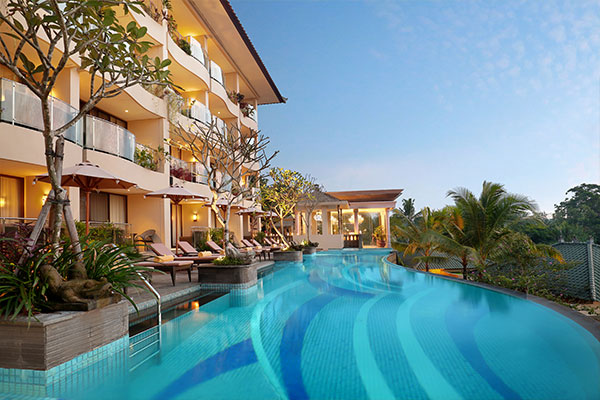
Avani Seminyak Bali Resort, Indonesia
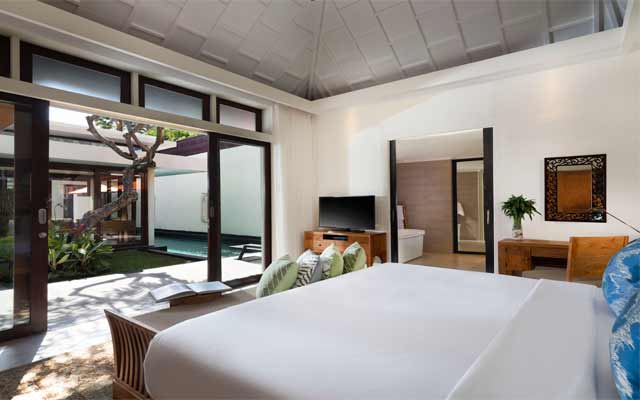
Set to open on June 1, Avani Seminyak Bali Resort will mark the brand’s first property in Indonesia. Centrally located in the heart of Seminyak, the resort will offer 21 residence-style accommodations and 16 private pool villas. Each villa and residence will feature private kitchen and dining areas, while the private pool villas promise 150m2 of spaciousness. Elsewhere, the suite residences will boast open-air terraces, and range from simple studios to larger multi-bedroom units with pool access. Guests can enjoy Indonesian and international dishes at Groove restaurant and learn to create Bali’s traditional cuisine at the community cooking classes. They can also work up a sweat at the AvaniFit gym or complete laps at the secluded pool before relaxing in a poolside cabana.
Aloft Al Mina, Dubai and Element Al Mina, Dubai, UAE
Marriott Bonvoy has expanded the Aloft Hotels and Element Hotels in the UAE with the opening of two hotels – Aloft Al Mina and Element Al Mina – in Dubai. Both hotels are situated on Sheikh Rashid Road in the Al Raffa neighbourhood and in close proximity to the city’s famed attractions.
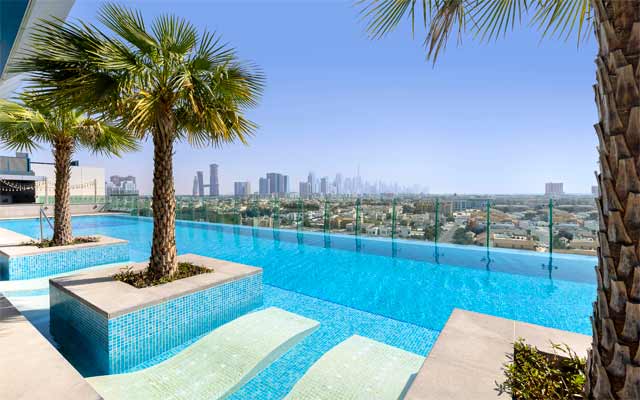
Aloft Al Mina, Dubai is home to 192 guestrooms, each complete with complimentary Wi-Fi, 55-inch flatscreen TVs, and modern bathrooms featuring walk-in showers with rainfall showerheads and custom toiletries. The hotel offers a number of signature social spaces and amenities including W XYZ Bar offering craft beverages and light bites, the Re:mix Lounge which acts as a hub for locals and travellers, and the all-day restaurant, Mix. Other facilities are a 24/7 Re:charge fitness centre, an outdoor infinity pool overlooking the Dubai skyline, and meeting spaces.
Elsewhere, Element Al Mina, Dubai presents a longer-stay concept with a collection of 96 studios, alongside one- and two-bedroom apartments. Each apartment features a signature Heavenly bed, a spa-inspired bathroom, oversized closets and a fully-equipped kitchen. The hotel features a compact meeting room, 24/7 fitness centre, and a rooftop pool.
Frasers Hospitality, a member of Frasers Property Group, will be adding seven more properties to its portfolio in China over the next four years.
The properties will be located in first- and second-tier cities and are Modena by Fraser Nanjing; Fraser Residence Nanjing; Fraser Suites Pazhou, Guangzhou; Fraser Residence Shenzhen; Fraser Residence Tianjin; Fraser Place Chengdu; and Fraser Residence Chongqing.
Occupancy rates at Fraser Residence Chengdu (above) hit a year-to-date high of 90 per cent
Frasers Hospitality currently operates 12 properties across 12 key gateway cities. The new signings will bring its total inventory in the country to over 4,500 keys.
“Despite the global economic slowdown caused by the COVID-19 pandemic, China remains the world’s second-largest economy and one of the most-watched inbound and outbound tourist markets.
“Our growth plans in the market are backed by the significant business potential we’re observing in China, which has remained steadfast amid the challenges brought about by Covid-19. China was the only major economy in the world to have expanded in 2020, registering a 2.3 per cent5 GDP growth, and is expected to continue on this upward trajectory in the coming years,” said Mark Chan, chief operating officer of Frasers Hospitality, in a statement.
With international travel halted, Chinese travellers have turned to domestic excursions to satisfy pent-up demand. During the recent Labour Day Holiday in early May, the country reported 230 million domestic trips, up three per cent from pre-pandemic figures.
“Despite the current challenges, our properties in China have remained resilient as they are fuelled by a strong base of long-stay corporate guests. At the same time, demand for our serviced apartments also appeal to shorter-term guests who are showing a preference for larger personal spaces and privacy,” said Chew Hang Song, senior vice president, head of operations – North Asia at Frasers Hospitality.
The company’s most recent opening in June 2020, Fraser Residence Chengdu, has had occupancy rates hitting a year-to-date high of 90 per cent.
The group’s current portfolio in China also includes properties across Beijing, Changsha, Chengdu, Dalian, Guangzhou, Shanghai, Shenzhen, Tianjin, Wuhan, and Wuxi. The new openings bring the hospitality provider’s global portfolio to more than 120 properties in over 70 cities worldwide.


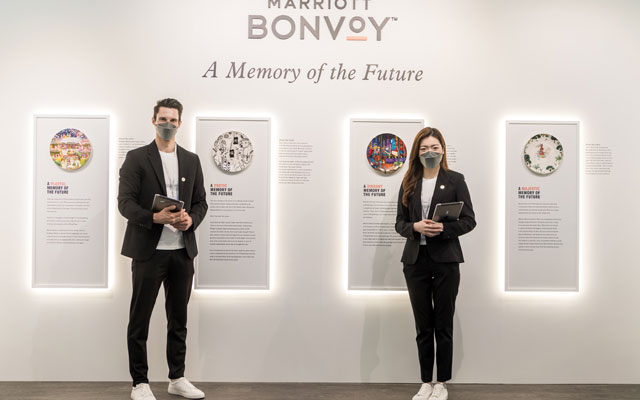
 Showcased at Art Basel Hong Kong 2021 from May 21-23, the artworks come in the form of four ceramic plate designs that pay tribute to the distinct art-forms that are intrinsically Hong Kong, such as hand-carved mahjong tiles, hand-made stencils, neon signs and Cantonese opera.

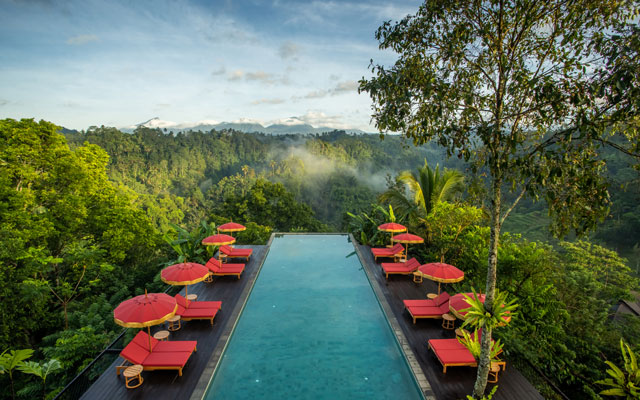








Banyan Tree is set to open its first Banyan Tree Escape in an off-the-beaten-track, untouched part of northern Ubud come September 2021.
Pioneering a “no walls, no doors” concept throughout the property and in each of its 16 villas, Buahan, a Banyan Tree Escape is situated in a quiet enclave surrounded by rice paddies and jungle, next to the Ayung River and waterfall, boasting a sweeping view of the seven majestic peaks.
At the resort’s heart are the Open Kitchen and Living Room – open dining and lounge spaces created to evoke a sense of community. Here, guests are invited to learn how the resort reinvents the basics of food and drink through its zero-waste farm-to-table concept, local sourcing philosophy and heritage techniques. The menu concept, 70 per cent of which is plant-based, is sourced locally within a one-hour drive from the property.
The Botanist Bar is centred around the use of local-grown natural ingredients and botanicals infused into its beverages, while Toja Spa celebrates the wellbeing traditions from Buahan village and its surrounding areas, with a unique “open” garden experience.
Elsewhere, secret Hideaway Spots draw on the element of being at one with nature, providing guests with a garden sanctuary for meditation, reading, or simply taking a moment to pause and unwind.
From daily ‘Happenings’ activities to collaborative events with visiting practitioners and local cultural festivities, a calendar of events guides guests towards a range of curated experiences around the three pillars: connecting to nature, a discovery experience, and community integration.