

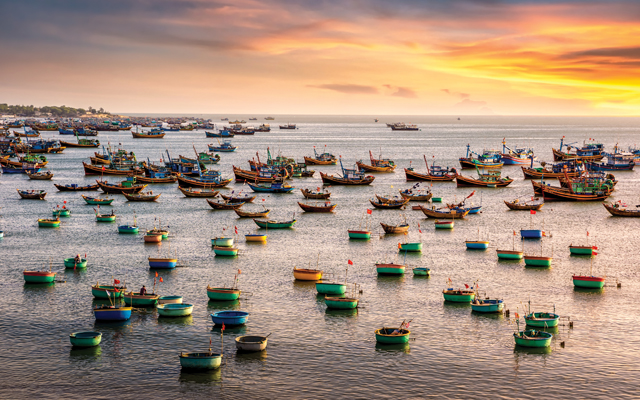
In March, Vietnam announced that Binh Thuan province – home to Mui Ne and its stunning stretches of coastline, white beaches, sand dunes, and rich culture – will host the National Tourism Year 2023 initiative to boost tourism development in the region.
According to Vietnam National Administration of Tourism, the province still has strides to make to attract international visitors, with the campaign aiming to create “breakthroughs, contributing to further promoting tourism development in the south-central region”.
To aid this, authorities have developed a series of policies to support investors in the area. This includes shortening the time to process documents and provincial leaders inviting businesses to invest.
“This is contributing to promoting tourism in Binh Thuan in general, and Mui Ne in particular, quickly achieving the goal of turning tourism into a spearhead economic sector,” said Pham Ha, CEO and founder of Lux Travel DMC.
“Currently, the coastal areas have been heavily invested in with regard to infrastructure. High-end resorts have appeared more with a variety of services. This means tourists now have access to professional resort experiences instead of the lack of facilities before.”
These include the opening of The Anam Mui Ne, Azerai Ke Ga Bay, Centara Mirage Mui Ne and a range of projects developed by Novaland, such as Novaworld Phan Thiet, Novaworld Mui Ne, and NovaHills Mui Ne Resort & Villas.
Another game changer was the opening of the Dau Giay-Phan Thiet highway in April. This cut down transport time between Ho Chi Minh City and Mui Ne from 4.5 hours to two. An international airport is also slated to open in 2025, expected to further drive foreign tourists to the area.
“With the new highway and airport, travelling to Mui Ne will become easier and more convenient for visitors. This can enhance the attractiveness of the destination and attract more domestic and foreign tourists. When infrastructure is improved, Mui Ne tourism can attract more investors and businesses operating in this field,” noted Ha.

Currently, Mui Ne is developing a policy on the night economy to lure visitors, especially international. This includes the two-kilometre night street at Mui Ne Summerland. The pedestrian area takes in restaurants, entertainment and shopping facilities, with festival and art performances taking place weekly.
This is an area Peter Ye, resort manager at The Anam Mui Ne, said needs attention. “Mui Ne still faces some challenges that prevent it from reaching its full potential. One of these is the post-pandemic recovery, in particular of the secondary tourist infrastructure, such as restaurants, bars and entertainment places. We expect that to be over by next year.”
Linh Le, principal and co-founder of Luxperia, said the last few years have seen Mui Ne emerge as the “go-to beach destination” for local residents.
“From that, we are seeing more referrals and recommendations from our client base, as well as interest from foreign guests wishing to avoid another flight,” he added.
According to the official Department of Statistics figures, since April 30, the number of guests visiting the Ham Tien-Mui Ne area has increased, reaching high capacity at weekends when room occupancy hits about 80 per cent.

In May, Binh Thuan tourism continued to make an impression, welcoming more than 805,000 visitors. This marks an increase of 9.18 per cent compared to April 2023 and an increase of 66 per cent over the same period last year.
While pre-Covid, Mui Ne had established itself as a firm favourite with Russian visitors, with Russian-owned resorts, restaurants, and signage catering specifically to the market in abundance, Ha said the area is now rising in popularity with European tourists, as well as visitors from Australia, China, and nearby South-east Asian markets.
The Anam Mui Ne opened its doors in January and has played a significant role in raising the profile of the area, attracting high-end guests from various markets. It is the only affiliated member of Small Luxury Hotels of the World in Vietnam, offering prestigious recognition.
Ye said the main source markets have been locals and expatriates in Vietnam, South Korea and Europe.
“In the next quarters, we expect to see more guests from Australia, China, and other regions,” he added.




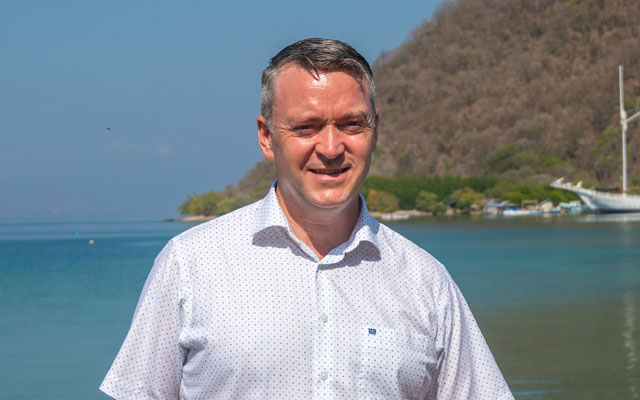
 With a wealth of experience in luxury hospitality which spans over three decades, he has held leadership roles in commercial, hotel operations and luxury brand management across five countries in three continents including the UAE, South Korea, China, Malaysia, Indonesia and Singapore.
 He has over 25 years’ experience in luxury hospitality, and was most recently general manager at Barcelo Mussanah Resort in Muscat, Oman.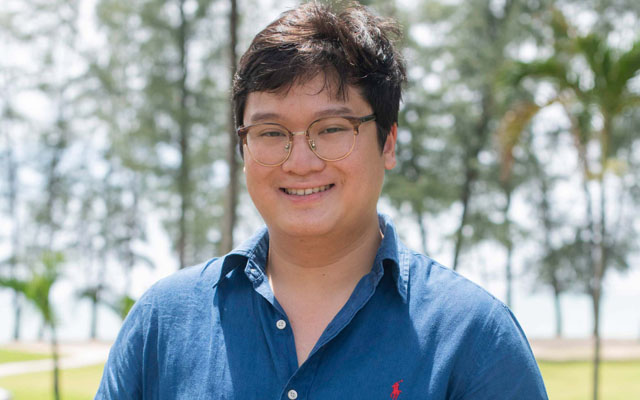
 Tell us about your journey in the Amora Group.







The third edition of the UNWTO Best Tourism Villages programme has recognised 54 villages from all regions in a ceremony on October 19 during the UNWTO General Assembly; 14 of which are in Asia.
The programme, established in 2021, recognises villages that are leading in nurturing rural areas and preserving landscapes, cultural diversity, local values, and culinary traditions.
The stringent selection, which took into consideration factors such as Cultural and Natural Resources, Social Sustainability, and Governance and Prioritisation of Tourism, was made from almost 260 applications.
A further 20 villages have joined the Upgrade Programme, which supports villages on their journey to meet recognition criteria, helping to close gaps identified during evaluation.
All 74 villages are now part of the UNWTO Best Tourism Villages Network, which will allow operators to share experiences and good practices, and learn from tourism and rural development experts in the public and private sectors.
UNWTO secretary-general Zurab Pololikashvili said: “Tourism can be a powerful force for inclusivity, empowering local communities and distributing benefits across regions. This initiative acknowledges villages that have harnessed tourism as a catalyst for their development and well-being.”
The list of Asian tourism villages new to the programme this year are: Biei, Hakuba, Oku-Matsushima and Shirakawa in Japan; Dhordo in India; Dongbaek, Mosan and Sehwa in South Korea; Huangling, Xiajiang, Zhagana and Zhujiawan in China; Penglipuran in Indonesia; and Tân Hoá in Vietnam.
Meanwhile, Asuka in Japan; Madla in India; and Bilebante, Pela and Taro in Indonesia are now being supported under the Upgrade Programme.
The call for submissions for the fourth edition will take place in the first months of 2024.