TTG Asia
Asia/Singapore Monday, 6th April 2026
Page 1366

Pan Pacific Singapore welcomes new GM

0

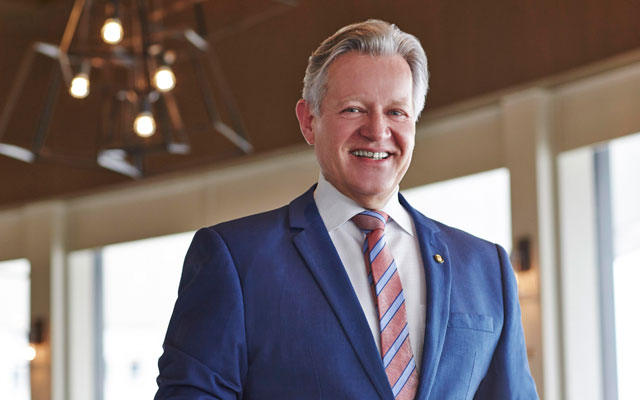
Kurt Otto Wehinger has been appointed general manager of Pan Pacific Singapore, transferring from Australia where he was the general manager of Parkroyal Darling Harbour and area general manager for Oceania for the past 2.5 years.

A hospitality veteran with more than 35 years of experience, Wehinger is not unfamiliar with Singapore, as he was the general manager of Marina Mandarin Singapore for seven years prior to joining Pan Pacific Hotel Group.

An Austrian national, Wehinger’s career has taken him to various destinations in Europe, Asia, Australia, the Middle East and the US, where he managed hotels under international brands including Kempinski, Millennium & Copthorne, and Intercontinental.

APAC arrivals continue to outstrip global average

0

Foreign arrivals into Asia-Pacific destinations continued to grow faster than the global average in 2017, reaching a record volume high of more than 646 million arrivals relative to 2016.

According to the Annual Travel Monitor 2018 Final Edition released by PATA today, international visitor arrivals into 47 destinations in Asia-Pacific covered in the report increased by 5.7 per cent, or close to 35 million additional arrivals.

Vietnam (Halong Bay pictured) was the top Asia Pacific destination last year

In percentage increase terms between 2016 and 2017, the Pacific had the strongest annual increase at 5.9% year-on-year, followed by the Americas at 5.8%, while Asia kept pace with the Asia-Pacific average of 5.7%.

However, in terms of absolute increase, these positions were reversed with Asia receiving close to 25 million additional foreign arrivals between 2016 and 2017, followed by the Americas with a gain of almost 8.6 million and the Pacific with around 1.4 million additional foreign arrivals received over that period.

Across Asia it was South-east and West Asia that each captured the largest proportion of additional foreign arrivals into Asia between 2016 and 2017.

While in the Pacific, Oceania received more than half of the additional foreign arrivals into the region, followed by Polynesia.

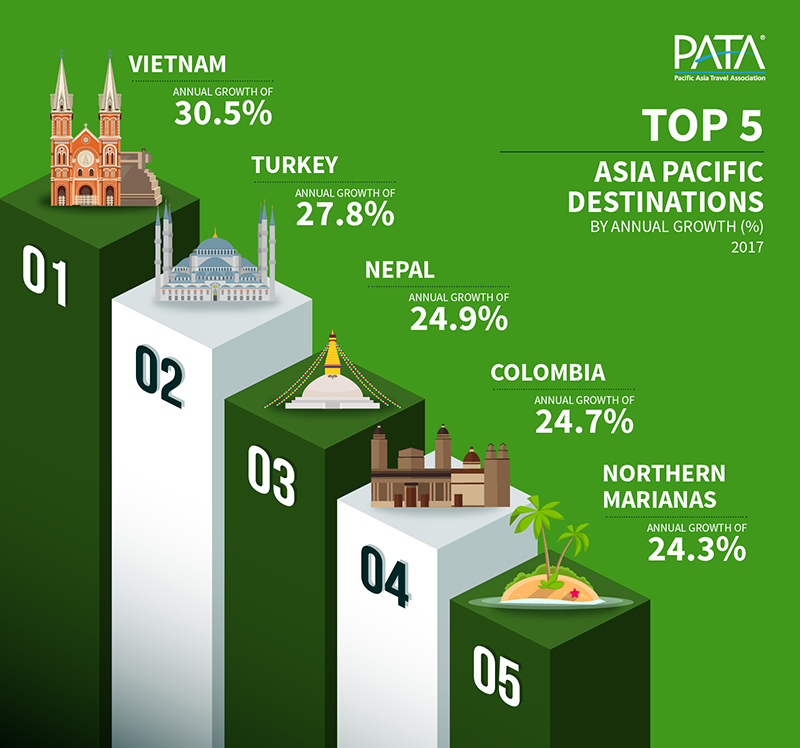
At the individual Asia-Pacific destination level, destinations with the strongest annual percentage growth rates in 2017 ranked as per Figure 1.

Figure 1 Top 5 Asia Pacific destinations by AGR in 2017. Source: PATA

Of the destinations covered in this report, more than a quarter had annual volume increases of more than one million each, while close to 15% had between half a million and one million apiece.

The strong collective performance of Asia-Pacific destinations in 2017 appears to be continuing into 2018 as well.

Mario Hardy, CEO of PATA, pointed out: “Early results for 2018 show a collective annual increase in foreign arrivals into Asia-Pacific destinations of 8.7%, adding more than 25 million additional arrivals to the total inbound count during the first periods of 2018 relative to the same period of last year.”

Thirty-six Asia Pacific destinations had released year-to-date 2018 data on foreign arrivals at the time of preparing the Annual Tourism Monitor for 2018 and these are covered in some detail through the body of the report.

The strongest early performances are seen in a number of destinations.

“In general terms, the volume of foreign arrivals into most Asia-Pacific destinations now needs to be managed in terms of distribution across the destination, especially with growth rates remaining relatively high,” added Hardy.

“This includes shifting our focus from just the volume of arrivals to other performance metrics including length of stay and yield as primary indicators, along with developing a better and deeper understanding impacts of tourism on the environment and society at all levels, especially if we as a responsible economic sector wish to remain sustainable and therefore viable into the future.”

It is not only the international travel flows that have an impact, he added, with domestic demand for new travel experiences gathering momentum in many destinations.

“When coupled with international visitor flows, that creates a very powerful dynamic. It is incumbent on us all to ensure that we can properly harness and manage that power or else risk losing those very attributes that drive visitor interest in the first place.”

Remembering Mamerth Banatin, a beloved travel pioneer and skilled dancer

0

Xiaozhu bags US$300 million in latest funding round

0
Xiaozhu became a unicorn last year after a financing led by Yunfeng Capital

China-based homesharing platform, Xiaozhu.com, has raised around US$300 million in its latest round of financing.

Jack Ma-backed Yunfeng Capital and Advantech Capital jointly led this round of funding. Other investors included the newly added GIC Private Limited and existing investors Joy Capital, Morningside Ventures and Capital Today.

Xiaozhu became a unicorn last year after a financing led by Yunfeng Capital

According to Chen Chi, cofounder and CEO of the company, the capital will be invested in global network expansion and the development of a smart home Internet of Things (IoT) system.

In May 2018, Xiaozhu joined hands with Ant Financial to promote facial recognition smart door locks. Facial recognition technology is believed to be a solution to the regulatory uncertainty in the country, Xiaozhu said in a statement.

“Xiaozhu will continue to invest in its global network and smart home IoT system. Through building a smarter service chain, Xiaozhu hopes to provide shared home users with a safer, more reliable, and convenient living environment globally,” said Chen.

Founded in 2012, Xiaozhu is now known as the largest peer-to-peer based homesharing platform in China.

Xiaozhu partnered agoda in March 2018 and Alibaba’s travel brand Fliggy in May to expand its global network, share properties, and promote post-pay services. Xiaozhu now has over 500,000 listings in more than 650 destinations across the world.

In November 2017, Xiaozhu closed a US$120 million round of financing led by Yunfeng Capital, making it a unicorn in the industry.

Boat service from Kuah in Langkawi ignites Tuba Island tourism

0
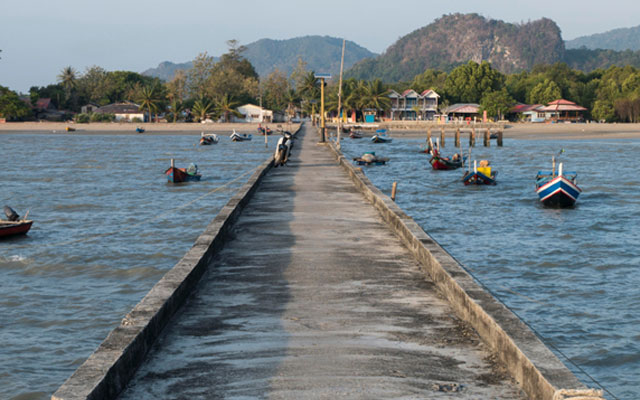
Tuba Island's jetty

The addition of boat services from Langkawi’s Kuah Town is igniting the tourism trade on Tuba Island, which could provide additional revenue to the island’s 5,000 odd inhabitants.

Tuba Island is only 20 minutes from Kuah jetty, the main gateway into Langkawi for tourists arriving on ferries.

Tuba Island’s jetty

Efforts to promote the island to tourists, seen as a way to extend the duration of stay of international visitors to Langkawi, have thus far included homestays. Tuba Island is also home to the Dayang Bunting Marble Geoforest Park, with limestone formations and other unique geological features.

However, the lack of accessibility from Langkawi has posed a challenge to promoting tourism on Tuba Island, said Mohammad Rosly Md Selamat, Community Tuba Enterprise promoter.

With scheduled boat departures from Kuah, Rosly is now working with the fishing and homestay community on the island to identify new business opportunities in tourism which could help supplement their income.

In addition, the Community Tuba Enterprise is working with Langkawi Business Association to set up a website to help create greater awareness of the island as well as to sell Tuba produce and handicrafts.

Langkawi Business Association president, Anthony Wong, shared that the association is setting up an area on Pulau Tengah to help fishermen on Tuba Island market their fresh seafood to tourists on the main island.

More Tuba Island tours are also in the works. Alexander Isaac, CEO, Tropical Charters, said the company would commence new tours involving cruising around Tuba Island, lunch prepared by locals, and island exploration in early 2019.

AirAsia partners Google Cloud to power its tech ambitions

0
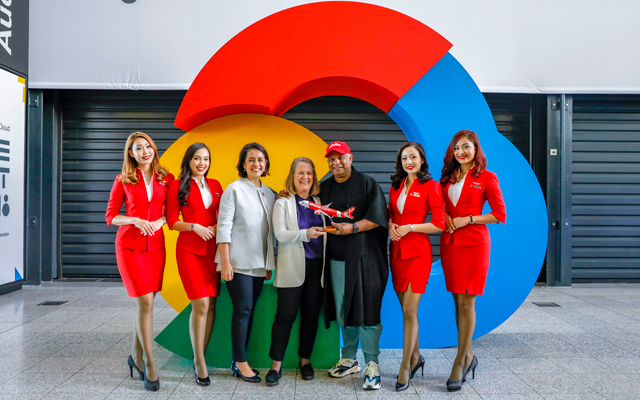
From left: AirAsia's Aireen Omar, Google Cloud's Diane Greene and AirAsia's Tony Fernandes at Google Cloud Next'18 in London

AirAsia says it is making strides towards becoming a travel technology company, as it partners Google Cloud to integrate machine learning and artificial intelligence (ML/AI) into “every aspect of its business and culture”.

Tony Fernandes, AirAsia Group CEO, said: “Google Cloud enables us to make full use of the data we own, opening up new opportunities and enabling us to build new businesses. We are building two big platforms: airasia.com, which will be our one-stop digital travel platform where our customers can book their travel needs from flights, accommodation, tours, ground transport to entertainments; and BigLife, our lifestyle site which will be like Kayak, Tripadvisor, Groupon and eBay rolled into one.”

From left: AirAsia’s Aireen Omar, Google Cloud’s Diane Greene and AirAsia’s Tony Fernandes at Google Cloud Next’18 in London

BigLife will incorporate all the digital investments under AirAsia’s digital arm RedBeat Ventures, including “money app” BigPay, inflight connectivity platform Rokki, online marketplace Ourshop and logistics services RedBox and RedCargo.

“AirAsia started with G Suite to transform the way its organisation works,” said Diane Greene, CEO of Google Cloud. “Now, with our advanced analytics platform and machine learning services, AirAsia will be able to digitise every aspect of its business to better serve their customers.”

The LCC will work with Google Cloud to drive better demand forecasting and more targeted marketing, improve customer experience and loyalty through personalisation, maximise operational efficiency and reduce risk through predictive maintenance, real-time weather forecasting and crew optimisation.

In collaboration with Google Cloud engineers, the airline’s technical teams are expected to be able to solve specific business scenarios while gaining a foundation in AI with Google Cloud’s TensorFlow and Cloud Machine Learning Engine.

AirAsia will be able to enroll its technical teams in the same programme Google Cloud uses to train its engineers, allowing the airline to build on its own internal machine learning expertise.

The airline will also work closely with Google Cloud to deploy G Suite and Chrome Enterprise and transform its “way of work” and culture, creating an agile digital experience that will provide access to data and analysis when and where they are needed for faster, more informed decision-making.

New hotels: Six Senses Krabey Island, SO/ Auckland and more

0

Six Senses Krabey Island, Cambodia
Six Senses Krabey Island is set on a 12ha private tropical island five kilometres off Ream National Park in southern Cambodia. It is home to 40 villas, complete with green living roofs, sun decks with infinity plunge pools and rain showers.

F&B options include two restaurants, a bar, and an ice-cream parlour, while activities at the resort include water sports, fishing, snorkelling, organic farm visits with cooking classes, night sky observatory, jungle fitness circuit and open-air Cinema Paradiso. Other facilities include a Six Senses spa complete with a gym, rooftop yoga pavilion, Crystal Water Room, Meditation Cave and the Alchemy Bar.

SO/ Auckland, New Zealand
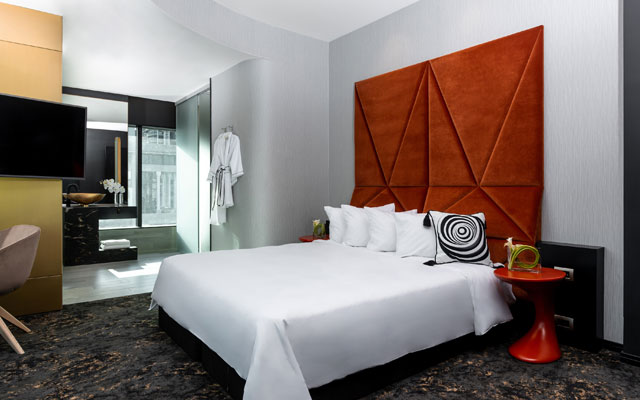
International luxury lifestyle hotel brand SO/ has opened its first outpost in Auckland with Kiwi designers WORLD as their design partner. Occupying the former Reserve Bank in the heart of the city, the hotel offers a total of 130 keys. Aside from the Harbour Society restaurant on the 15th floor headed by Michelin-star French chef Marc de Passorio, there is also a café, Club Signature lounge, SO Spa, gym and indoor heated pool.

Hard Rock Hotel Desaru Coast, Malaysia
Hard Rock International has expanded its portfolio with its second opening in Johor, Malaysia. There are three room categories – Studio Suites, Rock Royalty Suites and a Rock Star Suite – but regardless of choice, all 365 rooms will definitely be music-inspired. Amenities on-site include four dining outlets, the Rock Spa, meeting spaces and a kids’ club. The hotel is part of the Desaru Coast integrated destination resort which boasts a waterpark, man-made beach, restaurants, shopping and golf courses.

DoubleTree Resort by Hilton Hainan Xinglong Lakeside, China
The first DoubleTree Resort by Hilton-branded property in Wanning city, Hainan province, has opened with 296 rooms. Amenities on-site include three restaurants, a lobby lounge, two kids’ clubs, playground, 24-hour fitness centre, spa, three cinemas, and a 4,540m2 outdoor and indoor swimming pool complete with sauna and steam rooms. Event planners can avail the 2,237m2 of indoor and outdoor meeting spaces comprising 10 function rooms, a 1,000m2 pillarless grand ballroom that can accommodate up to 850 guests.

Wyndham veteran Klaus Sennik takes helm of Ramada Plaza in Melaka

0

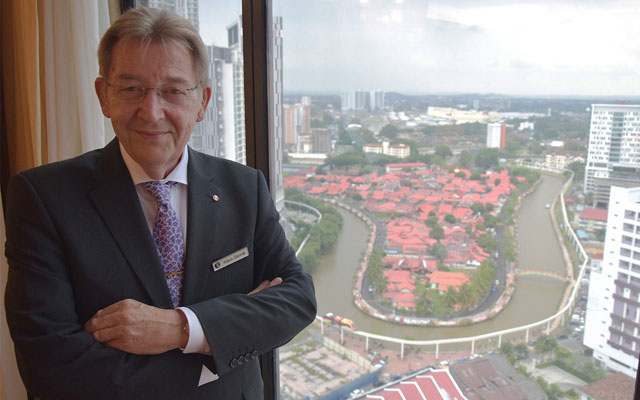
Klaus Sennik has been appointed general manager of Ramada Plaza by Wyndham Melaka.

The seasoned hotelier has a wealth of experience in a broad range of international hospitality markets including Thailand, Hong Kong, Dubai, Kenya, Germany, Indonesia and Afghanistan.

He was last general manager at the Ramada Plaza Bangkok Menam Riverside.

Sennik began his hospitality career as a chef, working in a number of well-known establishments before transferring to the Intercontinental Hotel Kabul, Afghanistan in March 1979. His later roles include that of director of F&B at the Hotel Nikko, Kuala Lumpur from 1995 to 1998.

Fresh eyes on Asia

0

You have been with Royal Caribbean Cruises for almost two decades, holding sales, marketing and business development roles. Is the sales and marketing of cruises across the various geographical regions different?
It is interesting to compare and contrast having come from the North America market which is fairly established, and then going into China for a year and a half, and now into Singapore.
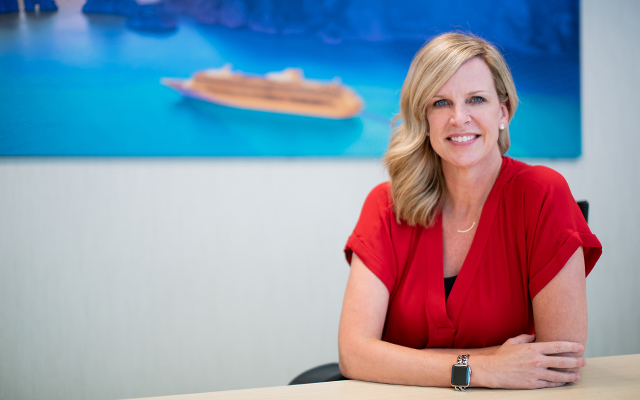
The one consistency across these markets, despite their different levels of maturity, is the fragmentation and segmentation of the customer. How do you talk to them? That’s a challenge for any brand. It’s not just TV and newspapers anymore. Yet, it is now easier to target specific segments with your messages because digital allows you to do that.

Also similar, people want things at their fingertips. They want to be able to book quickly online and have an app for them to pay online. Having a presence in the online space is becoming so important for our brands and our travel partners in the distribution channel.

You came from China where WeChat is used for all activities, to this part of Asia where not all  source markets are that proficient in app usage. How are you shifting your mindset?
I’m still learning about the different nuances in digital and app usage here, who pays more (attention) online, who still likes a phone call.

Look at our office here in Singapore. We still get a lot of walk-ins, which is great. We are still doing a lot of travel shows at the malls. The people in Singapore still want a human connection even though they do a lot of their travel research online. They still want to talk to a human to get their point of view.

In cruises, I think it is nice to offer a human connection (in the sales process) because there are so many choices within each brand – such as different staterooms, variety of pre-cruise activities, etc. It helps the customer to have someone – an expert – to talk to.

Is that why Royal Caribbean continues to invest in consumer travel shows and trade shows?
Of course. And I was very excited to participate in the MATTA Fair (Kuala Lumpur, September 7-9) and the NATAS Travel Fair (August 17-19) – my first travel shows since arriving at the Singapore office. I got to see what they were all about, and the hustle and bustle.

How do you compare Asia-Pacific’s growth with that of the western markets where cruises first took off? Is this region progressing fast enough in cruise adoption?
You know, I feel that Asia-Pacific is growing at a faster pace than it has in America. Just look at what Sean Treacy has accomplished in the three years that he was here. We started off as a seasonal market. Now we are practically a year-round market. We are bringing new capacity and bigger ships into Asia-Pacific, and we are getting a lot of demand from around the region.

Did you also see this region moving through the stages of adoption faster than the West? For instance, Asians going from awareness straight to adoption, skipping evaluation and trial?
I think because in this day and age people rely heavily on reviews and referrals, especially with the help of social media, that the word of mouth makes it easier for consumers to try something new. Everyone has limited vacation time and budget, but reviews and referrals, especially from trusted sources, have made it easier for consumers to try something new with confidence, and so the product adoption process gets shortened.

Think about your own buying behaviour. I’ve never heard of this product or brand, but hey, this influencer or close friend whom I trust is using it, so it must really be great.

Is the company engaging social media influencers?
Royal Caribbean International has an ongoing campaign called Brainwaves. It targets the younger audience, focusing on the innovation that the cruise line is known for, to get their inspiration on what innovations they would like to see on a vacation product. We partnered with a local architect on this. He isn’t your typical influencer or celebrity, but he is very well respected and regarded within his realm. This is a different angle to get Royal Caribbean into the fabric of people’s life.

We will also explore more options to film TV dramas on our ships.

That’s the best way to get the Chinese market which often draws travel inspiration from hit shows.
(Laughs) That’s right! Look at how the Singapore Tourism Board is promoting Crazy Rich Asians. I’ve asked the team how we could ride on the coattails of that, and get more people to come to Singapore and then go on a cruise vacation with us.

Royal Caribbean is helping to redevelop Penang’s Swettenham Pier (a joint venture agreement was signed on September 6). What else can the company do to raise the region’s readiness for cruising?
Education. It is important for the region to understand the value of cruise tourism and how the experience you give the guest when they arrive into your city can make them want to come back and stay for a longer time.

A lot of ports say to us, ‘Oh, we have a cargo terminal, is that OK?’ No, it’s not OK. It gives a different experience. We have to keep educating them. We are making progress.

We have a team in Miami that travels the world and works with organisations to develop ports, improve infrastructure and expand piers.

We have Captain Nick (Nikolaos Antalis, associate vice president, marine & safety, China/North-east Asia) who travels the region to make our needs known to governments that are considering port expansion and development. We have new ships coming out every year for the next decade, and they have to go somewhere. Destinations and port authorities have to build for the future in order to give cruise companies a reason to want to deploy their newest and best ships to their region.

What resources are being channelled into growing bookings out of Asia-Pacific?
With the growing middle-class, all eyes are on this region. The people here are gaining more disposable income and we want to give them a reason to spend it with us.

We are deploying newer, bigger ships to Asia-Pacific. Quantum Ultra Class Spectrum of the Seas was really crafted for the Asia-Pacific market. It will make its stop in Asia, in Singapore in May 2019. Bringing Quantum of the Seas back into Singapore in the fall after it undergoes dry dock is another example.

As well, we are bringing experienced people from our global headquarters into key markets like Australia and China. We make manpower investment here, but we also know that the western way is not the only way. We adapt to local market nuances and keep learning.


Grab rival Go-Jek will soon enter Singapore’s ride-hailing race

0
xxxx

Following its launch in Vietnam under the brand Go-Viet, Indonesia-based ride-hailing startup Go-Jek is gearing up for a Singapore entry as early as this month, going head to head with Grab in its home base.

Go-Jek has partnered six car rental firms to supply vehicles and sign on private-hire drivers, according to an article by The Straits Times. This is part of the US$2 billion that Go-Jek has been reported to be raising for its regional expansion. Current backers include Tencent Holdings, Temasek Holdings and Google.

Go-Jek has taken its first step into the Singapore market

The ride-hailing firm is poised to compete with Singapore-based rival Grab, whose March acquisition of Uber’s South-east Asia operations gave it market monopoly in South-east Asia, outside Indonesia and Vietnam.

This Grab-Uber merger has beset both companies with a combined $9.5-million fine recently issued by the Competition and Consumer Commission of Singapore (CCCS), due to infringement on section 54 of the Competition Act.

Go-Jek is set to be Grab’s next rival, and competition will be stiff. Six-year-old Grab has garnered more than US$6 billion in total funding, backed by names such as Microsoft Corp, Softbank Group Corp and China’s Chuxing Didi.

Grab is currently the market leader in Singapore with an 80 per cent market share. However, Go-Jek’s arrival is highly anticipated to revive competition and exert a downward pressure on market prices, as Grab had also been criticised by CCCS for raising its prices by 10 to 15 per cent after the Uber merger.

According to a report by DealStreetAsia, Go-Jek co-founder Kevin Aluwi explained: “We have a greater sense of confidence in terms of how to build a full on-demand ecosystem. International expansion is not easy, both from being ready as an organisation and as a management team and also from a product and technology standpoint.

“These are things that historically we simply didn’t have the capacity to do back then but now we’re very confident that we have all the right ingredients.”