TTG Asia
Asia/Singapore Friday, 2nd January 2026
Page 954

ITB Asia 2020 pivots online

0

A trio of events – ITB Asia, MICE Show Asia and Travel Tech Asia – will take place in a virtual format from October 21-23, 2020, Messe Berlin (Singapore) announced on Thursday.

Originally scheduled on the same dates, ITB Asia and MICE Show Asia are the latest in a laundry list of travel trade shows to go virtual, due to the uncertainty over global travel restrictions and safe distancing measures.

The virtual event will be hosted on a newly developed platform, also known as the ITB Community, which is set to launch on August 12, 2020.

In addition to hosting this year’s edition of ITB Asia, MICE Show Asia and the inaugural Travel Tech Asia, ITB Community will also facilitate a year-long virtual engagement programme for key stakeholders which will allow them to continue forging new partnerships and strengthen existing business relationships with important players in the region.

Katrina Leung, managing director, Messe Berlin (Singapore), said: “We undertake a huge responsibility as Asia’s leading travel trade show to adapt and serve the travel trade community in recovery. Taking into consideration the need for businesses to connect, it is imperative for us to unite the community to enable business meetings to take place for a seamless knowledge exchange. ITB Community will be the latest permanent addition to a wide variety of offerings we have for our customers to tap into for their business success.”

The three-day virtual event for ITB Asia, MICE Show Asia and Travel Tech Asia will incorporate key features such as business matching between buyers and sellers, conference sessions, and virtual exhibitions.

The 2020 virtual edition for ITB Asia, MICE Show Asia and Travel Tech Asia will be complimentary and serves as a value-add to all confirmed exhibitors of ITB Asia 2021. With over 5,000 pre-qualified international MICE, corporate and leisure buyers invited with a full-access pass to the exclusive virtual event, the three-day event will be available 24/7 to attendees to access business matching, conference sessions and the exhibitor directory.

The ITB Asia, MICE Show Asia and Travel Tech Asia live event will be rescheduled to next year, October 27–29, 2021, at Sands Expo & Convention Centre, Singapore.

Stronger together: the case for unity across the travel industry

0

It goes without saying that all of us in travel share one common interest: for the industry to survive this crisis, in the midst of one of the largest economic fallouts we have ever experienced due to the Covid-19 pandemic.

According to the WTTC, a best-case scenario for the region’s industry looks at a projected travel & tourism GDP loss of US$980 billion and almost 60 million job losses across Asia-Pacific.
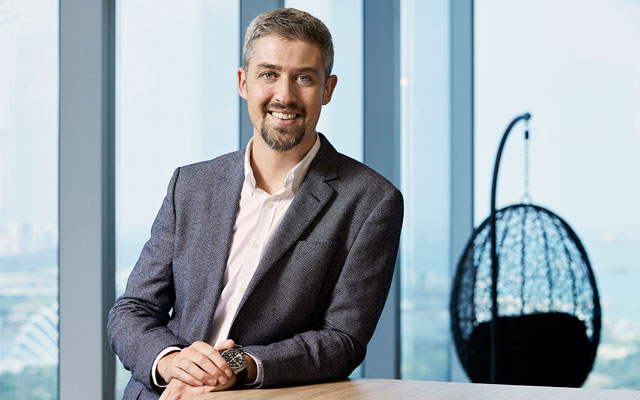
Prior to the outbreak, Asia-Pacific was the fastest growing region and a world leader in job creation with one in three jobs created by the travel industry with a total contribution of US$3 trillion to GDP – making it a crucial sector in driving economic impact across the region.

The new reality is that it will likely be years, not quarters, before we witness the full recovery of global travel demand.

However, domestic and more localised regional travel will recover before longhaul international travel, as it remains easier and safer to travel locally; and we are certainly seeing an appetite for domestic travel in markets where restrictions are easing. In Asia-Pacific, a region that has been historically more reliant on inbound travellers and intra-region travel compared to Europe or the US, the need to revitalise and drive domestic tourism will be even more crucial in ensuring the industry’s recovery.

As travel restrictions and lockdowns have been lifted in some destinations, flare-ups and second waves continue to be disconcerting for many even if the desire to travel has been stoked, with restrictions even reinstated in some destinations. I believe that a vaccine or an effective, proven treatment is critical for absolutely everyone to feel safe and confident about travel once again.

With that lens, the travel industry will also most likely be one of the last segments to recover fully from the pandemic, as no one can say with certainty when travel consumer-appetite will bounce back to pre-COVID levels, and along with that, the millions of livelihoods at risk. This labour-intensive sector has often been an entry point for many, including women, youth, migrant workers and the rural population, providing a high volume of jobs across various skill-levels for seasonal and full-time workers.

Stimulating travel
There is no better time than the present for even greater collaboration between governments and across the travel ecosystem to pool global learnings and insights to create effective programmes and long-term support in order to stimulate local travel to support economies, safeguard jobs in the industry and drive technological innovation to respond to our new reality.

It’s been gratifying to see local governments across Asia-Pacific taking proactive action to revitalise the tourism industry. As early as February 2020, the Singapore Tourism Board formed the Tourism Recovery Action Task Force (TRAC), comprising tourism leaders involved in a traveller’s journey from both the public and private sector, to work as partners – not competitors – to develop and implement strategies to aid in future recovery.

In addition to greater collaboration and coordination, governments should consider subsidising consumers’ holidays to aid in further stimulating recovery. These stimulus programmes should also be accessible to as many industry players as possible to reach an optimal outcome to serve the long-term interests of the industry, the economy and consumers.

Galvanising travel once it is safe to do so is imperative to keeping the pulse of travel alive, alongside comprehensive measures and protocols to instil safety, confidence and assurance.

Unified health and safety guidelines
Since the beginning of the Coronavirus pandemic, we’ve seen a dramatic uptick in the use of specific words used by guests when they ask questions about a property.

For example, the use of the words “clean” and “hygiene” have both increased by over 60 per cent. With health and safety identified as top priorities for travellers, there have been several efforts to develop a global set of health and safety protocols for the travel industry but there is still a lack of clarity and coherency over what is required – regulations governing quarantines, testing and costs vary greatly between nations in Asia that dampen enthusiasm for travel especially with travel bubbles or corridors being formed on the horizon.

The Asia Travel Technology Industry Association – made up of Booking.com, Agoda, Airbnb and Expedia Group – believes that governments should work multilaterally and in close collaboration with each other along with leveraging travel stakeholders to further unlock international tourism and revenue in a safe and secure manner.

With Asia leading recovery, there is an opportunity for a consolidated framework for health protocols and measures to be provided by governments, with insights from travel stakeholders, that are transparent and consistent to mitigate uncertainty and complexity across borders. This close collaboration along with greater transparency and clarity on measures as the pandemic evolves, will aid in the formation of intra-region travel bubbles by providing clear testing and contact tracing expectations so future travellers can have a smooth travel experience.

The future
Before COVID-19, there was a noticeable shift in travellers becoming more conscious about the environmental impact they can have on destinations.

From research that Booking.com commissioned earlier this year, over 82 per cent of global travellers identified sustainable travel as important to them, while nearly 58 per cent of global travellers said they are more determined to make sustainable choices when looking to travel again in the future. We also found that 68 per cent of travellers would like the money they spend on travel to go back into the local community.

As climate change outpaces us, sustainability and social responsibility are essential elements in this conversation to ensure that communities and the environment do not bear the brunt of this pandemic but are instead integrated within our plans to redefine the sector and ensure its resilience. Continuous innovation is integral for the development of sustainable solutions and products for both the industry and consumers.

Travalyst, a first-of-its-kind industry-wide collective formed in 2019 by the Duke of Sussex – which includes Booking.com, as well as Skyscanner, Trip.com Group, Tripadvisor and Visa – continues to be committed to transforming the future of travel into a more sustainable one. The coalition recently announced the development of new frameworks that will ultimately help surface more sustainable accommodation, aviation and experiences options across the industry.

As we continue to understand and adapt to a new Covid-19 reality across a highly-fragmented and multilevel travel ecosystem, this is the moment that we need to ensure a closer and stronger partnership across all players and align our priorities to support both an inclusive and sustainable recovery of the industry sector.

When we emerge from this global pandemic, one thing is for certain, our world and industry will undoubtedly be different, but travel will remain fundamental and perhaps even more meaningful to people’s lives.


Integrated advancements

0
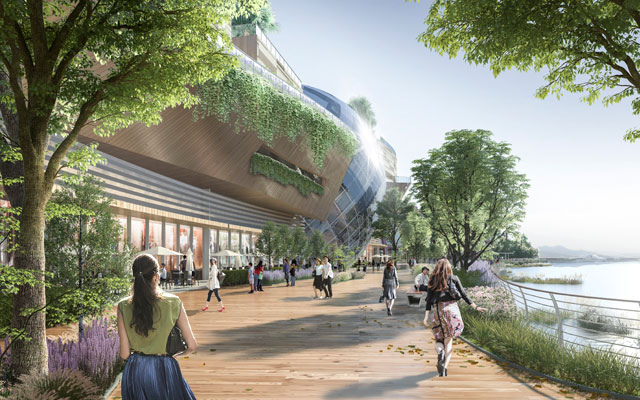
An artist’s impression of Resorts World Sentosa’s future waterfront promenade

Resorts World Sentosa (RWS) has major plans in store when business returns to full swing. The integrated resort is in the midst of a S$4.5 billion (US$3.2 billion) transformation into RWS 2.0, which will see an increase in gross floor area of about 50 per cent.

The added 164,000m2 will be largely achieved through intensification of existing land, and new experiences.

An artist’s impression of Resorts World Sentosa’s future waterfront promenade


The first attraction slated to open will be a new pirate-themed adventure dining playhouse that replaces the Resorts World Theatre. Next up are a public seafront attraction with free evening light shows, and expansions for both Universal Studios Singapore (USS) and S.E.A. Aquarium.

Prior to the pandemic, work had begun on the new Singapore Oceanarium, which triples the former S.E.A. Aquarium in size and takes over the Maritime Experiential Museum.

USS’ expansion will bring about two new sections – Minion Park and Super Nintendo World – featuring family-friendly attractions, themed shops and restaurants.

RWS 2.0 will also introduce a new waterfront lifestyle complex boasting two destination hotels that will add up to 1,100 more rooms to the entire resort.

Capping off the redevelopment are plans to introduce a new Driverless Transport System that provides last-mile connectivity between the mainland and Sentosa. – Pamela Chow

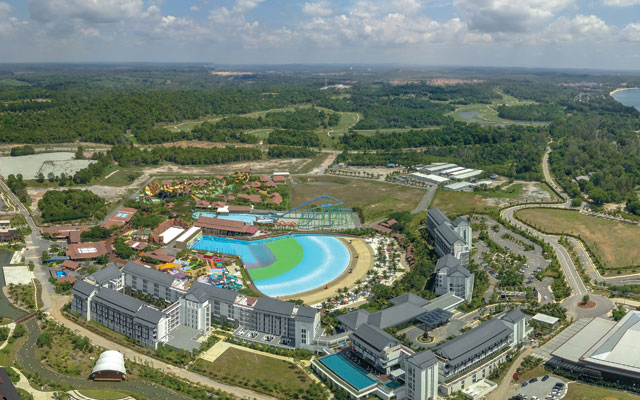
Desaru Coast in Johor is Malaysia’s first planned integrated destination with five-star international hotels, a conference centre, a water park, two championship golf courses, a retail village and a 17km pristine beachfront.

There are four hotels at Desaru Coast – the 275-key The Westin Desaru Coast Resort, 365-key Hard Rock Hotel Desaru Coast, Anantara Desaru Coast Resort & Villas, and soon-to-open One&Only Desaru Coast.

Desaru Coast transforms Johor’s landscape with luxurious hotels, a water park, two championship golf courses, a retail village, and more


The most recent hotel to join the fold – in December 2019 – is the Anantara Desaru Coast Resort & Villas. The property has 123 keys comprising 90 deluxe guestrooms in low-rise buildings that overlook the gardens, lagoon and ocean; alongside 33 one- to four-bedroom villas.

The last property slated to open – this coming summer – is the 45-key One&Only Desaru Coast.

General manager, Jerome Colson, let on that guests can expect two unique experiences: The View from the Top tree-climbing experience and The Call of the Gibbons guided morning walk with the resort’s resident naturalist to watch birds and gibbons in their natural habitat, and learn about the flora and fauna of the Panti Forest. – S Puvaneswary

Las Vegas Sands and Sands China will progressively open British-themed The Londoner Macao over the course of this and next year, which is an expansion and transformation of the company’s existing Sands Cotai Central integrated resort.

Joining The Venetian Macao and The Parisian Macao at the Cotai Strip, The Londoner Macao will boast recreations of classic British landmarks, with an exterior facade modelled on the Palace of Westminster and Houses of Parliament, complete with a 96m-tall Elizabeth Tower and clock face.

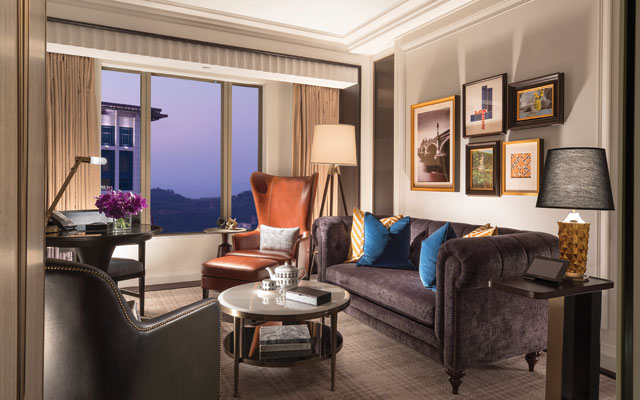
The Londoner Hotel is the latest all-suite product to join Sands Cotai Central


Four hotel brands promise luxurious stays, including all-suites 594 key The Londoner Hotel (previously the Holiday Inn Macao Cotai Central). Two floors at The Londoner Hotel will contain 14 bespoke suites designed in collaboration with ex-footballer David Beckham, who is the brand ambassador for resort owner Sands China.

Billed as the most luxurious hotel ever in Macau, the 368-room Londoner Court offers a choice of one- to four-bedroom suites ranging from 130m2 to 370m2.

Guests will be able to shop from around 200 stores at Shoppes at The Londoner – some of which are first-to-market brands – and enjoy access to amenities such as spas and health clubs. Some 20 F&B offerings on property will provide guests with culinary entertainment. Notable restaurants include The Mews, a Thai restaurant; Gordon Ramsay Pub & Grill; Churchill’s Table; and a special restaurant for Dongbei and Sichuan cuisine.

On the entertainment front, the resort is planning to roll out British-themed Streetmosphere shows such as the famous Changing of the Guards that takes place daily at Crystal Palace, as well as daily retail parades featuring iconic characters from British history, culture and literature. – Prudence Lui

Occupying a 44-hectare site in the Entertainment City overlooking Manila Bay, Okada Manila is the Philippines’ newest, largest and most luxurious integrated resort.

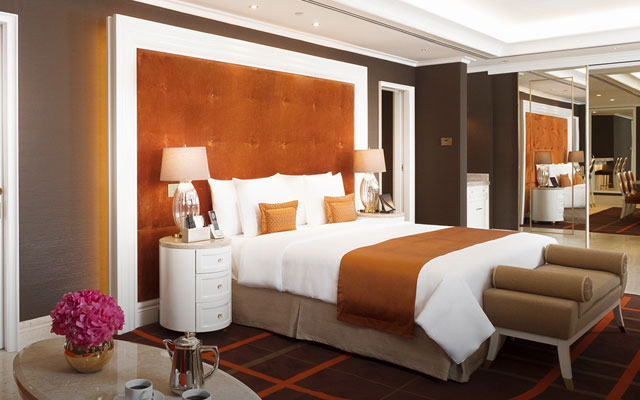
The resort offers 998 keys, ranging from the 50m2 deluxe rooms to 1,000m2 luxury villas.

Okada Manila promises luxurious stays


The family-friendly destination offers PLAY (Purposeful Learning and Activities for the Young) comprising eight purpose-built play areas; dedicated learning programmes for children; alongside regular facilities such as swimming pools and 21 dining options.

Representing the height of opulence, indulgence and wellness is The Retreat Spa, which offers bespoke spa programmes conducted by certified therapists. There’s also The Sole Retreat Foot Spa and Reflexology Center for high-quality spa, beauty, wellness and grooming treatments. Both offer an exclusive range of products.

The resort’s piece de resistance, Cove Manila, is South-east Asia’s largest ultra-luxe indoor beach-by-day and nightclub-by-dusk event venue. This UVA- and UVB-protective mega glass dome – 100 meters in diameter and 30 meters in height – can host up to 3,500 guests, and boasts advanced audio, video and ambient lighting technologies, as well as an in-house production team that that can whip up eye-popping shows and entertainment for up to 3,500 guests.

The integrated resort welcomes private functions, such as family gatherings and celebrations, with a mix of indoor and outdoor venues. The Garden, for instance, appeals to romantic celebrations, with its set of leafy trees, lush blooms and reflective ponds that are looked after by a special team of seasoned landscape horticulturists, landscape architect, urban forester and irrigation specialist. – Rosa Ocampo

Travelport keeps tabs on Covid-19 travel updates

0
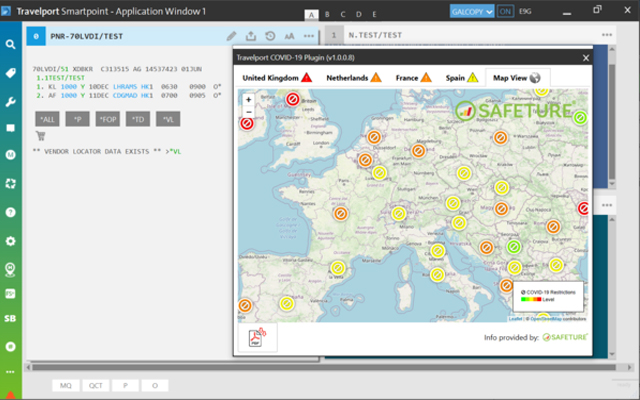
Travelport COVID-19 Smartpoint Plugin

Travelport has launched its Covid-19 Smartpoint Plugin, which provides travel agencies with the latest information on government restrictions, lockdowns and safety measures across the world.

It is available free to all Travelport customers globally, using Travelport Smartpoint 8.2 or above, and can be downloaded directly from Travelport Marketplace.

Travelport Covid-19 Smartpoint Plugin tracks Covid-19-related travel restrictions across the globe

The new tool provides detailed information on a range of topics, including lockdown rules, entry requirements and quarantine measures for travellers. Country-level information can be displayed at the click of a button, allowing agents to advise their customers easily and instantly.

Kyle Moore, global head of customer strategy and marketing, Travelport, said: “The travel ecosystem today is probably the most complex it has ever been, with government, airline, and hotel policies in every country constantly changing. We’re making sure our agent partners no longer need to constantly leave their workflow to search for accurate and up-to-date information – greatly improving their efficiency in servicing their traveller customers.”

Daily-updated information in the Travelport Covid-19 Smartpoint Plugin is provided by global travel safety intelligence provider, Safeture.

Science and human touch

0

Described by senior hospitality executives as a delicate balance of art and science, revenue management has been reshaped by technology, with artificial intelligence (AI) and data-driven sciences expected to become the absolute competitive advantage hotels need to optimise their revenue and profit.

Recent technological advances have allowed hotels to use data to determine ideal pricing variations, improve the booking process, better understand the consumption motivations of specific market segments and thus allow personalised marketing campaigns and guest experience to happen, among other things.

No doubt, hoteliers who master technology and integrate it into their organisational culture will be able to maximise revenue not only from hotel rooms but all streams including meetings and events and F&B.
A joint effort
While the right algorithms and a methodical approach allow revenue managers to turn data into actionable insights, the industry agrees that hospitality is fundamentally a people-centred business that responds dynamically to changes in sentiment. As such, revenue management cannot do without the human touch.

Tracy Dong, senior advisor of advisory services, IDeaS, commented: “Machine-learning (and) automated revenue technology can handle and process more data (and) more accurately than any human can ever dream (to do). But the art and refinement of revenue management must come from the minds of experienced individuals.”

She emphasised that “smart people and intelligent technology are not at odds”, and that joint effort is needed to achieve greater profitability and productivity.

Agreeing, Melissa Gan, managing director, Asia-Pacific, World Hotels, drew parallels between intelligent revenue management and a game of chess. “The data is on the board where we can all see and access the same information. However, based on experience, assumptions and predicting human behaviour can bring about more than one possible outcome.”

In fact, hospitality industry leaders believe that as technology supporting revenue management advances, skilled and intuitive revenue managers will rise in demand.

Hong Ruoying, associate director, revenue management and revenue optimisation, with Marina Bay Sands, Singapore, quipped: “Revenue managers now play an even more important role to ensure business sustainability. As markets open up and start to embrace meetings and travel at different rates, the collective nimbleness of revenue management, space optimisation, online distribution, and e-commerce will determine how quickly promotions can reach key markets, and how dynamic the rate can become.”

An eye on market needs
The need for human intervention in revenue management is evident as the travel and tourism industry learns to cope with changing travellers’ needs amid a Covid-19 pandemic.

Ben George, senior vice president and commercial director, Asia Pacific, Hilton, pointed out that travellers, emerging from post-Covid-19 lockdowns, will demand much greater flexibility and cost-effectiveness from their travel and tourism suppliers.

“Hotels will serve as more than just a place of lodging, but also a point of connection and convergence with local, in-destination activities,” George predicted.

“This presents an opportunity for hotels to create platforms or avenues that connect guests to unique experiences and local know-how, and to consider partnerships that could lead to more innovative programming and unlock new revenue streams,” he added.

Cinn Tan, chief sales and marketing officer, Pan Pacific Hotels Group, has identified new tourism opportunities for “emerging markets such as Myanmar, Cambodia, Vietnam, Laos and even second- and third-tier cities in mature countries like Indonesia and China” that are inspiring evolved revenue streams for her properties.

“We see new investments and new industries arising which contribute directly to the corporate segments,” Tan said.

For example, demand for corporate short- and long-stay is on the rise. To leverage this opportunity, Parkroyal Yangon converted some units into Soho (Small Office Home Office) serviced suites in 2019.

Tan added: “For mature markets, we now look beyond rooms and are providing more than beds for heads. As consumers are generally more sophisticated, hotels are catering to the lifestyle trend of dining experiences and adventures for both local and overseas guests.

“Travellers, especially family and solo travellers, now look for experiences that enrich and expand horizons through exploration and education journeys. Hotels are providing these either as added/packaged experiences, for example, cooking classes, partnering local suppliers, or part of their loyalty programme privileges, like the Pan Pacific Discovery local experiences.”

New hotels: Pullman Yueyang, Red Planet Hiroshima and more

0

Pullman Yueyang, China
Accor has opened the Pullman Yueyang in China’s Hunan province, marking the city’s first international upscale branded hotel. Located by Dongting Lake, the property offers 213 guestrooms and suites. Amenities include an all-day dining restaurant, a lobby lounge, gym, sauna, and a 2,000m2 outdoor swimming pool paradise complex that houses a children’s pool and heated indoor pool. Meeting and event spaces span a combined 2,800m2, with the largest space being the 861m2 pillarfree ballroom. An additional 15 meeting rooms, and an outdoor lawn adjacent to the swimming pool, make up the balance of the conference areas.

Red Planet Hiroshima, Japan
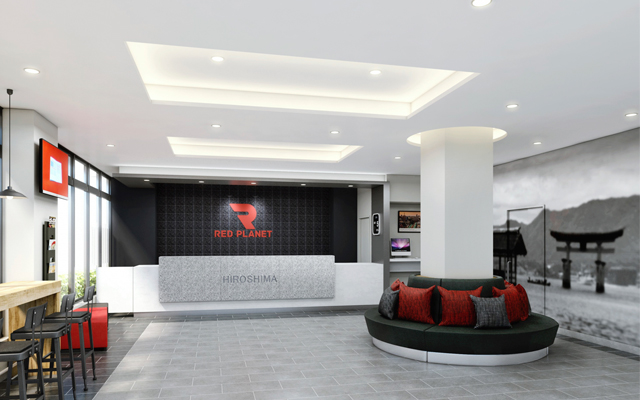
Slated to open in August, Red Planet Hiroshima is now accepting reservations. The 160-room property will mark the first Red Planet hotel in Hiroshima and the sixth in Japan. Nestled in the heart of the vibrant Nagarekawa neighbourhood and within easy access to three tram stations, the newly-built hotel will be close to the CBD and historic landmarks, such as the Peace Memorial Park and its renovated museum.

AC Hotel by Marriott Tokyo Ginza, Japan
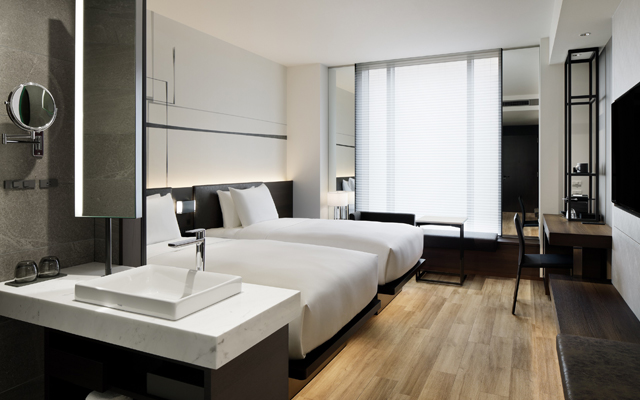
AC Hotels by Marriott, the design-led lifestyle brand from Marriott International, has opened its first outpost in Japan. Located in Tokyo’s upscale Ginza District, the 296-key AC Hotel by Marriott Tokyo Ginza houses facilities like an all-day dining restaurant, a 24-hour fitness centre, and a Japanese sake cellar. Business travellers can avail of the AC Lounge, a co-working space which transforms into an urban bar at night. Also on-site are three function spaces – a multifunction space with a roof terrace, and two meeting rooms that can accommodate up to 10 people each.

The Ritz-Carlton, Nikko, Japan
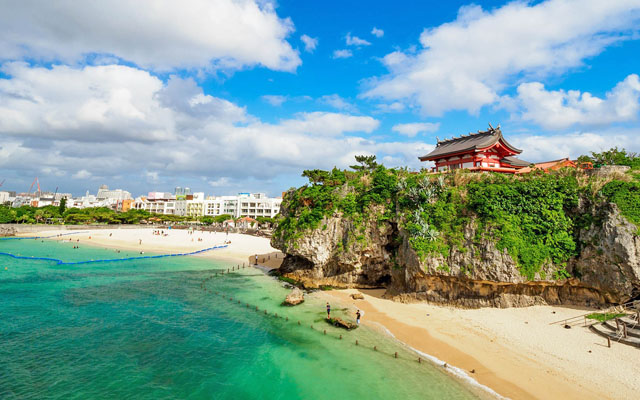
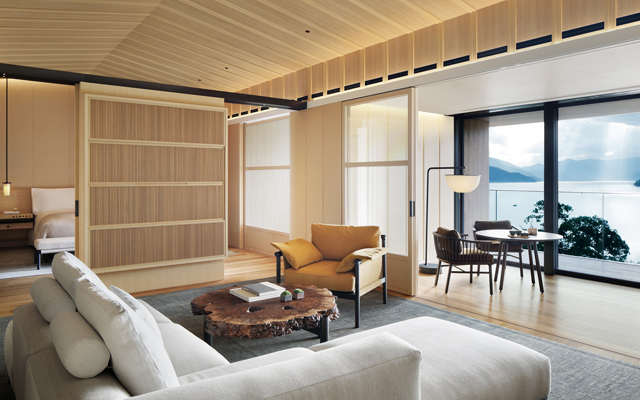
The Ritz-Carlton Hotel’s latest addition to its luxury Asia-Pacific portfolio is located in Japan’s Nikko National Park. Set amid a UNESCO World Heritage Site, The Ritz-Carlton, Nikko’s 94 guestrooms and suites all feature a private balcony and a lounge area. Facilities on-site include four F&B venues and a spa. This is the first Ritz-Carlton property to feature authentic Japanese hot springs, with a selection of indoor and open-air baths, where waters have been drawn from the nearby Yumoto Onsen. A nightly meditation is also available. Every day at dusk, the lobby area will be transformed into a place of spiritual respite, offering a moment to reset and appreciate the day that has passed.

Thai DMCs join forces to implement hygiene initiative

0
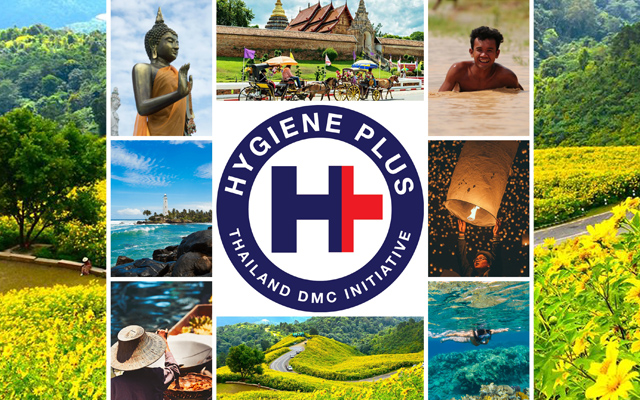
Thailand DMCs Unite to Create Uniform Health & Safety Standards Ahead of Tourism Restart

The DMC community in Thailand has come together to formulate and implement a set of standards entitled Thailand Hygiene Plus Initiative (THPI), to get the message out that the country is safe to visit.

The standards cover six areas: offices, staff, ground teams, meals, vehicles and transportation, sports equipment and facilities. The standards include, but are not limited to, those to be certified by the Amazing Thailand Safety and Health Administration (SHA).

Thailand DMCs have come together to create a standard SOP ahead of tourism restarting

A checklist of operational requirements has been developed and an agreement for implementation reached by all DMCs who have signed up for THPI.

Members include Abercrombie & Kent Thailand, Asia Exotica, Asian Trails, Black Rice Travel – A Member of LUXPERIA Collective, Destination Asia (Thailand), EXO Travel Thailand, Go Vacation Thailand, Khiri Travel Thailand, Panorama Destination Thailand, Remote Lands, Smiling Albino, Tour East, and Travel Exclusive Asia Thailand.

Khiri Travel’s CEO Herman Hoven said that this initiative gives international tour operators “tangible proof and meaningful assurances that we are taking extensive and proactive hygiene measures” to restore confidence while travelling in Thailand.

Daniel Fraser, founder and director of Smiling Albino, said: “When Covid hit the industry, our collective focus was on the swift and safe return of travel. The implementation of a united standard for future travel, formed through the collaboration of our peers, was natural.”

He added: “Collectively changing for the better, to create a safe and healthy travel experience for each DMC’s travellers shows that we are in this together and stronger as one.”

Live-streaming opens new doors for China hotels

0

With the pandemic serving as a catalyst for reinvention and digitalisation in the hospitality industry, live-streaming has, for some Chinese hoteliers, evolved into more than an alternative sales tool amid the travel slump.

With travel and mobility restrictions in place, Chinese hotel players turned to various online marketing methods, including cloud tourism, live-streaming, and selling vouchers that can be used to redeem future stays. These methods have become the impetus for hotel industry recovery in China, shared Tyrone Tang, CEO, Shimao Star Hotels Group.

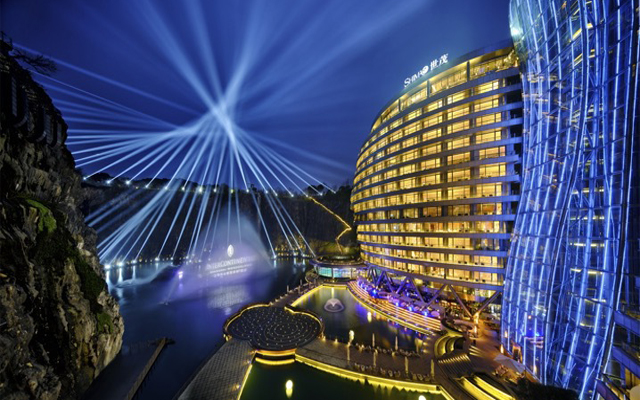
Hotel groups in China, like Shimao Star Hotels Group, are tapping on live-streaming boom to rake in sales amid pandemic; InterContinental Shanghai Wonderland, developed by Shimao Group, pictured

Besides harnessing new media, industry players also employed low pricing strategies to obtain much needed cash flow and keep their brands and properties top-of-mind, he observed.

However, moving forward, Tang reckoned that any sales momentum and short-term recovery garnered by price cuts has to be supported by corporate structure changes and long-term marketing strategies, including product transformation that leverages the hotel’s USP and competitive advantage. Live-streaming could be harnessed as part of such product and business transformation in the long-term.

While hotel players may be concerned about striking a balance between their brand image and boosting live-streaming sales, Tang remarked that the two are not mutually exclusive.

Shimao Hotels and Resorts, for instance, has adopted a bigger picture view of live-streaming where the marketing channel becomes more than a platform to sell specific products and is incorporated as part of its overall branding process. They tapped on Ctrip’s popular BOSS Live Stream platform on three occasions to present curated, signature products.

Tang also reckoned that the rise of live-streaming may drive many hotels to allocate resources towards creating current bestsellers or products of the moment to drive up sales.

However, he stressed, hoteliers who make an effort to find out customers’ expectations and consequently refine their products and services, are those who will organically come up with best-sellers.

Live-streaming, if effectively harnessed, can prove a powerful tool to bring well-crafted products to audiences. Only by identifying customers’ expectations can brands and properties come up with products in step with the target audience, existing market demand and the current consumer landscape, he shared. Products that meet these requirements can then become best-sellers of the moment when sold at the right timing, under the right market conditions and through the right platform.

This will also pave the way for the product to not just sell well on one occasion but become consistent best-sellers – a more accurate measure of successful marketing via live-streaming.

As such, he advised hotel players not to simply come up with crude or simplistic marketing messages, but to think out of the box to develop a story and content based upon their brand’s or property’s differentiating factors and work to communicate this through live-streaming.

While hotel players might look to move away from price lures as pandemic conditions stabilise, selling products via live-streaming inevitably leads to price comparison, acknowledged Tang.

Hence, it remains pertinent for hotel players to work on their pricing strategy. Another means of attracting customers on live-streaming is creating value-added products, such as add-ons, and exclusive or limited-edition products to spur customers to make the purchase.

Additionally, reliability remains a significant factor in ensuring effective marketing via live-streaming in light of the pandemic, said Tang. This means ensuring customers receive their purchases as promised and that their health and safety is carefully considered, he remarked.

As travellers become more discerning, and their demands more refined, hoteliers who harness live-streaming effectively and whose products become best-sellers due to their inherent quality will receive a boost in brand image and word-of-mouth publicity, reckoned Tang.

With this in mind, he added, hotel players should work towards offering personalisation, as well as differentiated products and services, in order to gain first-mover advantage.

– Translated by Angela Teo; this article was first published in TTG China

New CTO, CFO takes helm at Hmlet

0
From left: Pramodh Rai and Rajive Keshup

Singapore-based co-living start-up Hmlet has appointed Pramodh Rai as CTO and Rajive Keshup as CFO.

Rai who was previously senior vice president, product & technology will lead Hmlet’s technology platform buildout, data governance efforts and drive business efficiencies.

From left: Pramodh Rai and Rajive Keshup

He has more than eight years of experience growing products and strengthening engineering capabilities at Funding Societies (known as Modalku in Indonesia), CoinHako, and HomeAway Asia. He also previously founded Jugnuu, an India-based English language learning application.

Keshup, previously senior vice president for finance, investment, and strategy, will continue to lead in those areas in his new role. He will also be responsible for securing and maintaining supply-side relationships with landlords and developers.

Previously based in the US, Keshup brings over 15 years of experience in strategy consulting and corporate finance at PwC’s Strategy&, EY-Parthenon and AT&T. He previously founded SPOT!, a luxury pet hotel chain in New York City and Dubai.

Bali ought use Covid-19 downtime to rethink sustainability: experts

0

The Covid-19 pandemic which has brought travel businesses to a halt is an opportune time for Bali to reset its policy on responsible and sustainable tourism, according to experts.

Speaking at the seventh session of the Road Map to Bali’s Next Normal on sustainable tourism last week, David Ermen, managing director of Destination Capacity New Zealand, expressed hopes that tourism stakeholders would use the pandemic downtime to redesign Bali as a more sustainable destination, instead of putting environmental and social commitments on the backburner to get the economy back on track.

Tourism players in Bali should use Covid-19 downtime to integrate sustainability into their business continuity plans that will reap benefits for the local people, say experts; Samsara Living Museum in Bali showcasing the traditional way of life pictured

The pandemic, in a way, has brought benefits to the environment as the cut back in tourism activities has resulted in clearer air, cleaner beaches and reduced waste.

“When tourism develops in a location and foreign tourists come back, locals would be very happy because (travellers) are bringing income to the community. As the number increases and gets back to the previous level, perhaps some irritations will come back because the traffic will rise and there will be more waste again and other issues that we had before,” Ermen said.

Agreeing, Ary Suhandi, founder of the Indonesian Ecotourism Network, said that to reset Bali was feasible, especially during its initial reopening when tourist footfall would be low, as virus fears linger.

The less crowded Bali, he said, is the best setting for the local government to formulate a better strategy to balance the island’s development with sustainability.

I Gede Ardika, former minister of culture and tourism and member of UNWTO-World Committee on Tourism Ethics, reminded Bali stakeholders that the principle of the development of sustainable tourism is prosperity, planet and people, with people the key. Communities in the traditional villages in Bali should become the leading players in the development.

He called on the regional government alongside all stakeholders to draw up a detailed Bali Tourism Development Plan in order to actualise the island as a responsible and sustainable tourism destination.

As for tourism businesses in Bali, he said they need a paradigm shift from interpreneurship which focuses mainly on economy to sociopreneurship by integrating and involving local communities in the development of tourism.

He added: “On the other hand, the traditional community should also get ready to become the leading players to create a responsible and sustainable tourism destination.”