

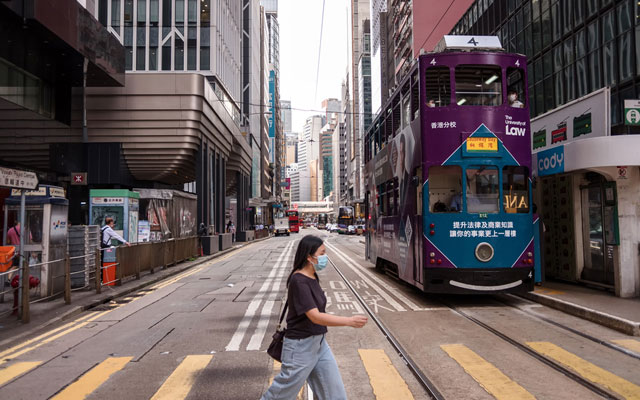
ATTIA welcomes two new partners

The Asia Travel Technology Industry Association (ATTIA) has welcomed two new members to its ranks – Amadeus and Travelport – as it commits to revive and grow the tourism sector in Asia-Pacific.
ATTIA’s mission is to serve as an industry resource to governments to offer support in tourism recovery and growth efforts; build advocacy and coalitions with governments, fellow trade associations, academia and multilateral organisations, as well as DMOs to build a health travel ecosystem for the region; and leverage the use of data insights to future proof and support other industry partners like SMEs as they navigate today’s ever-changing landscape of the travel and tourism industry.

ATTIA’s founding members include Agoda, Airbnb, Booking.com and Expedia Group. The association will be prioritising its support towards government initiatives that will drive both domestic and international recovery.
“We have ambitions to leverage our members’ scale and data insights to help governments and businesses to navigate the changing landscape of travel and tourism… Expanding membership allows us to draw on specific industry and market acuity, providing a strong resource for the region.” said Richard Andrew, executive director of ATTIA.
“The return of safe, responsible travel is not just important for the tourism industry but also for the larger global economy, which benefits from international travel, trade and investment,” concluded Richard.
The travel and tourism sector is a key pillar of Asia Pacific’s economic recovery, which has affected approximately 67 million jobs.
TTG Asia takes Good Friday break

TTG Asia will be taking a break on April 2, in observance of Good Friday.

To our Christian readers, have a good Holy Friday and Easter Sunday. News will resume on Monday, April 5.
Hong Kong’s domestic tourism recovery gathers pace
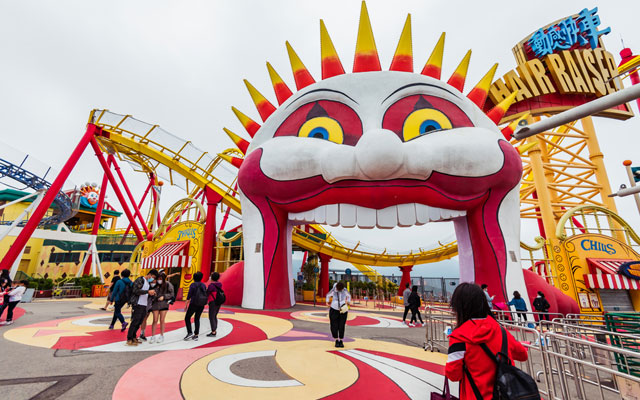
With the fourth Covid-19 wave ebbing and the government’s vaccination programme in progress, Hong Kong tourism players see a glimmer of hope as recovery campaigns resume to spur local consumption and travel.
Last Friday (March 26), the Hong Kong Tourism Board (HKTB) kicked off the Staycation Delights programme to boost domestic spending. The public can collect original machine-printed receipts with a minimum spend of at least HK$800 (US$102) in physical retail or dining outlets to redeem a HK$500 discount on a hotel package. The promotion is capped at 20,000 room bookings on a first-come, first-served basis.
This is in addition to a new round of promotions under the Holiday at Home campaign to boost consumption in the city’s retail and F&B sectors.
All Wharf Hotels in town participated in the promotions to pivot to the staycation market in the absence of international visitors.
Additionally, the group has also rolled out a series of offers to stir interest among the domestic crowd. The Colour Your Spring package, launched at Niccolo and Marco Polo hotels in Hong Kong, offers 20 per cent off room rates for stays from February 27 to April 30, 2021, with an exclusive gift to “cultivate the qualities of mindfulness” throughout one’s stay.
“We have seen good traction and pick-up for this package – which covers the Easter period – with very positive bookings at the hotel,” said president of Wharf Hotels, Jennifer Cronin.
Meanwhile, the HKTB is preparing to launch the second round of the Free Tour programme once bans on local tours are lifted.
The Free Tour programme aims to boost the local economy by giving free Hong Kong tours to local residents who spend a certain amount at brick-and-mortar retailers and dining outlets.
While exact details for the second round of the campaign have not yet been released, a total of 20,000 seats will be made available this time round – double that of the first stage of the programme.
HKTB has since approved submissions of itineraries submitted by tour agencies in mid-February for the second round of the programme.
“Response has been overwhelming, with more agents signing up to offer their products this time round,” said Wing Wong, director of sales and marketing at Prince Travel, among the agencies who signed up.
Wong stated that the government has been in talks with the travel trade on the conditions for the resumption of local tours. He added: “Employees in tourism-related sectors are now among the priority groups for receiving the Covid-19 vaccine. So we’d get vaccinated in the next few weeks to prepare for the resumption of tours.”
Still, the government needs to take action to revive inbound tourism, claimed Cronin. This includes creating “a road map to reduce the city’s three-week quarantine, the most severe in the world, and a vaccination e-certification platform that is globally recognised”, she said.
“The safety of our community is paramount, but the sustainability of our city’s business environment will have profound social and economic outcomes, if not addressed as soon as possible. Hong Kong’s competitiveness can be ahead of the curve with improvements in these initiatives.”
Intra-regional tourism crucial for SE Asia travel revival
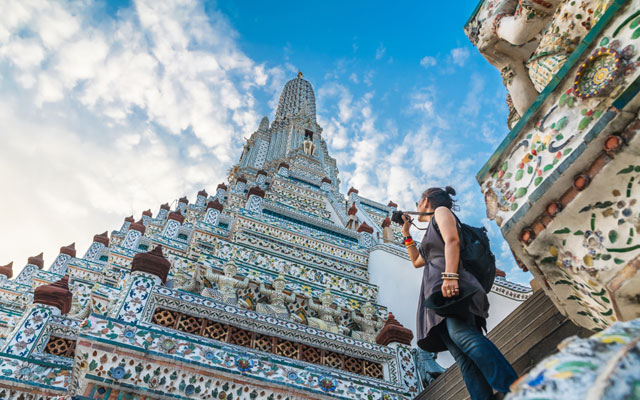
Due to an abundance of low-cost connectivity and an increased preference for travel closer to home in the midst of the pandemic, intra-regional tourism will play a key role in revitalising South-east Asian countries’ tourism economies, according to GlobalData.
GlobalData’s latest report, Tourism Destination Market Insight – ASEAN (2021), revealed that in 2019, 44.3 million tourists travelled between the South-east Asian countries. The intra-ASEAN travel is expected to grow at a compound annual growth rate of five per cent from 2019 to 2024, and reach 56.6 million by 2024. Given the high level of growth, intra-regional travel could be key to the region’s recovery from the impact of Covid-19. The virus caused a 36.9 per cent year-over-year decrease in intra-regional travel in 2020, to a low of 27.9 million arrivals.

Gus Gardner, travel and tourism analyst at GlobalData, commented: “In 2019, intra-regional travel accounted for a total of 32.3 per cent of all travellers, showing the importance of regional links. With depleted budgets and Covid-19 fatigue setting in, travellers will be keen to travel and are more likely to select destinations closer to home. With the provision of relaxed visa policies between the member states, the barriers to travel are low and will help increase the intra-regional flows post-Covid-19.”
The ratification of the ASEAN single aviation market agreement has increased the level of competition and accessibility of intra-regional flights, much to the delight of travellers.
Gardner concluded: “The market has become saturated with low-cost airline connectivity due to the market liberalisation that has occurred. The low fares and high route frequency offered by these carriers has created a vast connected network across the region, reduced fares, and made travel more affordable. With personal financial concerns growing due to Covid-19, the availability and affordability of flights will be vital to stimulating tourism flows in the near future.
“Even after accounting for the impact of Covid-19, intra-regional travel is forecast to achieve a healthy growth rate. Given the cultural similarities and strict measures to tackle the virus, destinations within the region are likely to increase in popularity. This type of travel will provide the much-needed revenues for travel firms and could play an important role in revitalising the tourism economy before the travellers begin traveling further abroad again.”
Qatar Airways plans to fly to over 140 destinations this summer
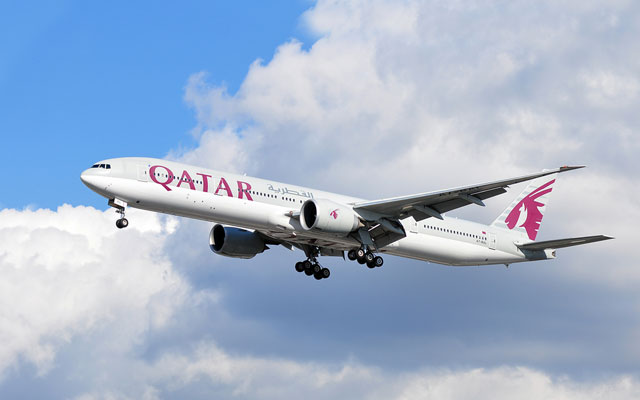
Qatar Airways continues to expand its network of destinations, with plans to operate over 1,200 weekly flights to more than 140 destinations by the middle of summer 2021.
The breakdown of destinations include 23 in Africa, 14 in the Americas, 43 in Asia-Pacific, 43 in Europe, and 19 in Middle East. Many cities will be served with a strong schedule, with daily or more frequencies.
Currently, the Qatari flag carrier is the airline offering the most number of international flights to destinations across the world, according to recent figures from travel data provider OAG.
Qatar Airways Group CEO, Akbar Al Baker, said: “We are proud to lead the recovery of international aviation, implementing the highest standards of bio-safety and hygiene and investing in the latest innovations to simplify travel and restore passenger confidence during the most challenging period in aviation’s history.
“Having never stopped flying throughout the pandemic, we have used our unrivalled experience and modern, fuel-efficient fleet to operate a sustainable and reliable network our passengers, trade partners and corporate customers can rely on. We also continue to offer the largest international network, including launching seven new destinations, to provide the connectivity our passengers and cargo customers need.”
Clark Airport’s new terminal to open in July with contactless solutions

Clark International Airport (CRK)’s new terminal, which is set to be operational by this July, will deploy contactless solutions to assuage pandemic safety concerns.
Luzon International Premier Airport Development (LIPAD), which operates and manages CRK, said the new four-storey terminal which will span 110,000m2 and be able to accommodate eight million passengers, will be one of “safety, ease and quiet”.

LIPAD CEO Bi Yong Chungunco revealed that peace of mind for travellers is a high priority for the airport, with design and processes at the terminal suited to meet those needs. She said: “We will operate a ‘silent airport policy’, meaning, it will be the quietest and most relaxing airport in the Philippines.”
In line with that new vision, the airport will not make any calls for boarding and departures, save for emergencies. Travellers will have to rely on posted updates.
Among the technology being deployed to eliminate the need for face-to-face interaction will be the common-use self-service kiosks and the self-service bag drops. Travellers can self check-in at these kiosks, without the need for ground staff.
The terminal’s interiors will boast deeply intuitive design, such as the use of colour as consistent distinctions for certain uses. For instance, the use of green will point to international flights, while blue, domestic flights. The layout of halls will allow for a fuss-free passenger experience, while operational processes will be streamlined.
The airport will also implement protocols for safe distancing and other necessary measures to ensure passenger safety in a pandemic.
IHG’s voco continues global expansion
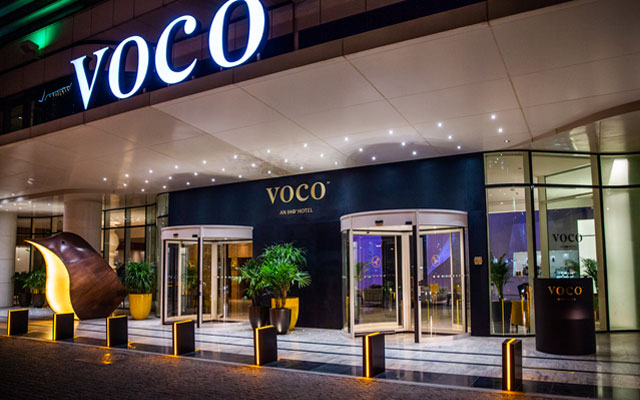
IHG Hotels & Resorts, which recently signed the 50th property under its voco brand, aims to grow to 200 voco hotels across the globe within the next decade.
voco Brisbane City Centre, the brand’s latest signing and 50th hotel globally, which will overlook the Brisbane River and the city’s best cultural institutions, is scheduled to open this year.
In addition, there are several other voco openings in the Australasian pipeline, including voco Melbourne Central, which is on track to open this August; and voco Auckland City, which is slated to open later this year. As well, voco Sydney Central and voco South Melbourne are set to open in 2022 and 2025, respectively.
Amid the pandemic, in 2020, IHG reported an increase in conversion activity globally, with 25 per cent of the company’s signings as conversions – and 13 per cent of those for the voco brand.
Growth for the brand continues across the Middle East with the signing of voco Jeddah North in Saudi Arabia in December 2020, and the first all-suites for voco signed in Doha, Qatar.
The brand will also make its debut in Vietnam soon with the voco Ma Belle Danang property, located next to the beachfront along the main thoroughfare of the coastal city.
Over in Greater China, IHG’s first voco signing in Wuhan is a conversion property, which will officially open as voco Wuhan Xinhua this year, after renovations.
In 2021, China will also open two voco hotels in Nanjing – one is a new-build property located in the Garden Expo; the other one is converted from the heritage Nanjing Oriental Pearl Hotel in a prime downtown location.
Vaccinate SIDS to kickstart tourism recovery, urges UNWTO
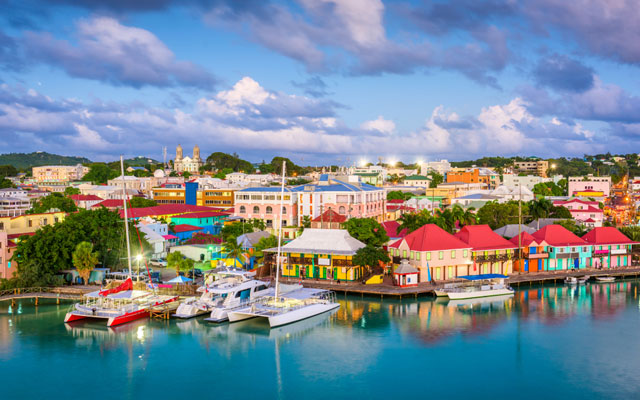
The UNWTO is calling for the international community to show solidarity with SIDS (small island developing states) by ensuring they have access to Covid-19 vaccinations.
With tourism a leading employer and economic pillar for many of the SIDS, the UN agency has stressed that pledges to ensure ‘nobody is left behind’ in the recovery phase of the crisis must be backed up with firm actions.
Given the relatively small size of the populations of the SIDS, the cost of mass vaccinations will be minimal compared to the potential benefits of restarting tourism, UNWTO said in a statement. It added that given tourism’s wide value chain and proven ability to create opportunity for all, the impact of rolling out mass vaccinations and allowing tourism to restart, will go beyond economic benefits.
UNWTO secretary-general Zurab Pololikashvili said: “By sharing vaccines with SIDS, the international community can help accelerate the restart of tourism in these leading destinations. Due to the size of the populations of the SIDS, the cost of mass vaccinations will be small, but the benefits will be significant. It will restore confidence in visiting SIDS, allowing the many social and economic benefits of tourism to return.”
Pololikashvili was speaking after a meeting with Dario Item, ambassador of Antigua and Barbuda to Spain, at the UNWTO headquarters in Madrid. One of the 38 SIDS, Antigua and Barbuda is a top tourism destination and is looking to the restart of tourism to protect businesses and jobs and economic growth at both the national and local level.
According to UNWTO data, prior to the start of the pandemic, tourism accounted for more than 30 per cent of total exports in the majority of the 38 SIDS. In some countries, this proportion has risen as high as 90 per cent. The significance of tourism makes these destinations especially vulnerable to falling tourist numbers, making the timely restart of the sector of vital importance, concluded UNWTO.
Two seasoned hoteliers join Novotel Manila team

The Novotel Manila Araneta City has welcomed two hires, Maria Manlulu-Garcia as its general manager, and Darwin Labayandoy as resident manager.
Manlulu-Garcia is the very first female general manager for an Accor property in the Philippines. She embarked on her hospitality career in 1992, and began as a front office agent who rose to become rooms director of the Ramanda Portland in the US.
She then returned to the Philippines to take up the post of general manager at the Pico De Loro Country Club and Pico Sands Hotel, Batangas. After which, she moved to Indonesia to become Sofitel Bali Nusa Dua’s executive assistant manager, and eventually worked her up to its resident manager in 2016 and hotel manager in 2019.
She will be supported by Darwin Labayandoy, who has been promoted from director of rooms to resident manager at the Novotel Manila Araneta City.
Labayandoy has 25 years of hospitality experience under his belt, and prior to joining Novotel Manila Araneta City, he held key positions at Dusit Hotel Nikko and Sofitel Philippine Plaza Manila.







Hong Kong will shorten the mandatory quarantine period from 21 days to 14 days for travellers coming from low-risk areas including Singapore, Australia and New Zealand.
Vaccinated visitors from medium-risk areas will also only need serve a 14-day quarantine, officials said at a briefing on Monday (March 29). Both groups of travellers will be required to undergo an additional seven days of self-observation.
Meanwhile, Hong Kong and Singapore has resumed discussions for the establishment of a two-way travel bubble. According to a South China Morning Post report, the city is also looking to forge similar agreements with Australia, Thailand, Vietnam, Japan and South Korea.