

Tourism Australia has had to shift its focus to the domestic market during the pandemic. What were some of the challenges over the past year and how did you address them?
When Covid-19 emerged last year, Tourism Australia had recently returned to domestic marketing for the first time since 2013, with the launch of the Holiday Here This Year campaign, in response to the 2019-20 summer bushfires. With the pause of international travel due to the pandemic, we were ready to refocus greater attention on marketing to an Australian audience to encourage domestic travel.
Apart from the challenges of travel restrictions and having some stop-start moments to getting travel up and running again, one of the challenges we found as we returned to market domestically is that Australians may not know what’s on offer in their own backyard as well as they think they do.
Typically, the domestic holidays people take tend to be similar each year while the research and dreaming goes into the big overseas trip. So, our domestic marketing has also encouraged Australians to think differently about domestic holidays and to travel more like an international traveller would when exploring their own backyard.
What do you see are the biggest needs of the tourism industry right now, and what are you doing to meet them?
The thing that will really support the industry in getting back on its feet is to have people travelling again, and the pathway to achieving this is through vaccination. That’s why in August we launched the It’s our best shot for travel initiative, which was designed to encourage the community to support the tourism industry by getting their Covid-19 vaccination.
Australia’s plan is to rely less on lockdowns when vaccination rates reach 70-80 per cent. How confident are you that domestic tourism will return then and why?
We know from our consumer research that there is pent-up demand for travel, and Australians are keen to take a domestic holiday. Research shows that Australians want to travel again. Our Travel Sentiment Tracker from September shows Australians are increasingly feeling like they need a holiday, with 67 per cent indicating they want to take a holiday in the next six months.
In 2021, we have seen that demand for domestic travel reach a new high for the first time since the start of the pandemic, with Australians booking more domestic holidays and spending more when they travel. After many months of decline, the figures for May 2021 (prior to the Delta outbreaks) show that overnight trip expenditure exceeded 2019 levels by nine per cent or an additional A$540 million (US$407.1 million). The average spend per trip also increased to A$778, up 25 per cent compared to May 2019.
What are your plans now that the Australian government has announced the reopening of international borders?
Our intention is to ramp up our marketing as quickly as possible, with a focus on converting interest in Australia into bookings. We know there will be increased competition between destinations looking to rebuild their visitor economies, and returning to pre-Covid levels of travel will take time. However, we are certainly looking forward to, once again, welcoming visitors from our key markets to Australia.


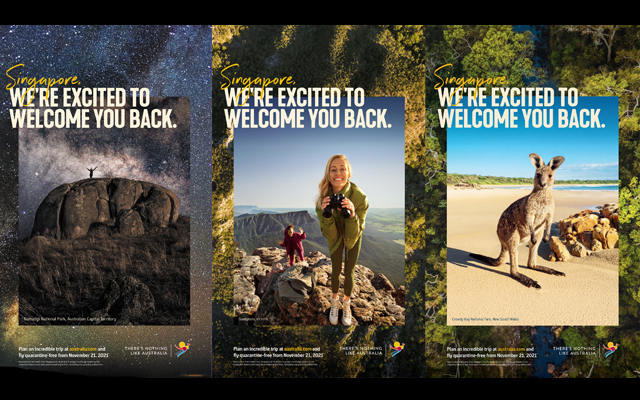
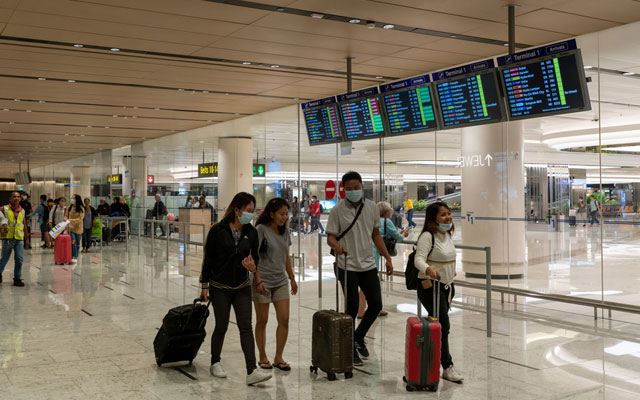
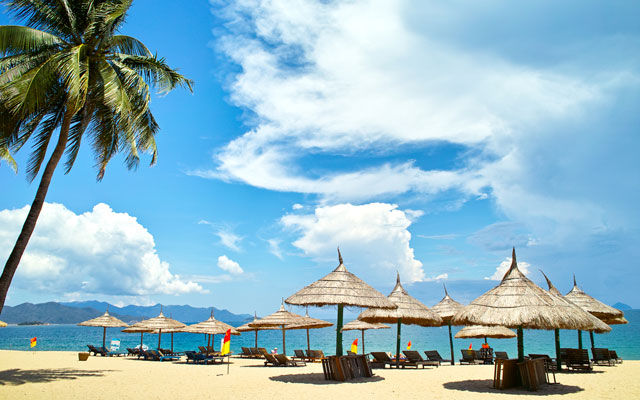
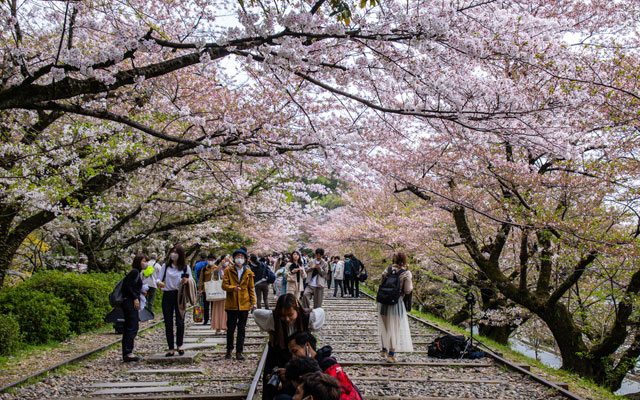










Tourism Australia has kicked off a campaign to welcome Singaporean citizens back to Australia, ahead of the opening up of quarantine-free travel for vaccinated citizens from Singapore to Australia on November 21.
The two-phase campaign, with the tagline We’re Excited to Welcome You Back, features destination imagery of the participating jurisdictions of New South Wales, Victoria and the Australian Capital Territory. It commenced on November 12, with the next phase to roll out on November 21.
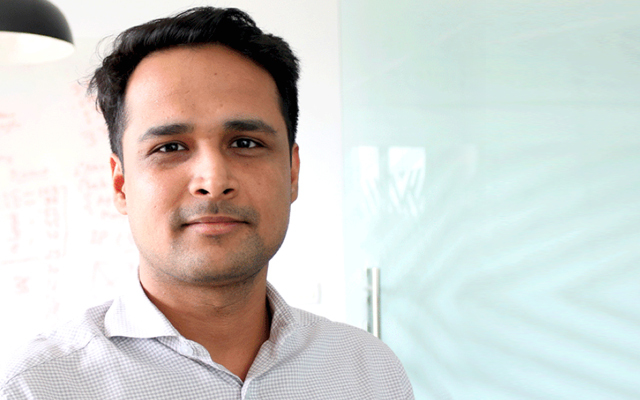
“As one of our largest inbound markets, we have long held strong tourism ties with Singapore, so we are really excited to be welcoming this market back,” said Brent Anderson, Tourism Australia regional general manager South and South-east Asia.
He noted that Australia has long been a popular travel destination for Singaporeans, who spent A$1.53 billion (US$1.12 billion) on their travels here in 2019, and with more than 80 per cent repeat visitation.
“Australia’s relative isolation from the rest of the world, coupled with its sparsely populated land and natural wonders, have never been more precious and desirable, and we hope Singaporeans will jump on the opportunity to fall in love with Australia all over again,” said Anderson.
As part of the campaign, Tourism Australia is working with a range of key distribution partners to drive bookings and boost recovery for Australia’s hard-hit tourism economy, including Chan Brothers, UOB Travel, Dynasty Travel, CheapTickets.sg and Klook who will provide tactical offers aimed at stimulating travel to Australia from Singapore. Details of the available travel offers and packages are available on australia.com.
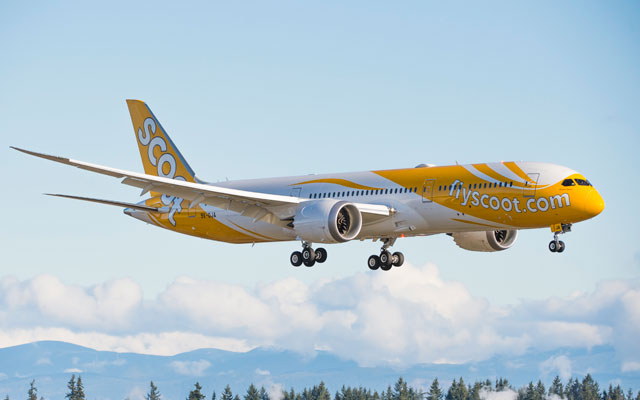
Tourism Australia is also partnering with Singapore Airlines and Qantas to support the recovery of the airline industry and recommence services into Australia in the coming months.