

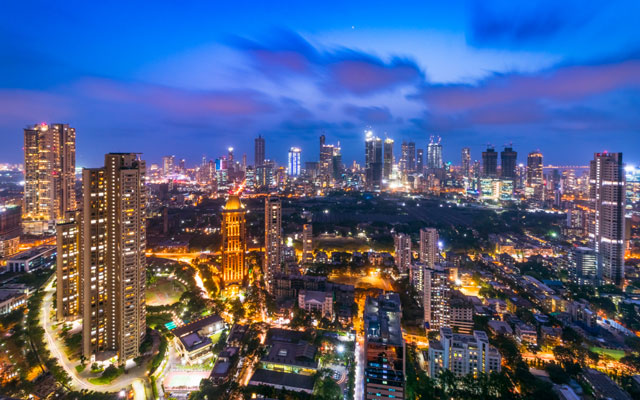
Minor Hotels to debut in Bahrain with two new signings
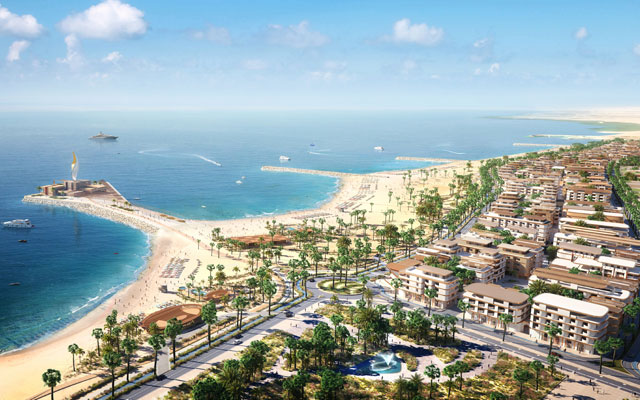
Minor Hotels will be making its foray into Bahrain with the upcoming debut of its Avani and Tivoli brands.
Scheduled to open in 2024, Avani Bilaj Al Jazayer Bahrain Resort and Tivoli Bilaj Al Jazayer Bahrain Resort will be part of Bilaj Al Jazayer, a new waterfront leisure mixed-use masterplan owned by Edamah, the real estate arm of Bahrain’s sovereign wealth fund, Mumtalakat.
The new development will offer resorts, residential villas and apartments, F&B outlets, retail, offices and entertainment.
Bilaj Al Jazayer is located on the south-west coast of Bahrain and encompasses 1.3km² of land with a 3km beachfront. The new Avani and Tivoli hotels, each with 110 keys, will be located along the main boulevard of Bilaj Al Jazayer on the waterfront.
Avani Bilaj Al Jazayer will offer a selection of guestrooms and suites, an all-day dining restaurant, an Avani Pantry and a pool bar, in addition to an outdoor swimming pool, a gym and meeting space.
Tivoli Bilaj Al Jazayer’s facilities will include guestrooms and suites, two restaurants, two bars and a café, an outdoor swimming pool, a gym, plus spa and wellness facilities. In addition, the hotels will share a beach club within the Bilaj Al Jazayer development.
Uzbekistan’s new tourist attraction Silk Road Samarkand preps for 2022 opening
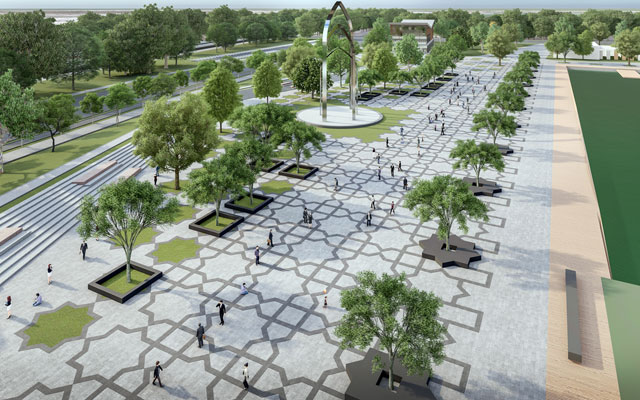
Silk Road Samarkand, a multifunctional tourist complex housing cultural, recreational, medical and business facilities, is set to open come 1H2022.
The new complex will be home to hotels, public spaces, parks, recreation and sports areas, restaurants, cafes and bars, as well as an international congress hall and sites of cultural interest.
The name of the centre was selected deliberately: the routes of the Great Silk Road passed through the territory of current-day Uzbekistan from the II century BC until the XV century, and ancient Samarkand was one of the most important stops for trade caravans.
Located in the eastern part of the city, Silk Road Samarkand covers an area of about 260ha and comprises various thematic zones. The Business Cluster includes a congress hall and four upscale hotels, while the Southern Cluster includes four boutique hotels, an eco-village, the Eternal City historical and ethnographic complex, as well as some shopping areas.
Resort guests will enjoy green pedestrian zones, open spaces and a well-designed environment. The entrance will be decorated in traditional motifs reminiscent of the majestic arches of Registan. Sports grounds and bike paths, a volcano aqua zone with swimming pools, as well as a variety of cafés and bars will be among the site’s attractions.
Hilton Melbourne Little Queen Street woos staycationers with City Sleepover deal
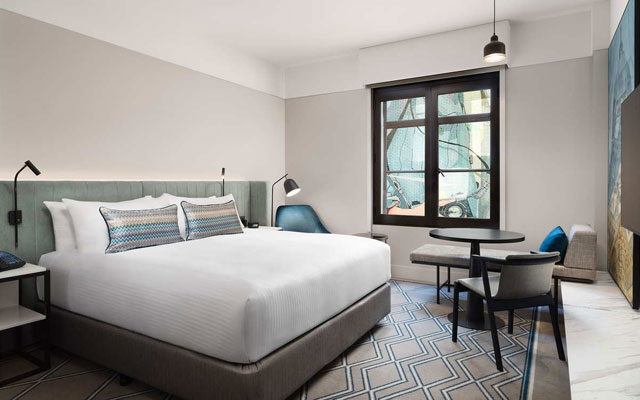
Hilton Melbourne Little Queen Street has launched a City Sleepover package for guests to rediscover the best of Melbourne.
Located on the corner of Little Queen and Bourke Streets, the upscale hotel which sits within the heritage-listed Equity Chambers building provides easy access to the city’s recreational and cultural attractions.
The City Sleepover staycation offer priced from A$295 (US$216) includes a one-night stay in a King Guest Room, valet parking, daily breakfast for two at Luci restaurant, free Wi-Fi, early check-in and late check-out.
Room amenities include a 55-inch HD Smart TV, a workspace, a mini-refrigerator, coffee amenities by Dukes Coffee, and bathroom amenities by Hunter Lab. Guests can dine on-site at the Luci restaurant helmed by chef Sam Moore; and The Douglas Bar, an opulent bar offering cocktails, cognacs, and a wine and champagne selection.
The package is available for booking from now until August 31, 2021 for stays through December 30, 2021.
Japan’s first Regent hotel to open in Kyoto
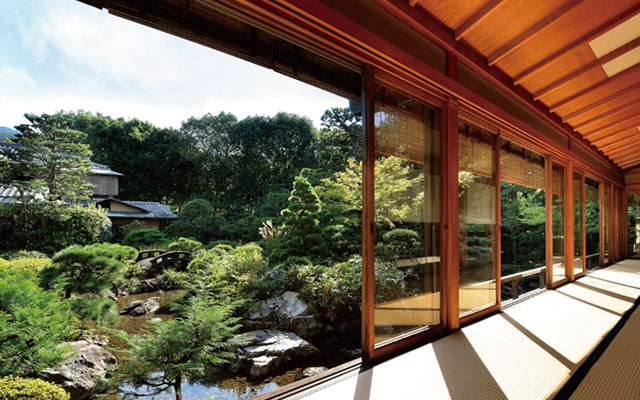
IHG Hotels & Resorts has signed an agreement with GI Capital Management to open Regent Kyoto in 2024.
Set within a garden that was originally landscaped 100 years ago by renowned gardener, Kumakichi Kato, Regent Kyoto’s location is currently home to Michelin-starred restaurant Tsuruya.
With more than 100 years’ history, Tsuruya is housed in sukiya-style wooden buildings, some of which were designed by celebrated architect Isoya Yoshida. Regent Kyoto will be thoughtfully designed to incorporate Tsuruya and the gardens, and will offer 86 rooms, a lobby lounge, fitness centre and spa, along with several restaurants in addition to Tsuruya.
IHG Hotels & Resorts acquired a majority stake in Regent Hotels & Resorts in 2018, and has since added six hotels to the pipeline, including Regent Shanghai, Regent Phu Quoc, Regent Bali, Regent Kuala Lumpur, and Regent Hong Kong.
SIA, Scoot snag five-star Covid-19 airline safety rating from Skytrax
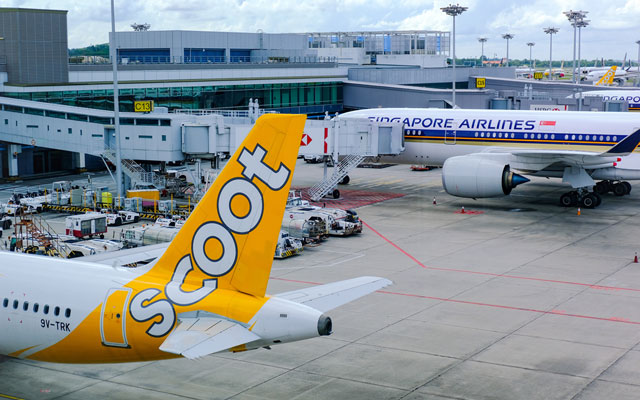
Singapore Airlines (SIA) and its low-cost subsidiary Scoot have been awarded the highest 5-Star rating in the Skytrax Covid-19 airline safety audit, following a comprehensive assessment of their health and safety measures for customers and staff across the entire travel journey.
Scoot is the first low-cost carrier in the world to get this 5-Star rating from Skytrax.
Skytrax evaluated over 190 safety and hygiene protocols at SIA and Scoot during the audit. This included cleanliness at the airport and on board flights, social distancing measures, usage of face masks and sanitisers, and other hygiene improvement systems. These were then certified based on a professional and scientific investigation of the airlines’ standards.
Amid the pandemic, SIA and Scoot have implemented a range of measures to enhance customer and staff health and safety across the end-to-end journey, including the deployment of innovative digital solutions to mitigate risks of Covid-19 transmission and reduce friction for customers.
Lee Lik Hsin, executive vice president commercial, SIA, said: “Since the onset of the pandemic, we have reviewed and reinforced health and safety measures in more than 100 touchpoints along the travel journey. This will be an ongoing process, as our priority is to do everything possible to keep our customers and staff safe at all times.”
Campbell Wilson, CEO of Scoot, said: “In addition to value, comfort, convenience, and safety, travellers increasingly seek assurance on airlines’ hygiene measures. Since the earliest days of the pandemic, Scoot has made health and safety a priority, strengthening our cleaning and other procedures, and introducing new low- or no-touch self-service options across our touchpoints.”
Lockdown urged in Sri Lanka as Delta spike overwhelms hospitals
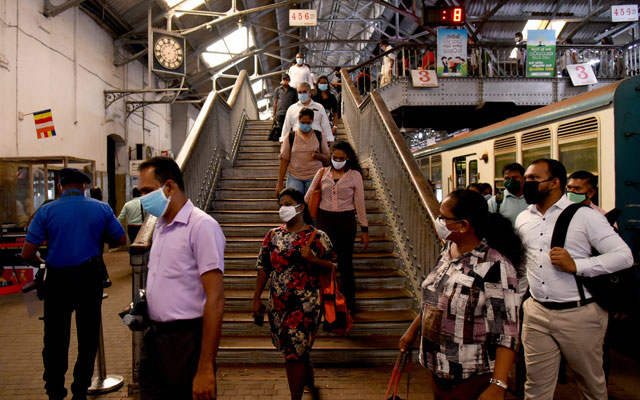
Calls from Sri Lankan healthcare personnel are growing louder by the day for the government to immediately impose a nationwide lockdown or curfews as a Delta-fuelled surge in Covid-19 cases sweep the country.
The proposal, if implemented, would affect tourist arrivals into the country.
The number of new daily Covid-19 cases in Sri Lanka is nearing 3,000, with 2,953 cases and more than 110 deaths reported on Monday (August 9), bringing the total tally to 332,947 infections with 5,222 deaths. In just two weeks, the daily number of cases has sharply risen from 1,711 on July 28.
State hospitals across the country are reported to be overflowing with limited beds available for new Covid-19 patients, while hotels designated as intermediate care centres have also reached their capacity.
On Tuesday (August 10), the Association of Medical Specialists (AMS) urged the government to impose a lockdown or curfew as it is the only effective means of curtailing people’s movement in the country.
AMS president Lakkumar Fernando said with the Delta variant engulfing Sri Lanka, nearly all hospitals and other healthcare facilities throughout the country have reached maximum capacity.
“The capacity to accommodate Covid-19 patients has virtually reached its tipping point. More disturbingly, there (has been) a daily exponential rise in the number of oxygen-dependent patients,” he said.
Sri Lanka had ordered all state workers who were working from home to return to their workplaces on August 2, leading to a surge in Covid-19 cases due to overcrowding on public transportation and prompting calls among medical specialists for a lockdown or curfew to be enforced.
Domestic tourism, which regional hotels were desperate to secure, has also been affected by an ongoing ban on inter-region transport over the past few weeks.
According to Sri Lanka Tourism, 203 foreign tourists contracted Covid-19 while on holiday in Sri Lanka in the period from end December 2020 to July 31, 2021. All foreign tourists who test positive for Covid-19 while in Sri Lanka are isolated at either a hotel-turned-intermediate care centre or a hospital with expenses covered by the mandatory Covid-19 insurance.
The airport reopened in mid-January, following a visit by a group of tourists from the former Soviet republics in December 2020 under a pilot project to test the efficacy of Sri Lanka’s travel bubble for arriving tourists.
As of July 31, a total of 19,337 tourists visited Sri Lanka this year, marking a decline of 96.2 per cent from last year when 507,311 tourists visited the country from January through March 18, 2020 when the airport closed.
Nicholas Lim returns to TTC as Asia CEO
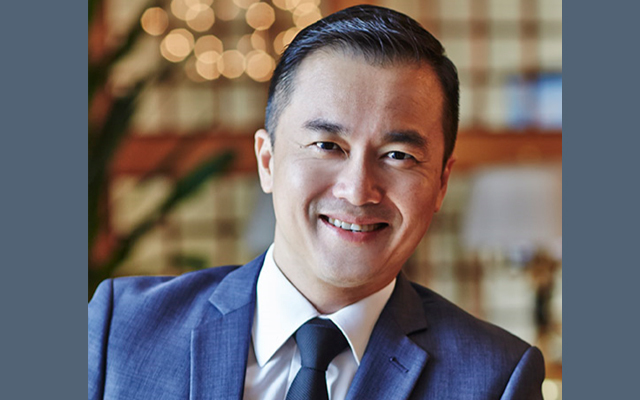
The Travel Corporation (TTC) has appointed Nicholas Lim as its new Asia CEO, effective August 16, 2021.
In this role, Lim will report to Gavin Tollman, TCC president, and will focus on the transformation of TTC’s distribution of key brands. He will work with each of the global brand executives to execute the brand strategies and set the direction to fuel further growth for the region, in particular, the luxury travel market for international outbound leisure travel.
Lim is no stranger to TTC having headed TTC Asia as managing director from 2018 to 2020, and before that, as president (Asia) for Trafalgar from 2011 to 2018. Prior to his appointment as CEO of TTC, Lim was general manager of Norwegian Cruise Lines in Asia.
Australia hotels bear brunt of Covid-19 lockdowns
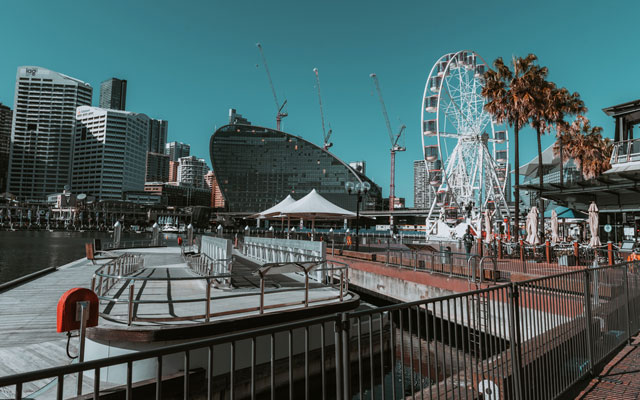
After being one of the highest-performing countries during the early portion of 2021, Australia’s hotel occupancy has been on a rapid decline amid the latest Covid-19 lockdowns across the country, according to data from STR through August 1.
“New and extended restrictions amid the latest outbreaks have undoubtedly affected performance in recent weeks,” said Matthew Burke, STR’s regional manager for the Pacific region.
“Although winter is likely a precipitating factor for some of the decline, these new restrictions across state borders have meant that a lot of travel is simply not possible. We noted last month that forward-looking data around the country was trending downward, and that has been supported by the actualised figures.”
Markets with longer restrictions have seen occupancy levels drop to below 20 per cent. For the week of July 26 to August 1, the STR-defined Sydney Surrounding market, as well as Sydney, posted 15.6 per cent and 15.8 per cent occupancy levels, respectively. Those were each market’s lowest weekly levels in 2021.
“The extended lockdown in Sydney and most recently in Brisbane have led to airline capacity shrinking dramatically. Qantas, for instance, went from operating at 100 per cent domestic capacity in May to less than 40 per cent in July,“ Burke said.
“For hotels, STR’s latest Forward STAR data shows Sydney, Melbourne and Brisbane with lower levels of occupancy on the books at the start of the month than compared with the same time last year. In markets which are open, a renewed push toward intrastate travel has commenced with tourism voucher campaigns launching in Tasmania and the Northern Territory, with others possible to help stimulate demand. For example, in Adelaide, Friday nights show the highest occupancy on the books with the legacy voucher campaign providing that base stimulatory demand.”
Although up week over week, Adelaide (30.0 per cent), Melbourne (27.1 per cent) and Canberra (21.2 per cent) also came in at notably low occupancy levels for the week ending August 1.
“Like the Northern Beaches cluster in December and January, Canberra’s performance is closely tied to Sydney’s openness,” Burke said. “Despite not having a case, Canberra is still feeling the performance impact.”
The Darwin Area posted Australia’s highest occupancy for the week, at 65.4 per cent. The market’s weekly occupancy was as high as 82 per cent in late May. Queensland came in second during the week, at 61.8 per cent, followed by Perth and Brisbane at 48.1 per cent and 44.7 per cent, respectively.
Hong Kong eyes travel bubble with Phu Quoc Island
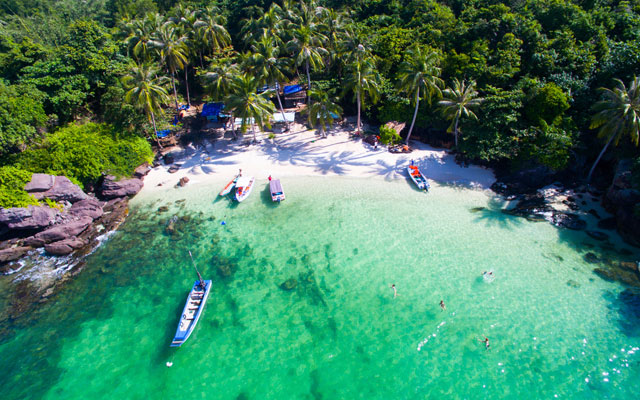
Hong Kong is exploring the possibility of establishing a travel bubble arrangement with the Vietnamese holiday island of Phu Quoc, as the city looks towards the resumption of international travel.
During a meeting with Vietnamese consul general Pham Binh Dam in Hong Kong on Wednesday (August 4), Jason Wong, chairman of the Travel Industry Council of Hong Kong (TIC), said Phu Quoc is an ideal place to deploy the travel corridor if the two sides reach an agreement on isolation exemption and specific implementation mechanisms, reported Vietnamese news outlet VnExpress International.
With no end in sight to the pandemic, border closures are causing businesses and economies to collapse while failing to keep countries absolutely safe, Dam was quoted as saying by the report.
“Therefore, border reopening would be necessary but should be piloted on a small scale before being expanded,” he added.
Dam said he would work closely with TIC and relevant agencies of both sides to implement a travel corridor as soon as the situation allows.
Phu Quoc is preparing to reopen to vaccinated international travellers in October, with an inoculation campaign under way as part of that plan.

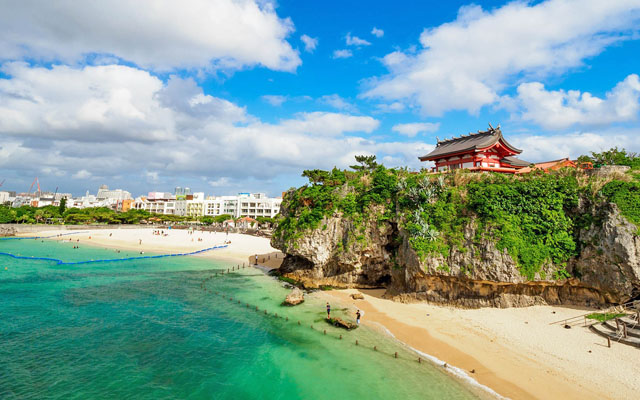






After a rapid decline due to a second Covid-19 wave, India’s hotel industry has seen a continued increase in occupancy due to the progressive approach to vaccinations in key markets across the country, according to preliminary data and analysis from STR.
India’s daily occupancy sat in the 20-30 per cent range in early June but improved by the end of the month with several days closer to 35 per cent and an outlier of 50.5 per cent on June 26. In July, the country took another step forward with most days in the 40-60 per cent range and a peak of 63.2 per cent on July 17.
“The progressive approach to vaccinations has led to an increase in travellers and hotel demand – leisure demand continues to drive this growth,” said Vidhi Godiawala, STR’s business development manager for Central and South Asia.
“Beyond the noticeable improvement, we have seen a different trend in where the country is regaining occupancy. Whereas India’s first recovery earlier this year was concentrated in leisure destinations, such as Goa, heavily populated markets such as New Delhi and Mumbai have seen improvement in this latest rebound.”
Mumbai’s daily occupancy reached as high as 77.9 per cent on June 26, while New Delhi’s daily occupancy improved to as high as 79.7 per cent on July 17. Those were each market’s highest daily levels in 2021.