

STB releases safe travel guidelines, itineraries
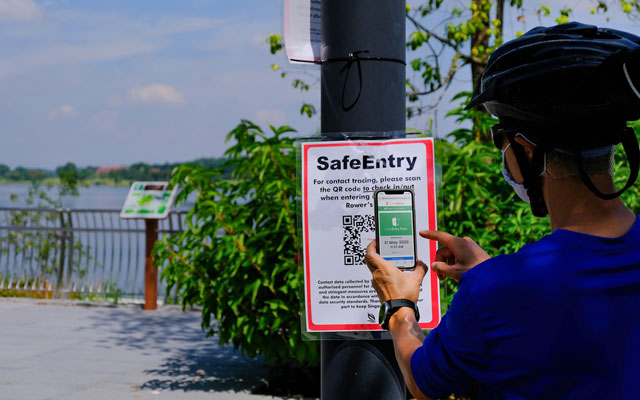
The Singapore Tourism Board (STB) has joined forces with five tourism industry associations to launch the Safe Itinerary Guide and “Experience Singapore!” Compendium, which provides safe travel guidelines and itineraries for the tourism sector as Singapore prepares to welcome more international travellers.
These two resources aim to help the industry design and deliver innovative experiences that are in line with new traveller demands, and are the result of private-public partnerships between STB and the National Association of Travel Agents Singapore, Association of Singapore Attractions, Singapore Association of Conventions & Exhibition Organisers and Suppliers, Singapore Hotel Association and Society of Tourist Guides Singapore.
The Safe Itinerary Guide provides strategies to help tourism businesses better understand their consumers, so that they can personalise travel itineraries based on traveller profiles.
It also outlines how businesses can design safe and engaging visitor journeys, while highlighting key capabilities such as data analytics and design thinking, which are needed to respond to future challenges. For example, tourism businesses are encouraged to explore cross-sector partnerships with healthcare providers to give travellers added assurance during their travels, or gamify their offerings to keep travellers engaged.
Key information from the guide will also be shared with overseas travel businesses and partners.
Meanwhile, the “Experience Singapore!” Compendium consists of tourism and lifestyle offerings for leisure and business travellers across various price points and interests.
This was also developed in partnership with the five tourism associations, who engaged their members to design and curate experiences for various customer segments. Examples include aviation experiential workshops, virtual reality flight simulator experiences, augmented reality art experiences, and back-of-house tours.
Some of these experiences have already been incorporated by the providers into itineraries for visitors coming to Singapore on the Vaccinated Travel Lanes. The Compendium even provides travel intermediaries with helpful information on healthcare services, such as polymerase chain reaction tests and telemedicine consultation services.
Kenneth Lim, director, travel agents and tourist guides, STB, said: “As international tourism gradually resumes, consumers will have to navigate various health and safety requirements when planning their travels. STB has worked closely with our tourism partners to put these resources together, so that they can design travel itineraries that add value and reduce friction for their customers. We hope that these resources will be useful as Singapore progressively reopens our borders.”
The Safe Itinerary Guide and “Experience Singapore!” Compendium can be downloaded from the Travel Related Users’ System (TRUST) website.
SentoSights tours

Why
In celebration of its Golden Jubilee this year, Sentosa Development Corporation will be rolling out a host of commemorative offerings. The first of these is a collection of 10 sustainability- and heritage-themed guided tours on Sentosa dubbed SentoSights, with two routes including the Southern Islands.
These tour initiatives are part of the Sustainable Sentosa strategic roadmap, which focuses on six key areas to realising the island’s dual goals of achieving carbon neutrality by 2030 and becoming a globally-recognised, certified sustainable tourism destination.

What
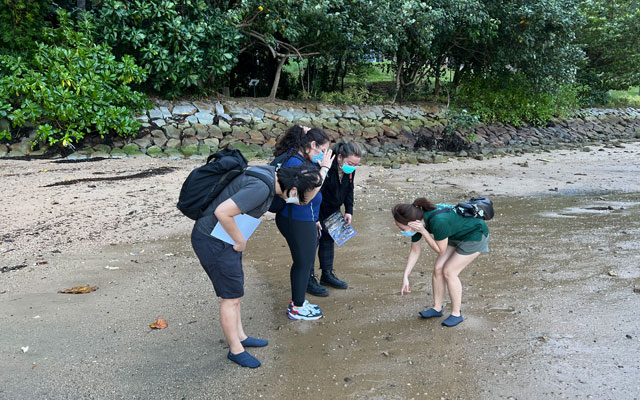
We were treated to a condensed version of both the Sentosa Intertidal Exploration and Sentosa Naturalist Night Adventure tours, led by local wildlife tour company The Untamed Paths.
The city slicker in us was thrilled to discover Singapore’s flourishing biodiversity during the Intertidal Exploration tour. The receding tide exposed a fascinating range of resident marine life – from frogs and fish, to coastal crustaceans and otherworldly-looking echinoderms – teeming in tide pools along the shoreline.
Other sea creatures we spotted during our leisurely evening walk included elbow crabs, teddy bear crabs, hermit crabs, and acorn worms.
Our guide Christina also called to our attention other animals such as a white-bellied sea eagle soaring above our heads, as well as a translucent sea anemone hidden among the stones. She also pointed out the remnants of a horseshoe crab shell, a jellyfish carcass, and other tiny critters.
Christina shared that some of the more exciting sightings on her other walks included octopuses, squids, stingrays and starfish. We learnt that exploring intertidal flats at different times of the day during low tide, or at other locations like Pulau Ubin and Pasir Ris, would yield different animal sightings.
After dark, I was treated to the soothing sounds of a rainforest symphony and several sightings of nocturnal animals during the Naturalist Night Adventure tour. Armed with an ultraviolet (UV) torch, Christina scoped out several Asian toads, red-tent spiders resting on their intricate webs, and scorpions which glowed under the UV flashlight.
Verdict
These tours are not just for wildlife lovers and nature enthusiasts, but anyone who desires a natural respite from urban life or residents who yearn to explore the lesser-trekked sights of the city-state. We learnt a lot about the intertidal ecosystem, as well as how to be more observant of our natural surroundings, as we’ll never know what we’ll be able to spot.
Rate: S$90.95 (US$67.70) per pax for each tour. Corporate tours can also be arranged upon request.
Dates: Various dates and times are available for the Sentosa Intertidal Exploration tour, with details to be released progressively; while the Sentosa Naturalist Night Adventure tour runs every Saturday, from 19.30 to 21.00.
Website: www.sentosa.com.sg/en/deals/promos/sentosights
Bangkok to get first Andaz hotel
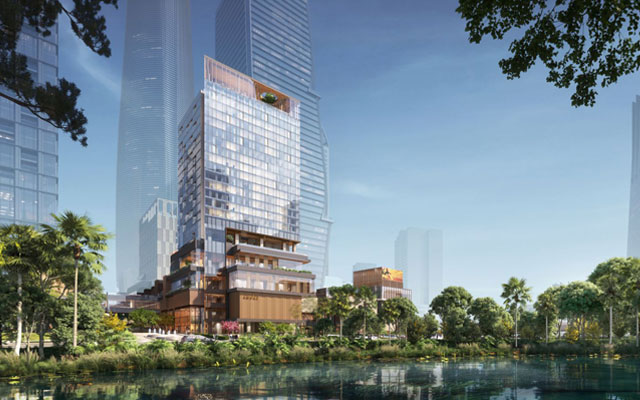
Hyatt Hotels Corporation is set to debut the Andaz brand in the capital city of Thailand with the signing of Andaz One Bangkok, a 244-room luxury lifestyle hotel that is expected to open in 2023.
The result of a management agreement between a Hyatt affiliate and One Bangkok Co., Andaz One Bangkok will form part of the One Bangkok integrated development, jointly developed by TCC Assets (Thailand) Company and Frasers Property Holdings (Thailand) Company.
Located in the CBD at the corner of Wireless Road and Rama IV Road, One Bangkok will feature hospitality offerings, workspaces, retail experiences and dedicated art and cultural spaces, alongside residences.
Directly overlooking Lumphini Park, Andaz One Bangkok is slated to open in 4Q2023 and will be among the first components of the One Bangkok development to be unveiled.
Catering to both business and leisure guests, the hotel will offer unique experiences that draw on Thailand’s cultural heritage. The Andaz Tavern and Lounge, together with the rooftop restaurant and bar, will showcase Thai flavours and international cuisine.
IHG to plant fourth hotel in Parramatta
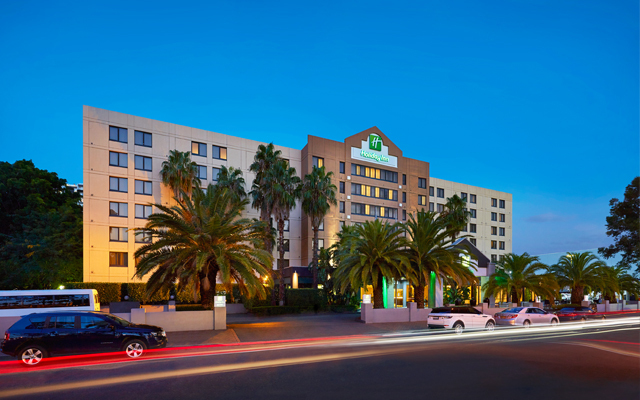
IHG Hotels & Resorts has signed an agreement with Pro-invest Group to open Holiday Inn Express & Suites Paramatta, the fourth IHG-branded hotel in the Greater Western Sydney hub.
The new property will be located in the centre of the CBD with a prime Smith Street frontage, and will boast 239 guestrooms, car parking, meeting facilities and a gym. Similar to other Holiday Inn Express hotels, it will feature express breakfast facilities, and express check-in and check-out.
Scheduled to open in 2024, Holiday Inn Express & Suites Paramatta will complement the group’s existing Parramatta hotels – Holiday Inn & Suites Parramatta Marsden Street and Holiday Inn Parramatta – as well as the upcoming InterContinental Parramatta, due to be completed in 2025.
Singapore to host Formula 1 Grand Prix until 2028
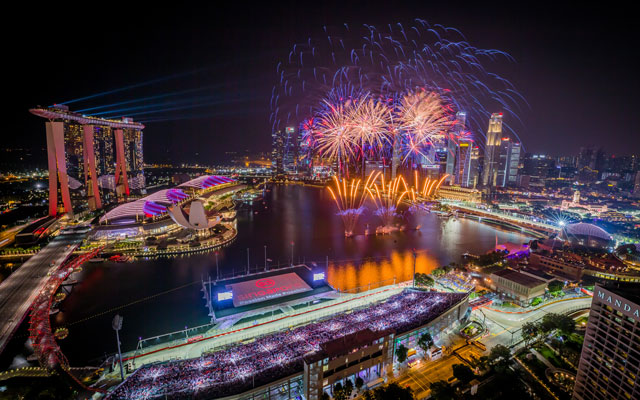
Singapore has signed a contract to continue hosting the Formula 1 Singapore Grand Prix for another seven years, from 2022 to 2028, announced the Singapore Tourism Board (STB) and race promoter Singapore GP (SGP) on Thursday (January 27).
This is the fourth contract renewal for Singapore, and the seven-year extension is the longest for the race to date.
“This will give Singapore a longer runway to capture pent-up demand as international travel recovers. It also allows STB, SGP and industry partners to develop new experiences to meet the evolving interests of locals and visitors,” said STB and SGP in a joint statement.
The event is set to return to the Marina Bay Street Circuit this September, after two consecutive years of cancellations due to the pandemic.
S Iswaran, minister for transport & minister-in-charge of trade relations, said: “Even as we deal with the immediate challenges of the pandemic, it is important that we focus on our recovery and long-term growth. The Singapore F1 race continues to be a strong focal point for tourists, global events and business meetings.
“We have decided to continue hosting the F1 race for another seven years, after thoroughly evaluating the long-term benefits that a term extension could bring to Singapore. The renewal will help sustain Singapore’s reputation as a global city with a vibrant lifestyle, attracting international visitors as travel rebounds, and generating business revenue and jobs for Singaporeans.”
Starting this year, STB and SGP will work together to reduce the carbon footprint of the Singapore race and foster the transition to more sustainable business models.
Initiatives include switching to renewable energy sources, increasing recycling efforts and switching to sustainable materials. Formula 1 is also exploring maximising logistics and travel efficiency through process and volume optimisation and by using the least carbon intensive transport available.
A full sustainability audit will be undertaken, which will guide the development of other green initiatives that will be implemented for the rest of the new term.
STB ramps up focus on manpower skills, sustainability and wellness

To facilitate the path to recovery by capturing pent-up travel demand, the Singapore Tourism Board (STB) will ramp up its focus on sustainability, urban wellness and manpower capabilities to future-proof the sector.
This year, to preserve good jobs and build up manpower capabilities to ensure a pipeline of quality tourism personnel, STB – together with the National Trades Union Congress, Hospitality and Consumer Business Cluster unions, Workforce Singapore and e2i, and the support of key trade associations – will launch the Tourism Careers Hub (TCH).

TCH will provide training and skills upgrading for tourism workers and businesses, as well as support for individuals interested in pursuing tourism careers.
Zishan Amir, exco member & chairman of safety council, Association of Singapore Attractions (ASA), said: “ASA hopes to mobilise our members to contribute and participate in the various programmes and services provided by the TCH. As part of this tripartite effort, ASA will also provide input on the types of training courses required to upskill our workers to meet the changing demands of the industry as we navigate a slow recovery.”
SHATEC (Singapore Hotel and Tourism Education Centre), established by the Singapore Hotel Association (SHA), will also play an active role in developing the capabilities of career seekers at the TCH, according to Kwee Wei-Lin, president, SHA.
As well, SHA is working closely with STB to develop a hotel sustainability roadmap with strategies and targets for the industry, set to be launched later this year. The initiative is in line with Singapore’s aspiration to be a top sustainable and innovative urban destination, with STB becoming a member of the Global Sustainable Tourism Council (GSTC) last year.
Kwee explained: “In our effort towards responsible hospitality, SHA set up the Hotel Sustainability Committee (HSC) in 2020 to drive industry-wide adoption of environmental sustainability practices by hotels so as to support the nation’s aspiration to promote Singapore as a green destination.” The HSC is chaired by Jeanne Ng, SHA board member and director of The Fullerton Hotels and Resorts.
Meanwhile, industry players are also stepping up their sustainability game.
Resorts World Sentosa became the first tourism business in South-east Asia to secure the GSTC Destination Criteria and Industry Criteria for Hotels certification last year.
Mandai Wildlife Group has also rolled out green initiatives such as the Mandai Environmental Sustainability Strategy and green procurement roadmap, while Sentosa Development Corporation and its island partners have set the ambitious target of achieving carbon neutrality by 2030.
To support Singapore’s push towards becoming a leading urban wellness haven, STB established the Wellness Tourism Roadmap which identified key strategies and initiatives to develop Singapore’s wellness offerings.
As part of its efforts, STB has formed a partnership with global fitness and wellness aggregator ClassPass to promote Singapore’s wellness offerings on the platform, with more than 80 businesses having signed up to date.
An inaugural wellness festival will also be launched in June 2022 to promote and increase the accessibility of Singapore’s wellness repertoire. To cater to the growing demand, the sector also witnessed new wellness-centric hotels, holistic wellness retreats and urban fitness experiences.
DidaTravel enters distribution deal with Tokyu Hotels
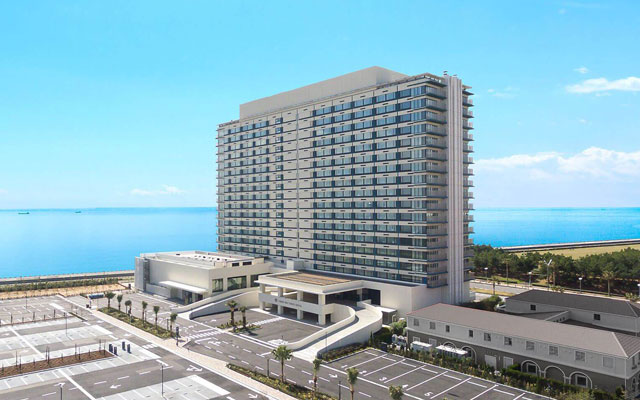
Global hotel wholesaler DidaTravel has signed a partnership agreement with Tokyu Hotels, one of the largest hotel chains in Japan.
With this agreement, DidaTravel’s B2B buyers gain access to real-time inventory with special rates and exclusive offers across Tokyu Hotels’ three brands and 46 properties in Japan.
At the same time, this deal will give Tokyu Hotels access to DidaTravel’s 23,000 B2B buyers across more than 50 source markets worldwide.
Such B2B buyers typically offer hotels incremental bookings from longhaul guests who often stay for longer, book further in advance, cancel less and spend more at the property.
Rikin Wu, DidaTravel founder & CEO, said: “Japan is a popular destination with our buyers and as such is a strategic market for DidaTravel. We are confident that DidaTravel’s technology, experience and extensive global B2B network will help Tokyu Hotels attract incremental high-value, international travellers once safe travel resumes.”
Hiroyuki Mizuno, senior vice president of sales & marketing at Tokyu Hotels, believed the partnership is “an innovative way to stimulate high-value reservations once the travel boom comes”.
New hotels: Hotel X Brisbane Fortitude Valley, Avani+ Koh Lanta Krabi Resort, and more

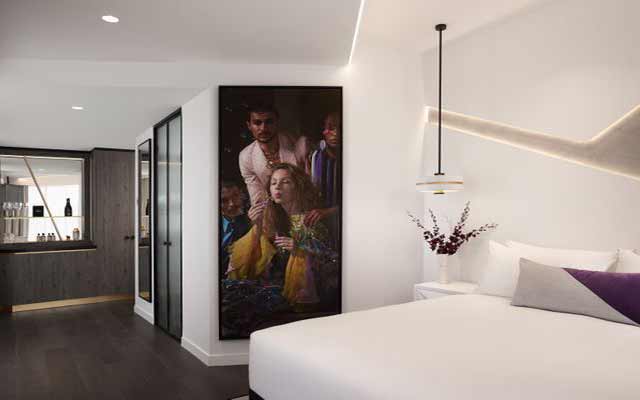
Hotel X Brisbane Fortitude Valley, Australia
Hotel X Brisbane Fortitude Valley has opened as the world’s first hotel in IHG Hotels & Resorts’ Vignette Collection. Located in the heart of Fortitude Valley in Brisbane, Hotel X boasts 146 rooms and suites, a rooftop swimming pool, and three meeting spaces, including an open terrace overlooking Brunswick Street. F&B venues include Iris, a Mediterranean rooftop bar and restaurant; and Bisou Bisou, a bistro dishing up French delicacies.
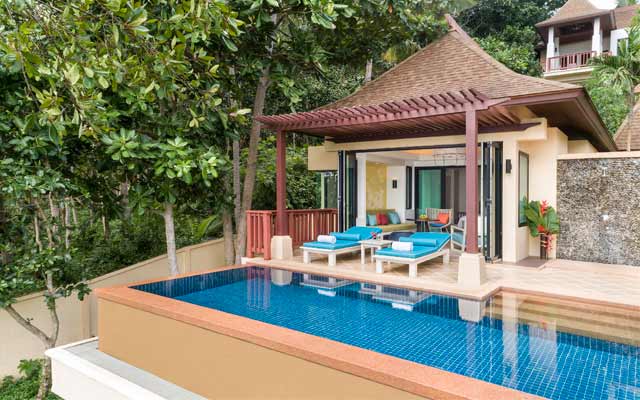
Avani+ Koh Lanta Krabi Resort, Thailand
Avani+ Koh Lanta Resort debuts 92 guestrooms, suites and private pool villas nestled on a private peninsula overlooking the Andaman Sea. The resort redesign is led by a Thai-based PIA design studio that drew inspiration from the heritage of Sriraya or the Lanta Old Town. The all-new Avani Room offers three categories of a pool view, pool access or sea view that has been redesigned with an in-room pantry; while the private pool villas offer a blend of reimagined Thai style living spaces with modern amenities. Elsewhere, the Grand Ocean Residence features a private garden area, living room, as well as dining and kitchen facilities.
The resort presents three dining and drinking spots. Pantry by Avani serves freshly brewed coffee and pastries within café-style indoor settings that open up into an outdoor garden. The main poolside restaurant, The Cliff, provides a range of fresh catch sourced from the local fishing villages, while the Reggae Bar showcases views of the Andaman Ocean. Other amenities include a spa, and gym offering a boot-camp programme.
Oakwood Hotel & Apartments Azabu Tokyo, Japan
The opening of Oakwood Hotel & Apartments Azabu Tokyo represents the brand’s 13th property in Japan. Each of the 171 apartments, ranging from studio to three-bedroom configurations, features a private balcony and fully-equipped kitchen. Anchored in Tokyo’s Azabu-Juban embassy district, the hotel is situated near to cafes, restaurants and bars, boutiques, as well as a famous traditional shopping street lined with ancient architecture and shops. A 15-minute stroll or two-minute train ride will also bring guests to Roppongi, Japan’s epicentre for nightlife and the arts.
Japanese tech start-up offers multilingual solutions for hotels
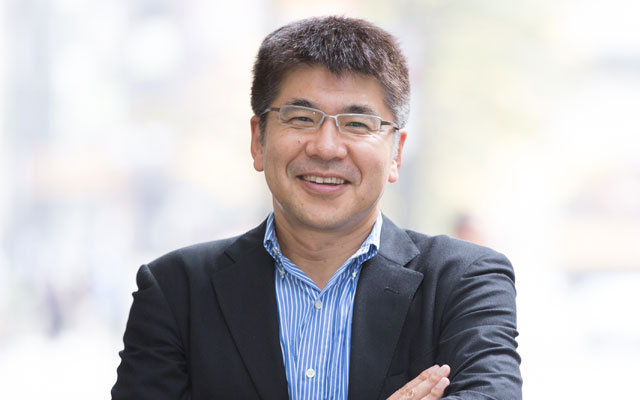
With the pandemic heightening demand for tech-driven guest experiences, the hospitality industry has been forced to accelerate digital adoption to drive recovery. From smart room keys to AI-powered chatbot services, investments made by hoteliers into building an automated ecosystem will go a long way to future-proofing businesses.
Hotels in Japan, for instance, have been leveraging local start-up Kotozna’s tech solutions to boost their operational efficiency and enhance customer experience.
The company’s SaaS solutions, Kotozna Live Chat and Kotozna In-room, are live chat and digital in-room services equipped with high-level multilingual translation features, enabling hotels to deliver high-touch customer service to their guests.
The former is a live chat widget that can be embedded in the hotel’s website, allowing visitors to start a live chat with customer assistance ahead of their trip or before making a purchasing decision.
The latter, which functions as a digital in-room concierge in the form of a QR code found in the guest’s hotel room, helps gather in-room requests in a timely and systematic fashion.
Language barriers are removed as chats are automatically translated at an accuracy rate of 80-90 per cent, higher than those of mainstream translation engines, according to Genri Goto, founder and CEO of Kotozna, Inc.
Such real-time multilingual solutions will play a more vital role in supporting hotels in the recovery phase as there will be a rise in the number of travellers from non-English speaking countries, projected Goto.
“After Covid-19, we are optimistic that international travel will come back, and travel figures may potentially transcend pre-pandemic levels. More non-English speakers will travel the world. Language barriers should be eliminated in the hospitality sector to increase revenues from overseas travellers,” he said.
Goto also highlighted how the solutions will help hotels cope with the manpower crunch. “During the pandemic, hotels were forced to cut a sizeable proportion of their staff, and rehiring will not be an easy task,” he said. “Hence, there is a need for hotels to adopt solutions such as ours, which enables hotels to have smooth and mostly automated operations despite having fewer staff on the ground.”
More than 200 hotels in Japan are currently using Kotozna In-room, which helps hotels to save costs as “they no longer need to hire multilingual staff” and also to shorten queues in their lobbies, thus reducing waiting times for guests, said Goto.
After establishing a foothold in Japan, the Tokyo-headquartered company is making advances this year into the South-east Asian market using Singapore as a gateway. Next, it is targeting hotels in Hawaii and Los Angeles.
As part of its regional expansion plan, Kotozna recently joined the fourth cohort of the Singapore Tourism Accelerator (STA) programme, an initiative by the Singapore Tourism Board to support tech companies to develop industry solutions that drive innovation in the tourism sector.
Under the programme, Kotozna partnered with Marina Bay Sands (MBS) to pilot a multilingual live chat product.
The companies are currently in the pilot phase of that initiative, due to complete by the end of March. Presently, Kotozna’s multilingual live chat widget is on the Japanese site pages of MBS, ready to receive enquiries from Japanese guests.
“MBS was impressed with our translation accuracy, and this was the main reason that they decided to do a pilot with us,” shared Goto.
Speaking of his company’s involvement in the STA programme, Goto said: “As a start-up that aspires to expand our business beyond Japan, Singapore is a strategic and conducive place for it.
“Conducting a pilot in Singapore with the support of the Singapore Tourism Board allows us to design and test our solution based on actual market needs and conditions. The programme has also given us valuable connections in Singapore’s tourism and business landscape.”






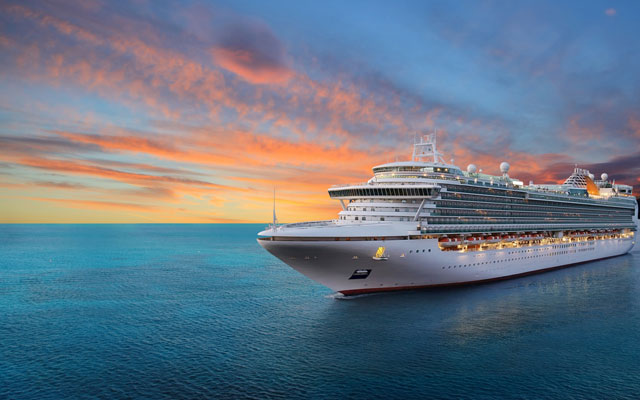
Cruise Lines International Association (CLIA) has released the 2022 State of the Cruise Industry Outlook report, which highlights how the industry has continued to resume responsibly with proven protocols, underscores the value of cruise tourism to local communities and national economies, and charts the industry’s progress towards achieving carbon neutrality.
The report “provides an opportunity to reflect on how far our industry has come as CLIA ocean-going cruise lines have welcomed more than six million guests onboard since resuming operations in July 2020,” said Kelly Craighead, president and CEO of CLIA.
“While our focus on health and safety remains absolute, our industry is also leading the way in environmental sustainability and destination stewardship,” she added.
“Coastal and maritime tourism is an important economic driver, and we continue to work in partnership with cruise destinations so that communities thrive from responsible tourism. Our members are also investing in new technologies and new ships and pursuing the goal of net carbon neutral cruising by 2050.”
The 2022 outlook report also features reflections from cruise industry partners and community members around the world.
The report highlights that by 2027, the CLIA ocean-going cruise line member fleet will reflect significant advancements in the cruise industry’s pursuit of a cleaner, more efficient future. It also presents 2020 economic data that illustrates the pandemic’s impact on the wider cruise community and underscores the importance of cruise tourism to global economies.
In addition, it shows how industry-leading protocols are facilitating the resumption of cruise tourism around the world, with more than 75 per cent of ocean-going member capacity having returned to service and nearly 100 per cent projected to be in operation by August 2022.
The report also details how continued collaboration with local communities in the destinations cruise ships visit remains a critical focus for the cruise industry, including in Dubrovnik, Croatia, the Greek destinations of Corfu and Heraklion, and the City of Palma in the Balearic Islands.
Read the full 2022 State of the Cruise Industry Outlook report here.