

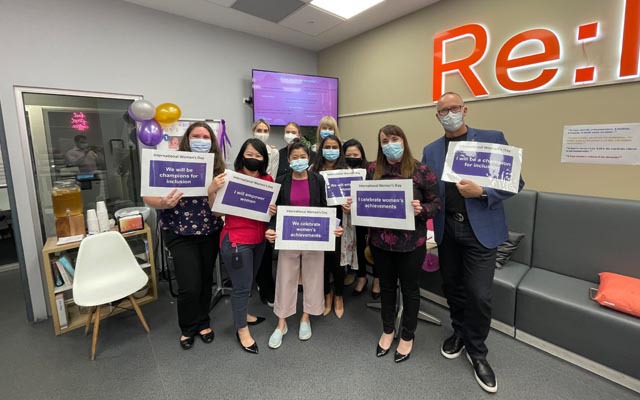
Marriott International’s Women’s Leadership Development Initiative goes back 20 years, earning it bragging rights as the first hospitality company to have such a programme in place to help women ascend to senior leadership roles in the company.
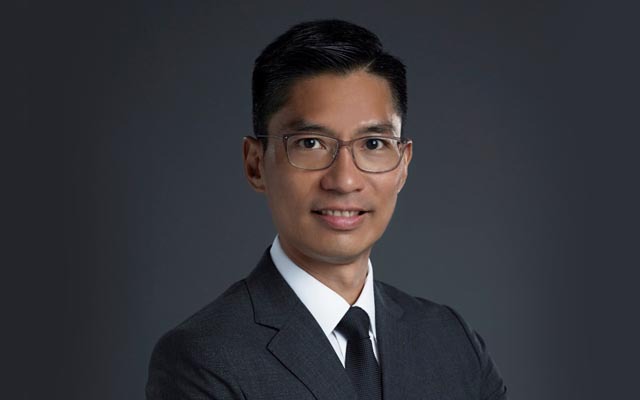
Regan Taikitsadaporn, chief human resources officer of APAC with Marriott International, said: “Diversity, equity, and inclusion have always been a cornerstone of our culture, and our continued success is the direct result of our efforts to cultivate an inclusive workforce.”
The company has since accelerated its goal to achieve gender representation parity for the entire global leadership team by 2023, two years earlier than originally planned. According to Taikitsadaporn, women now occupy 44 per cent of Marriott’s global executive positions.
“While we are on track to reaching our goal, success is never final. We are unwavering in our commitment to advance women in leadership, and will continue to find ways to develop the next generation of women leaders at Marriott,” he told TTG Asia.
As the Women’s Leadership Development Initiative is global, Asia-Pacific talents are beneficiaries too. Today, around 40 per cent of management positions in the region are represented by women, and there are nearly 100 female general managers here, with many more top talents in the pipeline.
Gender parity efforts in the region are supported by the Women Ambassador Network (WAN), a community of Marriott leaders in Asia-Pacific who are passionate about raising awareness and taking actions to promote, advance and inspire women in leadership.
After putting WAN on pause in 2020 due to the pandemic, Taikitsadaporn said Marriott employees were excited to revive the programme last year.
“We were thrilled by our associates’ enthusiasm to get involved. There are currently more than 70 women and men in the programme, representing various roles and seniorities, from hotel general managers to property-level associates in sales, marketing, operations, finance and HR. Each WAN member is an ambassador for their respective markets, and is responsible for coming up with a customised activation plan as each market’s progress and needs can be different,” elaborated Taikitsadaporn.
“As one of the senior sponsors of the programme, my role is to inspire and help our ambassadors shape their vision and objectives, making sure they have access to the right tools and resources to promote women in leadership locally.
“One of our most recent initiatives was training our WAN ambassadors to set up mentorship programmes for women associates in their markets. Our markets have already started recruiting mentees and mentors, and we are very excited by the potential of building a strong pipeline of future Marriott woman leaders, and promoting a culture of women lifting each other up for growth and success,” he shared.
Taikitsadaporn believes that a diverse leadership team brings enriched experiences, which ultimately leads to the best possible business outcomes. Furthermore, empowering female leadership “nourishes a culture that inspires and promotes career opportunities for all”.
He detailed: “When there are more women leaders in an organisation, it empowers young women to realise that they too have the full potential to be the leaders of tomorrow. It also sends a message to other employees that the contributions and perspectives of everyone are valued and supported.
“Embracing differences and diversity is critical to the success of any good organisation. A company that advocates for diversity and inclusion will be better at decision-making and retention of top talent.”
When asked if the pandemic and evolved work and personal pressures have altered the future of female leadership opportunities, Taikitsadaporn referenced a McKinsey survey that found that mothers in heterosexual dual-career couples with children have reported larger increases in their time spent on household responsibilities since the pandemic began.
To ease the pandemic’s disruption to work/life balance for working mothers, Marriott International activated its TakeCare programmes regionally and locally. Team leaders offer flexible work arrangements, while confidential helpline and counselling services via the Employee Assistance Program are available in some markets.
“Taking care of our associates’ well-being is at the core of our values and culture. We will continue to explore more opportunities to ensure our support to working mothers stays relevant during this challenging time,” he concluded.


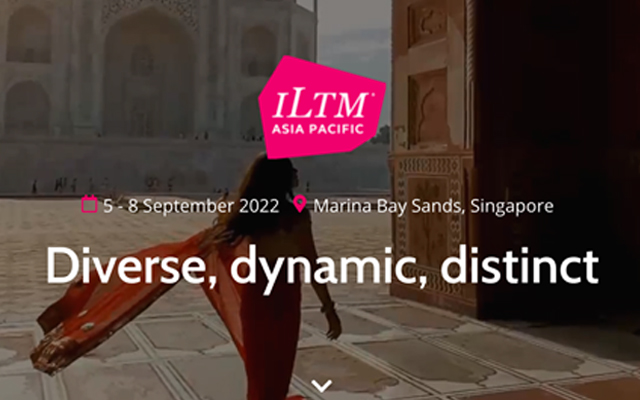
 The in-person tradeshow will be held at Marina Bay Sands, offering pre-scheduled meetings, educational sessions, networking, parties, and brand exposure.









Originally scheduled for this month, PATA Annual Summit 2022 will now be held from October 25 to 27 in Ras Al Khaimah, the UAE.
The event led by PATA and hosted by Ras Al Khaimah Tourism Development Authority will be attended by international thought leaders, industry shapers and senior decision-makers who are invested in driving tourism to, from and within Asia-Pacific.
PATA CEO Liz Ortiguera said: “We are delighted that we will still be organising the PATA Annual Summit in Ras Al Khaimah this year and bring together our industry network to discuss opportunities and best practices to enable recovery and sustainable growth.
“The team is working hard to put together an event programme, under the theme ‘Reconnecting the World’, that will take on a format that is more experiential and will maximise in-person connections and engage an appreciation for this beautiful destination.”