At the recent Tourism Industry Conference 2022, chief executive of Singapore Tourism Board (STB), Keith Tan, sounded a clarion call for tourism stakeholders in Singapore to differentiate themselves from competitors with novel products and services.
Speaking to TTG Asia post-conference, industry stakeholders said the call is not new, and they have been adopting the required stance, with fresh, one-of-a-kind, value-added offerings curated to give guests more bang for their buck.
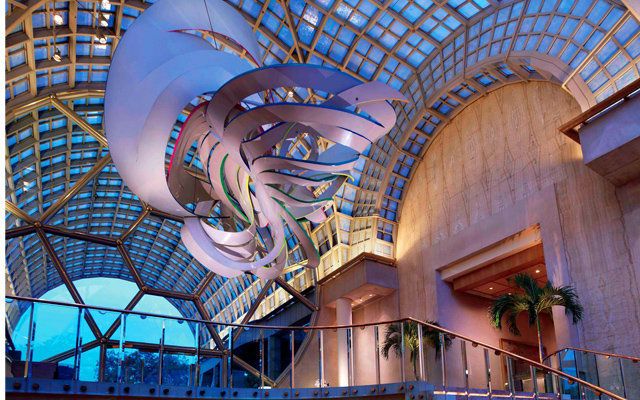
The Ritz-Carlton, Millenia Singapore’s Overnight in the Museum experience allows guests to interact virtually with art pieces across the hotel, such as the overhanging Cornucopia (pictured)
However, as the endemic situation remains fluid and inbound travellers are only returning gradually, the sector will continue to focus their recovery efforts on the domestic market.
Playing up leisure prepositions
Hospitality players have intensified their creative offerings throughout the past two years, some even before the pandemic hit.
The Ritz-Carlton, Millenia Singapore, for example, created the world’s only augmented reality hotel art tour just before Covid-19 surfaced.
Its Overnight in the Museum stay package, which is still ongoing, introduces the hotel’s massive art collection to millennial and tech-savvy guests in a novel and fun way, complete with tickets to the ArtScience Museum’s Future World exhibition and an art-themed chocolate amenity, shared Mark Aldridge, director of sales & marketing.
With the iconic Raffles Hotel Singapore celebrating its 135th anniversary in September, managing director Christian Westbeld said more experiential packages will be crafted – a timely endeavour as international arrivals to Singapore continue to improve.
Fellow city hotel, Mandarin Oriental, Singapore, is expanding the guest experience beyond the property confines, with Bikecation accommodation packages that invite guests to explore the Marina Bay precinct on two wheels.
Meanwhile, guests at Resorts World Sentosa (RWS) can multiply their fun with Universal Studios Singapore’s new Triple Thrills Pass, which grants holders three special experiences with express passes in three visits to the theme park.
The RWS EcoTrail also allows hotel guests to embark on exclusive tours to discover behind-the-scene operations and environmental initiatives around the integrated resort.
As health concerns continue to be top of mind among travellers, Shangri-La Group is going the extra mile to provide international guests with complimentary AIG Covid-19 emergency medical coverage and access to around-the-clock emergency travel assistance services during their stay.
Despite the earlier travel freeze, Gardens by the Bay has continued to curate new experiences and open up new spaces, according to Ong Kian Ann, director, business development.
New attractions include Kingfisher Wetlands, a nature sanctuary featuring mangroves and a diversity of wildlife; Floral Fantasy, a whimsical attraction where flowers, artistry and technology come together to evoke a fantastical experience; Orchid Haven, a dedicated space for Cloud Forest’s orchid displays and exhibits; and the Supertree Observatory, the highest point in the venue offering visitors a 360° view of Singapore’s downtown.
Noteworthy on the Gardens’ calendar this year is the global debut of Avatar: The Experience, an immersive walk-through event, and the inaugural Wellness Festival Singapore, which includes a multi-sensory pop-up.
Nature draws in Singapore are also expanded by Mandai Wildlife Group’s Jurong Bird Park, which presented Staycation with the Flamingos. Adventurous visitors can venture into the attraction’s largest free flight aviary and camp in fairy-tale bell tents alongside feathered friends.
Eye on family-centric options
To lure domestic staycationers, particularly those with children, Pan Pacific Hotels Group (PPHG) and Shangri-La Singapore have sharpened their family-friendly offerings.
Pan Pacific Singapore launched its first children’s play area and two themed family suites, along with a host of programmes for families.
Enter Urban Jungle Village, a wonderland for children, and Urban Jungle Suites, complete with fun features such as an inflatable rocking hippo, a tepee, and a treehouse bunk bed. Guests also get access to Kiztopia indoor play zone at Marina Square mall.
Shangri-La Singapore dangles uniquely-themed family suites, offering an immersive space for children to sleep and play. Guests also have access to the hotel’s interactive indoor play space, buds by Shangri-La, and Splash, its outdoor water playground, in addition to a tailored kids’ meal programme at its dining outlets. A well-equipped Family Pantry with children’s amenities is a popular feature, as it allows parents to travel light.
Cinn Tan, chief sales & marketing officer, PPHG, said: “Unique offerings like these can keep Singaporeans coming back for staycations, while opening our doors to tourist demand.”
Booking Holdings has promoted Omri Morgenshtern to the role of Agoda’s chief executive officer, effective July 1, 2022. He will take the reins from John Brown, who will assume the role of chairperson.
Morgenshtern is currently Agoda’s chief operating officer, a role he has held since July 2018.
Agoda’s new CEO, Omri Morgenshtern
He joined Agoda in 2014 as senior product owner, algorithms and learning systems, and rose in ranks through the years. Before that, he was co-founder and chief executive officer of Qlika, an award-winning UpWest Labs start-up specialising in online marketing optimisation, which was acquired by Booking Holdings in 2014.
Glenn Fogel, chief executive officer of Booking Holdings, said: “Over the years, Omri has played a critical role in directing Agoda’s product and service offerings as both chief product officer and, most recently, chief operating officer. His knowledge and experience of the business is unmatched, and I look forward to Agoda’s continued momentum under his leadership.”
Princess Cruises began streaming yesterday a new 28-video series of short stories on environmental management, wildlife conservation, and sustainability, hosted by environmental ambassador Jeff Corwin and the cruise line’s president John Padgett.
Titled Ocean Treks Conservation Connections, the new series builds on the success of the earlier award-winning series, Ocean Treks.
Princess Cruises highlights sustainability stories through new digital series Ocean Treks
Available on the cruise line’s YouTube channel, episodes will address various topics critical to the conservation movement, such as recycling and sustainability; food waste reduction and biodigester system; conservation at Princess Cays; and innovative fuel sources.
The series will also feature wildlife and conservation stories originally highlighted in the first three seasons of Ocean Treks, with episodes taking viewers to destinations that Princess visits, including the Dominican Republic, New Zealand, Japan and more.
Padgett said in a press statement: “In keeping environmental protection as one of our top priorities, we’re eager to leverage our popular Ocean Treks brand and its library to create new videos to share important sustainability stories about our fleet.
“With…Corwin, my co-host and renowned biologist, wildlife advocate and host of many award-winning television programmes, we hope viewers are engaged as we discuss the importance of conservation both to Princess and us personally.”
Ocean Treks debuted in 2016 as part of parent company Carnival Corporation’s Ocean Originals slate of television programmes. It has been honoured with seven Daytime Emmy nominations and 44 Telly Awards. Ocean Treks is available on-demand in staterooms onboard Princess ships and via OceanView.
Banwa Private Island, the Philippines
Located in North-eastern Palawan in the Sulu Sea, Banwa Private Island promises absolute privacy, vast space and intense pampering with six contemporary beachfront pool villas. The island resort welcomes no more than 22 guests, and takes them into the embrace of a protected marine and nature reserve.
Banwa Private Island offers bubble travel for multi-generation family reunions, getaways with friends, and corporate events.
A Destination Dining option serves up various gourmet experiences on the island, through the help of private chefs.
Access: Ascent Flights Global charters direct flights to the island resort, via an eight-seat seaplane from Manila as well as helicopters for up to 10 passengers.
Buyout possibility: Yes
Activities: There are infinite opportunities for water sports enthusiasts. Go on dive trips to Tubbataha Reef and Banwa’s surrounding areas, cruise around in the Wajer 38 Banwajer, or spend a night on the Lagoon 630 Catamaran.
Alternatively, land recreation comes in the form of stargazing, bird watching, hiking, tennis, golf on Banwa’s nine-hole course, spa retreats, or fitness work-outs in the Pilates studio or gym.
Sustainability bonus: The island’s owners established the Aquos Foundation to support, nurture and protect the island’s delicate ecosystems, including the critically endangered Hawksbill Turtle.
Aquos’ Reef Balls programme helps stimulate reef regeneration off the South-western shores of the island, and has to date funded the deployment of over 200 structures, which are promoting significant coral growth in the area.
Aquos also pursues nationally-recognised research programmes, guided by world-leading experts, including studies into the native Tabon Bird and Mantanani Scops Owl, and preservation of the indigenous beach forests where they nest.
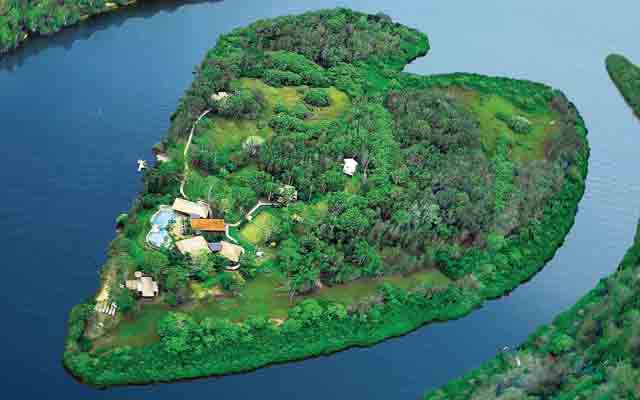
Makepeace Island, Australia
Makepeace Island, Australia
Makepeace Island is Australia’s answer to a proper celebrity-style escape. Known as Sir Richard Branson’s private hideaway, the heart-shaped island located on the Noosa River on Sunshine Coast in Queensland promises to be a sanctuary of seclusion, presumably from pesky paparazzi.
Three tropical-inspired luxury villas, four rooms in the Island House, and a unique Boathouse lets you host up to 20 guests at a time in an exclusive island rental. There’s an extensive range of onsite facilities including tennis courts, swimming pools, water sports and yoga.
Access: Get there by private boat transfer from Noosa Heads, which is just minutes away.
Buyout possibility: Yes. Island hire comes with your own restaurant and an executive chef who will co-create culinary adventures with the guest. Meals are sourced from local organic producers across the region, and the team can organise masterclass experiences.
Activities: For those feeling a little more adventurous, there are unique experiences and activities, such as walks through the World Heritage listed K’gari (Fraser Island) and Great Sandy National Park, beach horse riding on North Shore’s white sand dunes, circumnavigating the island on board a Hobie cat, scenic flights or heli-rides.
Moturua Island, New Zealand
Moturua Island, New Zealand
Designed by famous New Zealand architect Pete Bossley, this private retreat in Bay of Islands boasts a stunning beachside house that gives visitors access to walking tracks with scenes echoing from the Lord of the Rings movies.
Featuring a sprawling multi-split level living area, all four of the retreat’s beautifully appointed bedrooms open to a private terrace and ocean views. There’s also a separate guest house with two additional bedrooms, taking total guest capacity to 14.
Access: Only by boat or helicopter, with the option of keeping the helicopter and its pilot onsite during one’s stay.
Buyout possibility: Yes
Activities: Ocean lovers will enjoy exploring the property’s underground boat shed with a treasure trove of toys like fishing gear, paddle boards, sea kayaks and snorkelling equipment.
A helicopter can also be arranged to take guests to Moturua Island which has world-class golf courses and a day spa. Island cruises and deep sea fishing for adrenaline seekers are on offer too.
Sustainability bonus: The island is connected to New Zealand’s indigenous people and its maintenance is undertaken by the Department of Conservation.
Nikoi Island, Indonesia
Nikoi Island and Cempedak Island, Indonesia
Two private island resorts run by the same operator, both Nikoi Island and Cempedak Island offer a laidback luxury vibe. Nikoi Island was built with driftwood and alang alang grass roofs, while Cempedak Island used bamboo.
Each have found favour with different traveller segments; Nikoi Island is a hit with families, while Cempedak Island’s 16-year-old minimum age limit for all guests earns it loyalty among holidaymakers desiring greater privacy and exclusion.
Both islands are situated within a marine protected area that has a fascinating array of rare and endangered species.
Great pride is taken in serving guests delicious Indonesian dishes — both Nikoi Island and Cempedak Island use organic ingredients harvested from their own farm on nearby mainland Bintan.
Access: The islands are a 2.5-hour journey from Singapore via Bintan by ferry, car and speedboat, with the option for private boats that journey from Singapore right to the island.
Buyout possibility: Yes
Activities: A range of activities is available to keep guests busy, from snorkelling, diving, kayaking and windsurfing to rock climbing, mountain biking, guided nature walks and cooking classes. Young guests can enjoy fun programmes at the kids club on Nikoi Island.
Sustainability bonus: The island operators are committed to running a sustainable operation that has a positive impact on the local environment and community. Their efforts have earned the islands many awards.
The operators helped to establish and raise funds for three different local foundations. The Island Foundation was established over 10 years ago to help improve education standards on Bintan. Next is Yayasan Ecology, founded a couple of years ago to improve management of the Marine Protected Area that both islands are located within.
The most recent initiative is to support Seven Clean Seas in establishing a local NGO to do coastal clean-ups in the area. Through this effort, resort staff and Seven Clean Seas have collected over 200 tonnes of plastic waste over the last 18 months.
Pangkor Laut Resort, Malaysia
Pangkor Laut Resort, Malaysia
Pangkor Laut Resort in Perak is nestled in a two million year-old rainforest, on a private island fringed by white sandy beaches and emerald waters.
Guests looking for total relaxation amid nature will find bliss on this private island, which is also home to a variety of wildlife, ranging from the long tailed macaques, oriental pied hornbills, white-bellied sea eagles, and large monitor lizards. Should fortune shine, one might spot tiny black-tip reef sharks darting between the corals.
The resort offers 137 villas, three suites and eight estates.
Access: AirAsia and Malaysia Airlines flies from Kuala Lumpur to Pangkor Island. From there, a 10-minute ferry ride takes guests to Marina Island Pangkor jetty for the check-in process and another 20-minute speedboat ride to the resort.
Buyout possibility: Yes
Activities: Unwind at the spa or on a sunset cruise that comes with tipples and canapes, or join a naturalist on a jungle trek to learn about the local flora and fauna. Not to be missed is the Chef’s Kitchen Experience, a memorable in-house local cooking activity that begins with guests catching their own fish from a floating fish farm.
Pangulasian Island, El Nido Resorts, the Philippines
Pangulasian Island, El Nido Resorts, the Philippines
Pangulasian Island, El Nido Resorts in Palawan’s Bacuit Bay boasts a 750m stretch of white sand beach set against a tropical forest backdrop. Sunrise and sunset views are stunning here. The resort’s 42 well-appointed villas feature contemporary Filipino and eco-friendly design.
Access: Airswift flies from Manila to Lio airport in El Nido. From there, Pangulasian Island is just a short car and boat ride away.
Buyout possibility: Yes
Activities: Resort guests take it slow and easy with low-impact nature-based activities that are also low in carbon footprint, such as island hopping, kayaking, lagoons tour, scuba diving, snorkelling in secret spots, and going around in coracle boats. There are no jet-skis and other motorised marine sports equipment.
A luxurious spa retreat awaits those wanting to untie stress knots. There are also options for guests to play a game of billiards and darts, or read in the library.
Sustainability bonus: As part of El Nido Resorts, Pangulasian Island is big on operating with the least impact on the environment while respecting local people and culture. The Be G.R.E.E.N. (Guard, Respect, Educate El Nido) programme trains all staff on ecological waste management, water, energy and biodiversity conservation, and environmental laws.
It has several nature conservation and protection projects running, such as the Marine Turtle Conservation Program and El Nido Biodiversity Online which tracks El Nido’s flora and fauna.
Only sustainable menus are available, with ingredients locally and organically produced or raised.
Guest amenities, such as bags and slippers, are produced by women in the local villages.
Rebak Island Resort & Marina, Malaysia
Rebak Island Resort & Marina, Malaysia
Recognised as Langkawi’s only exclusive resort located on a private island, the 94-key Rebak Island Resort & Marina overlooks the Andaman Sea and is surrounded by a 100 million year-old rainforest. Accommodation is spread out in chalet blocks, with spacious seaview rooms available for couples and generous suites for families.
Access: A 20-minute car ride takes guests from Langkawi International Airport to Port Cenang, and a seven-minute boat transfer onwards to the island.
Buyout possibility: Yes
Activities: The island resort is a dream-come-true for nature lovers. A guided nature trail runs from the resort lobby through the island. Adventurous guests may hike down a two-hour-long return trail adjacent to the marina and discover the red grotto beach.
There are also options for private yacht charters to explore the many uninhabited islands that surround Langkawi, and to pair that with a picnic and snorkelling.
Cook with Chef programmes are popular with travellers keen to learn about the local cuisine.
After a day of activities, a therapeutic spa treatment is a great way to unwind.
Sustainability bonus: The resort supports sustainable operations and is certified by Earth Check.
Sunlight Eco Tourism Island Resort, the Philippines
Sunlight Eco Tourism Island Resort, the Philippines
Nestled in the clear blue waters of Culion in Palawan is the Sunlight Eco Tourism Island Resort, one of the biggest single privately-owned island resorts in the region. Set across 18 hectares of lush forests, hills and gardens are 55 villas with 99 rooms as well as nine restaurants.
The resort is strategically designed to give guests a 360-degree view of the Calamian group of islands.
All villas are architecturally designed to offer guests views of the ocean, sunrise or sunset. Sirakan Villas, set over the water on stilts, offer a fun way to stay, with glass-bottom floors allowing guests to gaze at teeming marine life beneath.
Access: Sister company Sunlight Air operates hour-long flights from its private hangars in Manila and Clark to Busuanga airport in Palawan.
Commercial flights are also available to Busuanga from Manila, Cebu, Clark, El Nido, Puerto Princesa and Boracay via Manila.
From Busuanga, a private van and motorised speedboat take guests to the resort.
Buyout possibility: Yes
Activities: Within the resort, guests can enjoy a variety of recreational facilities, such as an infinity pool, spa, gym, and the Ocean Wave KTV karaoke room. Active folks can cycle around the resort, while those preferring sedentary pastimes have billiard, chess and games to while away their time.
Fun extends beyond resort grounds, as the waters surrounding the island can be explored by yacht. Diving and snorkelling in World War II shipwrecks, glass bottom rides, and water play on towables, hydrobobs, jetskis, banana boats, aquajets, and Molokini clear kayaks form the many options available to sunseekers.
Sustainability bonus: Sunlight Eco Tourism Island Resort was built with sustainable materials, while resort amenities such as beach baskets and espadrilles were handcrafted by local women in Samar and Liliw.
The resort conducts regular ocean and beaches clean-ups, and guests are obliged to follow the resort’s protocols in conserving and preserving the natural environment.
Coming up soon are an organic farm and butterfly sanctuary.
Radisson Hotel Group has signed a landmark agreement for three hotels and resorts in Sri Lanka with La Vie Hotels & Resorts, which will result in the launch of an upper-upscale Radisson Blu resort near Galle, and two upscale Radisson hotels in Colombo and Kandy.
The three new properties will start to welcome guests in 2Q2022.
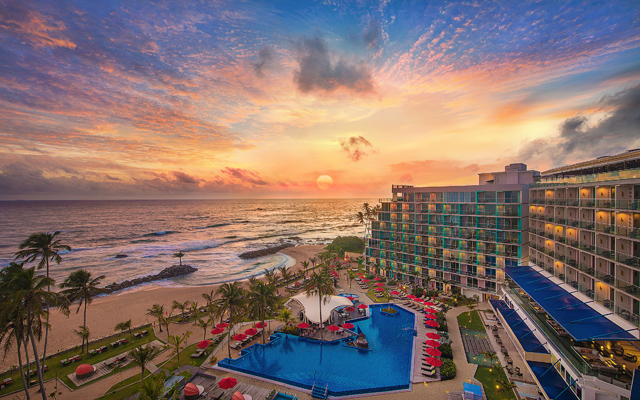
Radisson Blu Resort, Galle
Radisson Blu Resort, Galle is nestled on a long stretch of sand, offering 172 rooms and suites, a large lagoon pool, kids’ club, fitness centre, spa and a collection of dining options. There are also three meeting rooms, a grand ballroom and elegant alfresco spaces.
Radisson Hotel Colombo is a stylish city hotel just steps from the sea near Marine Drive, Colombo’s main coastal road. With 158 upscale rooms and suites, many of which overlook the ocean, guests can enjoy facilities like the rooftop infinity pool and bar, and gym. Wellawatte Beach is only 700m away, while Bandaranaike International Airport is a 50-minute drive away.
The 122-key Radisson Hotel Kandy puts guests close to the UNESCO World Heritage-listed Sri Dalada Maligawa, which is just a 30 minutes’ drive away. Facilities include a gym, rooftop pool, restaurant and bar.
Katerina Giannouka, president, Asia Pacific, Radisson Hotel Group, commented: “We are delighted to sign these landmark agreements with La Vie Hotels & Resorts and owner, Sino Lanka Group, as we continue to increase our footprint in Sri Lanka, one of Asia’s most desirable destinations. With a trio of world-class hotels…Radisson Hotel Group will be established at the forefront of Sri Lanka’s tourism and hospitality industries.”
These three new hotels will be joined by Park Inn by Radisson in Colombo and a Radisson Collection resort in Galle, both of which are scheduled to open soon.
Bespoke luxury travel specialist Intriq Journey has launched Intriq Finesse, a collection of all-inclusive curated tours that focus on immersive, off-the-beaten-path experiences and engagements with local communities.
Each Intriq Finesse adventure comes with an accompanying Travel Concierge for hassle-free holidaying, premier accommodation, local and gourmet meals, drinks, gratuities and ground logistics – all of which are hallmarks of Intriq Journey’s prestigious appointment to the Virtuoso network.
Travellers can catch the morning sunrise over a breakfast on Mount Nemrut in Turkey
Intriq Journey’s co-founder, Lim Kok Yong, shared: “Since the inception of Intriq Journey, we have always included Intriq Finesse as part of our master plan to showcase our expertise in curating off-the-beaten-path experiences to the world. Over the years, we have learnt that exclusive privileges and rare access rights are more affordable with a small group compared to bespoke solo travel. So, we have decided to pioneer this creative concept and launch thematic itineraries so that our guests can venture to exotic destinations, which may be challenging if they travel on their own.
“We are confident Intriq Finesse will be a resounding success. In fact, we have been waiting for the right moment to launch once international border restrictions are lifted.”
The first trips will cover destinations in Denmark, Eastern Turkey and Saudi Arabia with rare yet authentic access to highly coveted attractions that are unattainable by solo and large groups.
The eight-day Nordic cuisine journey includes in-depth food discovery and interactions with local farmers, wine and beer brewers, marine biologists, chefs and entrepreneurs. Guests will partake in a tasting with local beer brewers at the Millinge countryside, farm-to-table seafood dining at Mando island, a taste of life as a nobleman over wine at during a stay at Dragsholm Castle, and a Chef’s Table culinary demonstration and private dining experience at a Michelin-starred restaurant. They will also board a private seaplane flight for an exclusive sightseeing of the capital’s castles, iconic landmarks and famous canals.
The 12-day ancient landscapes tour of Eastern Turkey features rural experiences in historic places less travelled, where intrepid explorers can catch the morning sunrise over a breakfast on Mount Nemrut, in the surreal landscape amid towering eight to nine-metre tall ancient sculptures of King Antiochus. Other key highlights include exploring the iconic Balikli Gol and the Great Mosque in Sanliurfa that have been associated with the great biblical patriarch, Abraham. The expedition also includes a visit to Gobekli Tepe – the world’s first and oldest temple, and tales of the ancient site’s excavation by an archaeologist.
An immersive nine-day Saudi Arabia voyage will span across five cities, including the lesser-travelled Abha and holy city of Medina, where guests will experience the deep cultural influence of Yemen, be accompanied by Saudi Arabia’s famed “Flower Men” during their exploration of Abha, before hopping on an express train ride to the 1,500-year-old Enlightened City, an access previously denied to foreigners.
Other highlights include Al-Ula – the oldest city in the Arabian Peninsula, a desert safari trip and exclusive backstage tour of the world’s largest mirrored building await, ending with an unforgettable farewell dinner helmed by Michelin-starred chef Jason Atherton at the top of the Maraya Concert Hall.
Lim said: “In the months ahead, we will curate more inspiring journeys to unique destinations complemented by rare and locally immersive experiences. Hopefully, Intriq Journey can play our part to uplift the perception of tourism through our small little steps.”
Plans are underway for three additional small group journeys to exotic destinations in Malta, Sicily and Central Asia later this year, for guests to experience a mix of nature activities and each region’s historical heritage.
Millennium Hotels and Resorts’ My Millennium loyalty programme now comes with a new prestige tier with enhanced benefits, such as additional point accumulation, priority check-in/out, complimentary room upgrade, welcome amenities, and triple points accumulation on members’ birthday month.
Members of My Millennium – which used to be a single-tier programme – will be automatically upgraded to the new Prestige status when they stay a total of 10 nights with Millennium Hotels and Resorts. They will get to enjoy the privileges of their upgraded membership for one year.
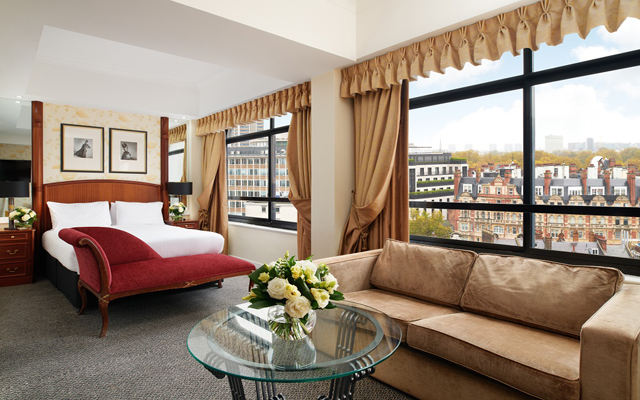
The new Prestige tier grants members with additional perks, such as room upgrades
Saurabh Prakash, group senior vice president, commercial for Millennium Hotels and Resorts, said the enhancement of My Millennium “comes at an opportune time”, as travel restrictions are relaxed around the world.
“My Millennium is one of our key pillars in engaging and acquiring customers by delivering memorable member experiences. By enhancing our loyalty programme, we aim to turn guests into loyal members so that Millennium Hotels and Resorts remains their preferred accommodation choice,” added Prakash.
Pearlie Teo, global loyalty & partnerships director, said the new Prestige tier “aims to give members more reasons to book their long-awaited vacations or business trips with us and make the most of our properties across the globe”.
IHG ANA Hotels Group Japan’s continued portfolio expansion is underscored by a strong confidence in the fundamentals of the country’s tourism industry, said the organisation’s new chief.
Abhijay Sandilya, managing director of the hotel group for Japan and the Micronesia, was appointed to the post on October 1, 2021 and arrived in Tokyo in April this year.
Sandilya: as one of the world’s favourite destinations, Japan will rebuild arrivals swiftly
Speaking to TTG Asia, Sandilya said that as soon as the “shackles are removed” and travellers are permitted to return to Japan, the tourism sector will experience a surge in interest and bookings.
However, everything hinges on the government’s decision to ease entry restrictions on leisure travel, said Sandilya, who has experienced first-hand the problems the pandemic has caused to the previously booming Japanese travel market.
“The pandemic has had a huge impact on the travel, tourism and hospitality industries, and this has been the greatest demand suppression seen in any of our lifetimes,” he said.
“The silver lining is that as soon as restrictions are relaxed, we will see a rapid bounce-back,” he remarked, adding that enquiries at IHG properties in Tokyo and Osaka have been encouraging in recent weeks while “some parts of corporate travel” is returning.
“We are also seeing airlift coming back. We need to find the balance between keeping people safe and welcoming the return of tourism,” he said. “And that is important because globally, tourism employs one in every 10 people.”
Sandilya insists that the government’s ambitious tourism target of 60 million arrivals in the year 2030 is still achievable.
To meet that demand, the company has in recent years embarked on an ambitious expansion plan, with Sandilya in his former role as vice president for development in Japan and Australia overseeing the opening of Japan’s first Kimpton, Regent and Hotel Indigo brands, as well as the first new Holiday Inn Express in many years.
In 2021, IHG ANA Hotels Group Japan also concluded its largest deal in 15 years with an agreement to open or completely renew three properties – with more than 1,000 rooms – in the Appi Kogen region, famed for its winter sports. These properties will boost the brands’ profile and popularity, while efforts are also afoot to reverse the talent drain that has afflicted the industry during the downturn, Sandilya shared.
“Japan is one of the world’s favourite destinations, the macroeconomic conditions are extremely robust, and we are huge believers that consumer demand will soon be back,” he said.
Travellers visiting Vietnam as the country reopens can pair their stay at Azerai Resorts with unique experiences that take them into the surroundings for a taste of local culture.
The suite of experiences are varied across all properties, spanning indoor activities such as themed feasts and cooking classes to outdoor jaunts such as unique cruises and visits to historical sites.
Azerai Ke Ga Bay, Vietnam
Azerai Can Tho, for instance, conducts a half-day excursion along the Mekong River, with the starting point at Hau river and progressing through a local plantation to discover seasonal produce and to have a tête-à-tête with the plantation owner. The package includes a private cruise, trekking and picnic lunch for up to two guests.
Meanwhile, Azerai Ke Ga Bay offers a brief excursion to Ke Ga in Ham Thuan Nam district, to call at the tallest and oldest lighthouse in Vietnam.
Bookings made through Travelport’s platforms are showing strengthening demand for South-east Asia, with Manila, Singapore, and Bangkok leading as the most in-demand destinations.
According to Travelport’s booking data, the other regional destinations in the top 10 list are: Ho Chi Minh City (Vietnam), Jakarta (Indonesia), Kuala Lumpur (Malaysia), Hanoi (Vietnam), Phuket (Thailand), Bali (Indonesia) and Angeles/Mabalacat (Philippines).
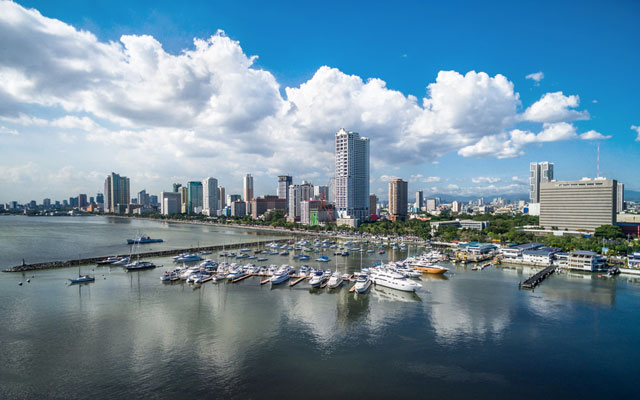
Travelport bookings for the Philippines in 1Q2022 rose 42 per cent over 1Q2019; Manila pictured
In 1Q2022, international flight bookings to the Philippines, Thailand, Singapore, Malaysia, Indonesia, Vietnam, Cambodia, Laos, and Brunei have increased and showed upward trajectory, with the Philippines taking the lead by achieving 42 per cent of its international bookings in 1Q2019 prior the pandemic.
The Philippines and Thailand were among the earliest countries in South-east Asia to reopen their borders, and travellers are clamouring to visit. In 1Q2022, these two countries alone represent over half (51 per cent) of all international flight bookings to the region.
Within a week of the Philippines announcing plans on January 28 to fully reopen to vaccinated travellers on February 10, international flight bookings to the country rose by 114 per cent. One month after the announcement, the country saw a 294 per cent increase in daily flight bookings.
Thailand first allowed foreigners to enter the country on February 1 with the introduction of its Test & Go programme, which required tourists to have a negative PCR test for entry, and a subsequent antigen test on the fifth day of travel. In the 24 hours following that announcement, international flight bookings to Thailand grew by 37 per cent.
On March 7, the Thai government further revised the measures, dropping the testing requirements on the fifth day. With that change, international flight bookings grew 128 per cent compared to bookings following the first announcement.
The top five countries traveling to South-east Asia are the US, the UK, Australia, Saudi Arabia, and South Korea.
Solo travellers made up 44 per cent of international flight bookings for the first quarter of 2022 to date, by far the largest traveller segment, which may be comprised of returning business travellers, flexible tourists whose bags are packed the moment borders reopen, and South-east Asian expats who are eager to return home without enduring a once mandatory quarantine.








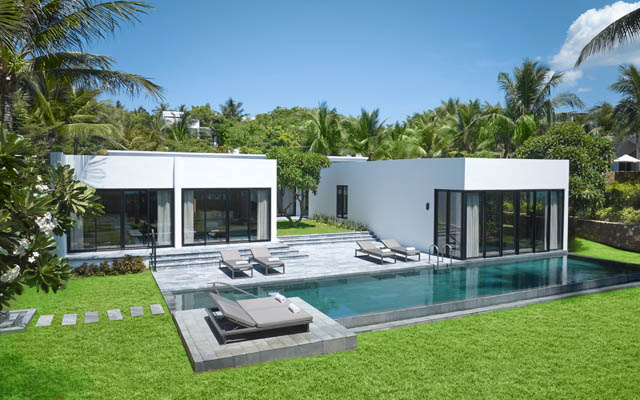
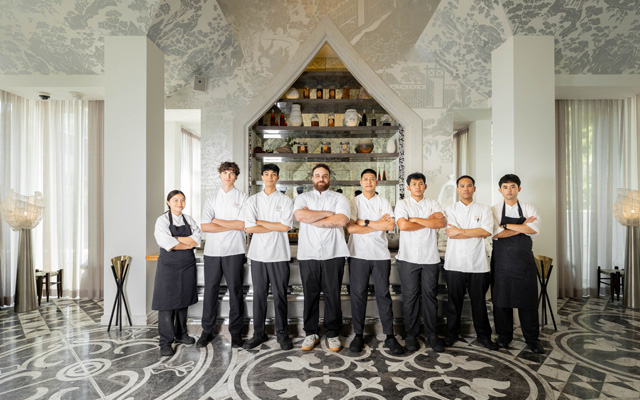






Millennium Hotels and Resorts’ My Millennium loyalty programme now comes with a new prestige tier with enhanced benefits, such as additional point accumulation, priority check-in/out, complimentary room upgrade, welcome amenities, and triple points accumulation on members’ birthday month.
Members of My Millennium – which used to be a single-tier programme – will be automatically upgraded to the new Prestige status when they stay a total of 10 nights with Millennium Hotels and Resorts. They will get to enjoy the privileges of their upgraded membership for one year.
Saurabh Prakash, group senior vice president, commercial for Millennium Hotels and Resorts, said the enhancement of My Millennium “comes at an opportune time”, as travel restrictions are relaxed around the world.
“My Millennium is one of our key pillars in engaging and acquiring customers by delivering memorable member experiences. By enhancing our loyalty programme, we aim to turn guests into loyal members so that Millennium Hotels and Resorts remains their preferred accommodation choice,” added Prakash.
Pearlie Teo, global loyalty & partnerships director, said the new Prestige tier “aims to give members more reasons to book their long-awaited vacations or business trips with us and make the most of our properties across the globe”.