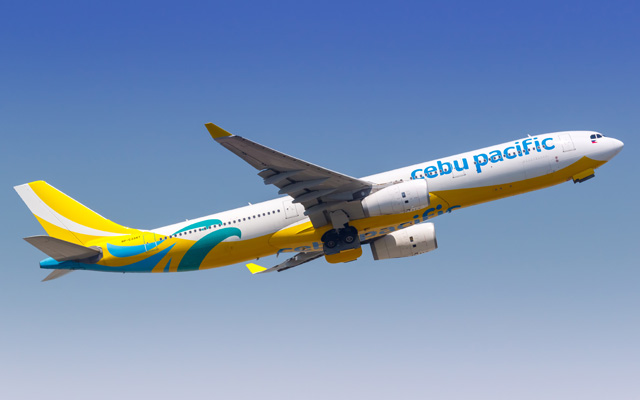
Cebu Pacific will ramp up its direct flights to Seoul (Incheon) from September 9, increasing from the current twice-a-week service to daily.
The daily Cebu-Seoul service will depart Mactan Cebu International Airport at 12.25 and arrive at 18.10, while the Seoul-Cebu service is scheduled to depart Seoul at 18.55 and arrive in Cebu at 22:50.
Cebu Pacific now flies direct to Seoul daily
Fully vaccinated travellers flying to Seoul need to have their negative Covid-19 test result taken within 48 hours before departure, with a valid vaccination certificate, and a filled-out foreigner registration card.
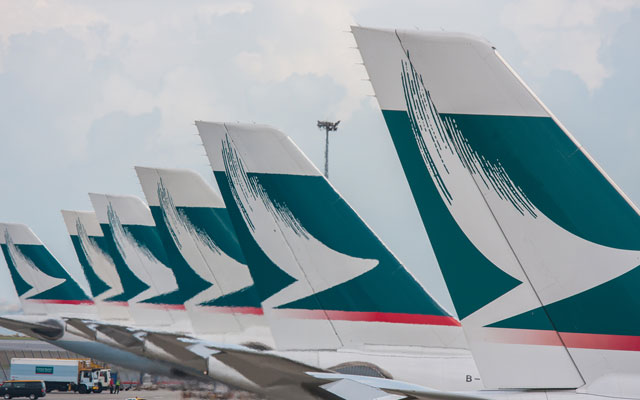
Cathay members can now enjoy the best of Marco Polo Club and Asia Miles under one Cathay membership programme, with more options to earn and redeem Asia Miles and Status Points – formerly known as Marco Polo Club Points – to unlock even more exclusive privileges when travelling or spending with Cathay.
Director of customer lifestyle, Paul Smitton, said: “We wanted to make it easier for members to get the most out of Cathay. That’s why we have simplified the programmes and evolved our membership to provide more benefits and choices that elevate our members’ lives, both on the ground and in the air, keeping everything they know and love about Cathay while innovating for the future.”
Cathay members can now enjoy the best of Marco Polo Club and Asia Miles under one membership programme
Cathay is enhancing its digital experience, from its website to the Cathay mobile app, enabling members to access their membership card, earn and redeem Asia Miles, accrue Status Points, and more.
Current Marco Polo Club Diamond, Gold and Silver members will directly transition into the corresponding Cathay status – Diamond, Gold, Silver and Green – with automatic status renewal through 2022. Silver members and above will be able to earn more miles when they shop, dine or travel with Cathay.
In addition, members in Hong Kong can renew and upgrade their status by spending with the co-branded credit cards, while earning Asia Miles. Special rates on miles will also be offered to eligible members when they use Miles Plus Cash, providing more flexibility to spend miles.
More exclusive travel and lifestyle offers and experiences will be rolled out over the next few months.
Marriott Hotels has teamed up with idea engine TED through its award-winning educational arm TED-Ed, to debut a one-of-a kind immersive experience outside of a TED conference.
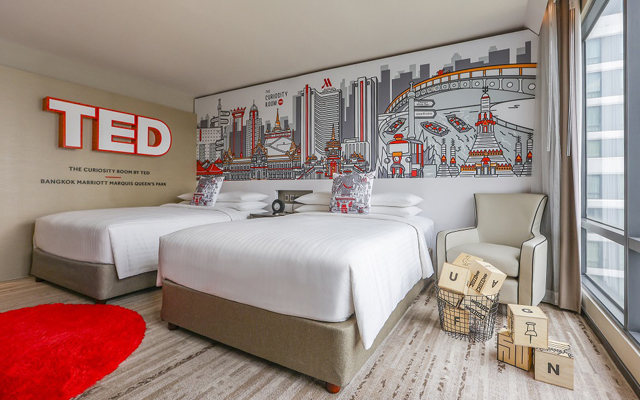
Aimed at sparking curiosity and enriching the experience of global travellers, The Curiosity Room by TED features interactive activities integrated into the Marriott Hotels guest room design, such as puzzles, hidden messages and more. There is a Curiosity Journal that serves as a guide to the in-room riddles, with hints available in case guests need a helping hand.
The Curiosity Room by TED features interactive activities integrated into the Marriott Hotels guest room design
Once completed, guests receive a certificate and can celebrate with a complimentary dessert at the hotel’s restaurant.
First launched in San Francisco, California, this experiential interactive room experience will soon be available in Bangkok and London.
Guests can now book their stay in The Curiosity Room by TED at Bangkok Marriott Marquis Queen’s Park from August 15 to November 15. Priced from 16,100 baht (US$452), it includes a two-night stay for up to four guests, one dinner at Goji Kitchen + Bar, and a treat from the Siam Tea Room’s bakery.
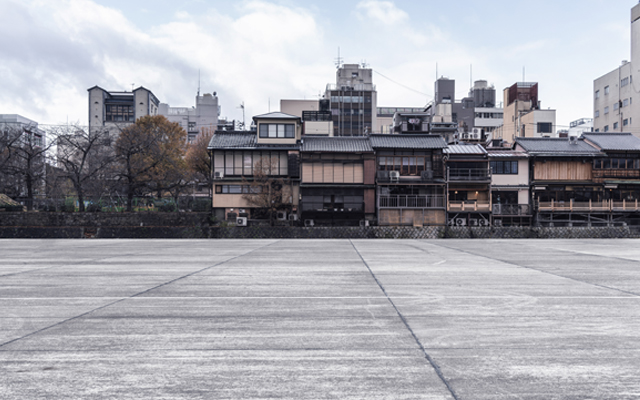
Japan’s rate of inbound tourism is yet to experience significant improvement despite the country’s relaxation of border controls on June 10 to allow entry of tourists for the first time in more than two years.
Due to high interest in Japan among international travellers, the industry was optimistic about the reopening, but a rebound remains elusive. According to Japan’s Immigration Services Agency (ISA), 252 foreign tourists entered Japan between June 10 and June 30, while 7,900 arrived in July.
Tedious paperwork and restrictions to group tours only have disrupted Japan’s inbound recovery potential
Meanwhile, around 8, 500 pax have applied to arrive in Japan between August 12 and August 31, according to the Japan Tourism Agency (JTA).
The extremely low number of tourist arrivals is due to the “time-consuming process needed to travel to Japan,” according to the ISA and JTA. Keen travellers are required to secure a sightseeing visa and private health insurance, show a negative PCR test result, and be part of a tour group.
Japanese agencies also cite China’s strict restrictions on overseas travel for its citizens as another reason for the slow return of arrivals. According to the JTA, 9.6 million Chinese visited Japan in 2019, making China the top source market for Japan’s tourism industry pre-pandemic.
At the same time, group tours tend to draw weaker interest, particularly among Western travellers.
Many prospective customers are choosing to wait until Japan relaxes its tourism rules further to allow FIT travel, according to Derek Yamashita, creative director of The Hidden Japan.
The additional cost of joining a group tour is “pricing out a lot of markets,” warned Simon Gilbert, co-owner and customer relations representative of Kyushu Journeys.
Meanwhile, Pankaj Pradhan, CEO and founder of destination management company B Japan Tours, remains positive for future arrivals. He said there is a lot of “pent-up demand” for travel to Japan, thanks to the country’s “unique combination” of safety, social discipline, design, culture and culinary arts.
Tripadvisor’s Fall Travel Index shows that while the busy summer travel season is coming to an end, over three-quarters of Singaporeans (81%) are planning to travel this autumn despite ongoing inflation and rising fuel costs.
Inflation will impact how Singaporeans travel
Nearly 73% said that inflation will impact the way in which they travel – 38% said that they will likely travel for shorter lengths of time and 35% said that they will likely travel somewhere closer to home than previously planned.
Milan is one of the top ten trending destinations for Singaporeans this autumn
For the majority of Singaporeans, continued rising costs are prompting consumers to alter their spending habits and adjust their travel plans.
Singaporeans would rather cut back on expenses elsewhere in order to travel. In fact, 67% of respondents said that they plan to travel more this autumn than they did during the same period last year and 65% plan to spend more. This is also reflected in traveller behaviour, with Tripadvisor site data revealing that the average value of a trip booked by Singaporean travellers this autumn is 41% higher than the same period in 2021.
Singaporeans bucking global domestic travel trend to jet off abroad
The Tripadvisor Travel Index indicates that globally, domestic trips are still the number one choice, with almost 60% of global travellers opting for this. However, 88% of Singaporeans are planning to travel abroad this autumn, versus 12% choosing the staycation route.
Whether going abroad or not, 70% of Singaporeans plan to travel between one and six hours from home, while 30% are heading somewhere seven or more hours away. The majority (51%) of Singaporeans are planning to take a trip of at least four nights this Fall and Tripadvisor search data underlines the first and second weeks of September as the most popular travel dates thus far.
Top destinations for Singaporeans
The top ten trending destinations for Singaporeans are, in order of preference: Genting Highlands, Malaysia; Milan, Italy; Busan, South Korea; Perth, Australia; Barcelona, Spain; Seogwipo, South Korea; Zurich, Switzerland; Florence, Italy; Munich, Germany; and Penang, Malaysia.
This is based on destinations which have seen the biggest year-on-year increase in searches on Tripadvisor by Singaporeans for trips this autumn.
Food is a highlight for Singaporeans
When it comes to the most exciting components of a trip, the Tripadvisor Fall Travel Index revealed that the top five picks for Singaporeans are: food (74%), scenery (63%), shopping (48%), culture (48%) and activities (46%).
One in three (34%) said that the purpose of their trip is to experience something new and unique and 46% have booked an on-trip activity ahead of their trip to help them do so.
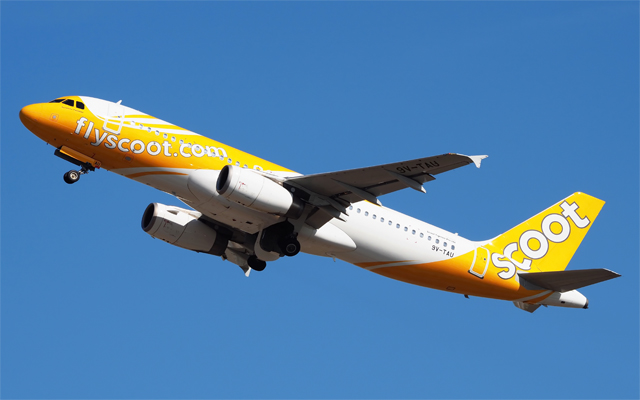
With the year-end holidays coming up, Scoot has launched sale of flights between Singapore and Hokkaido for travel from November 2022.
Scoot will operate seasonal non-stop Singapore-Hokkaido flights from November 2022 to February 2023, on top of the year-round flights to Hokkaido via Taipei to cater to demand during the winter period.
Scoot now flies direct to Hokkaido from Singapore
The launch marks the resumption of all pre-pandemic destinations to Japan with up to daily flights to Hokkaido from November, four times weekly flights to Osaka from September (stepping up to daily from November), and daily flights to Tokyo.
Scoot will also increase flight frequencies across 11 destinations in its network. Starting November, Scoot will operate 28x weekly flights to Bangkok, 21x weekly flights to Jakarta, 16x weekly flights to Phuket, 17x weekly flights to Ipoh, 18x weekly flights to Penang, 21x weekly flights to Ho Chi Min City and thrice weekly flights to Miri.
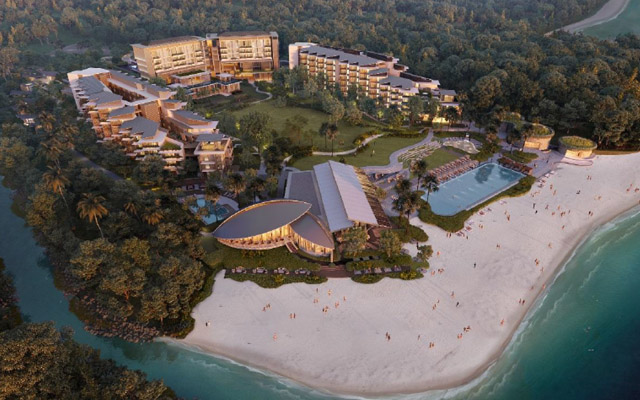
Hilton has signed with Tradewinds Corporation to expand Hilton’s flagship brand in Malaysia with Hilton Burau Bay Resort Langkawi, making it the fourth property in the partnership.
Scheduled to open in 2024, the 251-room resort will be Hilton’s second property in Langkawi, complementing The Nautilus Resort, Curio Collection by Hilton, expected to open in 2023.
Hilton Burau Bay Resort Langkawi is scheduled to open in 2024
Hilton currently operates 13 properties across three brands in Malaysia, with another nine in the pipeline.
Nestled in Burau Bay along Langkawi’s western coastline with a 600m beachfront and surrounded by untouched coastal rainforests, the new resort will also be accessible with Langkawi Airport just a 15-minute drive away, and 40 minutes from the Kuah Jetty.
The property will offer F&B options, lounge, event spaces, spa, pools and fitness facilities.
“With the resort’s prime location, thoughtful design, plentiful dining options and signature Hilton hospitality, I am confident that Hilton Burau Bay Resort Langkawi will raise the bar for exceptional guest experiences here on the island and across the country,” said Alexandra Jaritz, senior vice president, brand management, Asia Pacific, Hilton.
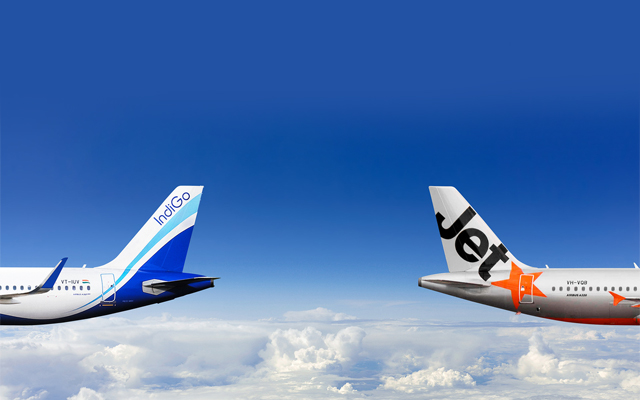
Jetstar and IndiGo have teamed up to provide low-cost direct flights and connections to India for Jetstar customers in Singapore and South-east Asia.
Jetstar customers can now access IndiGo’s low fares from Jetstar’s hub in Singapore to key Indian destinations including Bengaluru, Chennai, Kolkata, Mumbai, New Delhi and Tiruchirappalli.
Jetstar customers can now access IndiGo’s low fares from Jetstar’s hub in Singapore
With the integrated booking system, Jetstar Connect, passengers can select flights, buy bundled and unbundled ancillary products – such as baggage and seats – and enjoy seamless connectivity between international flights.
Jetstar Asia commercial lead, Poh Tiong Seng, said: “Jetstar Connect allows us to offer our customers more exciting opportunities to travel and more great value fares all at the click of a button, making travel even more accessible.”
Sanjay Kumar, chief strategy and revenue officer, IndiGo, added: “This strategic agreement will enable both airlines to tap into the rising demand for international travel, with the upcoming festive season. This partnership will also help us to expand our international connectivity to yet another continent through Jetstar’s network.”
Location
Situated in the heart of the Cambodian capital’s historic hub, the hotel is surrounded by a collection of stunning colonial buildings, including the iconic Post Office. A stone’s throw from the Riverside and Wat Phnom temple, the area is undergoing renovation that will see the emergence of new bars and restaurants, adding to its charm.
Rooms
The hotel’s 260 rooms fall into six categories that range from Tribe Comfort through to Tribe Comfort XL Suite. The focus is edgy design, functionality and comfort, with each of the compact rooms putting to use every inch of space. For example, under the bed is space for suitcases while the mini bar – dubbed sky bar – hangs on the wall.
We stayed on the 14th floor in a Tribe Comfort twin with balcony, with views across the Mekong. As with all rooms, floor-to-ceiling windows ensure light floods in. The bed is probably one of the most comfortable I’ve slept in, with pillows like fluffy clouds. Instead of bathrobes, Tribe sweat robes complete with a hoodie are on hand, while steamers replace cumbersome irons and ironing boards. The Smart TV proved great to watch Netflix on from my laptop, while a boutique bathroom still has space for a powerful rain shower.
1 of 5
Tribe Comfort XL room
Hemisphere
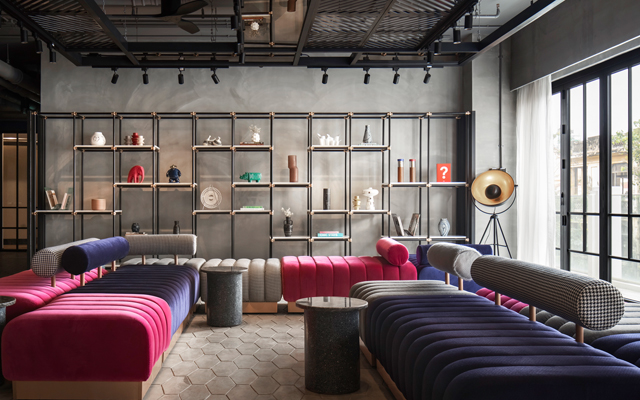
Lobby lounge
MM21
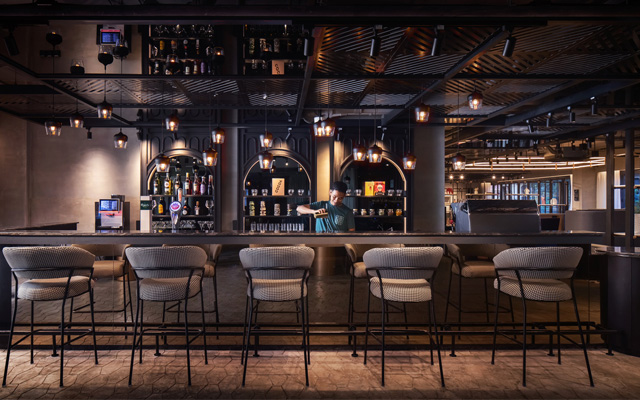
Pool bar
F&B
Tribe Express is located on the fourth-floor lobby and serves sandwiches, snacks and drinks 24/7. In line with the design of the hotel, the industrial-style space features splashes of bold colour, funky furniture and striking pieces of art.
On the 15th floor sits one of many of the hotel’s many Instagram-able spots, MMM21. The rooftop mescal bar takes its inspiration from the iconic Mad Max movies and sees Cambodia’s largest selection of mescal cocktails served from a monster truck.
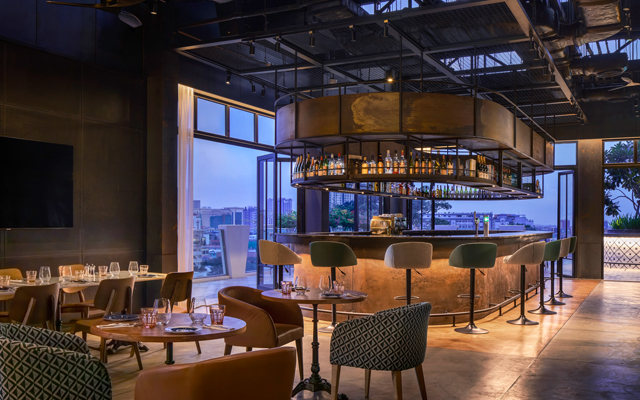
Adjacent sits Hemisphere, a spacious restaurant and bar that boasts 360-degree vistas of the Mekong River and cityscape. The menu serves a blend of continental cuisine given a Cambodian flair.
Facilities
Where Tribe really shines is its focus on the wider community. Its lobby doubles up as a large co-working space that was delightfully full of young Cambodians clattering on their keyboards. Offering free 24/7 access to the capital’s creatives and entrepreneurs, the space is complimented by The Studio, a multi-functional meeting and conference area that overlooks the Mekong River.
Also on the fourth floor is a large outdoor saltwater pool and bar, and the Workout Atelier, a compact gym kitted out with all the latest equipment.
Service
Following Tribe’s contemporary vibe, staff attire is smart-yet-casual. True to Cambodian hospitality, smiles abound throughout, with staff eagerly tending to any of our needs.
Verdict
Tribe cleverly combines work and play in a vibrant atmosphere. Design features heavily on the agenda with thought put into every nook and cranny. If you are the selfie-taking type, then there is no shortage of Instagram-able spots to snap a photo. While the rooms are small, they are definitely functional and felt far from crammed. This designer hotel is definitely a welcome addition to the city.
Banyan Tree and mental health company Intellect have joined hands to launch the Banyan Tree Wellbeing Sanctuary experience, a new personalised well-being support for guests at Banyan Tree Bintan.
The experience will incorporate a personalised mental wellness approach into a leisurely vacation experience, and guests will have access to various facilities to reclaim their personal well-being.
The Banyan Tree Wellbeing Sanctuary experience offers well-being support for guests at Banyan Tree Bintan
Guests who book the experience will discover new tools and knowledge to build mental resilience and improve their overall well-being. There is also an app which provides guided content and habit-building programmes for guests to access throughout and after their stay.
Guests can pre-book the Wellbeing Sanctuary package which includes a stay at the Wellbeing Ocean Villa on the Rock, full premium access to the Intellect app, as well as numerous other guest perks.
















Japan’s rate of inbound tourism is yet to experience significant improvement despite the country’s relaxation of border controls on June 10 to allow entry of tourists for the first time in more than two years.
Due to high interest in Japan among international travellers, the industry was optimistic about the reopening, but a rebound remains elusive. According to Japan’s Immigration Services Agency (ISA), 252 foreign tourists entered Japan between June 10 and June 30, while 7,900 arrived in July.
Meanwhile, around 8, 500 pax have applied to arrive in Japan between August 12 and August 31, according to the Japan Tourism Agency (JTA).
The extremely low number of tourist arrivals is due to the “time-consuming process needed to travel to Japan,” according to the ISA and JTA. Keen travellers are required to secure a sightseeing visa and private health insurance, show a negative PCR test result, and be part of a tour group.
Japanese agencies also cite China’s strict restrictions on overseas travel for its citizens as another reason for the slow return of arrivals. According to the JTA, 9.6 million Chinese visited Japan in 2019, making China the top source market for Japan’s tourism industry pre-pandemic.
At the same time, group tours tend to draw weaker interest, particularly among Western travellers.
Many prospective customers are choosing to wait until Japan relaxes its tourism rules further to allow FIT travel, according to Derek Yamashita, creative director of The Hidden Japan.
The additional cost of joining a group tour is “pricing out a lot of markets,” warned Simon Gilbert, co-owner and customer relations representative of Kyushu Journeys.
Meanwhile, Pankaj Pradhan, CEO and founder of destination management company B Japan Tours, remains positive for future arrivals. He said there is a lot of “pent-up demand” for travel to Japan, thanks to the country’s “unique combination” of safety, social discipline, design, culture and culinary arts.