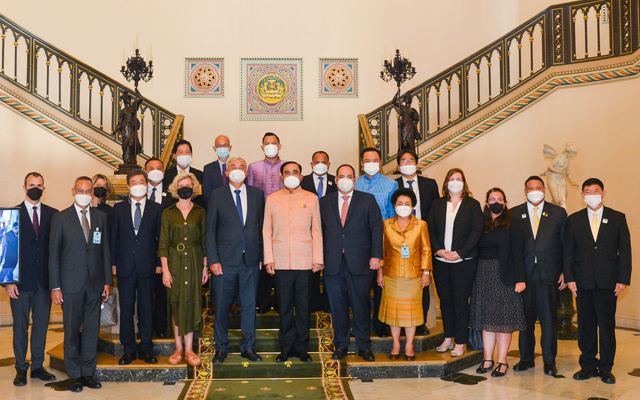
Thailand welcomed nine enquiry mission members from the Bureau International des Expositions (BIE) for an inspection of Phuket’s candidacy to host Expo 2028 Phuket Thailand
Nine enquiry mission members from the Bureau International des Expositions (BIE), the governing body of World Expos, landed in Thailand last week to evaluate the Phuket’s candidacy to host Expo 2028 Phuket Thailand.
The mission is a critical step in the selection process of a host city.
Thailand welcomed nine enquiry mission members from the Bureau International des Expositions (BIE) for an inspection of Phuket’s candidacy to host Expo 2028 Phuket Thailand
Should Phuket be selected, the island would be the first city in South-east Asia to host the high profile global event. The theme, Future of Life: Living in Harmony, Sharing Prosperity, has been proposed, and the event would be held from March 20 to June 17, 2028 on a 22.56-hectare site on Mai Khao Beach.
Thailand Convention and Exhibition Bureau (TCEB) has projected a minimum of seven million expo visitors and a revenue of 50 billion baht (US$1.4 billion) for Thailand. The event is also recognised as an opportunity to raise the quality of life for residents of the province by accelerating infrastructural development for transport, healthcare, and tourism.
Chiruit Isarangkun Na Ayuthaya, President of TCEB, stated that BIE’s key priority is in post-expo area development. As such, TCEB is highlighting that the facilities built for Expo 2028 Phuket will be re-developed into the World Medical and Wellness Center with provisions for public-private partnerships in healthcare and wellness, education, and sustainable living.
“The Expo will benefit not only the city of Phuket but also other provinces on the Andaman coast and Thailand. The Expo is expected to generate 110,000 jobs, increase Thailand’s gross domestic product by 39.357 billion baht, and raise tax revenues by 9.512 billion baht. The Thai government is projecting a return-on-investment of 900 per cent,” he said in a press statement.
“Most importantly, Expo 2028 Phuket Thailand will spotlight Thailand and Phuket as a world-class destination and promote health and wellness tourism. We have started to prepare for our second country presentation in November when we hope to convince BIE of Phuket’s global appeal,” he added.
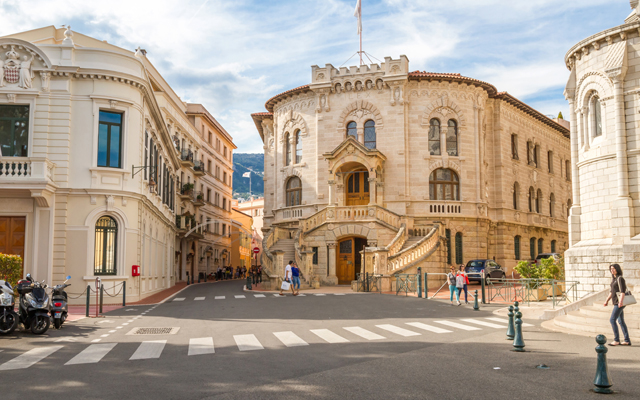
Strategically located in the heart of Europe, Monaco works brilliantly as a base destination for travellers in Asia looking to pack three countries into one European itinerary.
There is no better way to explore the exciting French Riviera or Cote d’Azur – the southeastern coast of France dotted with some of the world’s most celebrated beaches and destinations, including Nice, Cannes and Saint Tropez – from the world’s second smallest country.
Monaco is only a little less than 40 minutes away by ground transport to Italy. A helicopter ride will only require seven minutes to Nice.
From Nice Cote d’Azur International Airport, visitors can reach Monaco within 35 minutes by ground transport too.
Benoit Badufle, regional director for the Promotion Bureau of the Principality of Monaco in Asia, told TTG Asia: “It is normal that many first time visitors travelling from Asia to Monaco will seek to optimise their trip by discovering tourist attractions that are easily accessible, and those abound in that amazing region of Southern Europe graced by an excellent climate, and tucked between the blue Mediterranean sea and the Alps mountain chain.”
Monaco’s highlights To kickstart the three-country journey, travellers can begin with Monaco’s attractions.
Whether it is a romantic retreat, family getaway, wellness escape or gastronomical sojourn, the Principality dazzles with its dynamic mix of exhilarating offerings from glamorous shopping destinations; cool cultural events; exquisite spa and wellness spaces; Michelin-starred restaurants; chic beach clubs to glitzy casinos.
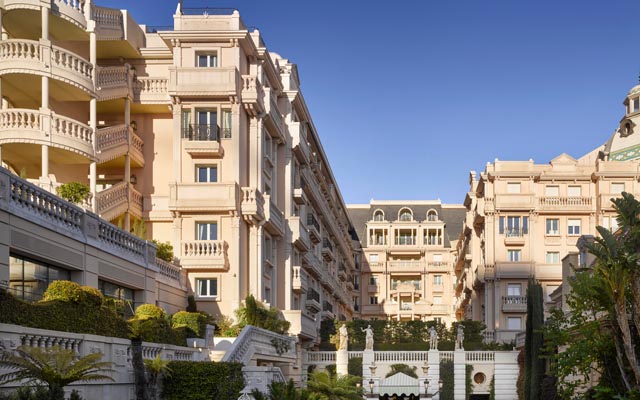
Tourists can stay at the Fairmont Monte-Carlo or Le Meridien Beach Plaza hotel for stunning views over the Mediterranean Sea or at the summer highlight, the Monte-Carlo Beach Hotel.
Those who want to arrive in style can hop on a helicopter and check into the grand and luxurious Prince Rainier III Suite or Princess Grace Suite at Hotel de Paris Monte-Carlo.
While there, dine at three-Michelin-starred restaurant, Le Louis XV – Alain Ducasse and visit one of the exclusive hidden gems of Monaco, the underground wine cellars, which are rarely open to the public except during special events.
For an authentic taste of Monaco, head to the Condamine Market to discover regional and local products, and mingle with the locals while savouring barbajuans, socca and fougasse.
Indulge in invigorating massages and ancestral beauty rituals at Monte-Carlo Bay Hotel & Resort and get pampered with seawater-based treatments at Thermes Marins Monte-Carlo too.
Tourists can also snag great buys at well-known shopping belts such as the One Monte-Carlo and the Metropole Shopping Center housing 80 boutiques.
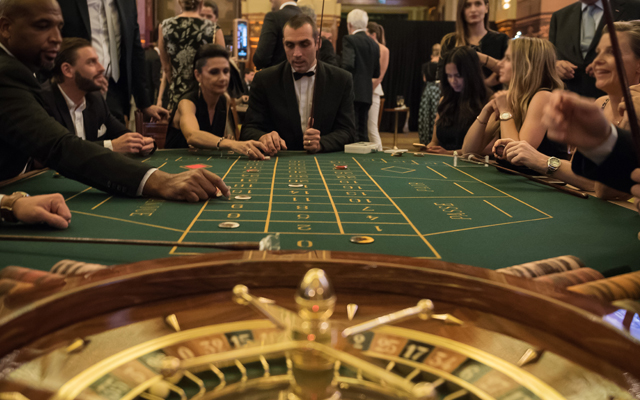
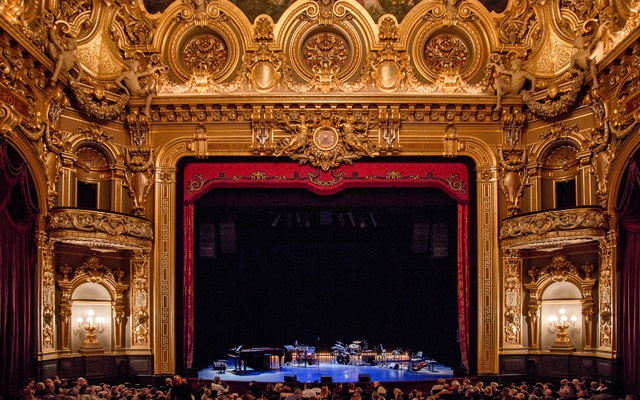
For more unforgettable experiences, they can also watch a performance at the historical Opera de Monte-Carlo; tour the old town, Monaco-Ville; visit the well-loved Oceanographic Museum, the Cathedral and the Prince’s Palace; and try their luck at the majestic Casino de Monte-Carlo, built in 1863.
France’s appeal From Monaco, travellers can journey to other coastal cities along the Mediterranean – easily accessible by train, bus, or within a one-hour drive.
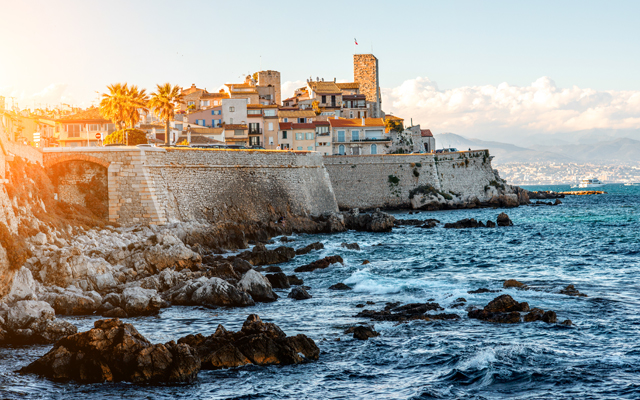
Trek through scenic village, Antibes, along the Mediterranean
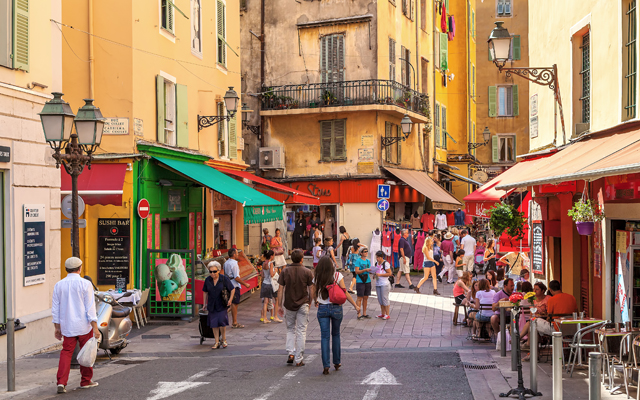
After arriving in Nice, the fifth-largest French city well-known for its unique art and culture on the riviera, visitors looking to lap up all the lux and glamour can venture towards iconic beach towns nearby such as Saint Jean Cap Ferrat and Beaulieu-sur-Mer or to artsy Cannes in the opposite direction.
Travellers keen to up their quotient on the sightseeing ante can trek through scenic villages like Antibes, Eze, Villefranche-sur-Mer, Vence and Grasse instead.
Resort town, Antibes, overlooks luxury yachts moored at the Port Vauban marina. The medieval city of Eze sits atop a hill crop with a Mediterranean Sea vantage point.
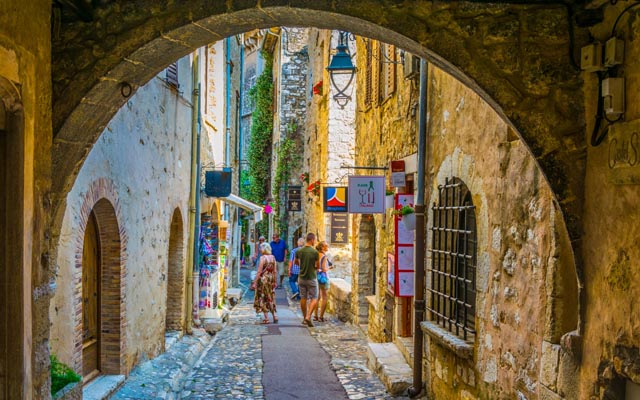
One of the most colourful and charming seaside towns in South France is Villefranche-sur-Mer, which citadelle and old city date from the 17th century, while Vence is a laidback, charming off-the-tourist-radar town. Its small neighbour, Saint Paul de Vence, is an artistic hotspot on the French Riviera, complete with contemporary art museums and galleries.
Curious travellers can go on a perfumery tour in Grasse, the world’s mecca of the perfume industry. Closer to Monaco, they can personalise their own bottled scent at Fragonard and Gallimard perfumeries branches in Eze-sur-Mer.
All these locations are easily accessible from Monaco, making day-trips a very convenient option.
For those who want to follow the road made famous by Grace Kelly and Cary Grant in Hitchcock’s To Catch a Thief, as they picnic while admiring the view over Monaco, they can access it from the village of La Turbie, France – here they can admire the 2,000-year-old tower, Trophy of Augustus, which once marked one of the frontiers of the Roman Empire.
Located nearby La Turbie is the Monte-Carlo Golf Club. Managed by the Monte-Carlo SBM group, the golf course sits 900 metres above sea level, boasting vantage views over the Mediterranean Sea, and the Alps in the background.
Italy’s attractions Within an hour of a scenic drive along the coast, travellers can also easily head east to border cities – Ventimiglia, Bordighera, and San Remo in Italy – from Monaco too.
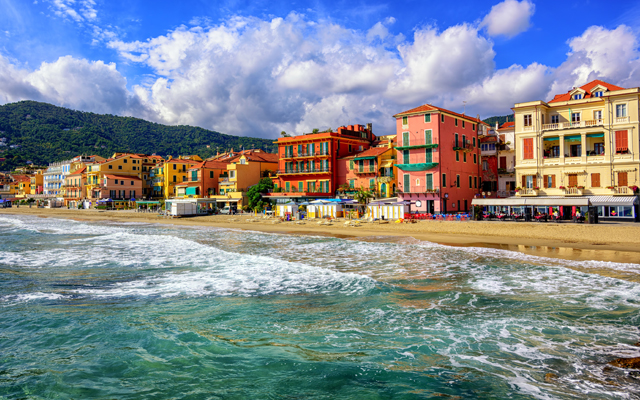
Tourists can cycle along the coast on the 26-km cycle path through the Liguria region to explore San Remo
Walk around Ventimiglia wet market to appreciate the seasonal produce, Italian cheese, cold cuts and wide selection of aquatic offerings.
Drop by lovely Bordighera – stop at the giant ficus-trees-adorned parking space flanking the old village and check out this authentic gem with its original post office on the Church’s square.
While there, make a beeline for one of the several trattorie – well-loved by locals – serving scrumptious fare and explore Villa Garnier, historic home of architect Charles Garnier of Paris Opera House fame.
San Remo, is an old resort city, well-known as a tourist destination on the Italian Riviera for 150 years.
A host city of cultural events and a shopping hotspot, San Remo is one hour’s drive away from Monaco. Shopaholics can also stretch their dollars at its outlet store, The Mall, selling discounted past collections of Italian designers.
Badufle shared: “Experiential tourism, a type that we endeavour to promote in Monaco, is all about that. It is not about ticking boxes – it is about enriching oneself, discovering other cultures, being charmed by the ways of the locals, and taking away some of it back home.”
For those who are set on sightseeing
Sightseeing itinerary
1 of 4
Visit Monaco's well-loved attraction, Oceanographic Museum (Credit: Oceanographic Museum)
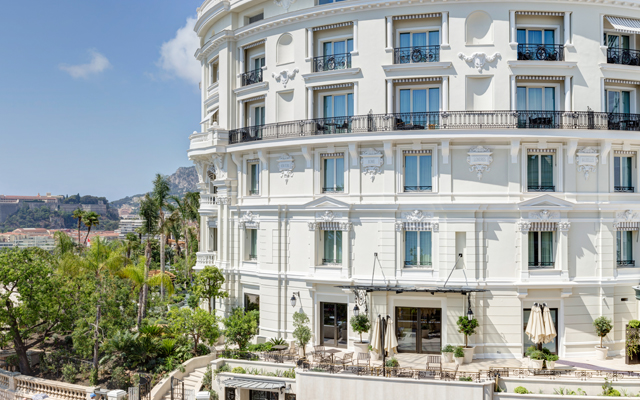
Stay at Hotel Metropole Monte-Carlo (Credit: W. Pryce)
Explore Nice on the French Riviera
Tour border city, Bordighera, Italy
Stay at boutique hotel, Hotel Metropole Monte-Carlo
Head to the Condamine Market to discover local produce
Shop at One Monte-Carlo and the Metropole Shopping Center
Tour Monaco-Ville; Oceanographic Museum, the Cathedral and the Prince’s Palace
Visit French Riviera – explore coastal villages, Villefranche-sur-Mer, Eze and Nice
Head to border cities Ventimiglia, Bordighera and San Remo in Italy
Visit Ventimiglia wet market and drop by Bordighera Park
At San Remo, rent a bike and go for ride along the coast on the 26-km cycle path through the Liguria region
For those who want to live the high life
High life itinerary
1 of 4
Try your luck at Casino de Monte-Carlo (Credit: Monte-Carlo SBM)
Visit Saint Paul de Vence, the artistic mecca on the French Riviera
Watch a performaance at Opera de Monte-Carlo (Credit: Monte-Carlo SBM)
Hop on a helicopter to check into Hotel de Paris Monte-Carlo
Hop on a helicopter and check into Hotel de Paris Monte-Carlo
Dine at three-Michelin-starred Le Louis XV – Alain Ducasse and visit the underground wine cellars
Visit Monte-Carlo Bay Hotel & Resort for massages and beauty rituals
Attend a show at Opera de Monte-Carlo and try your luck at Casino de Monte-Carlo
Explore French Riviera – focus on Antibes, Cannes and Saint Paul de Vence
Go on a perfumery tour in Grasse
Visit San Remo, Italy for its music festival and annual road cycling race
With the removal of Covid-19 red tapes, the Indonesian travel industry is going full swing to entice international travellers back to the country with new and attractive products.
A number of hotels and tour operators have developed personalised and localised experiences for smaller groups, and have chosen to scale up Indonesia’s biggest assets of nature, cultural and heritage values in new and innovative ways.
Four Seasons Resort Bali At Jimbaran Bay brings arak into its cocktails
Four Seasons Resort Bali At Jimbaran Bay has taken a unique culinary approach to mixology by highlighting arak, Balinese rice wine, at its newly-opened Telu, an aromatic herb and cocktail garden. The standalone venue showcases Bali’s age-old traditions and natural resources.
Telu’s open-air design features 100 per cent repurposed and upcycled materials, and an Arak Cellar. Guests learn about the traditional uses and medicinal benefits of arak, and forage with head bartender Sufian Mahmoud in the garden to pick their favourite spices and herbs before getting behind the stove with him.
“It’s a journey back in time that unlocks another layer of Balinese culture, as well as a vision of the future through the lens of sustainable bartending,” said Nicolas Senes, food and beverage director at the hotel.
At Adiwana Resort Jembawan, Ubud, the Herb Library offers the contemporary healthy dining that features plant-based ingredients and responsibly-sourced fish and chicken.
Made Adiguna Kusuma, CEO of Jeevawasa, the holding company of Adiwana Hotels & Resorts, hopes that the plant-based concept will inspire both health-conscious guests as well as gourmands to appreciate rich and flavourful recipes that the Herb Library has to offer.
Alila Villas Uluwatu’s Journeys by Alila takes guests to nearby islands for a deeper destination experience. The four-hour Fly Me to Nusa Penida and Sky Ride to Nusa Lembongan present birds’ eye views of the natural attractions around the islands while the Sail me to Nusa Penida is a one-day luxury cruise inclusive of a butler, barbecue lunch, and activities like snorkelling, paddling or fishing.
Weddings in Bali are also given a creative spin, and this is one that satisfies sustainability needs. The Apurva Kempinski Bali has joined forces with like-minded suppliers to offer a Sustainable Wedding Package, which sees the use of recycled paper, wooden chairs and potted plants in venue decoration, as well as locally handmade crafts for wedding favours.
Creative stays extend beyond leisure island Bali. In big city Jakarta, The Hermitage, a Tribute Portfolio Hotel has curated a number of heritage, arts and sports programmes for guests. The Menteng Historic Tour, for instance, takes history buffs around the prestigious Menteng neighbourhood on foot. This used to be the residential area for upper-class Indo-Dutch in the early 1920s.
Butlers – known as guardians at The Hermitage, a Tribute Portfolio Hotel – also lead guided visits to galleries and art exhibitions.
Over in Surabaya, Aneka Kartika Tours and Travel Services has introduced Tour the Kampung, a four-hour walking tour where travellers stroll down small lanes and meet the locals residing in villages within the city. Travellers will experience the Arab quarter and explore a housing complex tucked behind a 150-year-old Confucian temple.
“Every spot has its own unique characteristics with ample opportunities to meet and chat with friendly locals and children to discover real hospitality,” said Adjie Wahjono, operations manager of Aneka Kartika Tours and Travel Services.
Guests can also choose to indulge in a culinary experience that features famous local dishes such as rawon beef black soup, sate kelopo coconut beef satay, and bebek goreng deep fried duck with sambal sauce. Guides will craft the route and dining spots according to the choice and dietary requirements of guests.
Michael Ganster has been appointed general manager of Niccolo Changsha, part of the Hong Kong SAR-based Wharf Hotels.
Ganster will oversee the hotel’s business operations, identify future property development and growth opportunities, as well as develop and curate authentic Changsha experiences.
Previously the general manager of Niccolo Chengdu, Ganster hails from Austria and has over 20 years of luxury hospitality experience in Europe, North America, the Middle East, and Asia.
The landmark signing was led by Ministry of Tourism and Creative Economy's Ni Wayan Giri Adnyani (left) and Marriott International's
Ramesh Jackson
Marriott International Inc. in Indonesia has signed an MoU with the Ministry of Tourism and Creative Economy of the Republic of Indonesia to develop the country’s tourism sector and the creative economy.
The MoU covers collaboration on destination and tourism marketing; the institutional field including the development of talent and human resource competencies in the tourism sector; the field of creative economic development; as well as other forms of collaborations beneficial for the tourism and hospitality industry within a period of three years from the signing.
The landmark signing was led by Ministry of Tourism and Creative Economy’s Ni Wayan Giri Adnyani (left) and Marriott International’s Ramesh Jackson
Ramesh Jackson, Indonesia’s area vice president for Marriott International, said the company is committed to supporting Indonesian tourism.
“Collectively we aim to improve the experience for travellers to get closer to the beauty of Indonesia, its natural wonders, its rich history, and its people,” he said.
In a statement, minister of tourism and creative economy, Sandiaga Salahuddin Uno, conveyed that this MoU is a concrete step towards a commitment between the public and private sector, in line with president Joko Widodo’s instructions to develop a more inclusive tourism.
“Marriott International, as one of the largest hospitality companies in the world and a major player as one of the top accommodation providers in Indonesia and across the archipelago, is the right partner for this strategic collaboration. I look forward to this fruitful cooperation and see the positive results in the near future,” said Sandiaga.
The collaboration supports Marriott International’s efforts to empower local talents and provide opportunities for students or graduates of six Tourism Polytechnics with practical experiences and training within the company’s hotels and resorts.
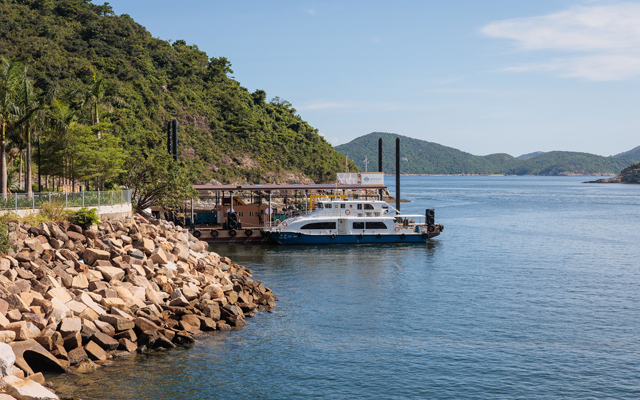
Ocean Park Corporation will commence a new chartered ferry service on August 6, serving visitors to Water World Ocean Park Hong Kong.
The service, available for free to holders of valid Water World and Ocean Park admission tickets, travels between Aberdeen Pier and Ocean Park Tai Shue Wan Pier via Ap Lei Chau Sightseeing Sampan Pier. Four trips are operated per day on Saturdays, Sundays and public holidays.
The opening of the Ocean Park Tai Shue Wan Pier facilitates the commencement of a new ferry service
Paulo Pong, chairman of Ocean Park Corporation, said the 30-minute ferry trip offers more than just a ride.
“Everyone will immerse in the beauty of the sea and be inspired on the importance of marine conservation as they join us on board for an exciting adventure to or from Water World,” said Pong in a press statement.
He added: “I also look forward to the launch of marine tourism programmes for Hong Kong Island in further strengthening Ocean Park’s conservation and education initiatives outside the Park.”
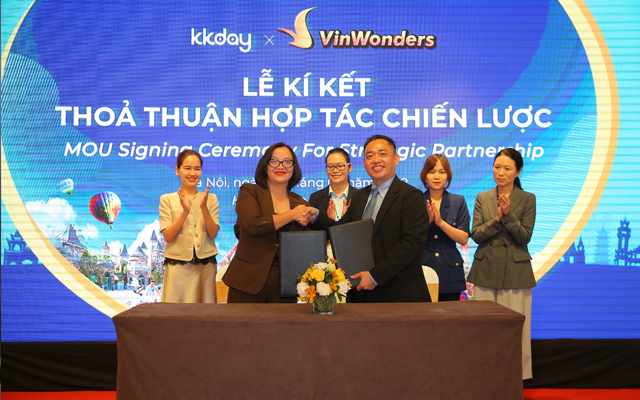
Online travel experiences platform, KKday, is stepping up its aggressive expansion in Vietnam, with efforts focused on local partnerships that will allow it to drive more than US$100 million into Vietnam’s tourism industry by 2023.
KKday will work with local merchants to digitise processes, launch marketing campaigns to capture both inbound and outbound traffic, and expand distribution channels to capitalise on the sharp travel rebound expected in Vietnam across key markets such as Ho Chi Minh, Hanoi, Danang, and Phu Quoc.
KKDay has signed a number of MoUs with leading Vietnam partners that will boost inbound and outbound tourism business for the country
The company recently inked MOUs with leading Vietnam partners, such as SunWorld Holdings, VinWonders, FLC Group and BestPrice. The agreements are expected to support domestic and international visitors, especially visitors from South Korea, Japan, and South-east Asia, and help over 3,000 travel operators globally on KKday’s platform access experiences and activities offered by its new Vietnam partners.
KKday’s Vietnam business grew 20 time during the pandemic years, and has exceeded pre-Covid-19 levels, largely driven by the growth of its domestic business. KKday expects revenues to continue growing as borders reopen and international travellers return.
“We believe that the tourism recovery in Vietnam will accelerate given pent-up demand, restrictions being lifted, and the increasing digitalisation of travel operators locally. As more travellers are digital-first and traveling for longer periods in this new environment, we are committed to establishing our foothold in Vietnam to support the growth and digital
transformation of the tourism industry in Vietnam. We believe our hyperlocal approach combined with our focus on innovation and operational excellence will continue to be the key drivers of our business,” said Pinky Lee, managing director of South-east Asia, KKday.
Prior to Covid-19, Vietnam was one of the fastest growing tourism destinations in South-east Asia, with tourism contributing to 12 per cent of the country’s GDP and the three-year CAGR was 22 per cent between 2017-2019.
According to the Asian Development Bank, Vietnam’s economy is expected to rebound by 6.5 per cent in 2022.
In terms of traveller demand, KKday forecasts over 20 million trips will be taken both inbound and outbound from Vietnam by the end of 2023. Arrivals into Vietnam is also expected to rise by 50 per cent year-on-year by the end of 2022.
KKday’s expansion will include plans to triple the size of its current team.
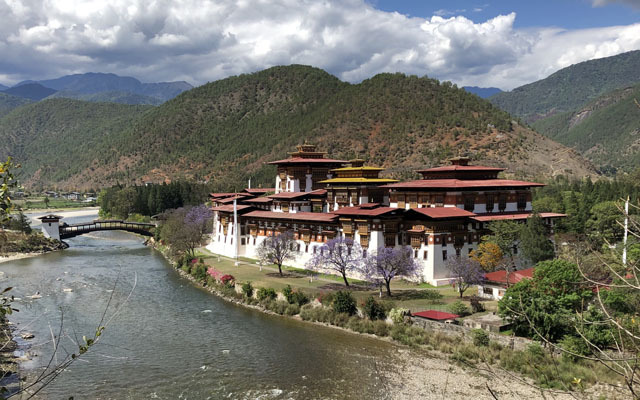
Bhutan will reopen its historic and sacred Trans Bhutan Trail for the first time in 60 years on September 28, following two years of extensive restoration and a delayed launch due to the pandemic.
Following the official opening ceremony, exclusive launch partner, G Adventures will begin group programmes on October 2. Two new trekking itineraries are offered and available for booking into 2023 – the 11-day Camp the Trans Bhutan Trail trip which features camping and homestays, and a 12-day Highlights of the Trans Bhutan Trail itinerary with accommodation in homestays, locally-owned guest houses and hotels.
G Adventures will offer two new trekking itineraries down the sacred Trans Bhutan Trail from October 2
The inaugural trip is already sold out.
Yves Marceau, vice president of product at G Adventures, expressed excitement in bringing tourism dollars back into the local communities.
“We’re honoured to be working with the Bhutan Canada Foundation and the Trans Bhutan Trail to launch this newly restored route in magical Bhutan, and we’re thrilled with how popular the new trips have been, even with the delay in reopening,” said Marceau.
“Trails have historically connected remote communities and helped distribute much-needed income to local people as travellers move across the landscape. Our new trips cover the highlights of the trail as hikers traverse forests and meadows, and travel through rural settlements around the Dzongs. Travellers can expect an average of three to four hours of hiking each day and delicious local meals each night, whether they are camping or staying in homestays, hotels or local guest houses,” Marceau added.
Sam Blyth, chair of the Bhutan Canada Foundation, and lead donor for the Trans Bhutan Trail, said G Adventures was an obvious partner to help relaunch the trail given the company’s long history and success running small group tours and giving back to destinations through its commitment to community tourism.
“As well as providing income opportunities for local people, especially youth, in rural communities, the restoration of the trail is a community-based project designed to preserve an ancient cultural icon and provide a sustainable experience for travellers. Economic benefit will flow directly into the local communities as a result of community tourism, whether via homestays, the purchase of supplies locally for multi-day trips or the employment of local guides,” said Blyth.
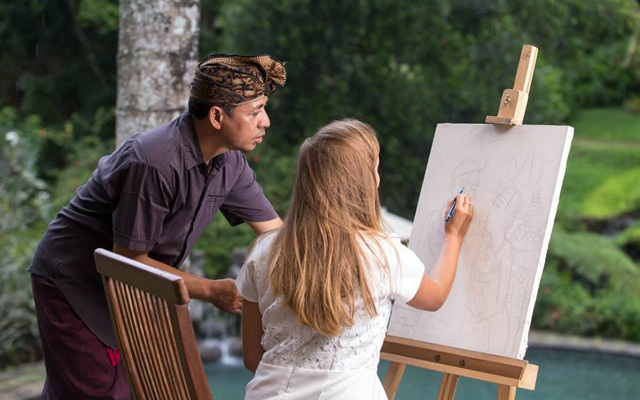
Tanah Gajah Ubud, an art-steeped resort in Bali, is looking to spark creativity among its guests with new hands-on art classes led by the very Indonesian artists whose work adorns the property.
The bespoke three-hour private painting sessions are held at Tanah Gajah, a Resort by Hadiprana, with an award-winning local artist. Several painters, whose collections have been featured at the Hadiprana Gallery and are on display throughout the property, are available for the lessons. Guests have the option to choose an artist whose painting-style resonates with them.
Guests can take a painting class led by local artists
Tanah Gajah and the Hadiprana family have long held a deep connection to Indonesia’s art scene. The property was once the former private estate of noted Indonesian designer and art collector, Hendra Hadiprana. A pioneer in Indonesia’s art scene, the family’s late patriarch opened Indonesia’s first art gallery in Jakarta sixty years ago.
When Tanah Gajah became a resort, much of the collection Hadiprana assembled over three decades remained. His array of stone-carved sculptures, paintings from local artists, and ancient vases has long drawn art lovers to the secluded Ubud property.
Classes are available upon request, and are priced at 1,500,000 rupiah (US$104) excluding service charge and taxes, with additional sessions offered at half the initial price.
The hotel also works with a local egg painting artist for guests interested in this Balinese craft.
For little ones, the resort has carved out a new art room, offered as part of club benefits. Families can book the space and make use of art supplies for children to paint freely or on colouring books that introduce Balinese cultural elements, from costumes to villages. Guest’s personal butler will be on hand to explain the significance of each image.
The annual What About Kuching Festival (WAK2022) will break out of its two-year pandemic-induced hiatus with a fourth edition this October.
Endorsed and supported by the Ministry of Tourism, Creative Industry and Performing Arts Sarawak, WAK2022 has seen strong support from potential programme collaborators.
WAK2022 is a community-driven festival of the arts, culture and lifestyle of the people of Kuching and Sarawak; pictured The Possibility 2.0 Magic Show & Workshop by The Cartisan
Donald Tan, founding festival director of the WAK festival series, said: “At the close of proposal submission on July 31, WAK2022 received 69 proposals from 59 different collaborators covering 111 events of various genres including music, theatre, dance, arts and crafts, gastronomy, literary and culture, and not forgetting sporting events and eco-based adventure activities.
“We are very pumped up to see the amount of support we are getting, not only in terms of numbers but also the very high, world-class quality genres. We will now be closely engaging all collaborators to discuss further details and tighten the loose ends so we are all fully ready.”
WAK2022 is expected to bring a variety of events and activities to Kuching throughout October, making the Malaysian city and the larger Sarawak state even more exciting for visitors.
The final line-up will be announced in September.
Tan hopes WAK2022 will entice visitors who had missed out on some of Sarawak’s most iconic events earlier in the year, such as the Rainforest World Music Festival and Borneo Jazz Festival.
“WAK2022 will be your best opportunity to experience and be immersed in our rich culture and heritage, while satisfying your craving for musical, theatre and fine arts performances as we present both the old and the new. Gastronomy will be a big part of the festival too,” he added.






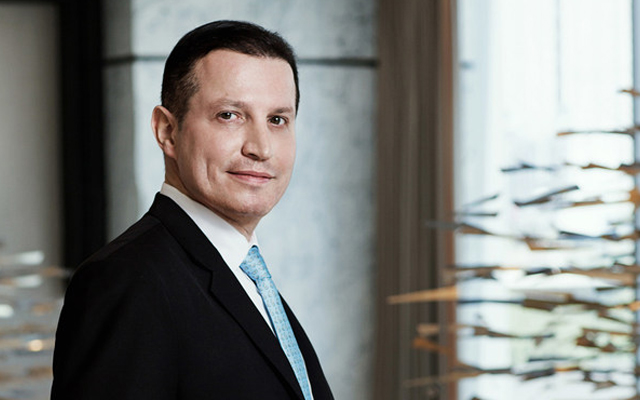
 Previously the general manager of Niccolo Chengdu, Ganster hails from Austria and has over 20 years of luxury hospitality experience in Europe, North America, the Middle East, and Asia.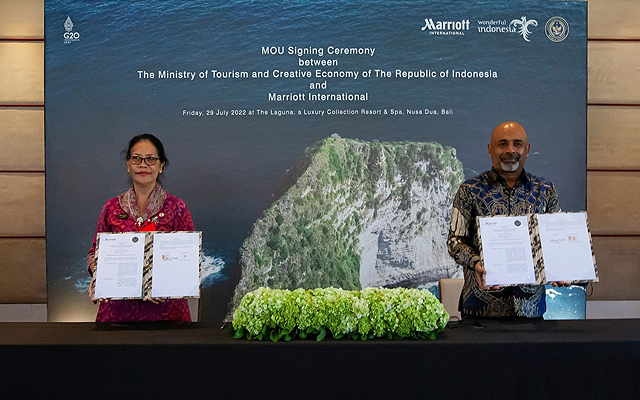







Tanah Gajah Ubud, an art-steeped resort in Bali, is looking to spark creativity among its guests with new hands-on art classes led by the very Indonesian artists whose work adorns the property.
The bespoke three-hour private painting sessions are held at Tanah Gajah, a Resort by Hadiprana, with an award-winning local artist. Several painters, whose collections have been featured at the Hadiprana Gallery and are on display throughout the property, are available for the lessons. Guests have the option to choose an artist whose painting-style resonates with them.
Tanah Gajah and the Hadiprana family have long held a deep connection to Indonesia’s art scene. The property was once the former private estate of noted Indonesian designer and art collector, Hendra Hadiprana. A pioneer in Indonesia’s art scene, the family’s late patriarch opened Indonesia’s first art gallery in Jakarta sixty years ago.
When Tanah Gajah became a resort, much of the collection Hadiprana assembled over three decades remained. His array of stone-carved sculptures, paintings from local artists, and ancient vases has long drawn art lovers to the secluded Ubud property.
Classes are available upon request, and are priced at 1,500,000 rupiah (US$104) excluding service charge and taxes, with additional sessions offered at half the initial price.
The hotel also works with a local egg painting artist for guests interested in this Balinese craft.
For little ones, the resort has carved out a new art room, offered as part of club benefits. Families can book the space and make use of art supplies for children to paint freely or on colouring books that introduce Balinese cultural elements, from costumes to villages. Guest’s personal butler will be on hand to explain the significance of each image.
For more information visit www.tanahgajahubud.com