Brought to you by Amari Raaya Maldives
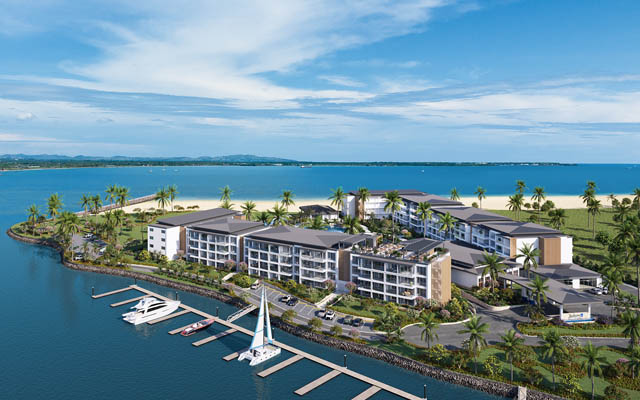
Situated on a lush private island just 45 minutes from the airport, Amari Raaya Maldives is the newest luxury destination resort that celebrates life’s best moments. Offering warm and friendly service, well-appointed rooms, an indulgent spa, and a variety of delectable dining options, it’s the perfect backdrop for an island getaway.
 Scheduled to open its doors on August 1st, 2023, the resort is delighted to unveil an exclusive pre-opening offer tailored for discerning travelers. Guests who book their stay during the pre-opening period will enjoy an incredible 40% discount on accommodations, along with a 20% discount on rejuvenating spa treatments. Additionally, as a special bonus, guests will have the opportunity to experience a complimentary photoshoot experience.

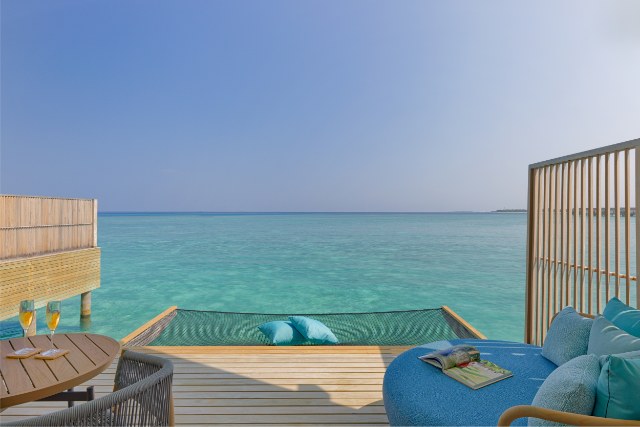
The island boasts 187 villas, nestled amidst pristine reefs and lush tropical palms, offering unique and unforgettable experiences. With direct beach access, guests can choose from an array of options, including the Beach Villa, Beach Pool Villa, or interconnecting Family Beach Villas with a shared private outdoor space for quality bonding time. For those seeking a closer connection to the mesmerizing marine life, the Ocean Villas and Ocean Pool Villas, set above the turquoise waters, provide a captivating experience. Moreover, for those yearning to witness the breathtaking sunset hues from the comfort of their villas, the Sunset Ocean Villas and Sunset Ocean Pool Villas offer the perfect choice.
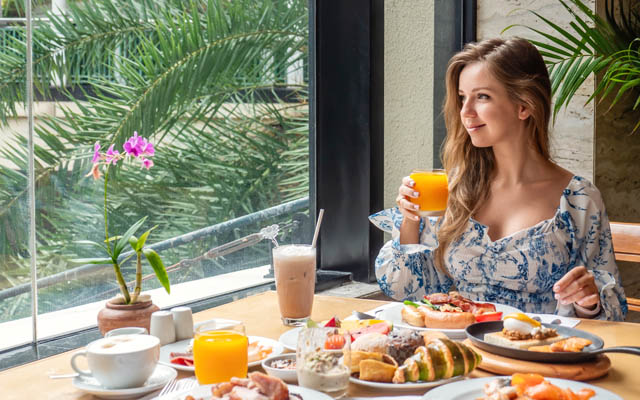
 Offering an unrivalled range of dining options, the resort boasts a new culinary adventure for each day of the week with eight restaurants. Guests will feel a burst of flavour at any one of the food and beverage outlets – each one finding the perfect balance between Thai, Asian, Maldivian, and International flavours, ingredients, techniques, and experiences. The perfect meal can be paired with a cocktail or creative drink concoction, whilst welcoming sundown from atop a canopy of palms or spent with a loved one on a private corner of the beach, with a romantic dinner for two, whilst feeling sand between your toes.
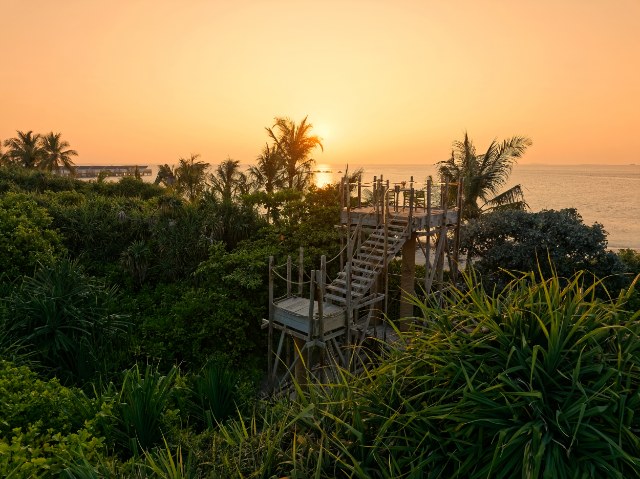
 Interwoven into the resort experience is the story of Seb, a shipwrecked artist who made the island his home. This castaway story frames the resort’s experience, showcasing the remnants of Seb’s life including his art studio, ship and watch towers converted to private dining and star-gazing venues.
 In the evening, guests can enjoy live entertainment, traditional Bodu Beru, and regular cultural events.
 Activities like diving, water sports, and excursions take the fun out onto the open ocean, while the island offers a vast range of amazing food, relaxing spa treatments at Maai Spa, and a myriad of outdoor adventures including archery, kids’ play areas, mini golf, paddle tennis and more. The island is also home to natural mangroves with walking path ideal for exploring.
The resort is located on Raa Atoll and is accessible from Velana International Airport directly by a 45-minute seaplane to the resort or a fixed-wing domestic flight and speed boat via Ifuru Domestic Airport.
 Don’t miss out on our exclusive pre-opening offer, valid for stays between August 1 and December 23, 2023. Secure your preferred dates and accommodations by booking early. With the grand opening of our resort approaching, this limited-time opportunity is perfect for travelers in search of an enchanting paradise experience.
 Amari Raaya Maldives is the newest luxury destination resort found on a lush private island in Raa Atoll, inspired by surrounding natural fauna and flora, open ocean and a sense of castaway adventure. Book now and enjoy a 40% discount on stays and special benefits. More information on the Pre-Opening can be found at https://www.amari.com/raaya-maldives/special-offers or contact the resort directly at reservations.raaya@amari.com