Hotel Icon in Hong Kong has collaborated with local start-up, BluePin, to introduce robots that are capable of delivering seamless check-in and check-out for guests.
The robots are expected to reduce waiting times and relieve pressure on human staff, freeing the latter up to focus on personalised service.
Hotel Icon has introduced robots that can generate key cards and enable payment all at one go
During check-in, the robots can generate key cards and enable payment all at one go in a few minutes.
Hotel Icon’s acting general manager Ian Lee said: “Robots at Hotel Icon are aimed at promoting efficiency rather than fostering an over-reliance on technology. For example, while our guests still prefer being greeted in person, highly-efficient check-in/check-out procedures remain an important aspect of the guest experience.”
BluePin received its funding from The Hong Kong Polytechnic University (PolyU) and its Tech Launchpad Fund – PolyU also provided BluePin with entrepreneurial training, including guidance in financial management, marketing, patent application, and more.
Hotel Icon is also part of PolyU and an extension of its School of Hotel and Tourism Management (SHTM), where students are provided with a dynamic and interactive training ground within a five-star hotel setting.
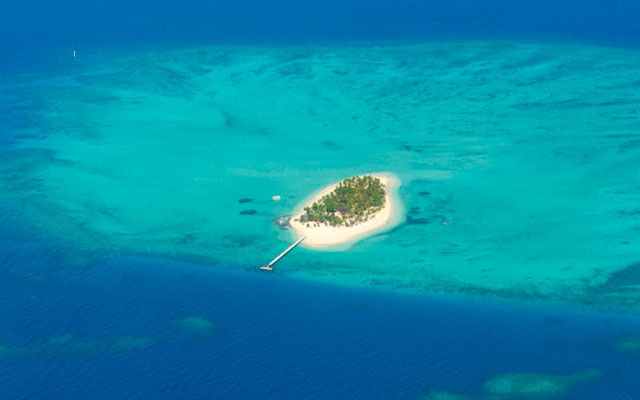
Captain Cook Cruises Fiji has launched the Tivua Private Paradise Deluxe Half Day package on its privately-owned Tivua Island, a beautiful coral cay located in the Mamanuca Group of islands.
Guaranteeing exclusive access for its guests, the package includes 30-minute return transfer to the island from Denarau Marina, Nadi, light brunch and refreshments. Guests relax in their own private cabana and can join a raft of marine biologist-led activities including a glass bottom boat tour, snorkelling, scuba diving and kayaking to explore the island.
Guests can relax in their own private cabana and join marine biologist-led activities on Tivua Island
The Tivua Private Paradise experience can also be scheduled in on the morning of departure day of Captain Cook Cruises’ multi-day small ship cruise itineraries.
Exclusive use island buyouts are also available for a maximum of 30 people, perfect for groups, private events, wedding, special celebration or corporate retreat. Specially tailored sunset experiences on the island are also available on a sole-use basis on request.
Rates on the Tivua Private Paradise package start at AU$299 (US$204) per person, subject to availability.
Learn how Dazhai Village transformed its barren hillsides into rich farmland
Dazhai, China, inducted 2022
Dazhai village in a mountainous part of northern Guangxi, China has developed a tourism forte built upon its thousand-year terrace farming culture and Red Yao ethnic community.
Visitors are able to learn how the village, which dates back more than 2,300 years, turned its barren hillsides into terraced farmland through informative sessions on traditional farming and wetland science, and participation in farming activities such as ploughing, harvesting and rice drying.
There is also an opportunity to join in ethnic cultural experience activities such as Red Yao embroidery dances and traditional festivals.
Support the youths who are instrumental in Kampung Batu Puteh’s transformation
Kampung Batu Puteh, Malaysia, inducted 2021
After 40 years of having its rainforests chopped down by large companies in search of logs, Batu Puteh in Sabah, Malaysia finally gained a new lease on life in 1996. The government created a small protected Forest Reserve around the village while a group of local youths took it upon themselves to create avenues for sustainable income from tourism while conserving their traditions and protecting the remaining forest ecosystem.
Their effort resulted in five key products and four tourism associations across the village by 2020. In 2003, the village tourism associations joined forces to establish the Community Cooperative KOPEL, with the goal of training and building local capacity to conserve the surrounding ecosystem and local culture while generating income for the community through a variety of tourism products and activities.
Visitors to Batu Puteh can participate in tree planting and forest restoration works, spot local wildlife in the rainforests, and stay with local host families as part of the Village Homestay Program, which drives tourism dollars into the pockets of village residents.
Experience life in the countryside at Nglanggeran
Nglanggeran, Indonesia, inducted 2021
The people of Nglanggeran village, located 25km from Yogyakarta city in Indonesia, have pooled the best of their resources – its natural landscape and expertise of its resident farmers, plantation workers and ranchers – to create a community-based tourism product.
Nglanggeran is home to Gunung Api Purba, an ancient volcano that is also part of the UNESCO Global Geopark of Mount Sewu. Visitors can trek up the volcano to study its geological formation and take in the picturesque views.
Its population supports local homestays, providing visitors with an authentic stay in the countryside where they can experience an etawa goat farm, learn about chocolate processing, hand-painted batik and traditional way of life, among others.
Its youths are also very much involved in tourism activities, leading to stronger buy-ins from the community and support of new initiatives.
Even as tourism develops here, contributing to other sectors like cocoa production, it does not replace existing occupations in agriculture, craftsmanship, and others, ensuring resilience in times of crisis.
Explore Purple Island’s natural landscapes and fishing traditions
Purple Island, South Korea, inducted 2021
South Korea’s Purple Island is over 1,000 years old and recognised for its natural wonders – it is designated a UNESCO World Natural Heritage Site and home to the Shinandadohae Biosphere Reserve, which comprises the Shinandadohae National Park and the Korean Mudflats Provincial Park.
Its birth as a tourism destination in 2015 was led by the aging residents of Banwol and Bakji islands, who were determined to save their villages. They built the Purple Bridge, painted their houses purple, and planted Asta chrysanthemums, magnolia lilies and lavender – all to ensure Purple Island is in full bloom all year round.
Visitors can appreciate a wide diversity of nature and culture, from learning how its traditional fishing heritage is preserved, exploring the Banwol Village Dang Forest, to walking the 1,462m Purple Bridge that connects the two islands.
Appreciate Pochampally’s traditional ikat weaving techniques
Pochampally, India, inducted 2021
India’s Pochampally village has been able to develop a tourism concept upon its reputation as the cradle of ikat hand-woven products and home to more than 10,000 skilled weaving families who have been maintaining traditional techniques for centuries.
The government of Andhra Pradesh launched the Pochampally Rural Tourism Project in 2007 to attract tourism keen on learning about its traditional weaving artistry.
The village also partnered with Microsoft and Chaitanya Bharti, a non-profit organisation, to develop a value chain and integrate it with the tourism industry. Skill development programmes, digital literacy initiatives, and support from various governmental and non-governmental organisations have created more and better quality jobs.
Interact with Thai Hai’s Tay community
Thai Hai, Vietnam, inducted 2022
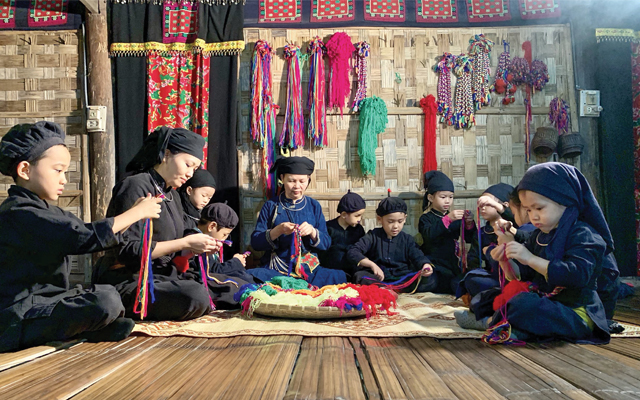
Four generations of Tay community reside in this UNESCO cultural heritage village, preserving their traditional culture, including language, customs, rituals, ceremonies and attire that now provide a precious insight for visiting travellers.
Visitors can join in traditional spiritual festivals, during which villagers, armed with specific cultural knowledge and language skills, act as tour guides; experience a homestay in a traditional stilts house; and learn about Thai Hai’s Vuon Ao Chuong Integrated Farming Systems as well as its practice of having each household specialising in unique products, such as traditional cakes and handicrafts, to ensure quality and diversity.
The Tourism Authority of Thailand (TAT) has kicked off the third season of its popular Amazing Thailand NFTs, during which tourists can collect Non-Fungible Tokens (NFT) virtual art items at attractions and landmarks throughout Thailand between July 20 and 31 August 2023. These items can then be exchanged for perks and special discounts across a range of merchants until December 31, 2023.
The Amazing Thailand NFTs Season 3 project follows on from the Amazing Thailand NFTs Season 2 project held in April 2023, and the Amazing Thailand NFTs project in 2022.
Tourism Authority of Thailand’s Rujiras Chatchalermkit launches Amazing Thailand NFTs Season 3 project
For the new season, 50,000 NFTs artworks by Reity Studio can be found at 40 tourist attractions and landmarks, 32 airports, seven bus stations/depots, and one train station across Thailand’s five regions, and a further 5,000 at goods and service providers covering food and beverage, wellness, accommodation, sports and outdoors, and shopping and lifestyle.
The NFTs can be collected through the YAKS application (Android and iOS) from July 20.
Rujiras Chatchalermkit, executive director, Marketing Services Department, said: “This latest season in the Amazing Thailand NFTs project is set to expand on the success of the first two seasons, and with more than double the amount of NFTs up for collection, it promises even more impressive results. We are continuing to inspire Digital Asset holders to earn more and travel more within Thailand, and to experience our NFT products – namely Nature to keep, Food to explore, and Thainess to discover – in a sustainable and meaningful travel way.”
Notably, 57.7% of respondents expressed their intention to travel in July, contributing to an overall travel intent of 90.2% for the next six months. This high score highlights the growing enthusiasm and readiness of Muslim travelers to explore the world.
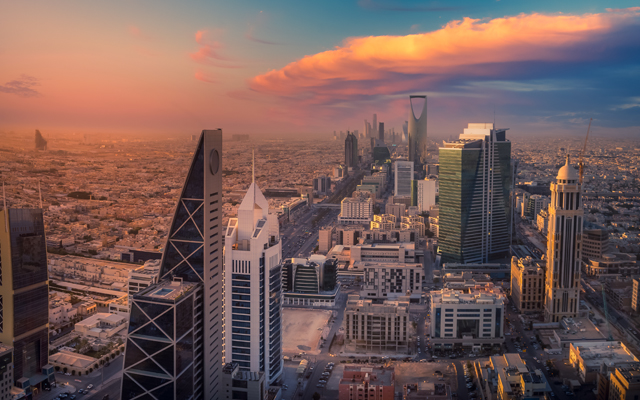
Saudi Arabia is a prominent destination choice among Muslim travellers; Riyadh city pictured
Throughout the survey periods, the MTIT scores have demonstrated a positive upward trend. The initial round of monthly surveys conducted from August 2021 to January 2022 revealed a gradual increase in travel intent, with scores ranging from 65.7 to 77.7. Notably, December 2021 recorded the highest score of 77.7, indicating a growing desire among respondents to engage in travel activities during the latter months.
The subsequent period from February 2023 to July 2023 showcased even higher MTIT scores, ranging from 71.2 to 82.7. The surge in travel intent during June and July, represented by the July 2023 score of 82.7, signifies a huge increase in the willingness to travel among Muslim consumers. These findings underline a positive shift in travel behavior post-pandemic and present promising prospects for the travel industry, particularly within the Muslim travel market.
The MTIT survey responses provide a comprehensive understanding of travel intent across different time frames. Notably, the intent to travel in the current month ranged from 40.5% to 62.2%, with December 2021 exhibiting the highest percentage. The intent percentages for the subsequent time frames, such as one month up to 3 months and three months up to 6 months, ranged from 11.1% to 24.7% and 6.0% to 21.4%, respectively. The respondents displayed a steady interest in future travel plans, highlighting the evolving preferences of Muslim travelers.
Additionally, the survey responses shed light on the destination preferences of Muslim travelers. Saudi Arabia emerged as a prominent choice, reflecting the strong desire to perform Hajj and Umrah, as witnessed by the increased numbers in 2022. Other destinations mentioned frequently include the UK, Spain, Japan, the US, Australia, and Canada.
The MTIT serves as a valuable tool for industry stakeholders, offering insights into the evolving needs and preferences of Muslim travelers. By tracking and publishing the MTIT score on a monthly basis, HalalTrip aims to keep industry professionals informed about current trends, anticipate future demand, and identify growth opportunities in the Muslim travel market.
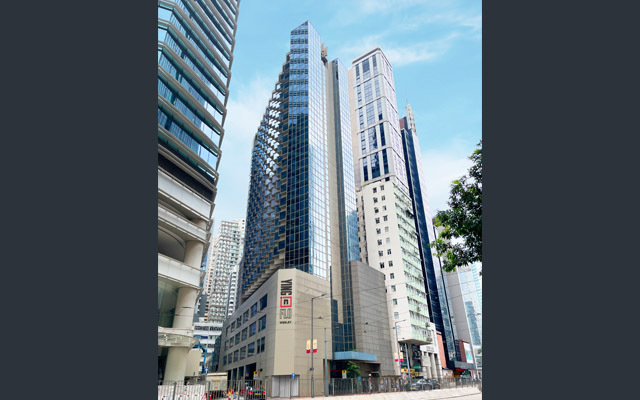
Langham Hospitality Group has signed an agreement to manage a Ying’nFlo hotel in Admiralty, Hong Kong, which is set to open this September.
The new property follows the successful debut of the upper-midscale brand in Wanchai in October 2022.
Ying’nFlo, Wesley Admiralty will open in September 2023
“Hong Kong’s second Ying’nFlo in under a year underscores our strategy to bring our well-thought-through brand to life – a brand that fulfils the needs of a fast-growing market segment,” said Brett Butcher, chief executive officer of Langham Hospitality Group.
“With its bold branding, Ying’nFlo will bring a bright and fresh accommodation option to this important district on Hong Kong Island,” he added.
Ying’nFlo, Wesley Admiralty will offer 251 guestrooms, a lifestyle café restaurant, social spaces featuring thought-provoking art initiatives and event venues. It is just two minutes’ walk from Pacific Place and 15 minutes’ walk from the Hong Kong Convention Centre; Admiralty MTR station is just five minutes away.
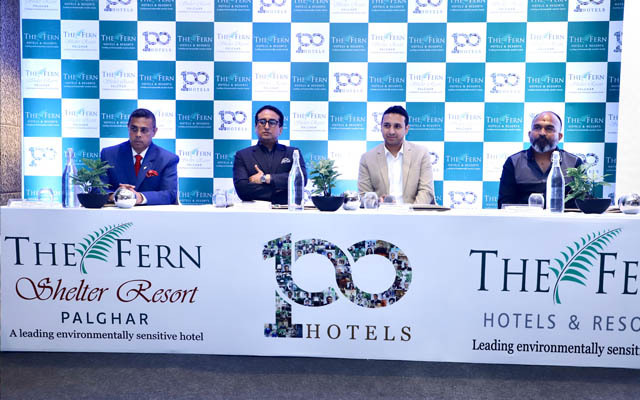
CG Hospitality Holdings, hospitality arm of CG Corp Global, has opened The Fern Shelter Resort in Palghar, Maharashtra, India, marking its 100th Indian hotel milestone.
The Fern Shelter Resort is positioned as a luxurious retreat.
CG Hospitality grows its Indian hotel portfolio
Binod Chaudhary, chairman & founder of CG Corp Global, said the “significant achievement epitomises our steadfast commitment to delivering hospitality experiences that are both environmentally sensitive and sustainable”.
“As we forge ahead with our portfolio expansion, we remain steadfast in our dedication to curating unforgettable and conscientious stays for our esteemed guests,” he said.
During a press event, CG Corp Global and CG Hospitality Holdings CEO and managing director Rahul Chaudhary highlighted CG Hospitality’s strong strategic alliances with leading brands, such as Taj and Fairmont, as well as its extensive portfolio of more than 150 hotels and resorts across 91 destinations in 12 countries.
CG Hospitality has set an expansion goal of 200 hotels and 10,000 keys, and is looking out for unique destinations to establish new properties.
After a long pandemic-induced hiatus, The Eastern & Oriental Express, A Belmond Train, Southeast Asia will return to service, with two new seasonal journeys departing from Singapore starting February 2024.
Passengers will traverse Malaysia’s landscapes in these journeys – Essence of Malaysia, operating November to February; and Wild Malaysia, operating March to October. Both are priced from US$3,410 per person in a Pullman cabin, and include all meals, a selection of alcoholic and non-alcoholic drinks, on board entertainment, onboard and offboard activities as per the itinerary.
Departing from Singapore’s Woodlands station, the train will call at destinations like Penang, Langkawi – and for the first time, Taman Negara National Park – before returning to the Lion City.
The train will feature restyled interiors and elevated on board experiences.
Of the 15 carriages, eight will be sleeping cars, two restaurant cars, one Piano Bar Car, and the iconic open-air Observation Car. From ornate marquetry, to Malaysian embroidery and oriental silks, the grand train will convey the character of South-east Asia through curated design details and colour schemes. Watch out for the eye-catching green carpet with a Tiger Orchid blooming across the entire length of the Piano Bar Car; carpets infilled with traditional Malay batik in the Malay restaurant; and interiors paired with natural wicker details, colourful cushions and hand-painted pots in the Observation Car.
Guests can pick from three accommodation categories – Pullman, State and Presidential.
From now until December 31, 2023, overseas visitors to sky100 Hong Kong Observation Deck can enjoy 25 per cent off standard admission tickets when they book online through the attraction’s official website.
sky100 Hong Kong Observation Deck is also inviting photography enthusiasts and tourists to join its photo competition, which will run until September 6 this year as part of its Sky-high Chillest Photography Summer Campaign.
Situated on a lush private island just 45 minutes from the airport, Amari Raaya Maldives is the newest luxury destination resort that celebrates life’s best moments. Offering warm and friendly service, well-appointed rooms, an indulgent spa, and a variety of delectable dining options, it’s the perfect backdrop for an island getaway.
Scheduled to open its doors on August 1st, 2023, the resort is delighted to unveil an exclusive pre-opening offer tailored for discerning travelers. Guests who book their stay during the pre-opening period will enjoy an incredible 40% discount on accommodations, along with a 20% discount on rejuvenating spa treatments. Additionally, as a special bonus, guests will have the opportunity to experience a complimentary photoshoot experience.
The island boasts 187 villas, nestled amidst pristine reefs and lush tropical palms, offering unique and unforgettable experiences. With direct beach access, guests can choose from an array of options, including the Beach Villa, Beach Pool Villa, or interconnecting Family Beach Villas with a shared private outdoor space for quality bonding time. For those seeking a closer connection to the mesmerizing marine life, the Ocean Villas and Ocean Pool Villas, set above the turquoise waters, provide a captivating experience. Moreover, for those yearning to witness the breathtaking sunset hues from the comfort of their villas, the Sunset Ocean Villas and Sunset Ocean Pool Villas offer the perfect choice.
Offering an unrivalled range of dining options, the resort boasts a new culinary adventure for each day of the week with eight restaurants. Guests will feel a burst of flavour at any one of the food and beverage outlets – each one finding the perfect balance between Thai, Asian, Maldivian, and International flavours, ingredients, techniques, and experiences. The perfect meal can be paired with a cocktail or creative drink concoction, whilst welcoming sundown from atop a canopy of palms or spent with a loved one on a private corner of the beach, with a romantic dinner for two, whilst feeling sand between your toes.
Interwoven into the resort experience is the story of Seb, a shipwrecked artist who made the island his home. This castaway story frames the resort’s experience, showcasing the remnants of Seb’s life including his art studio, ship and watch towers converted to private dining and star-gazing venues.
In the evening, guests can enjoy live entertainment, traditional Bodu Beru, and regular cultural events.
Activities like diving, water sports, and excursions take the fun out onto the open ocean, while the island offers a vast range of amazing food, relaxing spa treatments at Maai Spa, and a myriad of outdoor adventures including archery, kids’ play areas, mini golf, paddle tennis and more. The island is also home to natural mangroves with walking path ideal for exploring.
The resort is located on Raa Atoll and is accessible from Velana International Airport directly by a 45-minute seaplane to the resort or a fixed-wing domestic flight and speed boat via Ifuru Domestic Airport.
Don’t miss out on our exclusive pre-opening offer, valid for stays between August 1 and December 23, 2023. Secure your preferred dates and accommodations by booking early. With the grand opening of our resort approaching, this limited-time opportunity is perfect for travelers in search of an enchanting paradise experience.
Amari Raaya Maldives is the newest luxury destination resort found on a lush private island in Raa Atoll, inspired by surrounding natural fauna and flora, open ocean and a sense of castaway adventure. Book now and enjoy a 40% discount on stays and special benefits. More information on the Pre-Opening can be found at https://www.amari.com/raaya-maldives/special-offers or contact the resort directly at reservations.raaya@amari.com






 Departing from Singapore’s Woodlands station, the train will call at destinations like Penang, Langkawi – and for the first time, Taman Negara National Park – before returning to the Lion City.
 sky100 Hong Kong Observation Deck is also inviting photography enthusiasts and tourists to join its photo competition, which will run until September 6 this year as part of its Sky-high Chillest Photography Summer Campaign.
 Brought to you by
  Scheduled to open its doors on August 1st, 2023, the resort is delighted to unveil an exclusive pre-opening offer tailored for discerning travelers. Guests who book their stay during the pre-opening period will enjoy an incredible 40% discount on accommodations, along with a 20% discount on rejuvenating spa treatments. Additionally, as a special bonus, guests will have the opportunity to experience a complimentary photoshoot experience.
 Offering an unrivalled range of dining options, the resort boasts a new culinary adventure for each day of the week with eight restaurants. Guests will feel a burst of flavour at any one of the food and beverage outlets – each one finding the perfect balance between Thai, Asian, Maldivian, and International flavours, ingredients, techniques, and experiences. The perfect meal can be paired with a cocktail or creative drink concoction, whilst welcoming sundown from atop a canopy of palms or spent with a loved one on a private corner of the beach, with a romantic dinner for two, whilst feeling sand between your toes.
 Interwoven into the resort experience is the story of Seb, a shipwrecked artist who made the island his home. This castaway story frames the resort’s experience, showcasing the remnants of Seb’s life including his art studio, ship and watch towers converted to private dining and star-gazing venues.
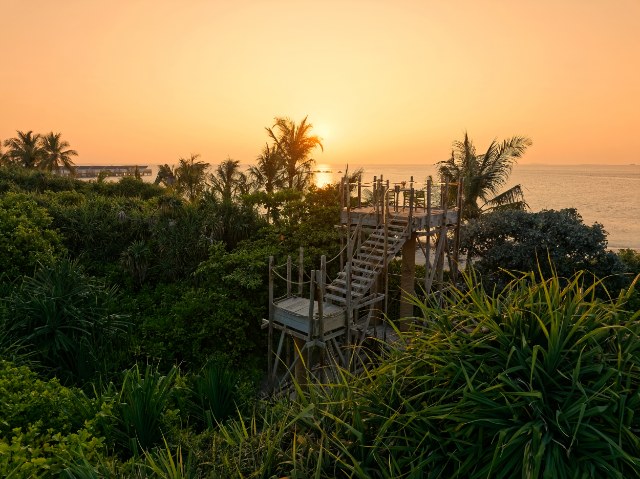 In the evening, guests can enjoy live entertainment, traditional Bodu Beru, and regular cultural events.
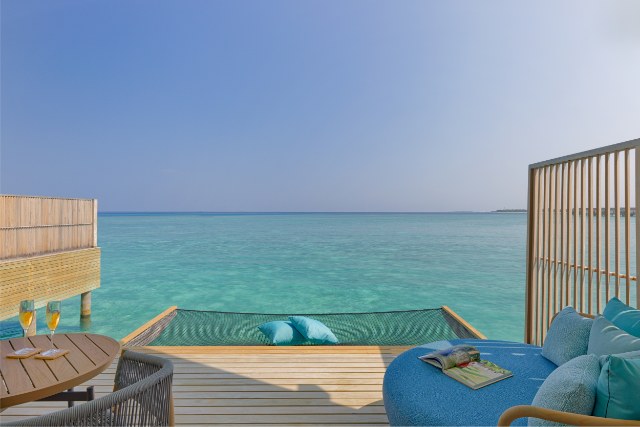 Activities like diving, water sports, and excursions take the fun out onto the open ocean, while the island offers a vast range of amazing food, relaxing spa treatments at Maai Spa, and a myriad of outdoor adventures including archery, kids’ play areas, mini golf, paddle tennis and more. The island is also home to natural mangroves with walking path ideal for exploring.
 Don’t miss out on our exclusive pre-opening offer, valid for stays between August 1 and December 23, 2023. Secure your preferred dates and accommodations by booking early. With the grand opening of our resort approaching, this limited-time opportunity is perfect for travelers in search of an enchanting paradise experience.
 Amari Raaya Maldives is the newest luxury destination resort found on a lush private island in Raa Atoll, inspired by surrounding natural fauna and flora, open ocean and a sense of castaway adventure. Book now and enjoy a 40% discount on stays and special benefits. More information on the Pre-Opening can be found at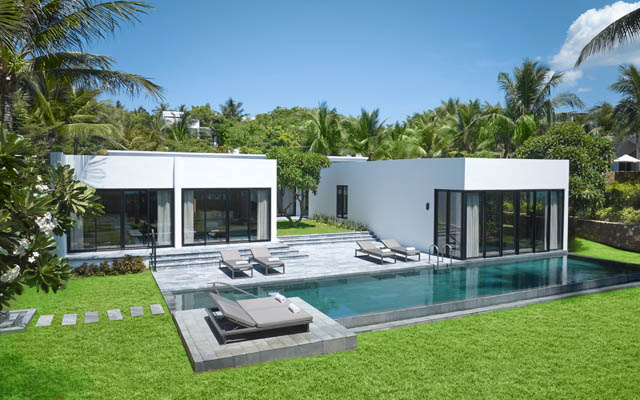






The Tourism Authority of Thailand (TAT) has kicked off the third season of its popular Amazing Thailand NFTs, during which tourists can collect Non-Fungible Tokens (NFT) virtual art items at attractions and landmarks throughout Thailand between July 20 and 31 August 2023. These items can then be exchanged for perks and special discounts across a range of merchants until December 31, 2023.
The Amazing Thailand NFTs Season 3 project follows on from the Amazing Thailand NFTs Season 2 project held in April 2023, and the Amazing Thailand NFTs project in 2022.
For the new season, 50,000 NFTs artworks by Reity Studio can be found at 40 tourist attractions and landmarks, 32 airports, seven bus stations/depots, and one train station across Thailand’s five regions, and a further 5,000 at goods and service providers covering food and beverage, wellness, accommodation, sports and outdoors, and shopping and lifestyle.
The NFTs can be collected through the YAKS application (Android and iOS) from July 20.
Rujiras Chatchalermkit, executive director, Marketing Services Department, said: “This latest season in the Amazing Thailand NFTs project is set to expand on the success of the first two seasons, and with more than double the amount of NFTs up for collection, it promises even more impressive results. We are continuing to inspire Digital Asset holders to earn more and travel more within Thailand, and to experience our NFT products – namely Nature to keep, Food to explore, and Thainess to discover – in a sustainable and meaningful travel way.”