Maldives Marketing and Public Relations Corporation’s (MMPRC) has added a new segment specified for atolls to the official Visit Maldives website.
The segment provides in depth information regarding the different regions of the Maldives, divided by atolls, to refine the traveller’s experience, commencing with an in-depth exploration of Addu Atoll and Fuvahmulah Atoll.
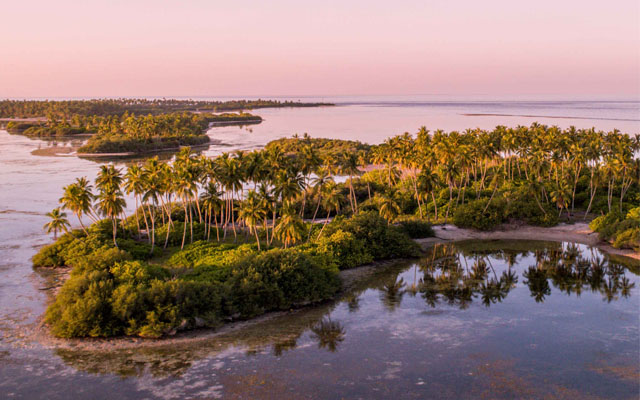
The website now provides in depth information regarding the different regions of the Maldives; Addu Atoll, pictured
The Maldives has 26 atolls, and this informative section will serve as a gateway to discover the hidden treasures unique to each area.
By curating engaging content that highlights the unique features of the atolls and diverse experiences available in the islands, MMPRC hopes the initiative will target the affordable luxury market to promote the Maldives as an appealing option for short holidays and weekend getaways.
MMPRC aims to continue exploring other atolls in the Maldives as well, encouraging growth and tourism development in all regions of the Maldives.
Finnair will start two weekly frequencies to Nagoya, Japan, from May 30, 2024. The airline is also updating its winter 2024 traffic programme and adding flights to the British Isles, Iceland and leisure destinations in Portugal and the Canary Islands.
From October 2024, Finnair will also begin scheduled flights to three of its former charter destinations, with two weekly frequencies to Faro in Portugal, as well as Lanzarote and Fuerteventura in the Canary Islands.
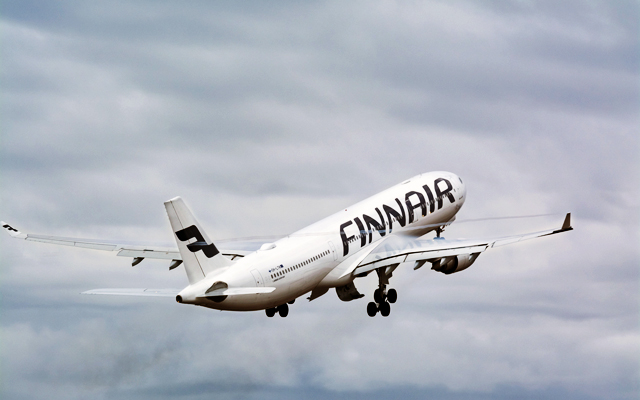
Finnair will fly to Nagoya, Japan from next May
The airline will start operating three weekly incremental frequencies to Dubai, five additional weekly frequencies to Manchester, and two additional weekly frequencies to Dublin and Edinburgh. In Iceland, Finnair will add three more weekly frequencies to Reykjavik.
Minor Hotels will debut in France’s capital Paris with the addition of three four-star hotels in 2024.
Minor Hotels will welcome to its family the 207-key NH Paris Gare de l’Est and the 103-key NH Opéra Paris Faubourg. The third property with 90 keys will open as NH Paris Champs-Elysées and will then be launched in 2025 as NH Collection following a renovation.
NH Paris Gare de l’Est will feature 207 rooms when opened
These three hotels, which will be refurbished, are located in some of the most well-known areas for shopping, dining and sightseeing, and are close to main tourist sites such as the Louvre, the national opera and the Champs-Elysées.
The three hotels in Paris will join Minor Hotels’ current portfolio of six properties in the country located in Marseille, Lyon, Toulouse and Nice.
“Our team has been searching for the right opportunities in this key market for some time, so we are pleased to announce that, together with Swiss Life AM, Minor Hotels will arrive in Paris not with one but with three hotels. We believe this is an amazing opportunity to grow with two of our brands in the second most visited city in the world and home to the 2024 Olympics,” commented Dillip Rajakarier, CEO of Minor Hotels and Group CEO of parent company Minor International.
Johanna Capoani, head of hospitality, Swiss Life Asset Managers France, added: “We believe that our synergies will create a new offer under the NH Hotels and NH Collection brands and added value to our customers.”
Future openings for Minor Hotels include NH Collection Helsinki Grand Hansa in Finland, NH Collection Chiang Mai in Thailand and NH Collection Luang Prabang in Laos.
Professional Association of Diving Instructors (PADI) and Klook have partnered to bring PADI’s diving products onto Klook’s platform, helping young Asian travellers to make the most of their vacation and seek to include experiences like scuba diving into their plans.
With more than 7,200 diving products that span from certification courses, snorkelling, fun dives and more across the world, PADI is the world’s largest purpose-driven diving organisation and Klook is currently the only OTA in Asia-Pacific collaborating with the organisation.
PADI and Klook formalising the partnership underwater in Sharm El-Sheikh, Egypt
The integration of diving products on Klook’s platform through API will help shorten a booking journey that could have taken days to just under five minutes. Consumers will be able to easily compare prices, check availability, read reviews, book and receive immediate confirmation in a seamless way on one platform.
Consumers can now book diving experiences in Indonesia, Thailand, Malaysia, the Philippines, Japan, South Korea, China and Singapore on the Klook platform, with more destinations to come online in the following months.
Manuel Kraemer, vice president of business development for PADI Worldwide, commented: “Joining forces with Klook is set to simplify the journey to becoming a certified PADI Scuba Diver… our collaboration is poised for an exciting expansion. As we progress, this extensive selection will become available for booking on Asia’s leading booking platform.”
“There is tremendous enthusiasm and dedication for diving across Asia-Pacific and we want to bring more joy to this community with our platform. This presents the perfect opportunity to inspire a completely new segment of travellers to the captivating beauty of the underwater world,” said Chuan Sheng Soong, vice president, corporate development, Klook.
PADI and Klook are also launching UNIVER-SEA-TY, a pilot programme to inspire newcomers to dive and give them the ‘fins’ to explore the magical underwater world. To kick start the programme, 33 lucky winners will be given a chance to earn an Open Water Diver certification with PADI in their dive location of choice by participating through Klook’s social media channels.
Keelung, Taiwan is stepping up efforts to attract Japanese visitors, leveraging the city’s natural, cultural and culinary assets as well as the island’s proximity and listing in a Japan campaign to stimulate outbound travel.
Taiwan was among 24 countries and regions selected as priority markets in a project run by the Japan Tourism Agency and Japan Association of Travel Agents to encourage Japanese people to make overseas trips this fiscal year. In addition to a new website and social media campaigns, tourism bureaus in the selected markets are collaborating to boost their markets’ appeal to Japanese travellers.
The multi-coloured houses along the harbour at Zhengbin Fishing Port is a popular attraction in Keelung, Taiwan
Now, the Keelung City Government says its goal is “to make Keelung a new choice for Japanese tourists visiting Taiwan”.
At Tourism Expo Japan, in late October, representatives of the coastal city north of Taipei promoted its scenery, food and culture through videos, print materials and interactive games.
“We hope to introduce Keelung, a mountainous harbour city with the best cruise ship homeport in Asia, to the Japan public and let them know about Keelung’s rich tourism resources and splendid nature,” said a city government representative.
Scenic attractions include the multi-coloured houses along the harbour at Zhengbin Fishing Port; Waimushan Seaside Scenic Area, which was selected as one of the Top 10 Attractive Waters in Taiwan; and Heping Island Park, which is rated as having one of the 21 most beautiful sunrise scenes in the world.
Visitors to the booth received wood pulp souvenirs of some of Keelung’s popular culinary dishes, another asset that the city plans to publicise to boost arrivals from Japan.
“For Japan foodies who love Taiwanese food, a visit to Keelung’s Miaokou Night Market can cover practically almost all of Taiwan’s classic culinary delights, offering a rich travel experience for those who visit Keelung,” said the city government representative.
Luxury global travel operator Scott Dunn shared its 2024 Luxury Travel Trend Report which forecasts the world of luxury travel in the upcoming year.
The report was based on its recent annual year-end guest survey of 3,200 luxury travellers in Asia, and from insights gleaned from its travel experts around the world.
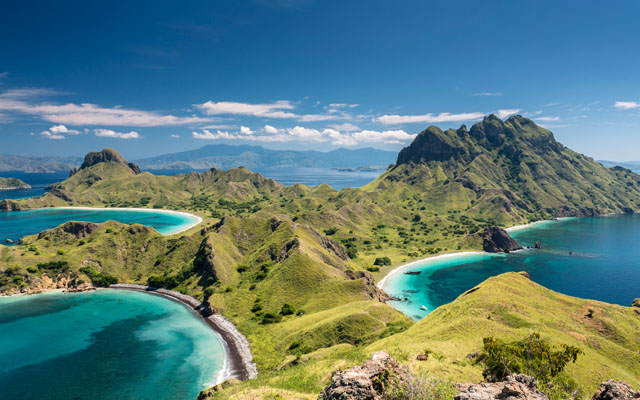
Indonesia’s Komodo National Park is emerging as a particularly popular destination for private yacht trips in 2024
Mike Harlow, general manager of Scott Dunn Asia, said: “We’ve witnessed remarkable changes in the world of luxury travel over the past few years which has reshaped the way we explore the world. As the new year approaches, we believe that 2024 stands as a beacon for all of us to venture both further and deeper. My team and I are excited to help our guests venture out further afield, to unlock new horizons, and to immerse themselves in cultures and landscapes like never before.”
Key trends
Luxury travellers are looking forward to discovering a new destination come 2024, with close to half of all surveyed guests putting this as their top motivation for travelling in the new year. These jet-setters show an eagerness to explore locations typically considered off-the-beaten-track, and some of the most popular destinations for adventure-seekers include places such as Tanzania, Peru, Chile, and Bolivia.
There is also a renewed emphasis on ultra-private travel, especially for private yachts – Scott Dunn has seen interest in private yacht holidays increase two-fold in recent times, a trend they expect to continue into 2024.
Young travellers are increasingly seeing their holiday as an opportunity for learning and self-cultivation, and have a role to play in deciding the next family vacation. This ranges from in-depth history tours to the likes of Egypt – one of 2024’s top destinations – to expert-led activity tours, like photography.
Dramatic landscapes for urban city-dwellers
The majority of luxury travellers often have their home base in urban metropolises and sprawling cityscapes. It only stands to reason that when they seek to travel, they want a complete escape, and to go somewhere that’s entirely disconnected from their everyday lives – which is why increasingly, luxury travellers are looking to experience dramatic, unique, and remote landscapes in style.
Central and Southern America, in particular, emerge as the most popular destinations for city-dwelling luxury travellers seeking experiential travel. Interestingly, the destination is gaining popularity among one specific group: retirees. Scott Dunn observes that this guest segment, in particular, is now more partial towards Central and Southern America as many have the time and means to fully immerse themselves in the continent’s distinctive flavour. As Scott Dunn’s second-most booked destination for 2024, Peru’s otherworldly natural wonders hold a particular draw. After the iconic Machu Picchu citadel, the next popular stop is at Lake Titicaca, one of the largest lakes in South America said to be the birthplace of the Incas, and is home to numerous ruins, many of which are underwater.
Expert guides provide meaningful and immersive visits to local communities, and arrange for once-in-a-lifetime experiences such as a local Aymara constellation observation against the region’s crystal-clear night skies.
Luxury travel as a vehicle for learning and self-cultivation
A trend that started during the pandemic, more travellers are now looking to their holidays as a time to develop their special interests with hands-on experiences and expert-guided tours, especially in hyper-specialised areas; especially popular are tours focusing on history, culinary arts, wildlife conservation trips, and even ancestry tours. These travellers want to be immersed in each location they travel to, with their itineraries filled with unique and authentic experiences that allow them to dive deep and get as hands-on as they can with activities that align with their interests. Egypt is one of Scott Dunn’s top most-booked destinations with many guests particularly keen on immersing themselves in the region’s ancient history. Experiences range from privatising an entire Pyramid structure for breakfast at sunrise, to personal tours of the famed Wahtye tomb in Saqqara by the very team that discovered it, and even a rare visit to the elusive Saqqara Tomb, which requires special permission from the Ministry of Antiquities to enter.
Travellers can opt for personally-guided tours and chats with world-renowned figures (with Scott Dunn), such as the famed archaeologist Zahi Hawass, who was part of the excavation of the Great Sphinx of Giza and led numerous studies into scans of the mummy of King Tutankhamun.
Ancillary to the trend of travel as a form of learning is another interesting development – children are playing an increasingly active role in influencing family vacations, including where they go and what they do. These requests are often linked to what they are studying at school or university, and can range from expanding their book knowledge by seeing wild animals in their natural habitats on safari, or by refining their practical skills in a refreshing environment, like picking up survival skills from Masai tribe members.
The rise of private yacht trips and explorative sea travel
If there’s one mode of travel that has come into vogue after the pandemic, it’s undoubtedly private yacht travel. High net-worth travellers are venturing away from more traditional yachting hotspots and are using their trip as a chance to explore more remote locations by sea, away from the crowds and the usual suspects when it comes to lush oceanside getaways.
Travelling on a yacht often keeps the group small and intimate, with no need to mingle with crowds. A big plus is also the flexibility that comes with travelling by boat – being able to island hop at their leisure and discover new locations, especially places that are hard to get to, and to use the well-appointed yacht as a comfortable base to return to each night.
Regions such as Galapagos Islands in Ecuador are especially ripe for private yacht trips. The remote islands are a burgeoning favourite among luxury travellers looking for a yacht holiday where they can immerse themselves into an unspoilt paradise. Experiences include guided nature walks led by trained naturalist guides, clear-bottom kayak or boat rides, up-close experiences with the friendly sea life in the region in the form of swims with sea lions, penguins, sea turtles, and more.
Closer to home, the Indonesian archipelago has become a hotbed for luxury yacht holidays, with more travellers discovering the region’s vast beauty and lesser-known islands. Some of the region’s most beloved luxury yachts take inspiration from the phinisi, a traditional Indonesian sailing vessel recognised by UNESCO. The region surrounding UNESCO World Heritage Site, Komodo island, has emerged as an especially attractive destination for guests looking for a new sort of island holiday. Here, travellers can participate in diving, guided treks through volcanic craters, and private meals on deserted beaches.
Beyond the safari
Right out of the pandemic, one particular holiday type took centre stage: the safari holiday. Exhilarating game drives out of a plush tented camp, the thrill of spotting a lion up close for the very first time, drinking in the raw expanse of the savannah are just some reasons why the safari holiday was one of the most popular ones post-lockdown.
Taking the crown as Scott Dunn’s most-booked destination for 2024, Tanzania is the perfect place to view East Africa’s Great Migration – the world’s largest terrestrial mammal migration, and one of the wonders of the natural world. Other experiences include a private hot air balloon ride over the Serengeti, riding safari on horseback, flying safaris, and even traditional African canoe safaris.
Another East African destination coming back into the spotlight is Rwanda. There, one of the most sought-after experiences among guests in 2024 is a guided gorilla trek where participants come face-to-face with the majestic mountain gorilla for a humbling experience.
Payments Network Malaysia (PayNet) and Ant Group have launched their cross-border digital payments collaboration enabling travellers with Alipay+ supported wallets from seven countries to use PayNet’s DuitNow QR in Malaysia.
These include Alipay (China), AlipayHK (Hong Kong SAR), HelloMoney by AUB (the Philippines), Hipay (Mongolia), MPay (Macau SAR), Naver Pay (South Korea), Toss Pay (South Korea), and TrueMoney (Thailand).
Travellers from seven key Asian Travel Corridors can now enjoy seamless digital payments in Malaysia
DuitNow QR is the National QR Standard operated by PayNet, which enables participating merchants to accept real-time payments from customers of participating banks and e-wallets, as well as other connected countries with a single unified QR code.
With this partnership, travellers can now make digital payments by scanning PayNet’s DuitNow QR at its network of over 1.8 million merchants touch points throughout the country.
Both parties will also collaborate through a marketing travel solution powered by Alipay+, for improved customer engagement, where international travellers using Alipay+ supported e-wallets’ can earn reward points or receive discounts and benefits at PayNet’s DuitNow QR merchants’ ecosystem.
More Alipay+ payment partners are also in the pipeline and will progressively be enabled in Malaysia.
In addition, DuitNow QR users in Malaysia will soon be able to make payment at Alipay+ global merchants from 2024.
“With this collaboration with Ant Group, I am seeing a new Silk Route emerging; one that is powered by cross-border payment interoperability. Businesses in the DuitNow QR ecosystem can immediately access travellers from eight more countries in an efficient, seamless, and secure way, bolstering trade and commerce,” said Farhan Ahmad, CEO, PayNet.
Douglas Feagin, senior vice president of Ant Group and head of Alipay+ Cross-Border Mobile Payment Services, added: “A recent report we commissioned found that intra-Asia cross-border travel and payments will accelerate over the next few years – this growth reinforces the need to better connect local merchants with international visitors through payments, marketing and other digital services to not only enhance the travel experience, but also boost the local tourism ecosystem in Malaysia.”
Changi Airport Group (CAG) has launched Changi Carbon Offsets, giving passengers a convenient option to offset the carbon emissions from their air travel, regardless of the airline that they are travelling with.
With the aid of an intuitive carbon calculator on the Changi Airport website and Changi App, passengers can calculate the carbon emissions from their forthcoming flights based on the origin, destination and class of travel. They will then be offered the option to offset the emissions from their journey using their credit card for payment.
Changi Airport Group has selected a set of carbon offset projects, such as installing a water purifying system for villagers in Rimba Raya (Photo: InfiniteEarth)
In partnership with Carbon Clicks, a New Zealand-based carbon offset company, CAG has selected a set of carbon offset projects which help to conserve and protect existing forests in Indonesia, plant forests in China, as well as provide wind power generation in India.
Furthermore, CAG will also be purchasing carbon offsets for all business travel by CAG staff.
In its commitment to sustainability, the group is also working closely with the airport community to improve the energy efficiency of the airport’s buildings and operations, enhance waste management and recycling, conserve water resources and ensure that airport facilities and functions adapt to the impact of climate change.
Air India has appointed TAM Group as its General Sales Agent (GSA) in Hong Kong.
The appointment of TAM Group will help to further widen Air India’s presence in Hong Kong, while supporting the airline’s continuing global expansion.
The collaboration will help facilitate seamless travel experiences for Air India passengers
TAM Group will help facilitate reservations and ticketing, marketing efforts, as well as provide comprehensive cargo sales support on behalf of the airline.
Air India currently flies thrice a week between Hong Kong and Delhi; TAM Group presently represents 34 carriers in Cargo and Passenger Services and two Cruise products.
In addition, the airline is undergoing a comprehensive transformation across functions and organisation, with plans to completely refurbish the interiors of its legacy fleet of 43 widebody aircraft in mid-2024, as well as revamping its entire IT infrastructure to replace old systems with new ones and introduce several digitalisation initiatives across all flight and ground operations and customer-facing touch points.
Wing Kun Tam, founder and chairman of TAM Group, said: “As the chosen partner, we are dedicated to leveraging Air India’s extensive network, our industry expertise, and customer-centric approach to promote Air India’s offerings and expand its reach in the Hong Kong market.
“We firmly believe that this collaboration will not only facilitate seamless travel experiences for passengers but also promote cultural and economic exchanges between the two regions.”
Surrounded by Hakone’s natural beauty, Hyatt Regency Hakone Resort and Spa has launched its renewed Spa IZUMI treatment menu.
The resort, nestled at the foot of Mt Fuji, is just an hour and a half from Tokyo, with easy access to western Japan, including Kyoto, via bullet train.
Hyatt Regency Hakone Resort and Spa has launched its renewed Spa IZUMI treatment menu
The new menu additions draws inspiration from Hakone’s natural beauty, and the region’s renowned hot springs, offering a spa experience that immerses guests in the unique essence of this destination.
The new Onsen Leg Relief incorporates the therapeutic benefits of the Owakudani hot springs, allowing guests to harness the healing properties of this sulphuric acid spring, known for its rich sodium components.
The spa’s signature treatment, Fruitherapy, has also been revamped into a more organic-focused offering that includes a scrub with the scent of locally-produced citrus and botanical pads filled with brown rice and fruit leaf essence – this treatment helps enhance the body’s ability to repair damage and regenerate.