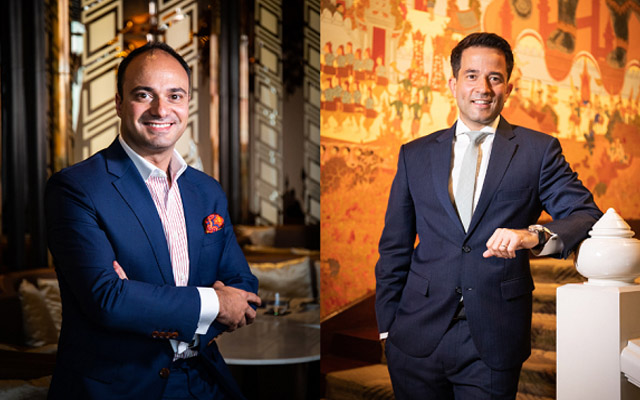
Minor Hotels has appointed Jose Luis Duran Sanles as the new general manager of Avani+ Riverside Bangkok Hotel, and Frederic Kolde as the hotel manager of Anantara Siam Bangkok Hotel.
This will be Sanles’ first general manager posting. He was previously the hotel manager at Anantara Siam Bangkok, and has also held management roles at luxury resorts in Khon Kaen, Koh Lanta and Phuket over the years.
From left: Jose Luis Duran Sanles and Frederic Kolde
Taking over from Sanles as hotel manager at Anantara Siam Bangkok is Frederic Kolde who joins the property from Anantara Riverside where he was hotel manager since September 2022.
Indonesia president Joko Widodo (Jokowi) has launched the Indonesia-Malaysia-Thailand Growth Triangle (IMT-GT) Visit Years 2023-2025 to strengthen tourism cooperation among the three countries.
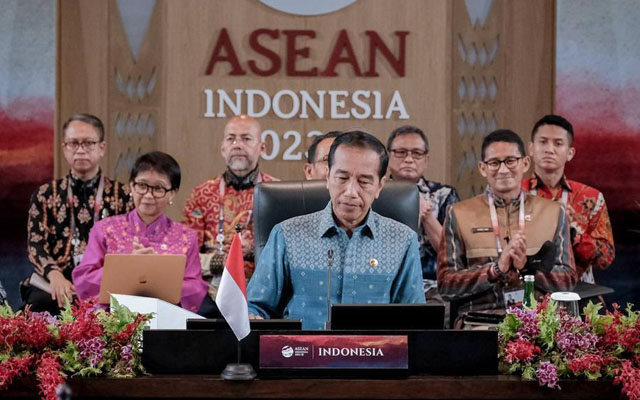
Witnessed by the dignitaries of the IMT-GT member countries, the launch of the campaign took place during the ASEAN Summit in Labuan Bajo, East Nusa Tenggara on May 11.
Indonesia president Joko Widodo launched the Indonesia-Malaysia-Thailand Growth Triangle during the ASEAN Summit on May 11 (Photo: MoTCE)
The campaign is expected to increase connectivity and growth in the tourism sector for the three countries.
In his speech, Jokowi shared that the IMT-GT area managed to reach a value of US$618 billion during the global pandemic in 2021. He said: “Going forward, the IMT-GT area must be able to further encourage the acceleration of inclusive and sustainable economic growth to face the various challenges ahead.”
Sandiaga Uno, Indonesia minister of tourism and creative economy, added: “(The campaign) is expected to involve 10 provinces in Sumatra, as well as Southern Thailand and Malaysia. One of the main issues is to downstream the industries, including the tourism industry, as well as strengthening connectivity with a target to increase tourist arrivals.”
The campaign aims to attract 60 million tourists and achieve foreign exchange earnings of US$75 billion within the period, according to Sandiaga.
In Indonesia, the campaign will start with Bangka Belitung and South Sumatra, followed by the rest of the provinces in Sumatra.
Commenting on the campaign, Pauline Suharno, president of the Association of Travel Agents in Indonesia (ASTINDO) told TTG Asia: “For IMT-GT collaboration to work, there should be commitment from each country to actually take part. So, it’s not just a pledge, paperwork or FGD output, but concrete steps (need to be taken) to make it happen.”
As part of the campaign, the minister said the Ministry of Tourism and Creative Economy (MoTCE) would hold a world entrepreneur summit event in Padang, West Sumatra.
In order for the campaign to be a success, Pauline opined that member countries should create a co-brand, as well as set short- and long-term joint promotions and budgets.
Christine Kowandi, tour manager of Horas Tours in Medan stressed that there was a need to intensify promotions by having more sales missions to encourage regional traffic.
Quizzed on the types of products that would be a good fit for the campaign, Pauline, who is also president of the Federation of ASEAN Travel Agents, noted: “Travel companies have collaborated long before these growth triangles were formed.”
She elaborated that agents “are used to selling to the three countries”, which includes travelling from Indonesia and transiting in Singapore, before heading to Malaysia and Thailand.
In addition, there are cruises from Singapore-Port Klang and Penang-Phuket available as well.
Portugal has seen strong post-lockdown growth in tourist arrivals, including from Australia and Asia in 2022 through February this year, and expects to match 2019 numbers.
Sharing insights on travel trends and Turismo de Portugal’s tourism strategy with TTG Asia, its president Luis Araujo said: “We are striving to achieve growth in value through longer stays and higher receipts per capita. We also want to reduce seasonality and spread tourism to all areas of the country, promote sustainable development, diversify source markets and target new segments.”
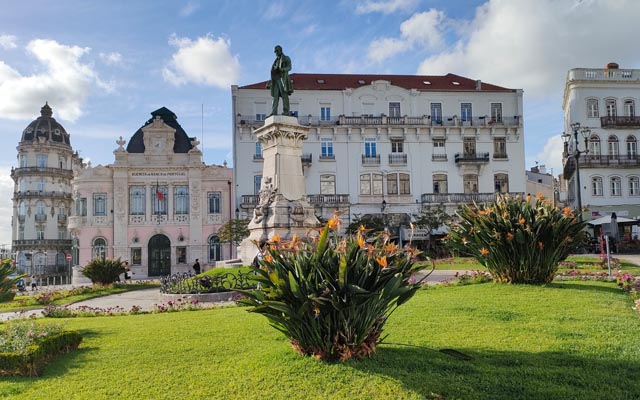
Portugal hopes to attract more visitors from Asia-Pacific to its cities, such as the medieval city Coimbra, pictured
In general, after the pandemic there has been a higher demand from FITs. Many smaller groups of families and friends are returning to Portugal, as well as solo travellers and digital nomads.
Araujo added: “Portugal offers a perfect blend of luxury, history, nature with a refined taste, which is very appealing to tourists, as travel patterns have changed post-Covid. Visitors prefer longer stays and more meaningful experiences.”
Australia, China, India, South Korea and Japan formed the top five inbound Asia-Pacific sources in 2022. They are the main target markets this year. South-east Asia also looks promising – namely Singapore, Malaysia, Thailand, Vietnam, Indonesia and the Philippines.
While group travel is still the norm from China, Indian visitors comprise leisure-tour groups and independent travellers, with a trend towards family holidays, special celebrations and destination weddings.
Previously, tourists from Japan and South Korea were mainly seniors travelling in groups. This trend has changed – groups are smaller and there is an increase in FITs and groups of families and friends.
Travellers from Japan and South Korea appreciate heritage and villages, with interest in wine tourism and gastronomy on the rise. An added attraction for South Korean tourists is religion, especially for Catholics visiting Fátima.
“Visas are a relevant issue in Asian markets, and we are doing our best to return to normality, despite some limited resources,” said Araujo. “Also, the performance would benefit if there were more direct flights and lower ticket prices to Portugal.”
The only direct flights to Lisbon are from China, but India has good air connectivity via the Middle East. Travel intermediaries commented that other constraints are language – unless visitors speak English – and Portugal not being top-of-mind among Asian travel agents and consumers.
Recognising the low destination awareness, the tourism board is hosting fam trips from Asia in partnership with airlines, and participating in trade shows, road shows, workshops, webinars, training sessions and joint marketing campaigns with airlines, tour operators and OTAs.
With the rising number of baggage mishandling cases, airlines and airports are turning focus to digitalisation and automation, along with technology investments that deliver greater automation and self-service, to resolve these issues.
SITA’s 2023 Baggage IT Insights report showed that airlines and airports are facing a surge in baggage mishandling rates amid the growing number of passengers, with the number of mishandled bags almost doubling from 2021 to 2022 to 7.6 bags per thousand passengers.
SITA’s report showed that the number of mishandled bags in 2022 almost doubled from 2021
The shortage of skilled staff, resumption of international travel, and congestion at airports has made it challenging to manage bags and ensure their smooth handling at airports – particularly during peak travel periods. Delayed bags accounted for 80% of all mishandled bags in 2022, lost and stolen bags increased to 7%, and damaged and pilfered bags decreased to 13%.
The surge in the mishandling rate comes after more than a decade of reduction in mishandled baggage. Significant process improvements helped the mishandling rate per thousand passengers fall by 59.7% between 2007 and 2021. However, given the pressure of staff shortages on operations post-Covid, the 2022 mishandling rate of 7.6 bags per thousand passengers represents a 75% increase from 2021.
Transfer bags account for the majority of mishandled bags, with 2022 seeing a one-percentage point increase from 2021, pushing the proportion of bags delayed at transfer to 42%. This increase is attributed to the resurgence of international and longhaul travel, leading to loading errors and greater transfer mishandling rates. The failure to load bags accounted for 18% of all mishandled bags in 2022, representing a 3% decrease from the previous year. Loading errors more than doubled compared to the previous year, accounting for 9% of all delayed bags in 2022, stemming from operational strains on baggage systems.
David Lavorel, CEO, SITA said: “As an industry, we need to work hard to ensure passengers are once again confident to check in their bags. We at SITA are working directly with airlines and airports to help solve key pain points in the baggage journey through smart automation, tracking, and digital platforms.”
Investing in real-time baggage status information has become a key priority for airlines, with 57% of airlines providing their staff with mobile access to real-time baggage status information. This figure is expected to increase significantly to 84% by 2025, and 67% of airlines plan to offer real-time baggage status information directly to passengers, marking a substantial improvement from 25% today.
SITA has developed the WorldTracer Auto Reflight system in direct response to the high mishandling rates observed at transfer. This solution automatically identifies bags that are not likely to make their planned connecting flight and rebooks them on the next possible flight using the existing bag tag – all while keeping the passenger informed.
SITA estimates that automation of reflight operations could save the industry up to US$30 million per year. Lufthansa and SITA’s recent partnership using the technology aims to digitalise the manual reflight process, and the results of their Proof of Concept suggest that they can automatically reflight as much as 70% of Lufthansa’s mishandled bags at Munich Airport.
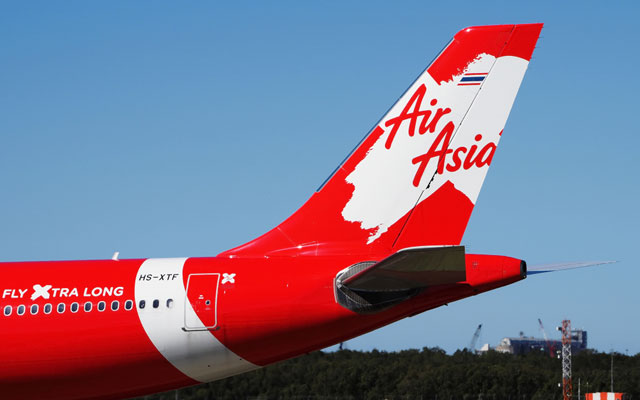
From July 9, AirAsia will resume its services from Thailand’s Bangkok (Don Mueang) to Sri Lanka’s Colombo, flying four times a week.
AirAsia will fly four times weekly to Colombo from July 9
The airline will depart Don Mueang Airport in Bangkok and arrive at Bandaranaike International Airport in Colombo on every Monday, Wednesday, Friday and Sunday.
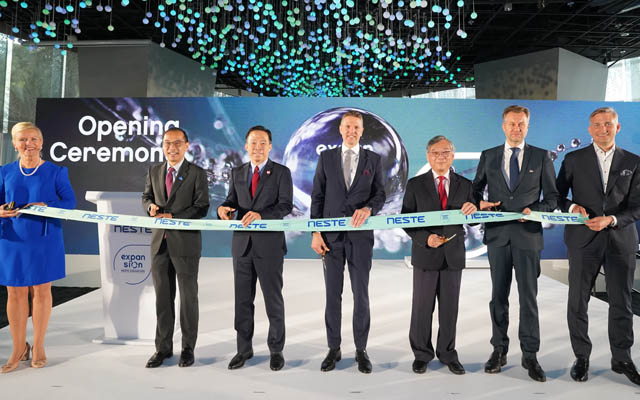
Neste celebrated the opening of its Singapore Expansion project on May 17, which was successfully completed around mid-April this year.
The 1.6 billion euros (US$1.7 billion) start-up of the refinery expansion was first announced in December 2018 by Neste on additional renewable products production capacity in Singapore.
At the opening ceremony of Neste’s Singapore Expansion project
The project doubles Neste’s production capacity in Singapore and brings the refinery’s total capacity to 2.6 million tons annually of which up to one million tons can be sustainable aviation fuel (SAF).
In addition to increased production capacity, the enhanced raw material pre-treatment capacity onsite increases Neste’s capability to process more challenging waste and residue raw materials.
“The completion of the construction of the refinery is a remarkable achievement given the complexity of the project and as it was carried out during a global pandemic,” said Matti Lehmus, president and CEO of Neste.
He added: “Singapore has world-class logistics connectivity enabling efficient transportation of the renewable raw materials as well as final products globally. Also, its world-class education supports the availability of future talents to be a part of our production and commercial operations, as well as to enhance our R&D in our recently established Innovation Centre.”
Committed to supporting the aviation industry globally in achieving the goal of net-zero emissions by 2050, Neste has also established an integrated SAF supply chain to Singapore Changi Airport to make its product available to an increasing number of regional and international airlines.
The neat SAF is produced at Neste’s refinery, then blended together with conventional fossil jet fuel and certified to meet jet fuel specifications before delivery to customers at Changi Airport.
Neste is also developing a global network of airports where it has the capability to supply SAF directly into aircraft – this is to support its aviation customers across the globe in achieving their climate targets by reducing their emissions with SAF.
Singapore’s Changi airport extends this network of airports, which includes San Francisco (SFO) and Los Angeles (LAX) in the US, Amsterdam (AMS) in the Netherlands, and Helsinki Airport (HEL) in Finland.
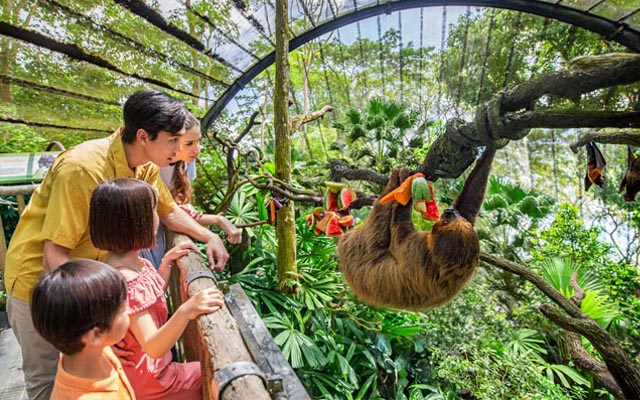
Singapore Zoo will celebrate its 50th anniversary come June 27, and it is counting down to the big day with a series of Golden ZOObilee festivities starting this month.
These limited-time-only experiences are not to be missed. Watch out for a collection of eight bespoke animal sculptures created especially for this commemorative edition; Instagram-worthy opportunities and tactile play elements on the Happy ZOObilee trail; animal interaction sessions and craft workshops; Mandai Wildlife Run on September 23 and 24 that winds through Singapore Zoo, River Wonders and Night Safari; special Backstage Pass – Incredible Invertebrates that takes visitors behind the scenes on August 6; Zoo Adventure Tour: ZOObilee edition private buggy tour from June 27 to August 27; and the two-day Wild Explorer Camp from June 1 to 2 and June 8 to 9, aimed at children aged six to 10.
Singapore Zoo has lined up limited-time-only experiences to celebrate its golden jubilee (Photo: Mandai Wildlife Group)
Since opening in 1973, the zoo has welcomed close to 60 million visitors. Starting out with just 272 animals across 72 species, the expansive park today is home to more than 4,200 animals from over 300 species, of which 34 per cent are threatened.
Ayana Estate in Jimbaran will introduce two nature-inspired programmes for kids at the resort, commencing July 4.
The Island Camps at Ayana Estate are developed with Guidepost Montessori and Green Camp Bali, and will provide an engaging and immersive learning experience for young guests.
Activities at Green Camp Ayana will encourage children to learn about sustainability
One of the two programmes, Guidepost at Ayana will offer holiday programming for short-term guests’ children aged two to six, as well as an extended programme for families staying long-term on the island. It will comprise an array of activities designed to stimulate their minds and safely challenge their bodies. The programme’s four week-long themes will nurture children’s connection to nature, the underwater world, and foster understanding and appreciation of fresh food.
Green Camp Ayana will include a series of daily activities for children aged seven to 12. The immersive range of activities will develop children’s knowledge and awareness of sustainability and encourage their creativity while fostering respect for the natural world and different cultures through experiences like exploring insect and marine life, using natural materials to create art, learning survival skills, foraging for food at Ayana Estate’s organic farm, and more.
Langkawi, an archipelago of 99 islands, will undergo its fourth assessment by UNESCO appointed evaluators sometime in 2H2023.
This evaluation takes place every four years and Langkawi has to tick all the right boxes in terms of geo-conservation, sustainable development, and involvement of local communities in managing their geo-heritage resources.
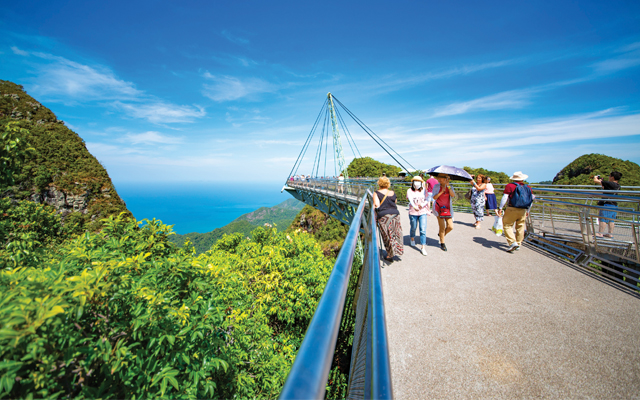
Langkawi hopes to attract more high-yield, environmentally-conscious tourists to the destination; Langkawi Sky Bridge pictured
Awarded the UNESCO Global Geopark status in 2007, Langkawi has successfully passed three UNESCO evaluations to date to retain the brand. Langkawi Development Authority (LADA) has also created many initiatives to educate the community about the Geopark branding.
Recalling the uphill battle in the early days of receiving the Geopark recognition to convince tourism stakeholders that the Geopark branding was the way forward, Azmil Munif Mohd Bukhari, deputy manager, tourism division at LADA, said: “Hoteliers and the travel trade had (the) preconceived notion that Geopark related only to ancient rock formations and doubted whether rock formations had enough allure to entice visitors to the island. Other islands, such as Phuket and Bali were also competing for tourists.”
LADA has developed a UNESCO Global Geopark Discovery Centre in Killim and four smaller galleries spread across the main island of Langkawi, offering visitors a better understanding of Langkawi’s complex and ancient landscapes and to explain its geological and environmental significance.
Through LADA’s recent efforts, 32 primary and secondary schools in Langkawi have set up Geopark Corners as a means of educating students on the unique geological formations and the importance of nature conservation.
Today, the branding is widely accepted by tourism stakeholders who say it is what differentiates Langkawi from other islands in the region.
Anthony Wong, owner and operator of Cottage by The Sea by Frangipani Langkawi, told TTG Asia: “The UNESCO branding is also not easy to obtain and all stakeholders in Langkawi are aware of this. We have to be on our toes with preserving and conserving nature to ensure that we continue to be revalidated every four years.”
Nigel Wong, director of Big Blue Holidays, remarked that the Geopark branding will help attract more high-yield, environmentally-conscious tourists and place Langkawi on the global map as one of the must-visit destinations in Asia.
Langkawi’s Global Geopark status has also motivated stakeholders to prioritise conservation and sustainable development on the island.
For instance, Cottage By The Sea by Frangipani Langkawi, has recently established itself as the Centre of Excellence in Sustainable Hospitality with support from LADA and UN Sustainable Development Solutions Network.
Langkawi’s tourism players are doing their part to preserve the environment
Wong has developed an efficient system to clean and convert polluted water, including sewage and waste cooking oil, into drinking water within three or four days, as well as a desalination process using special bio-engineered constructed wetland – all without requiring any energy consumption.
He is also a consultant for an ongoing water treatment project funded by the state government to treat waste water in the tourist hubs of Pantai Tengah and part of Pantai Chenang.
The Ritz-Carlton, Langkawi introduced the Sea Cucumber Reproduction Project in mid-2022, to counter over-farming which is hurting the local marine ecology, including the rise of coral bleaching. General manager, Ellen Franke, commented: “One of the growing trends we’re observing is how conscious people are about their impact on the environment and the destinations they visit.
“The Sea Cucumber Reproduction Project provides an excellent opportunity for our guests to connect with the environment, allowing them to give back while staying with us.”
To support the sustainability of these unique creatures while directly increasing local sea cucumber populations in the Andaman Sea, the resort’s in-house marine biologist provides guests with a hands-on educational experience to learn more about the asexual technique. There is also an opportunity for guests to release mature sea cucumbers out in the open sea.
Participants will also gain a better understanding of the importance of the sea cucumbers and its ecosystem.
The Ascott Limited has appointed Ryan Chen and Dulaphan Amatyakul as vice presidents of business development, who will both report to Serena Lim, chief growth officer at Ascott.
Joining Ascott from Far East Hospitality, Chen will support Ascott’s business development strategies to grow the group’s current portfolio in both existing and new markets, with a focus on Japan, South Korea, the Philippines, Middle East, Africa, Turkey and India.
From left: Ryan Chen and Dulaphan Amatyakul
Based in Bangkok, Amatyakul will focus on the development of Ascott’s business strategies to drive growth in Thailand, Vietnam, Myanmar, Laos and Cambodia. He brings with him more than 15 years of experience and was previously senior vice president, investment & business development at Conduit House Holdings (Thailand).