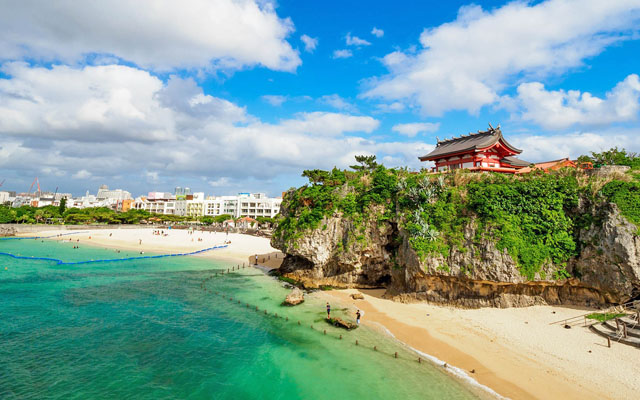
Balinese-based lifestyle brand Potato Head is expanding its reach as it gears up to open a nightclub it believes will make the Indonesian island even more attractive to foreigners.
Manish Puri, chief operating officer of the Potato Head Family, said the lifestyle brand is complementing its current portfolio at the vast Desa Potato Head in Seminyak with a nightclub that is slated to further cement Bali on international travellers’ maps.
Potato Head hopes to attract more international visitors to Bali with the upcoming opening of its new nightclub
Potato Head’s current operations comprise a five-star hotel, music recording studio, culture library, co-working spaces and six restaurants, including its world-famous beach club.
“It’s about creating a new hospitality space and new experiences,” Puri said. “The opening of the nightclub gives us the ability to attract more guests. It’s not only a club about drinking – it’s for people who love the culture of Bali.”
Bringing top international DJs from across the globe, the club will open in July with the UK’s renowned DJ Harvey headlining.
By attracting celebrated DJs and music festivals, Puri is hopeful that it will “increase the hype of Bali”.
Last year, Potato Head kickstarted major music events on the island when it hosted Boiler Room Bali. The two-day music extravaganza attracted more than 6,000 people to Potato Head’s beachfront creative village.
With that success, Puri updated that Potato Head is planning three more music festivals this year, with the goal of attracting 4,000 people per festival to the island.
“We want to develop Potato Head into a real lifestyle brand in response to people wanting more intimate lifestyle products,” noted Puri. “We’re a homegrown brand with life and soul; we have a sense of place with international standards.”
He added that four pillars sit at the heart of the brand in the form of sustainability, wellness, food and music. In contrast to the global average of waste that hotels send to landfill, which sits at 50 per cent, Potato Head has reduced this to three per cent with its zero-waste goal.
“We take sustainability very seriously,” said Puri.
In line with this, it takes a strict stance on single-use plastics – any found on visitors on arrival will be confiscated and replaced with reusable bottles, which is returned upon departure.
Radisson Hotel Group (RHG) has signed Radisson Hotel Ploenchit Bangkok, formerly known as the Chateau de Bangkok.
Currently undergoing renovations, the 133-key hotel is scheduled to open in 2Q2024.
Artist’s impression of Radisson Hotel Ploenchit Bangkok which will open 2Q2024
Located on Soi Ruamrudee, Radisson Hotel Ploenchit Bangkok is surrounded by upmarket lifestyle malls, restaurants, and a commercial centre, and is nearby the US Embassy and Ploenchit BTS skytrain station.
The property will offer guestrooms and suites, as well as serviced apartments that offer a living area and a fully-equipped kitchenette. On-site facilities will include an all-day dining restaurant, café, fitness centre, outdoor pool, ballroom, and two flexible function rooms.
“The addition of the new Radisson Hotel Ploenchit Bangkok will revitalise the hospitality scene further to become a leading place to stay, meet, and dine when it opens in 2024,” said David Nguyen, managing director, Indochina and strategic partnerships, South East Asia & Pacific, RHG.
RHG has plans to double its footprint in Thailand from five hotels in 2022 to ten hotels by mid-2024 in destinations like Bangkok, Phuket, Hua Hin, and Pattaya.
The Lux Collective has signed a Memorandum of Understanding (MoU) with the NGO Eco-Sud to establish a conservation plan for marine biodiversity in commemoration of World Environment Day and World Oceans Day this June.
As the first luxury hospitality group in Mauritius to do so, the partnership aims to raise awareness about the importance of oceans and promote sustainable and environmental-friendly practices to protect marine ecosystems.
From left: The Lux Collective’s Ashish Modak and Eco-Sud’s Sébastien Sauvage
Aligning with United Nations Sustainable Development Goal to conserve and sustainably use the oceans, seas and marine resources, turtle-friendly habitats will be developed on the beaches of the group’s six hotels in Mauritius, namely Lux Grand Baie, Lux Belle Mare, Lux Le Morne, Lux Grand Gaube, Tamassa Bel Ombre and SALT of Palmar.
A series of initiatives and activities adapted to each hotel will be implemented under this agreement, including awareness campaigns, student workshops, promotion of ecotourism, and fundraising for blue carbon projects encompassing mangrove reforestation, coral nurseries establishment, oyster cultivation, seagrass meadow preservation and other impactful endeavours.
Marine biology experts are invited to study the lagoons and provide recommendations for blue carbon projects’ implementation – aimed at restoring biodiversity. Exhibitions will be organised to showcase the blue carbon projects.
In addition, fishing communities in the regions where the group’s hotels operate will have access to training in ethical fishing provided by Eco-Sud, and will be integrated into the resorts’ sustainable supply chains. Interactive workshops will be organised to educate children and involve them in marine conservation activities, creating a sense of ownership and responsibility towards the environment.
Individuals will also have the opportunity to contribute to data collection during their dives around the island by sharing images and geolocations with Eco-Sud.
“Our oceans face many threats, and their good health ensures the proper balance of life on Earth, even human survival. That is why we must mobilise. Let’s work on solutions to combat the degradation of the oceans,” shared Evita Fakun, chief sustainability officer of The Lux Collective.
Eco-Sud’s CEO Sébastien Sauvage emphasised: “Today, the collaboration established between The Lux Collective and Eco-Sud clearly demonstrates that it is worthy standing up for our natural heritage. The urgency to change our relationship with nature is very real. Species extinction, the environmental and climate crisis present us with a challenge that we must face together, without compromising our values.”
Collinson has partnered with Singapore Airlines (SIA) to offer Lounge Pass to SIA’s customers, allowing them to pre-book airport lounge access for both the outbound and inbound legs of their journeys.
Lounge Pass is available to all travellers flying with SIA and their codeshare airline partners, regardless of cabin class, programme status, or route.
The partnership allows SIA’s customers to purchase the Lounge Pass regardless of cabin class, programme status, or route
Lounge Pass presently offers pre-bookable airport lounge access at over 600 airport lounges worldwide, located across 100 markets and countries, at over 350 airports.
Todd Handcock, global chief commercial officer and president, Asia-Pacific, Collinson, said: “We are very much looking forward to welcoming SIA’s customers into our airport lounges and delivering a comfortable airport experience where they can unwind and recharge before their flight.”
Laguna Phuket and Bangkok Dusit Medical Services (BDMS) have partnered to open Laguna Wellness by BDMS, a wellness centre within Laguna Phuket.
The new facility will position Laguna Phuket as a premium wellness hub in the region offering a wide range of healthcare services and holistic wellness solutions. It will give the Laguna Phuket residents access to the latest medical technology and the expertise of world-class medical professionals, including comprehensive health check-up packages, regenerative medicine, IV therapies and personalised supplements.
Laguna Wellness by BDMS offers a wide range of healthcare services and holistic wellness solutions
Strategically located in the heart of Laguna Phuket and a convenient 25-minute drive from the international airport, Laguna Wellness by BDMS complements the existing array of resorts, residences, spas, and recreational facilities in the area.
Having partnered with the private hospital network for over 30 years, Banyan Tree Group’s executive chairman and founder, Ho Kwon Ping, shared: “This partnership was further developed by launching the Laguna Wellness by BDMS Phuket, marking a significant milestone in our journey centred on bringing advanced healthcare offerings to Laguna Phuket and elevating our overall destination experience to new heights.”
“We champion a future where Thailand, Phuket and Laguna Phuket become synonymous with world-class medical services and holistic well-being, and the opening of Laguna Wellness by BDMS together with our trusted partner on the island is an important step towards that shared goal,” added Narongrit Havarungsi, deputy CEO of BDMS Group 6, which includes hospitals in Bangkok, Hat Yai, Suratthani, Koh Samui and three hospitals in Phuket.
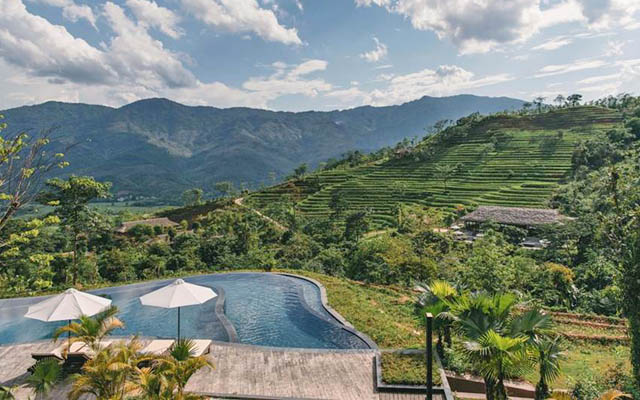
Avana Retreat is rolling out a new two-night stay package that takes in highlights both in and out of the property.
The Avana Immersion package celebrates Mai Chau’s natural landscapes and the culture of local ethnic groups. Activities range from local craft workshops and nature treks to exploration in a classic open-top military-style jeep.
Avana Retreat’s new two-night stay package highlights the area’s natural landscapes and the local culture
The package comprises round-trip limousine shuttle bus transfer, two nights in Bauhinia Mountain Suite, daily meals and snacks, a three-hour guided nature trek, a jeep tour of the local villages, a 60-minute body massage, a craft and cultural workshop, a tour of the on-site museum, and daily yoga classes in the H’mong Cottage.
In addition, guests can customise their dining plan, and choose to upgrade their dining experience to Private Dining at the Waterfall or Private Dining at the Hidden Spring Lagoon.
Avana Immersion is available for bookings year-round, but is now priced at an introductory offer of 25 per cent off all packages until December 22.
Rates start from US$625 per person for two nights.
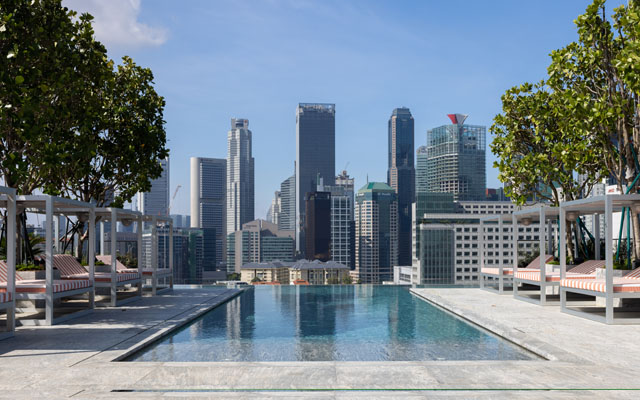
Mondrian Singapore Duxton has officially opened and has a special offer to welcome guests.
The promotion includes 30 per cent off the best available rate on accommodation, complimentary breakfasts, guaranteed late checkout, and S$30 (US$22) Mondrian credit to enjoy at the hotel’s four eclectic bars and restaurants.
Linda Reddy has been appointed as the new hotel manager at Hilton Singapore Orchard.
A seasoned veteran with over 25 years of hospitality experience, Reddy’s most recent stint was general manager of Hilton Sandton, a position she held since 2019.
In her new role, she will oversee a wide range of duties at the hotel, including its MICE and wedding offerings.
A firm believer in the power of teamwork and shared vision, Reddy is also passionate about championing the advancement of women in hospitality and executive positions, to create a diverse, equitable and inclusive workforce.
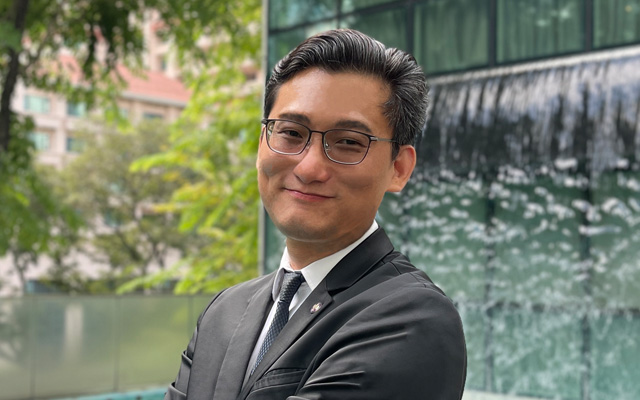
Park Regis Singapore has appointed Kenny Yeo as its new general manager.
He will lead the strategic direction, business performance, and operations of the hotel in his new role.
With over 24 years of experience, he joins Park Regis Singapore from Oasia Hotel Novena and Oasia Hotel Downtown where he served as hotel manager for five years.
ACI Asia-Pacific’s study on airfare trends in the region revealed that while airport charges have remained flat since the pandemic, airfares have soared above pre-pandemic levels as major airlines reap record profits hampering the aviation industry recovery.
In collaboration with Flare Aviation Consulting, the study examined around 36,000 routes in the top 10 aviation markets in Asia-Pacific and the Middle East, which showed an alarming increase in international airfares by up to 50%, while domestic routes went up by less than 10%. The markets that saw the highest airfare increase are India (41%), the UAE (34%), Singapore (30%) and Australia (23%).
While airport charges remain steady, the rising airfares are hampering the recovery of the aviation industry
In 1Q2023, despite a progressive increase in traffic, domestic airfares have continued to increase in several of these markets, including India, Indonesia, Saudi Arabia, South Korea and Japan, only decreasing marginally on international routes.
Airlines are capitalising on low competition and pent-up demand to increase profits and recover losses incurred during the pandemic, while airports continue to provide enhanced services to passengers despite incurring heavy operational and capital expenditures.
Expressing concerns about the high-pricing practice, Stefano Baronci, director general of ACI Asia-Pacific, said: “These excessive airfares threaten the industry’s long-term recovery and may have a far-reaching influence on the associated industry by reducing demand for air travel and increasing the financial burden on the already stressed sector.
“Airlines should exercise fair pricing that supports recovery and safeguards consumers’ interests. A supply-demand imbalance should not be exploited by airlines at the expense of customers by restricting the capacity, especially international one which is a key driver of social and economic growth and a major source of revenues for the airport sector.”
He added that governments should consider “liberalising markets through policies such as open skies” to help keep airfares “under control” while allowing competition.
Factors behind airfare increases Fuel prices and inflation are responsible for a significant portion of airfare increase. Fuel prices went up 76% in 2022 compared to 2019. The airlines’ costs increased as the Consumer Price Index saw an average 10% increase over the same period.
Several major international airlines recently announced record profits for the year 2022 financial year. However, airport operators have been reporting negative EBITDA margins for the last 10 consecutive quarters, particularly in China, Japan, Thailand and India.
Airport charges vs airfares Despite a decrease in passengers and continuous financial losses, airports have made tremendous efforts to support airline partners during the crisis. They accomplished this by freezing or reducing airport charges, including landing, parking, and passenger fees, as well as providing incentives at the peak of the pandemic.
This is despite the fact that airports have made significant investments in capital expansion and technology during this period to ensure a secure and smooth airport experience.
While the quantum of airport charges has always been a matter of debate, it has typically been attributed to increases in airfares. For the record, airport charges are unlikely to have a major cascading impact on airfares as they account for less than 4% of the airline cost base and the ACI Asia-Pacific study demonstrates no correlation between airport charges and airfares.
Airport charges are determined predominantly based on objective items of the airport’s cost base, comprising operating expenses, depreciation, and cost of capital. These charges cover the cost of operations, maintenance, and development of airport infrastructure. Airlines, however, enjoy absolute market freedom to adjust pricing according to operational costs.
Baronci remarked: “One fact is clear. As it has been largely the case in the past, airport charges are not the reason for airfares increase in Asia-Pacific and the Middle East. Airport charges in 2019 to 2022 remained stable or decreased in nominal terms in Asia & Middle East by 4% on international routes; and increased only by +3% on domestic routes.
“The few airports that increased charges did it significantly below CPI levels after Covid in both domestic and international markets. Unlike airlines, airport operators do not have the privilege to set airport charges capable of covering the full cost of the service – this is not only because their prices are heavily regulated, but also because market driven factors, such as competition and/or a dominant buyer power exerted by airlines prevent them from doing so.”









 In her new role, she will oversee a wide range of duties at the hotel, including its MICE and wedding offerings.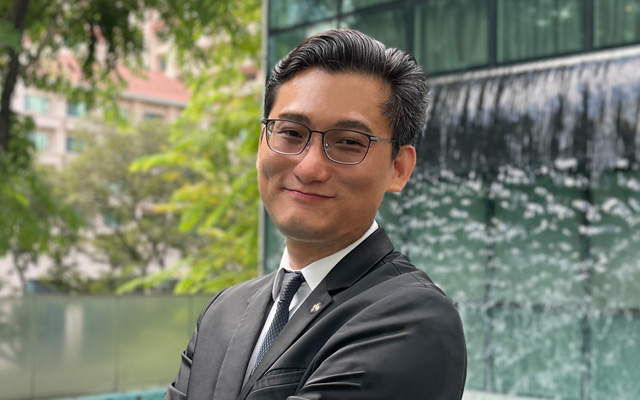
 With over 24 years of experience, he joins Park Regis Singapore from Oasia Hotel Novena and Oasia Hotel Downtown where he served as hotel manager for five years.