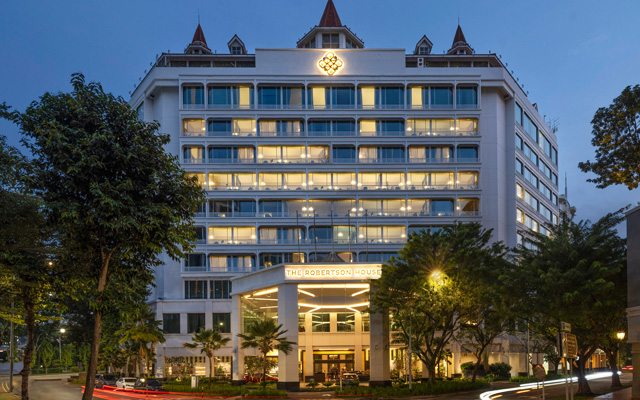
 Location
Step back in time at The Robertson House by The Crest Collection, a refurbishment and rebranding project from the previous Riverside Hotel Robertson Quay.
To set the ambience, an exclusive scent inspired by the spices and teas that were once traded along the flourishing quayside permeates the hotel. The hotel’s interiors offer a glimpse into Singapore’s colourful past as a bustling entrepôt trade hub through the eyes of Murray Robertson, a municipal councillor during British colonial Singapore.
Standing on the riverfront, the hotel is located a five-minute walk from the Fort Canning MRT station, and is surrounded by high-end residential properties, as well as many restaurants and bars.
Accommodation
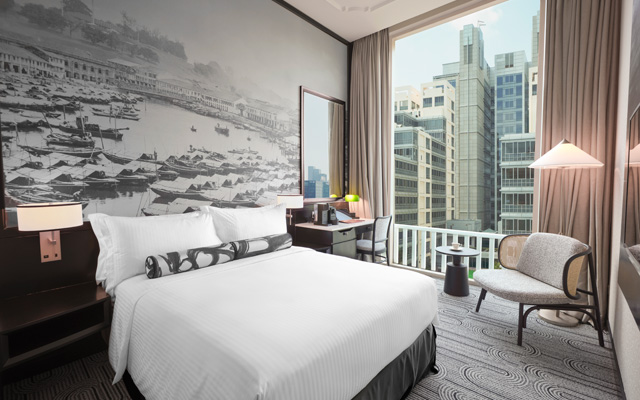
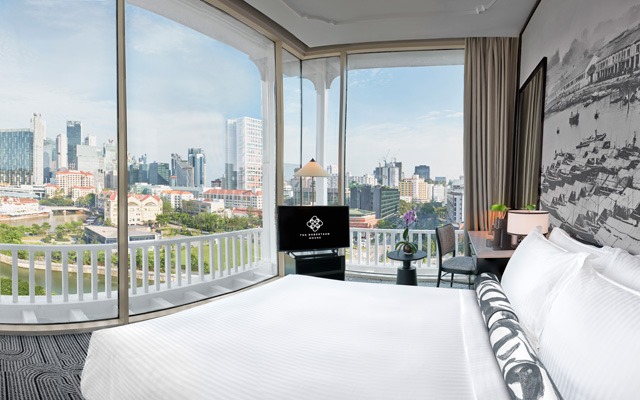
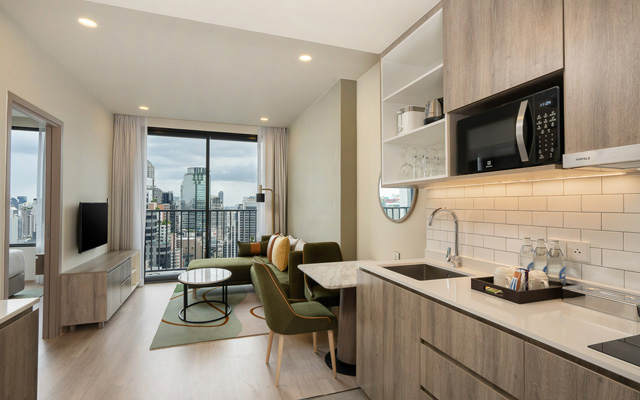
The hotel’s 336 rooms and suites are spread over 10 floors, many of which offer views of the city and river. Each room is adorned with a black and white backdrop print that sets the scene of the Singapore River in its early years. I also noticed there were many framed photos of spices on the walls, alluding to the spice trade.
I stayed in a 24m² Club Room on level 10, furnished with a comfortable queen-size bed, one armchair, a working desk, and coffee- and tea-making facilities. I was intrigued by the hot and cold water dispenser, which doubles up as a kettle. The only caveat is that it must be filled up with tap water from the bathroom, but the shape of the container and the positioning of the tap made this slightly challenging.
For club guests, all minibar drinks – curated in partnership with local beverage company East Imperial – are complimentary. There are also small bottles to make your own G&T, as well as snacks from homegrown snack brands Amazin’ Graze, and Fupi.
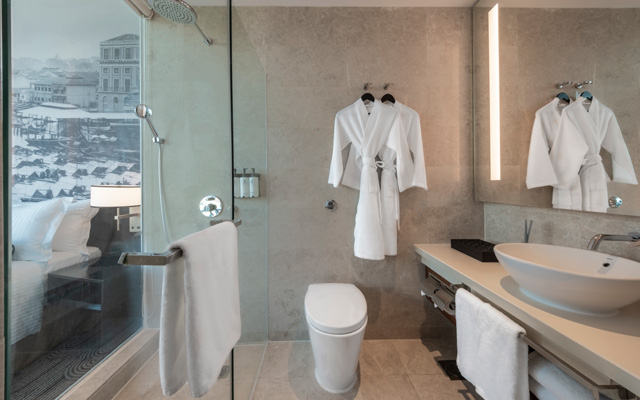
Meanwhile, Atkinsons features as the hotel’s brand of bathroom amenities. A fragrance house originating from England with over 200 years of history, Atkinsons is the official perfumer to the Royal Court of England. The Big Bad Cedar the hotel uses, smelled wonderful.
F&B
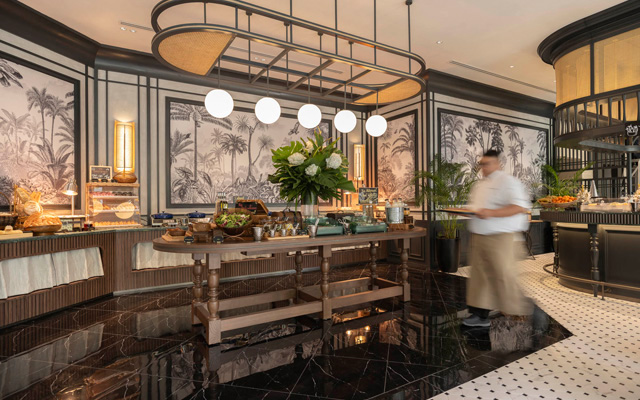
There are three F&B options: Entrepot all-day dining restaurant just beside the check-in area, Chandu Bar, and a pool bar.
The food at Entrepot stole my heart, as I was impressed by chef Nixon Low’s skill at blending Western cooking styles with traditional Asian flavours. I enjoyed the Signature Chinese Terracotta Tea, where the theatrical affair included me pouring Chinese Dried Mushroom Tea into a tea cup bearing a single crustacean tortellini.
The Robertson House by The Crest Collection
My ultimate favourite is, and still will be, his version of the roti john. For the uninitiated, roti johns are basically an omelette sandwich that is commonly eaten as street food in parts of South-east Asia. I had fond memories of their Christmas-version of the roti john (filled with a slab of ham and house-made slaw), and was looking forward to sinking my teeth into the Club Sandwich John with roasted chicken fillet and hickory-smoked bacon. It definitely did not disappoint.
The Dried Longan Peach Tart is a must-try, and digging into it – I finished every morsel – reminded me very much of eating a dry version of cheng tng, a refreshing sweet local dessert.
I also noticed how closely The Robertson House works with local brands. Aside from those provided in my room, the hotel’s exclusive gin, The Robertson House gin, is crafted with Tanglin Gin, Singapore’s pioneering gin distillery. Those who prefer beer can opt for Dr Robertson’s Lager, brewed in partnership with locally-owned RedDot Brewhouse.
Non-drinkers are not forgotten as the exclusive Robertson House coffee is made in a coffee programme with local roaster PYROAST, while tea blends, such as Dr Robertson’s Chai, are created by local tea specialist, Taverns Tea.
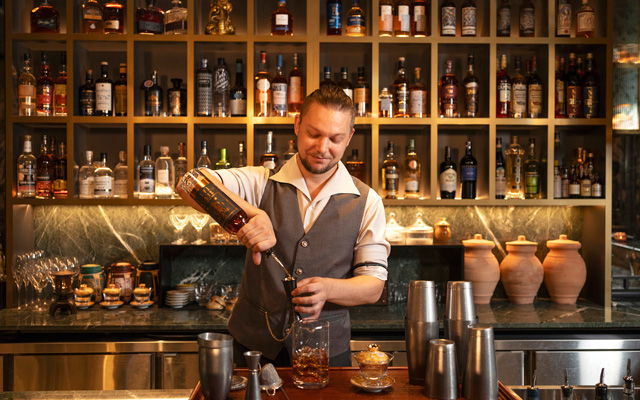
For cocktails, seek the round gold handle that symbolises Chandu Bar, where its name carries dual meanings, signifying opium in Malay and moon in Hindi.
The inconspicuous speakeasy bar is tucked behind the building, and stepping into its throes is akin to stepping back into a clandestine version of colonial-era Singapore. The intimate space draws inspiration from opium dens and clan associations, and is portrayed as a space where Murray Robertson hosted discreet, exclusive gatherings.
The beverage programme offers several cocktails with fancy names, such as Chasing The Dragon, Death & Taxes, and Self-Help Drink. Each tipple also has a tale to tell, if you listen hard enough.
Facilities
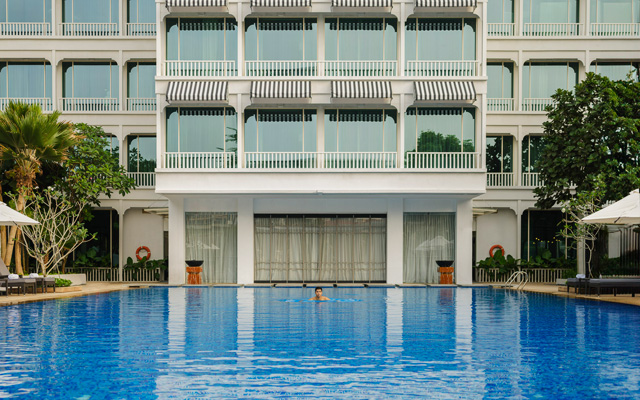
There is an outdoor 25m-long swimming pool, as well as a gym, on level two. On the same level are also four function rooms available for intimate events, where the largest space, Robertson 4, can hold up to 60 people banquet-style.
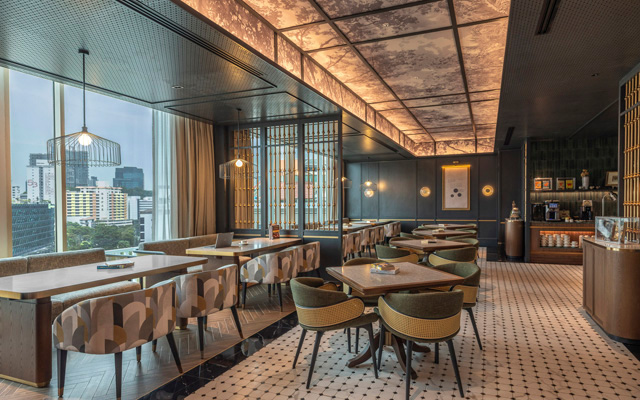
Club guests will have access to the 1823 Reading Room, filled with vintage books and titles. The space was named as such to symbolise the eager pursuit of education and knowledge when the history of libraries in Singapore began. Within the 1823 Read Room is also an eight-seater private meeting room that can be booked by club guests. Monthly programmes are also held within, such as cocktail-making and tea-blending workshops.
Service
The exceptional service I received seamlessly combined personalisation with discretion. The staff, consistently polite, warmly greeted me by name without being intrusive.
Verdict
My hotel stay was a charming experience; from delectable cuisine to cosy beds, the property’s commitment to supporting local businesses made it a top-notch choice for a memorable stay.
Contact details
Website: https://www.discoverasr.com/en/the-crest-collection/singapore/the-robertson-house-by-the-crest-collection


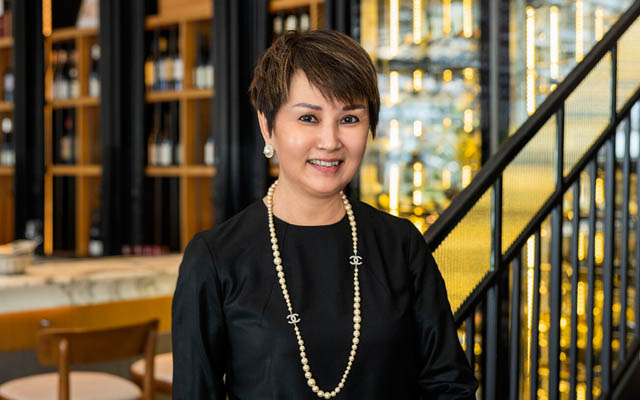
 Prior to joining Pullman Bangkok Hotel G, she was general manager at Hotel G Singapore.