

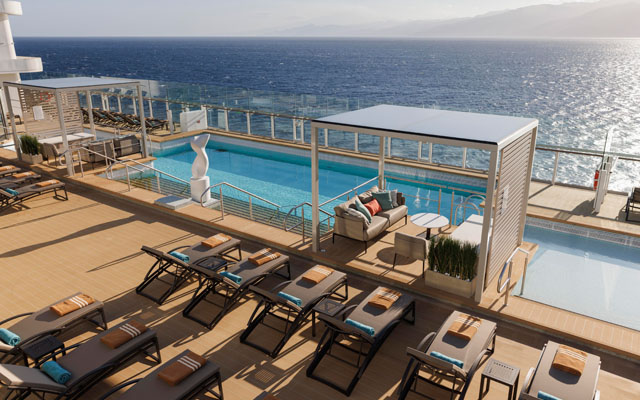
World’s biggest Mercure opens its doors
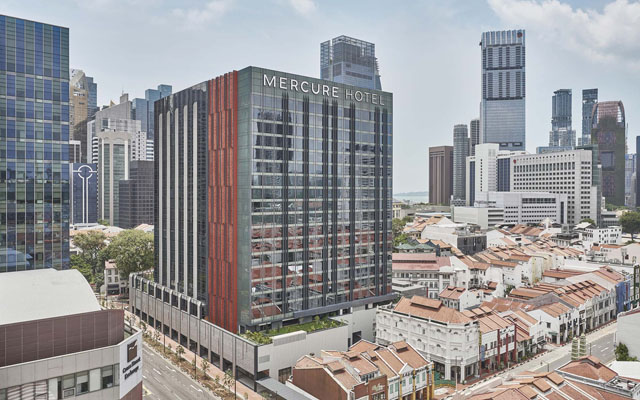
Singapore is the proud home of the world’s largest Mercure hotel – 989 keys captured in a new-build infrastructure rising in a vibrant part of the city and surrounded by a blend of conserved shophouses of Chinatown and modern towers.
Within Mercure Icon Singapore City Centre, guests can enjoy artworks of iconic shophouses by local artist Ripple Root, six distinct dining experiences as well as an oasis of wellness and serenity. Outside, a world of adventure awaits, as the neighbourhood of Club Street, Ann Siang Hill, and Duxton Hill presents a blend of exquisite dining and vibrant street art.
The hotel has also curated a complimentary Chinatown Food and Heritage Walking Tour to bring its guests on a deep dive into the area’s culinary and cultural heritage.
Oceania Cruises offers free pre-cruise hotel stay for 2024/2025 itineraries
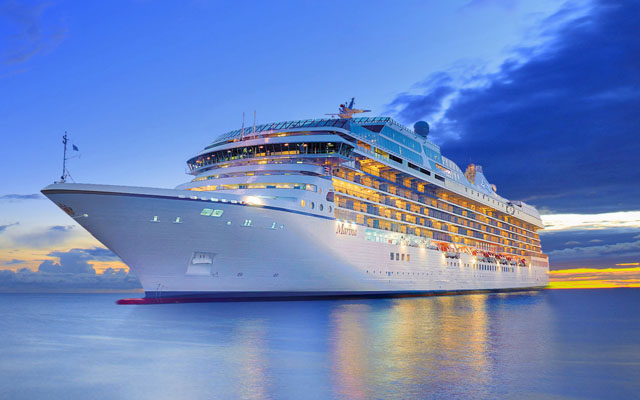
Oceania Cruises will offer guests a free pre-cruise hotel stay on a range of sailings throughout late 2024 and 2025, allowing travellers the convenience of arriving a day before their cruise embarkation.
This offer is available on 33 destination-immersive sailings exploring locations such as Brazil, the Canary Islands, Japan, Singapore, Bali, and New Zealand on itineraries ranging from 11-day explorations to an expansive voyage of 35 days.
During the free pre-cruise hotel stay, travellers can explore the port destination they are at, such as meandering through the Ginza District of Tokyo, admiring the views of Table Mountain in Cape Town, enjoying a stroll through Singapore’s Gardens by the Bay, passing the time in Cape Town on Boulders Beach in South Africa, experiencing the beaches and lush countryside of Bali, or immersing themselves in the colourful, sun-soaked culture in Rio de Janeiro, before boarding the ship for their cruise voyage.
The offer is available for reservations made between now and May 31, 2024.
For more information, visit Oceania Cruises.
Bert Hernandez takes over as president of Silversea

Royal Caribbean Group’s president Barbara Muckermann will depart Royal Caribbean Group after 14 years with Silversea to pursue other opportunities. Succeeding her will be Bert Hernandez.
Hernandez has been with the Royal Caribbean Group for the past 20 years, and was most recently serving as senior vice president, international.
 With an extensive commercial and operational experience, he has also served as president of China operations for Royal Caribbean International, where he built the brand into China’s leading cruise line.
The Ritz-Carlton, Millenia Singapore makes two key appointments

The Ritz-Carlton, Millenia Singapore has appointed Audrey Lim as the director of human resources, and Jin Kim as the executive assistant manager of rooms.
Lim brings over 20 years of experience working as a trusted human resource and talent partner to blue chip multinational corporations in regional and global roles in Singapore, China, and Indonesia. Most recently, she was the regional human resources director at Louis Vuitton Moët Hennessy overseeing the South-east Asia and Australia markets.
Kim will oversee all room operations, including housekeeping, guest services, The Ritz-Carlton Club Lounge, The Ritz-Carlton Spa, and the fitness centre. He most recently served as director of rooms at Grand Hyatt Jeju.
Indian outbound demand heats up this summer
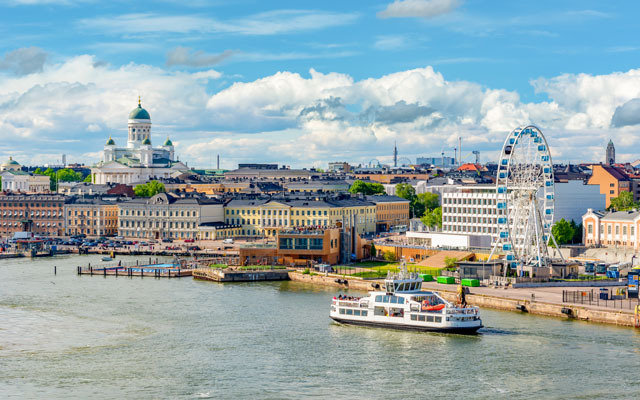
As summer travel season sets in across India, travel consultants in the country are enjoying strong outbound bookings for near and far, from Asia to Europe.
According to Dove Travels’ managing partner Ashwani K Gupta, demand is up by some 15 per cent this summer season compared to the last.
Gupta detailed: “Shorthaul destinations like the Middle East are in demand, while Saudi Arabia is rising on the popularity charts. Vietnam is a popular choice among group tours due to the destination’s competitive pricing. Meanwhile, in Europe, we are noticing a positive response for luxury travel to Italy, France and Spain.”
Travel consultants say travel to Europe is on the rise, as visa challenges ease.
“Last year, guests had to plan their travel at least two months in advance, as visa appointments for some European destinations required a waiting period of at least a month. However, the situation has improved a lot this year. We are seeing a good response from Indian travellers for northern European destinations like Denmark and Finland,” Ajay Jaipuria, founder, Travel Oyster India, told TTG Asia.
Jaipuria added that airfares for Europe have also improved, further fuelling strong travel demand.
He noted that an economy class seat on a European sector was priced between 75,000 rupees (US$900) and 90,000 rupees in 2023. This year, the price has fallen to between 50,000 and 60,000 rupees.
“We are observing a trend where guests are increasingly opting to spend four to five nights in a single destination, rather than hopping between multiple locations in Europe. This shift indicates a preference for a more immersive experience,” said Jaipuria.
While outbound travel is certainly growing, Ajay Prakash, president of the Travel Agents Federation of India, warned that high airfares and visas for western destinations continue to challenge business.
The “huge backlog” of Schengen and US visa applications is stunting outbound tourism growth, Prakash lamented.
Rakuten Travel steps up engagement with Singaporeans
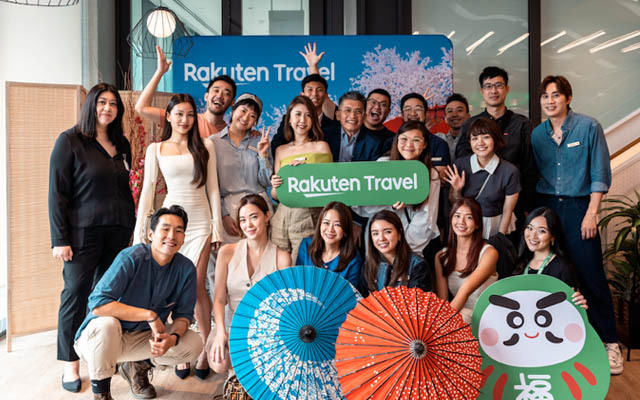
Japanese OTA Rakuten Travel recently hosted a closed-door influencer gathering as well as a public engagement in Singapore’s CBD in a bid to inspire greater interest in Japan.
The influencer gathering on March 27 was attended by almost 40 guests with a combined reach of nearly four million. Attendees were introduced to Rakuten Travel’s extensive features, including its wide range of travel services and the largest selection of Japanese hotels among travel agencies in Japan.
Rakuten Travel also hosted a public ice cream giveaway event on March 28 at Raffles Place to offer attendees a taste of Japan.
According to the Japan National Tourism Organization, this initiative aims to capitalise on the growing popularity of Japan as a travel destination, with the number of visitors from Singapore hitting a record high of 591,000 in 2023 – a 20 per cent increase compared to pre-pandemic levels.
Rakuten Travel provides an extensive range of ryokans (Japanese-style inns) and hotels throughout the country and is committed to offering a “Japan Quality” experience throughout the entire accommodation booking journey.
Its 2023 booking data showed that Singaporeans ventured to remote destinations in Japan, such as Toyama, Miyazaki, Tokushima and Kumamoto Prefectures. During their visits, many stayed at ryokans featuring natural hot springs and traditional Japanese kaiseki meals. The value per booking was double that of Japanese domestic travellers, reflecting their preference for extended and upscale stays.
Coming up this year, Rakuten Travel will partner with local retailers and banks, such as Don Don Donki Singapore, to offer Singaporeans more exclusive hotel plans and promotions.
Jeremy Bek, global head of Rakuten Travel, said: “These events mark the launch of our comprehensive engagement strategy for Singapore. We are committed to significantly growing our presence by engaging Singaporeans directly and helping them discover unique and authentic Japanese stays through our booking platform.”
Frasers Hospitality clinches BREEAM award
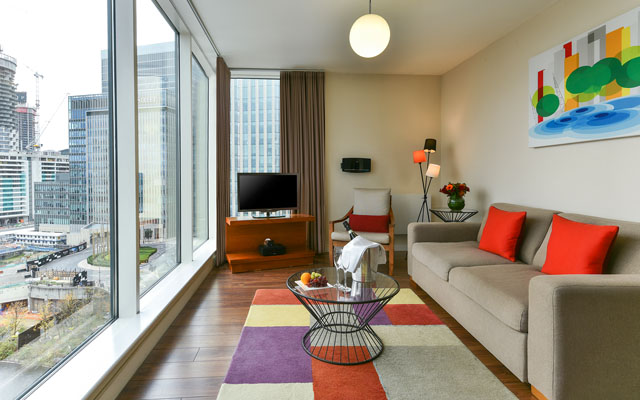
Frasers Hospitality recently received the Building Research Establishment Environmental Assessment Method (BREEAM) In-Use (BIU) certifications for its owned portfolio in Europe, contributing positively towards the company’s ESG goals.
The BREEAM certifications provide a clear and credible route map to improving sustainability for existing buildings. The eight properties that obtained the BIU certifications are located in Germany, Spain and the UK, and include Capri by Fraser Barcelona; Fraser Suites Glasgow; Fraser Suites Edinburgh; Fraser Suites Kensington, London; Fraser Suites Queens Gate, London; Fraser Place Canary Wharf, London; Park International Hotel, London; and Fraser Suites Hamburg. Two remaining owned properties in the European portfolio – Capri by Fraser Berlin and Capri by Fraser Frankfurt – are in the process of obtaining the BIU certifications this year.
Beyond the newly attained green building certifications, the owned UK portfolio has also been accredited by Green Tourism to improve their environmental and social impacts for its approach and practices towards sustainability and is fully powered by renewable energy.
“The BIU certifications are a testament to our commitment to reducing the environmental footprint of our operations. They are a validation of our capabilities to strengthen the resilience of our portfolio and future-proof our business,” said Eu Chin Fen, CEO of Frasers Hospitality.
Scoot receives first Embraer E190-E2 aircraft from Azorra

The first of nine new Embraer E190-E2 aircraft by Azorra has been delivered to Scoot, the low-cost subsidiary of Singapore Airlines (SIA), during yesterday’s handover ceremony at Embraer’s facility in Brazil.
Named Explorer 3.0, the delivery of the E190-E2 marks the first time a Singapore carrier is introducing an aircraft from the Brazilian manufacturer.
Scoot E2 services are set to begin in May with Explorer 3.0’s inaugural flight to Krabi, Thailand.
Scoot CEO Leslie Thng commented: “We are honoured to be the first Singapore carrier to take delivery of this modern and fuel-efficient aircraft and the E190-E2 jets are crucial to our overall network growth strategy. The delivery of the first Embraer E190-E2 reflects our confidence in the demand for air travel and our commitment to connect our customers to more destinations at the same great value.”
John Evans, CEO and founder of Azorra, said: “It’s truly exciting to be part of this new chapter for Scoot with the addition of E2s, facilitating optimised expansion of its existing network and the development of new markets with such an efficient and versatile aircraft.”
“Continuing our long relationship with Azorra, we look forward to seeing how Scoot’s passengers enjoy the comfort and quietness of the most fuel-efficient aircraft in the narrow body space,” added Arjan Meijer, president and CEO of Embraer Commercial Aviation.
Ace Hotel expands presence in Asia-Pacific
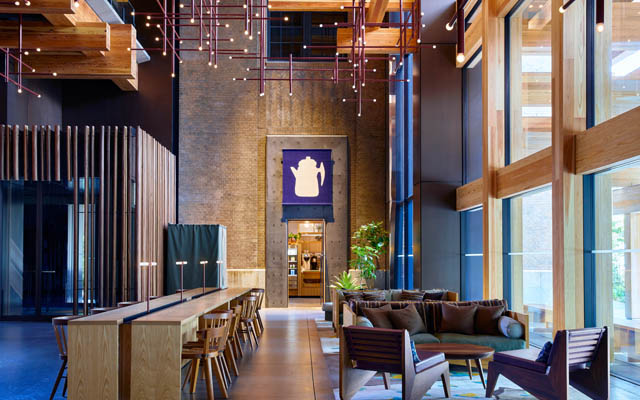
Ace Hotel is expanding across the Asia-Pacific with the upcoming hotel in Fukuoka, Japan, new restaurants at Kyoto and Sydney properties, as well as the return of its long-running Artist in Residence (AIR) programme.
Ace Hotel’s latest location in Fukuoka, Japan is slated to open in 2027. This will be Ace’s second hotel in the country and will be located in the Tenjin neighbourhood in Fukuoka.
In addition, Ace Hotel will bring famed Copenhagen restaurant, René Redzepi’s noma, back to Ace Hotel Kyoto from October 8 to December 18 for its second residency at the hotel. The restaurant will craft a tasting menu inspired by the season’s distinct ingredients, against the backdrop of the Kyoto’s autumn leaves.
Ace Hotel Sydney’s marquee rooftop restaurant Kiln, led by chef-partner Mitch Orr, continues to pick up accolades for its food and beverage programme, with a menu rooted in contemporary Australian cuisine that focuses on high quality regional produce, meats and seafood, cooked over the restaurant’s signature wood-fired hearth.
Meanwhile, Ace Hotel’s long-running AIR programme, which hosted over 350 artists at Ace properties in the last decade, is now running at seven Ace locations globally, providing all participating artists space to both create and exhibit work.
The Ace brand, developed and operated by Atelier Ace, introduced the concept of communal lobbies, utilising space that was traditionally designated for hotel guests only by opening it up to the local community. Food and beverage is at the forefront of Ace Hotel’s DNA and Ace has a long history of working with leading chefs throughout the world.
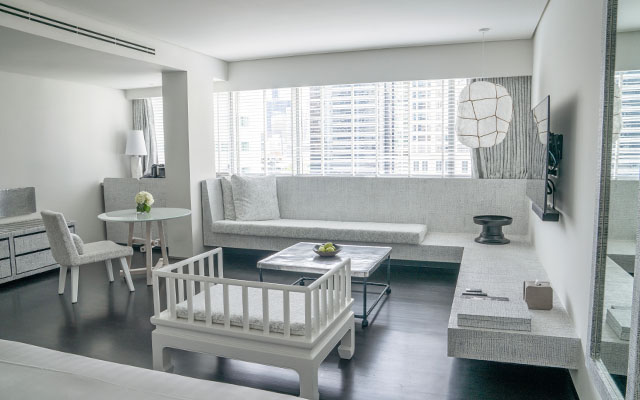






Asia-Pacific is a big part of Silversea Cruises strategy in the region, with trade partnerships being a “pivotal focus” for the luxury cruise line, says its new senior vice president, global sales & revenue, Massimo Brancaleoni.
Speaking to TTG Asia, Brancaleoni said: “I truly appreciate the potential this region has for Silversea. It’s a vibrant, dynamic and highly sophisticated region, very different from the Western, mature cruising markets. Recognising those differences, identifying the right product for the Asian customer, and working very closely with our partners in the region will be the key to our success.”
Strengthening collaborations allows Silversea and its partners to drive mutual growth, as the cruise company aims to amplify its reputation in luxury cruising through innovation and providing “exceptional service, and unparalleled experiences”.
Demonstrating its commitment to the region, Silversea has committed its newest and most sophisticated ships here. The deployment includes Silver Nova, the largest in the Silversea fleet and first of its Nova class, Silver Moon, which succeeds Silver Muse, in 2025.
Brancaleoni noted that Silversea’s offerings are well positioned to meet the growing appetite for luxury cruising in Asia-Pacific.
“Today’s luxury travellers are seeking deeper, more immersive experiences. They desire journeys that are not only luxurious but also sustainable and meaningful. Our guests from Asia seek unique and very special experiences, close encounters with nature, immersive cultural experiences into local communities and the local food and wine scene,” he said.
Silversea offers a range of unique experiences including being the only luxury cruise line with a S.A.L.T. (Sea and Land Taste) programme that aims to connect guests to local tastes of the destinations on their voyage, and its flagship expedition Antarctic Bridge programme where guests skip the Drake Passage and fly straight to the White Continent to take the six-day cruise.
“Our focus on exclusive, transformative experiences and deep community engagements is a testament to our unwavering commitment to redefining luxury cruising. With the launch of groundbreaking vessels like Silver Endeavour, Silver Nova and Silver Ray, we are actively broadening our appeal to a younger demographic while reinvigorating our loyal guests with fresh, innovative features, experiences, and destinations,” Brancaleoni added.