

Meliá adds two new hotels in Thailand
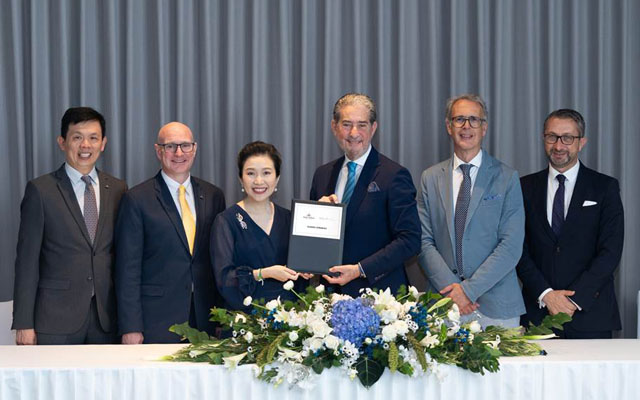
Meliá Hotels International is expanding its partnership with Thailand’s Asset World Corporation (AWC) to launch two new properties – Meliá Pattaya City, and the first Paradisus by Meliá-branded property in the region, Paradisus Jomtien Resort.
Both hotels will further enhance Meliá’s presence in partnership with AWC, bringing the total number of hotels under their umbrella to six in the country.
Situated in the beachside resort town of Pattaya, Meliá Pattaya City will start welcoming guests in December 2024 following a full renovation of the three-star, 234-room Grand Sole Pattaya. The new property will embrace its coastal location by expanding F&B seafood offerings with an all-day dining restaurant inspired by a local fisherman’s village. Facilities will include new bars, event spaces, kids’ club, fitness centre, and a theatre.
Paradisus Jomtien Resort will debut in 2028 in a 43-floor tower boasting 698 keys. The new hotel will sport a more dynamic and sustainable facade, incorporating vertical tropical greenery into the exterior. Forty-four rooms will also feature outdoor plunge pools, and the hotel will comprise multiple restaurants, a gym and spa, convention centre and meeting rooms.
“The addition of these two hotels to our portfolio marks a major milestone in our long-term relationship with AWC,” said Gabriel Escarrer, CEO and chairman of Meliá Hotels International. “We will build on the success of Meliá Koh Samui, Meliá Chiang Mai, and most recently INNSiDE by Meliá Bangkok Sukhumvit in Thailand with AWC.”
Wallapa Traisorat, president and CEO of AWC, shared: “This collaboration will create significant value for the surrounding community and contribute to the Thai economy.”
21 Carpenter
Location
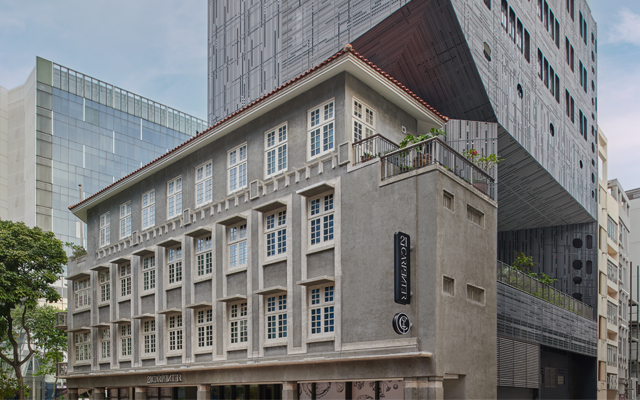
The 48-room 21 Carpenter is Singapore’s latest Design Hotels member, affiliated with Marriott Bonvoy. The boutique property stands just across from The Central shopping mall, which is directly linked to the Clarke Quay MRT Station.
Calligraphic writing of Chinese cities to where remittances were made, as well as a CHS crest on an iron-wrought balcony remain on the hotel’s front, a nod to the property’s storied past. The 1930s shophouses once served as the Chye Hua Seng Wee Kee remittance office of Lee Wee Nam, who went on to become one of the founders of Overseas Chinese Banking Corporation.
Accommodation
Reimagined by WOHA Architects – known for their green masterpieces like Parkroyal Collection Pickering and Pan Pacific Orchard – the hotel comprises two wings: the conserved Heritage Wing features 26 rooms, while the five-storey extension has an additional 22 rooms. Room sizes range from 30m² to 56m².
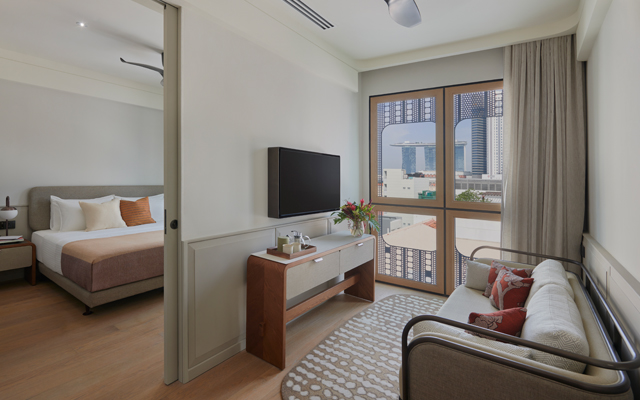
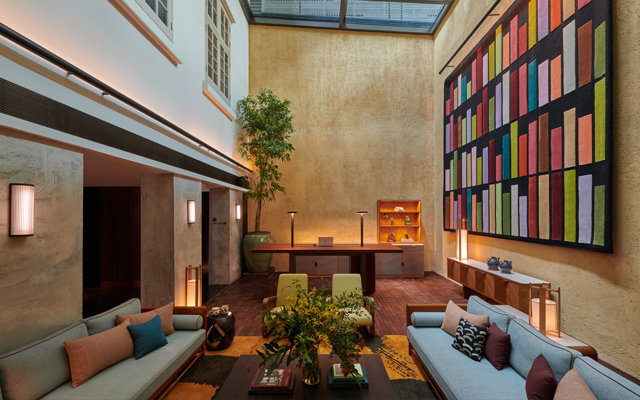
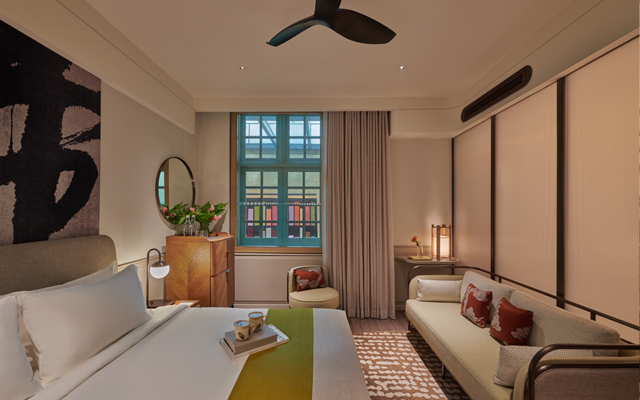
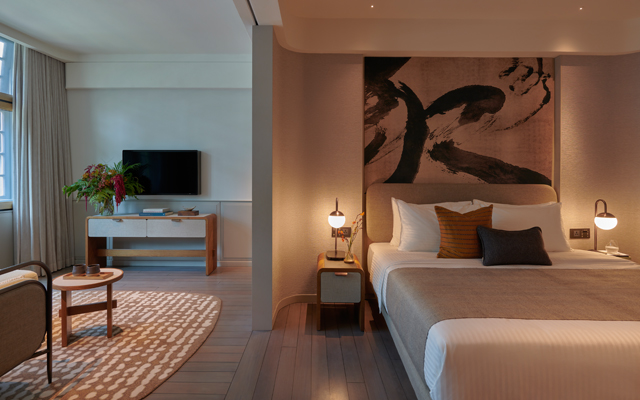
I was put up in a gorgeous Heritage Suite, comprising a living/work space with a flat-screen TV, which led to a separate bedroom with a king-size bed. Walking down the walkway into the living room immediately put me at ease with its homely feel.
Meanwhile, the pink-tiled bathroom came complete with a bathtub, rain shower, Dyson hairdryer, and Smith and Co amenities. Although there was a vanity cabinet, I thought it was not necessary and would have preferred more hooks for clothes or towel racks.
I was told that sturdy Chengal timber boards from the 1930s were restored and used as the flooring. I have no complaints about the bed or pillows, and even though my room faced a brightly-lit entertainment centre, the blackout curtains and quiet space helped ease me into a deep slumber.
Also in the living space was a “wardrobe” that was actually a mini bar and sink, snacks, beverages from Bacha Coffee, TWG, and Oatbedient, and two carafes of water. I particularly enjoyed the sea salt gula melaka cookies, customised specially for 21 Carpenter by the local Fat Kid Bakery.
Aside from local F&B partnerships , local artists such as Heman Chong, and Dawn Ang of Aeropalmics, were also commissioned for art pieces adorning the lobby and rooftop lounge respectively. Other local brands that enrich 21 Carpenter’s interior tapestry were bathrobes by In Good Company, bed throws by artist Liu Liling, and tea cups by Un Studio.
Sustainability is expected of every hotel these days, where refillable water bottles, and large pump shower bottles are now the norm. What stood out for me in 21 Carpenter’s sustainability ethos were the 22 photovoltaic panels on the roof, the installation of ceiling fans in every room (both my bedroom and living room had one), and perforated aluminium on the facade. The ceiling fans, employed in lieu of air conditioning when the room is sufficiently cool, aid in reducing electricity consumption, while the aluminium front effectively shields against the sun and disperses the tropical heat.
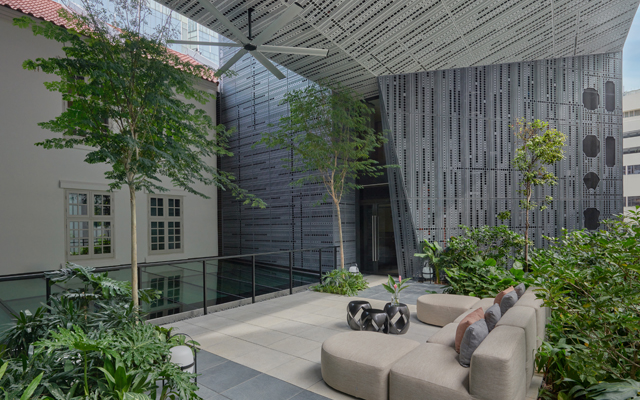
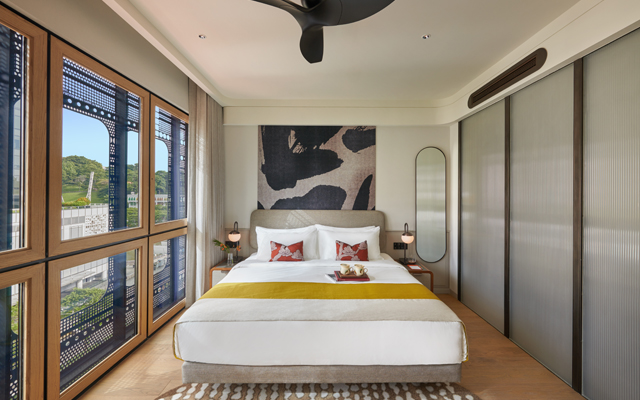
Etched in the aluminium architecture are poetic phrases, horizontally in English and vertically in Mandarin, extracted from letters in the remittance documents early immigrants sent home. My favourite phrase? “Day and night, when will we reunite”, which I thought was a poignant reflection of an immigrant’s love for one’s family, and longing of a home faraway.
Apparently, there are 22 of these phrases, look carefully and you might just spot all of them; I only managed five.
F&B
Kee’s is the boutique property’s only F&B venue. The breakfast menu features made-to-order dishes such as a spinach & mushroom quiche, and avocado toast, as well as a small buffet area with cold cuts, cheeses, salad, and bread.
Open to public, the 71-seater bistro on the first floor also serves a lunch and dinner menu. Conceptualised by Michelin-star Irish chef Andrew Walsh, diners can expect European classics with Asian influences such as Pepper-Crusted Ribeye Steak Frites, and Mediterranean Sea Bream served with a green curry sauce and coconut-infused rice.
The tipple list is way longer than the menu, and offers cocktails infused with heritage spices, craft beers, and an extensive range of spirits and wines.
Facilities
There is an open-air garden terrace on the third floor. Though you would never find me there in Singapore’s humid weather, guests should try and spot poignant phrases inscribed onto the aluminium facade.
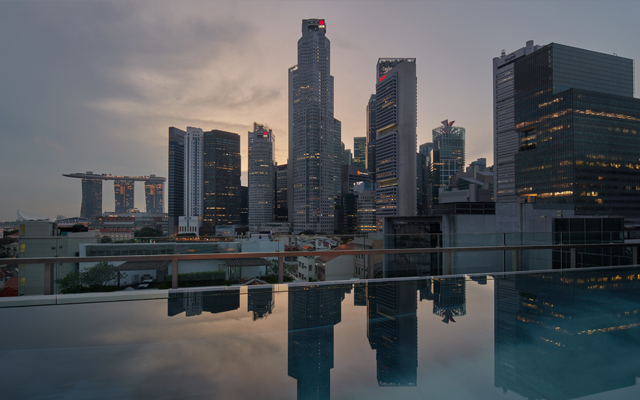
On the rooftop (level nine), there is a second, air-conditioned lounge – my type of relaxing space – that looks out over a stainless-steel lap pool infinity pool with a view of Marina Bay Sands and the CBD.
Service
Check in and check out was swift and efficient, and service staff at Kee’s were polite.
Verdict
Standing proudly in an unbeatable central location, this beautifully-restored urban sanctuary provided a delightful and restful weekend getaway. It is a fantastic place to stay, ideal for both business travellers and leisure guests.
Contact details
Website: https://www.21carpenter.com.sg/
A cannon welcome
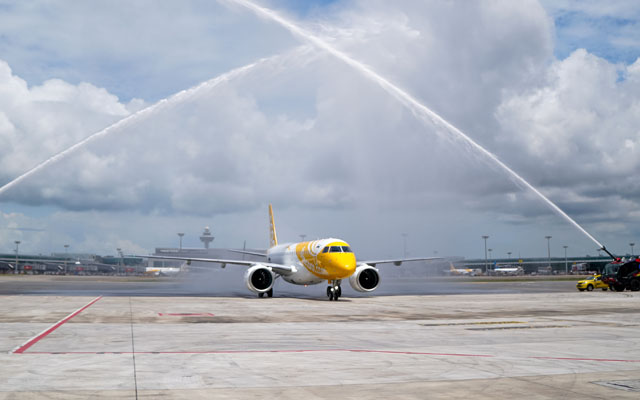
Scoot’s first E190-E2 touched down at Singapore Changi Airport yesterday, and was greeted with a water cannon salute upon arrival.
Named Explorer 3.0, the aircraft is the first of Scoot’s nine new E190-E2s to arrive in Singapore. The second aircraft is scheduled to arrive by the end of April while the remaining seven are expected to be progressively delivered by the end of 2025.
The first E190-E2 aircraft was handed over to Scoot at Embraer’s production facility in São José dos Campos Brazil on April 11, before it departed from Brazil on April 12, making several fuel stops before it landed in Singapore.
Caption: Scoot’s E190-E2 making its arrival in Singapore Changi Airport
More airlines avoid Iranian airspace as Middle East tensions heats up

An increasing number of airlines are re-routing their flights to skip Iranian airspace as Middle East tensions intensify, with the latest being Singapore Airlines and its LCC sister, Scoot.
Several Middle Eastern countries including Jordan, Iraq and Lebanon had temporarily shut down their airspace as Iran launched hundreds of drones and missiles at Israel on April 13; they have since reopened their airspace on April 14. Both Israel and Iran also imposed restrictions on airline traffic over theirs.
Other airlines that have adjusted their Europe-Asia flight routes include Lufthansa, Austrian Airlines, Swiss International Air Lines, and Qantas Airways.
These changes bring prolonged flight duration and additional fuel burn. A Swiss International Air Lines flight between Singapore and Zurich, for instance, will now take 50 additional minutes on top of the original 12 hours and 40 minute flight time.
Climate concerns can impact destination reputation: PATA panel

Popular Asia-Pacific destinations negatively impacted by climate change can restore their reputations if they face up to the challenges and take action to implement sustainable tourism practices, according to research conducted by MMGY TCI Research, PATA’s data and intelligence partner.
Managing director and partner Olivier Henry-Biabaud, in sharing the findings on Climate Change and Tourism in Europe, noted that Vietnam’s nature-based solution – the creation of eight new festivals and new travel seasons – earned it a reputation score of 79.4 per cent, placing it in pole position among 19 destinations.
While Vietnam faces a massive climate challenge, he said its positive reputation is due to a combination of ‘facing up to it’ and seeking international cooperation to “concretely combat the situation”, which Sri Lanka – in the 13th spot – is also doing.
While Australia reputation is “positive in general, the climate change impact is so visible”, Henry-Biabaud shared during the recent PATA webinar on Climate Change Impact on Destination Reputation.
Australia is ranked 16th and traveller posts, for example, on things to know before going to Sydney, list “weather change”, “weather is a concern” and “a trip in and around the city could be impacted by the direct danger of fires or by smoke particles”.
Elsewhere, there are comments like “Paradise at risk: the Maldives in danger of disappearing due to climate change” and “Why did so many climbers die on Mount Everest this year?” with the Nepal Tourism Board claiming it was due to “climate change and the weather”.
Henry-Biabaud said a destination’s reputation can change every month; that travellers are looking for destinations they trust – naming China and Australia as two of the most travel sensitive markets – and destinations should want to better plan tourism sustainability; and younger travellers, while more aware of the impact of climate change and try to pay attention to being more responsible, are bothered by guilt as they still want to travel.
“The key is to be transparent, educate the traveller, be part of the solution and to maximise the social and economic benefits to local communities,” he noted, adding that trip planners are now risk managers of storms, landslides, fires, avalanches, air pollution and potential health issues when helping travellers choose destinations with the least risk.
For Sri Lanka Tourism Development Authority deputy director general and head of Sustainable Tourism Unit, Upali Rathnayake, the destination is trying to catch up by implementing industry sustainability certification, with nine destinations in nine provinces having been identified for sustainable tourism for the future.
Fabrizio Orlando, global director, industry affairs, Tripadvisor, said the platform clearly displays certified sustainable providers, makes them “easily accessible”, and even created a list of sustainable destinations for its Traveler’s Choice Awards this year.
According to Henry-Biabaud, Bhutan is the only carbon-neutral destination in the world; all arriving visitors to the Pacific Ocean island of Palau have to sign a pledge to be good environmental stewards; and Japan is looking at a safety plan to reduce potential risk.
On a positive note, he pointed out that Asia-Pacific is embracing sustainability as part of the industry’s DNA and responsibility.
“There is room for education and destinations most proactive on sustainability are the most positive about their reputation,” he opined.
PATA’s Issues and Trends (1Q 2024): Climate Change Impact on Destination Reputation report is now available on its website.
Edison Travel Services, Trip Affiliates Network to digitally empower tour and activities operators

Taiwan’s DMC Edison Travel Services (ETS) and Trip Affiliates Network (TA Network) have partnered to empower tour and activities operators to thrive in the digital landscape.
By leveraging ETS’s years of hospitality expertise and TA Network’s travel technology solutions, the partnership signifies a significant advancement in the innovation and expansion of the Taiwan travel market.

TA Network operates as an open ecosystem catering to traditional offline B2B channels such as travel agencies, wholesalers, and corporate intermediaries. Through live room rates and inventory management, TA Network enhances efficiency and expands its network of partners, ensuring seamless connectivity and enriched service offerings. ETS will collaborate closely with TA Network ecosystem partners on selected destinations, enhancing the travel buying experience for customers and driving conversions by automating business processes with TA Network’s in-house solutions.
Dennis Kuo, general manager of Edison Tours, remarked that the user-friendly interface and enterprise-level suite of software provided by TA Network will help in significantly boosting conversions and elevating their business not only in the Asian market but also beyond.
TA Network’s regional director for ecosystem and partnerships, Jean Hsieh, emphasised the strategic importance of the partnership in opening new service avenues and reaching a wider audience in the international travel space. She is enthusiastic about automating the future of travel in Taiwan and beyond through collaboration with ETS.
Amara Hotels & Resorts to redesign two Singapore properties

Amara Hotels & Resorts will be giving two of its flagship Singapore properties – Amara Singapore and Amara Sanctuary Sentosa – a brand redesign with the aim of delivering meaningful connections, memorable experiences, and tailored spaces for guests.
Amara Singapore commenced its phased renovation in October 2023 with the final transformation to be completed by September this year. The extensive refurbishment introduces an all-new Lobby Bar and a reimagined Cafe Oriental. All 389 rooms at Amara Singapore, as well as facilities such as event venues, will also undergo enhancements.

Meanwhile, the beachside oasis of Amara Sanctuary Sentosa is set to revitalise its suites, villas, and shared spaces, with completion slated for mid-2024.
Amara Singapore and Amara Sanctuary Sentosa will also unveil a series of new brand experiences by end-2024.
“This transformative journey marks a pivotal milestone for Amara Hotels & Resorts,” shared Dawn Teo, senior vice president of Amara Hotels & Resorts. “Our redesigned spaces are meticulously crafted to resonate with the desires of today’s travellers, offering a unique blend of sophistication, warmth, and joie de vivre that elevates our unparalleled hospitality experiences.”
BWH Hotels signs new SureStay property in Bangkok
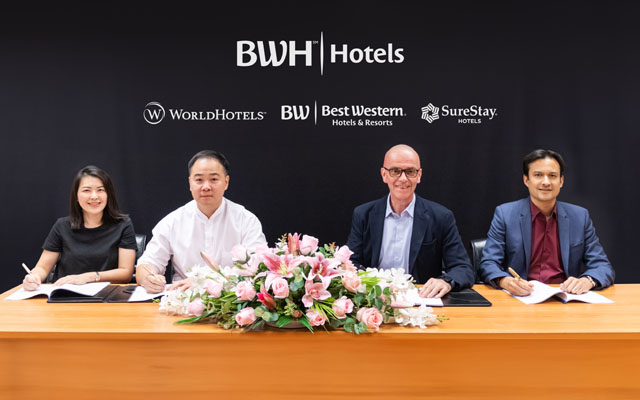
BWH Hotels is expanding its portfolio in Asia with the signing of SureStay by Best Western Iconic Suvarnabhumi in Bangkok, Thailand.
With this new signing, BWH Hotels will offer a comprehensive portfolio of 13 hotels in the Greater Bangkok region.
Situated close to the Bang Na-Trat Expressway and providing access to Suvarnabhumi Airport and downtown Bangkok, SureStay by Best Western Iconic Suvarnabhumi will offer 198 rooms, a restaurant, and an outdoor pool.
“We are delighted to welcome the SureStay by Best Western Iconic Suvarnabhumi to the BWH Hotels family. This modern hotel is perfect for visitors seeking a convenient place to stay, whether they are travelling to, from or within Thailand,” said Olivier Berrivin, vice president – APAC at BWH Hotels.
Silversea Cruises’ looks to strengthen trade partnerships in Asia-Pacific
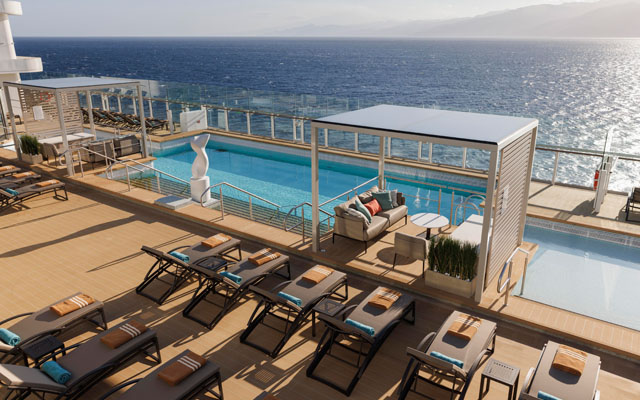
Asia-Pacific is a big part of Silversea Cruises strategy in the region, with trade partnerships being a “pivotal focus” for the luxury cruise line, says its new senior vice president, global sales & revenue, Massimo Brancaleoni.
Speaking to TTG Asia, Brancaleoni said: “I truly appreciate the potential this region has for Silversea. It’s a vibrant, dynamic and highly sophisticated region, very different from the Western, mature cruising markets. Recognising those differences, identifying the right product for the Asian customer, and working very closely with our partners in the region will be the key to our success.”
Strengthening collaborations allows Silversea and its partners to drive mutual growth, as the cruise company aims to amplify its reputation in luxury cruising through innovation and providing “exceptional service, and unparalleled experiences”.
Demonstrating its commitment to the region, Silversea has committed its newest and most sophisticated ships here. The deployment includes Silver Nova, the largest in the Silversea fleet and first of its Nova class, Silver Moon, which succeeds Silver Muse, in 2025.
Brancaleoni noted that Silversea’s offerings are well positioned to meet the growing appetite for luxury cruising in Asia-Pacific.
“Today’s luxury travellers are seeking deeper, more immersive experiences. They desire journeys that are not only luxurious but also sustainable and meaningful. Our guests from Asia seek unique and very special experiences, close encounters with nature, immersive cultural experiences into local communities and the local food and wine scene,” he said.
Silversea offers a range of unique experiences including being the only luxury cruise line with a S.A.L.T. (Sea and Land Taste) programme that aims to connect guests to local tastes of the destinations on their voyage, and its flagship expedition Antarctic Bridge programme where guests skip the Drake Passage and fly straight to the White Continent to take the six-day cruise.
“Our focus on exclusive, transformative experiences and deep community engagements is a testament to our unwavering commitment to redefining luxury cruising. With the launch of groundbreaking vessels like Silver Endeavour, Silver Nova and Silver Ray, we are actively broadening our appeal to a younger demographic while reinvigorating our loyal guests with fresh, innovative features, experiences, and destinations,” Brancaleoni added.
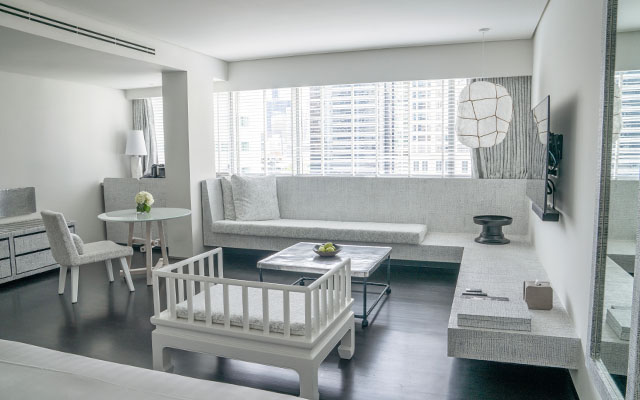
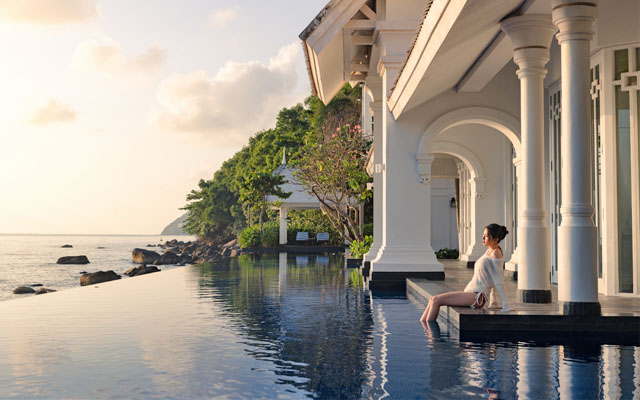






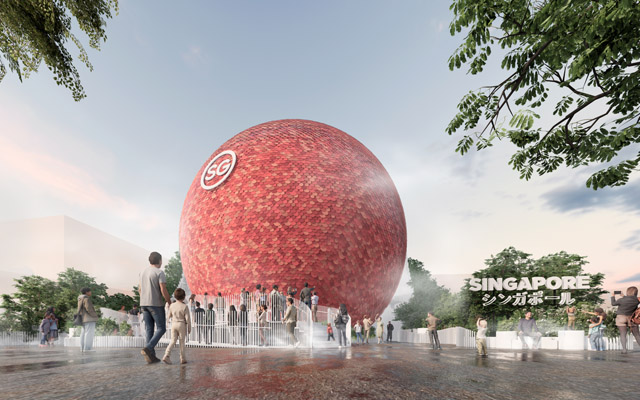
Singapore has revealed its theme and design for the Singapore Pavilion at the upcoming Expo 2025 Osaka, Kansai, Japan from April 13 to October 13, 2025.
With Where Dreams take Shape as the tagline, the Singapore Pavilion, or The Dream Sphere, aims to delight visitors with interactive multimedia and art installations featuring Singapore artists, as well as showcase the country’s food, culture and arts to further pique visitors’ interest in Singapore.
Kingsmen Exhibits has been appointed to design and produce the showcase for the Singapore Pavilion, while DP Architects will spearhead the architectural design.
Inspired by the ‘Little Red Dot’ – a term of endearment for Singapore – the genesis of the design is a physical manifestation of this into a larger-than-life experiential sphere, nestled in a dream-like cloudscape.
Led by the Singapore Tourism Board (STB), Singapore’s participation at Expo 2025 on Yumeshima Island, situated near Osaka, presents a valuable opportunity to share the nation’s story.
Carrie Kwik, executive director, World Expo and special project, STB, said: “Singapore’s participation at Expo 2025 in Osaka serves as an important platform for Singapore enterprises and talents to be profiled on a global stage, and a chance for companies to enhance their brand visibility and engage potential business partners. We are proud to bring Singapore to Osaka and aim to have Singapore business missions visiting Japan to network and promote collaboration between Singapore companies and Japanese guests at our Singapore Pavilion.”
“Singapore and Japan enjoy robust and multifaceted ties,” shared Ong Eng Chuan, Singapore’s ambassador to Japan and commissioner general of the Singapore Pavilion.
“The strength of these ties is evident in Singapore’s strong support for the Expo 2025 Osaka, including being the first country to begin construction on our pavilion. As we approach the 60th Anniversary of diplomatic relations between Japan and Singapore in 2026, Singapore’s presence at the Expo 2025 Osaka will reinforce our strong bilateral ties and benefit both our countries.”
Expo 2025 Osaka is expected to attract more than 28 million visitors over 184 days. Themed Designing Future Society for Our Lives, Expo 2025 Osaka will be Japan’s third Expo, having hosted the Osaka Expo in 1970 and Aichi Expo in 2005.