

ibis is celebrating its 50th anniversary with a big milestone: opening its doors in its 80th country by the end of this year, with the exciting launch of ibis Styles Reykjavik Muli in Iceland.
It was back in the early 1970s that Accor’s co-founders, Paul Dubrule and Gérard Pélisson created the ibis brand. After the successful launch of Novotel in 1967, Dubrule and Pelisson realised they had to stay close to a young and modest clientele. Travel had become more affordable to a wider demographic in the late 60s, so the co-founders agreed that Accor should offer pleasant hotels within everyone’s reach – these hotels would be simple yet equipped with every comfort. The first ibis hotel opened in 1974, in Bordeaux, France.
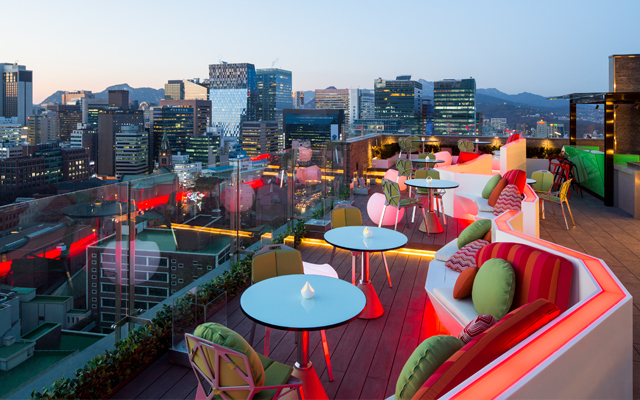
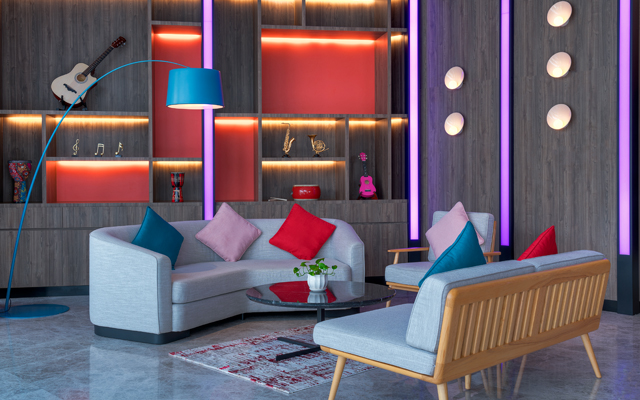
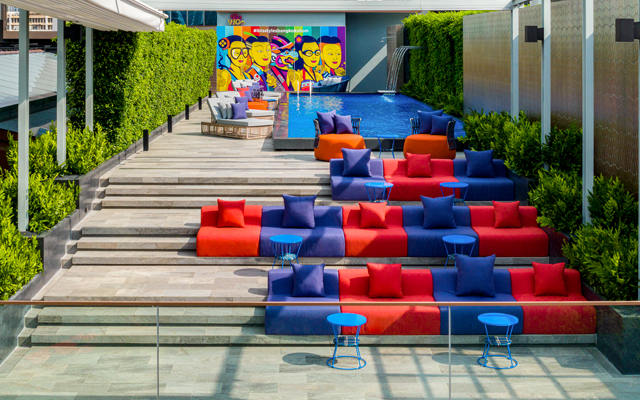
Fast forward to 1976, and ibis was already spreading its wings to 15 properties across France, the Netherlands, and Switzerland. Since then, it has been a whirlwind journey of growth and expansion, turning ibis into one of the go-to names in the world of economy hotels.
Today, ibis proudly boasts a whopping 2,500 hotels under its belt across three fantastic brands – ibis, ibis Styles, and ibis budget.
Throughout its 50 years of hospitality, ibis has racked up some pretty cool milestones. Remember the 15-minute guarantee programme they rolled out in 1997? If something wasn’t quite right with the room and it wasn’t fixed within 15 minutes, the room fee was waived. Talk about service with a smile.
Then, there was that genius campaign in the early 2000s where guests got to name their price for the second night’s stay. Who wouldn’t want to take advantage of that sweet deal? And let’s not forget about Sweet Bed by ibis, introduced in 2012. With a bed so comfy, it’s practically like sleeping on a cloud – ibis knows the importance of a good night’s sleep for every traveller’s journey.

In 2H2024, ibis is rolling out a whole new brand culture programme, global employee ambassadorship, and brand campaign. They are doubling down on what makes them so special: their people. After all, ibis isn’t just a hotel chain – it is a community of Heartists (Heart + Artist) who pour their hearts into making every guest’s stay memorable.
Garth Simmons, chief operating officer of Accor’s premium, midscale & economy division in Asia, shared: “When I joined Accor in 2007, I vividly remember being impressed by ibis’ commitment to delivering both comfort and value, which is exactly what today’s savvy travellers are looking for.
“From the first moment I stepped into an ibis hotel, the vibrancy and energy were palpable. The design was modern and inviting, underscoring our commitment to innovation in the economy segment.
“No matter the location, each ibis hotel delivers the same high level of hospitality and efficiency, ensuring a seamless experience. This consistency is something we pride ourselves on and is a testament to our dedicated teams who work tirelessly to maintain these standards.”
He added: “Our ambition is to continue leading the economy segment by offering high-quality, affordable hotels across the world. To do this, we must continue responding to the evolving needs of consumers.”




 You have been with ASEAN Secretariat and are now with ASEAN Tourism Association (ASEANTA). What have the organisations achieved?
 How has the recovery of tourism been doing so far this year?




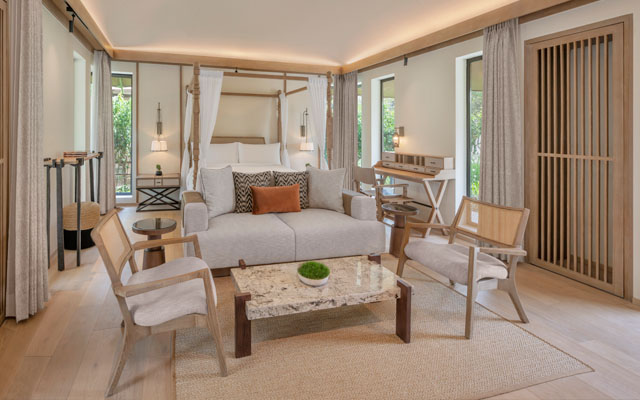






Paya Beach Spa & Dive Resort has unveiled its new luxury glamping suite experience, offering urban dwellers a unique opportunity to reconnect with nature and escape the hustle and bustle of city life, while immersing themselves in nature.
Located on the western shores of Tioman Island in Malaysia and overlooking Mount Kajang, this immersive glamping experience is set to open in September this year.
Each suite provides a modern glamping experience for up to six people, with features like an ensuite pool, a relaxing hammock, and a toilet furnished with a smart mirror – blending modern comfort with nature.
Guests can also enjoy a wide range of amenities at Paya Beach Spa & Dive Resort, such as snorkelling and diving, sipping cocktails by the poolside, complimentary morning yoga sessions by the beach, a trekking experience through Tioman’s tropical rainforest, and even kayaking in the South China Sea.
The glamping suite experience will be available for booking starting September on the resort’s website.
For more information, visit Paya Beach Spa & Dive Resort.