Brought to you by Singapore Marriott Tang Plaza Hotel
Singapore’s famed shopping district, Orchard Road, is home to a vibrant mix of high-end fashion brands, unique local boutiques, luxurious hotels, a myriad of dining concepts, nightlife entertainment and more.
Be it for business or leisure travel, staying at the heart of Orchard Road is perfect for experiencing unmatched convenience and access to Singapore’s premier business and shopping belt at your doorstep.
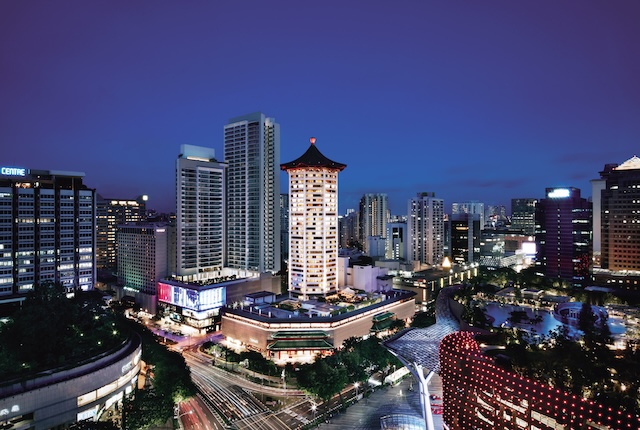
Boasting a towering green-tiled and octagonal pagoda-styled roof, Singapore Marriott Tang Plaza Hotel stands out as an iconic architecture that is strategically nestled right above Orchard MRT station.

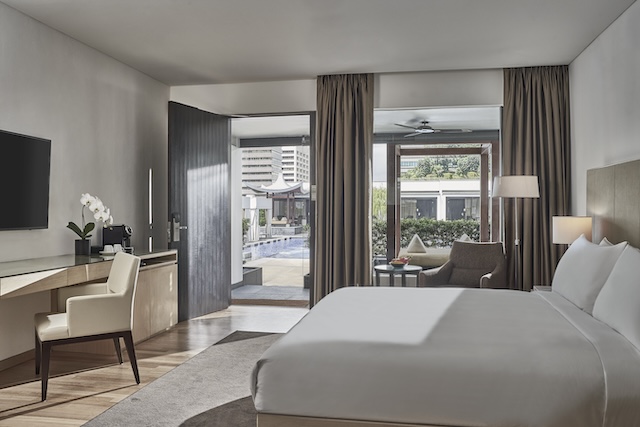

With 403 guest rooms and suites, award-winning restaurants and bars, and a host of business & leisure facilities, this five-star hotel delivers wonderful hospitality and memorable experiences for all travellers by offering contemporary comfort and an array of dining pleasures accompanied with personalised hospitality.
Where modernity meets elegance
Bask in the comfort of contemporary guest rooms and suites across 10 categories, each fitted with state-of-the-art furnishings, large walk-in rain showers, extended vanity spaces, and more.
Whether you’re checked into a Premier Deluxe Room, Executive Premier Room or the luxurious Tang Sok Kiar Suite, every room boasts the right mix of comfort and elegance; offering spectacular views of Orchard Road’s skyline. It’s perfect for travellers seeking for an experiential stay in Singapore.
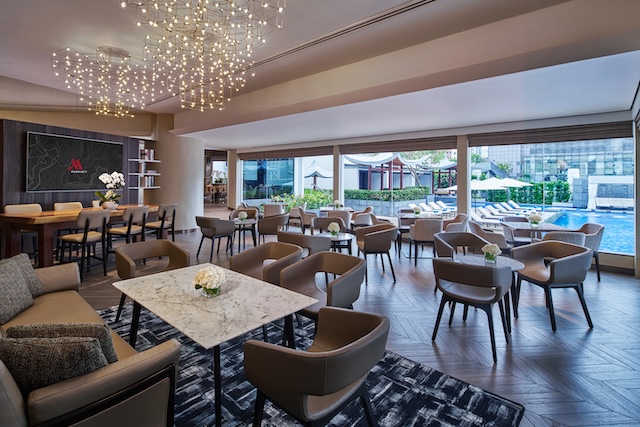
Experience utmost exclusivity at the esteemed M Club, a premium concierge lounge, available to guests staying in Executive Room categories and above, or for Marriott Bonvoy Platinum Elite members and above.
Located beside the hotel’s swimming pool amidst a tranquil resort-style environment, M Club boasts a sophisticated design alongside a stylish space to retreat, recharge and refocus. Guests will be treated with daily complimentary breakfast and evening cocktails, upscale all-day food and drink options, and many more.
Recharge and unwind

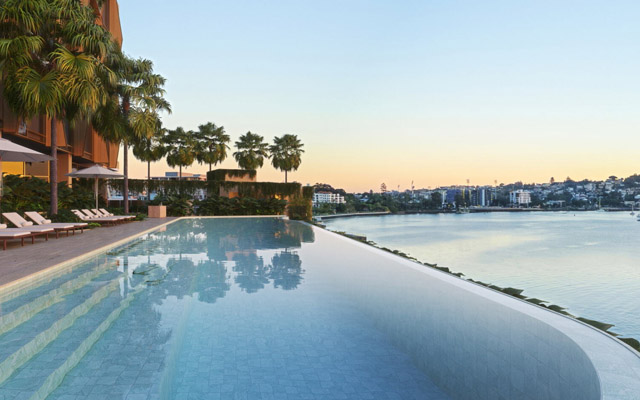
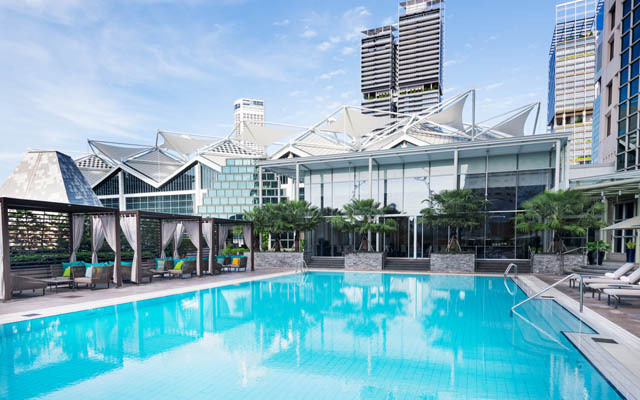
Make time count by soaking in the sun and unwinding at the outdoor pool with cabanas and lounge chairs – it’s ideal for recharging after a long day of shopping. For those looking to get a good workout in, the hotel’s well-equipped 24-hour fitness centre and basketball court will let guests work up a good sweat.
Diverse culinary delights
With plenty of dining options to choose from, the award-winning Wan Hao Chinese Restaurant is a must-visit.
Serving traditional and exquisite Cantonese cuisine since 1995, each dish is a celebration of quality and authenticity. Menu highlights include Deep-Fried Cod Fish with Crab Meat and Hairy Crab Roe, Stewed Beef Cheek with White Pepper Root and Bean Curd Sheet, and more.
The alfresco Crossroads Cafe promises a chill and relaxing environment to wine, dine, and people-watch. This all-in-one outdoor spot offers an enticing selection of cocktails, premium wines, and draft beers on tap. Alternatively, dine in comfort at Crossroads Buffet and indulge in a lavish international buffet spread brimming with an array of fresh seafood, premium meat carving, Asian delight, decadent desserts, and more.
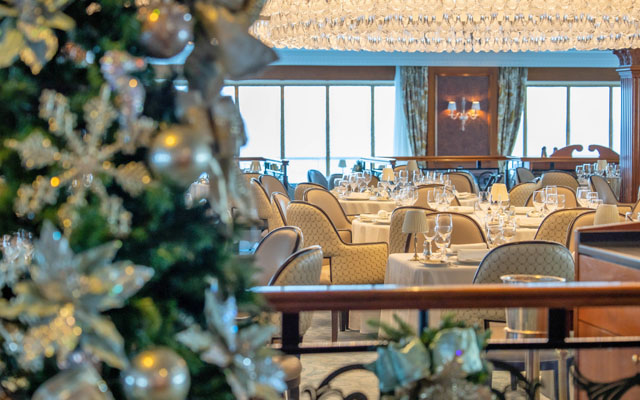
For a laid-back afternoon, bask in the old-world charm at Lobby Lounge with an afternoon high tea featuring a lavish selection of dainty sweet and savoury treats accompanied with fine tea or coffee.
Travelling for business or leisure? Book the Explore Orchard Road package with Singapore Marriott Tang Plaza Hotel’s prime location and benefit from exclusive privileges like 10,000 Marriott Bonvoy bonus points, complimentary buffet breakfast for two, a complimentary photo guide to explore Orchard Road and explore highly recommended photo-worthy locations with rich history and architecture.
For more information, visit www.marriotttangplaza.com.
Vote for Singapore Marriott Tang Plaza Hotel at the TTG Travel Awards 2024! Your vote means a lot – show support by casting your vote under the “Best Luxury Hotel” and “Best Hotel – Singapore” categories by July 31, 2024.