Indonesia needs to inject more funds to stimulate tourism growth
Indonesia will need more investment in tourism-supporting infrastructure to balance the dominant hospitality sector, which currently accounts for 80 percent of total tourism investment.
This was the consensus reached at the International Tourism Investment Forum (ITIF) 2024, held in Jakarta on June 5 and 6. The forum was organised by the Indonesian Ministry of Tourism and Creative Economy and supported by UN Tourism.

Speaking at the opening of ITIF 2024, Sandiaga Uno, Indonesia’s minister of tourism and creative economy, said: “Indonesia recorded more than US$3 billion in tourism investment last year, surpassing our target of US$2.6 billion. However, 80 per cent of this investment has been directed towards hotels, restaurants, and cafés.
“We need more investments in the ecosystem, including the development of sustainable products and inclusive community-based tourism. We need between US$15 billion and US$20 billion (of investment funds).”
Accommodation has also taken up the largest portion of Greenfield FDI investment in Asia-Pacific, accounting for 46 per cent of total investment between 2013 and 2023, according to UN Tourism data.
Natalia Bayona, executive director of UN Tourism, noted: “This is a strong message that we need to diversify, to promote and work together with governments to create new incentives and regulations (to stimulate investment in supporting sectors).”
Meanwhile, Sri Mulyani Indrawati, Indonesia’s minister of finance, stated in her keynote address that despite global economic challenges, Indonesia continues to demonstrate relatively strong and resilient growth at five per cent.
Sound fiscal policies have been a strategic tool in maintaining economic stability, including leveraging the potential of the tourism sector to support inclusive economic growth towards Indonesia’s vision for 2045.
“For Indonesia to achieve its aspiration of becoming a high-income country by 2045, we need to grow by six to seven per cent or even eight per cent. Tourism and the tourism industry can provide a quality, inclusive source of growth,” Sri Mulyani said, adding that Indonesia’s abundant natural resources, rich cultural heritage, and renowned hospitality are significant assets.
However, several challenges need to be addressed, such as improving the quality of human resources and infrastructure development to support growth.
New hotels: SO/ Maldives, Palace Dubai Creek Harbour and more

SO/ Maldives, the Maldives
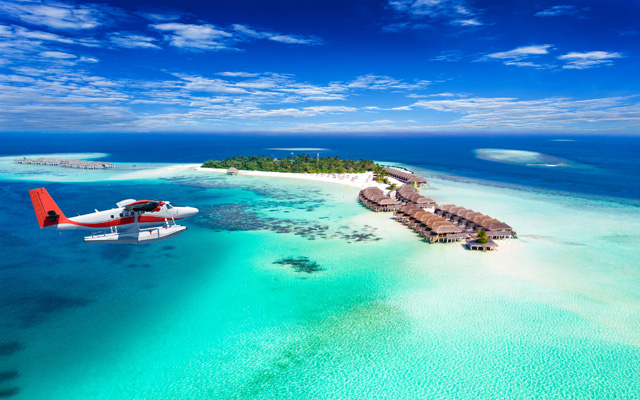
SO/ Maldives is nestled in Emboodhoo Lagoon in the Kaafu Atoll, just a short speedboat ride from Malé’s Velana International Airport.
The resort features Beach Villa and Water Villa Collections plus dining and social venues, a Wellness Camp, fitness centre, and the Lazuli Beach Club, which will host the Maldives’ hottest parties and international DJs.
SO/ Maldives is one of the three resorts of Crossroads Maldives, the Indian Ocean’s first and only fully-integrated leisure destination. These three distinct resorts are seamlessly connected to facilities at The Marina @ Crossroads, an 800-metre lifestyle area and beach walk lined with restaurants, bars, a beach club, retail boutiques, wellness centres, water sports, diving and snorkelling, kids’ clubs, an events centre and a 30-berth yacht marina, plus the Maldives Discovery Centre cultural hub and Marine Discovery Centre.

Palace Dubai Creek Harbour, the UAE
The 122-key Palace Dubai Creek Harbour is located within a 15-minute drive from Dubai International Airport, and is in close proximity to iconic landmarks such as Dubai Mall, Burj Khalifa, and downtown attractions.
Guests can enjoy spacious private balconies in the guestrooms, and facilities such as the rooftop infinity pool, spa, and dining options. Other amenities include a fitness centre, kids’ club, and meeting venues.

Radisson Hotel & Residence Riyadh Olaya, Saudi Arabia
Nestled in the northern Al Yasmin suburb, Radisson Hotel & Residence Riyadh Olaya offers 201 guestrooms, a restaurant, lobby lounge, as well as meeting and event facilities.
There are separate indoor fitness centres for ladies and gentlemen, and other facilities such as a pool, spa, and kids’ club.

Mercure Surawong Bangkok, Thailand
Set against the backdrop of Surawong’s rich history and Thai culture, Mercure Surawong Bangkok is the latest addition to the Silom neighbourhood, allowing guests to discover the locale and explore a dynamic mix of business, creativity, and culture surrounding the hotel.
All 219 guestrooms boast panoramic views of the Bangkok skyline. The hotel also features F&B options, including a rooftop bar.
Philippines to host the inaugural UN Tourism Gastronomy Forum
UN Tourism is organising its first-ever UN Tourism Regional Forum on Gastronomy Tourism for Asia and the Pacific from June 26 to 27 in Cebu, the Philippines.
Hosted by the Philippines through its Department of Tourism (DoT), the forum will be held at Shangri-La Mactan in Cebu City from June 26 to 27, alongside the 36th UN Tourism Joint Commission Meeting for East Asia and the Pacific and Commission for South Asia which is scheduled on June 28 at Sheraton Mactan.

Expecting to gather some 300 attendees including ministers from UN member-states, affiliate members, and tourism stakeholders from international organisations, the day-long forum will see delegates discuss the policy framework for the development and promotion of gastronomy tourism, value of land and products in the sustainable development of gastronomy tourism, cost-effective and environmentally responsible strategies for reducing food waste and promoting local sourcing, as well as best practices in gastronomy tourism in the Asia-Pacific region. They will also be able to sample the best of Philippine flavours through a showcase by top Filipino chefs, and get a glimpse of Cebu’s allure as a top tourist destination through a technical tour on June 27.
Christina Garcia Frasco, tourism secretary and chair of the UN Tourism Commission for East Asia and the Pacific, shared that the country’s hosting was a perfect opportunity for the Philippines to showcase its culinary treasures on a global stage. She noted that Filipino dishes have gained popularity around the world, which encouraged DoT to further promote culinary tourism, recognising the country’s vast potential as a leading gastronomy destination in Asia.
She said: “In addition to integrating food in festivals, arts and crafts, traditions, and practices, we are actively working towards supporting the development of halal/Muslim-friendly tourism, heritage villages for cultural communities, and the preservation of farms and heritage sites.
“The Philippines has a myriad of experiences in store for our delegates to offer tourists coming from around the world. Experiencing our food is on top of that list as it is rooted in our history and tradition. Just as the Philippines is a blend of various cultures, Filipino food mixes and melds different influences to come up with something for everyone.”
NGO campaign to stop dog, cat meat consumption achieves positive results
A campaign recruiting tourism players to join efforts to curb the dog and cat meat trade (DCMT) in Cambodia, Indonesia and Vietnam has reaped huge rewards, with several states and cities enforcing a ban.
In 2020, NGO Four Paws launched a collaborative effort to engage the global tourism industry in supporting its campaign to end the DCMT in the three countries. According to Four Paws, DCMT poses a threat to inbound tourism, undermining efforts to control the spread of rabies and other zoonotic diseases – this poses a threat to locals and tourists.

As part of the campaign, Four Paws piloted a DCMT reporting tool in Quang Nam and Danang in Vietnam. The tool enabled the public and tourism players to report incidents of dog and cat meat consumption.
Between November 2022 and December 2023, 288 DCMT-related activities were reported. A nationwide rollout of the tool is scheduled for this month. A raft of tour operators has also signed a two million-strong pledge to end the trade.
“Our guests overwhelmingly come from countries where pets are part of their daily life. The thought of some people eating dog and cat (meat) is enough to stop guests travelling to South-east Asia,” said Steve Lidgey, general manager at Travel Asia a la Carte, which has signed the pledge.
To date, in Indonesia, a total of 51 provinces, cities and regencies have committed to end the trade. Additionally, in December 2023, one of the last remaining dog and cat meat restaurants in Hoi An closed after a two-year campaign to phase the trade out of the Vietnamese city.
Suyin Lee, managing director of Discova, said: “We have signed the pledge because protecting animals and betterment of care is a key focus for Discova. We believe that animal-friendly tourism is both possible and necessary, and encourage others to support this initiative.”
Sentosa’s green journey
How has SDC’s sustainability initiatives influenced or changed visitor profiles and choices?
We have seen an increase in interest for ecotourism and sustainable travel experiences post-lockdown, especially among younger travellers, a greater environmental consciousness and seeking leisure experiences that are aligned with these values.
This has driven demand for eco-friendly accommodations, tours, dining options and attractions that emphasise nature, heritage and wellness.
In 2021, we launched our signature nature and heritage SentoSights tours, taking guests to less-known nature areas such as Tanjong Rimau, Mount Imbiah and Mount Serapong, which highlight not only rich biodiversity but also our conservation initiatives.
The Sentosa Carbon Neutral Network (SCNN), comprising 30 island businesses including hotels, attractions, F&B, golf course and marina, accounting for more than 95 per cent of the island carbon footprint, is also leading the way in decarbonisation, managing our disposables footprint and local food sourcing.
Businesses travellers and corporations seeking more sustainable options when they travel for work are increasingly looking at “green MICE” options and tracking the carbon footprint at events.
What are some sustainable roadmap examples?
In 2021, SDC announced its Sustainable Sentosa roadmap to become a globally recognised, certified sustainable tourism destination in support of Singapore’s Green Plan 2030.
In 2023, together with Resorts World Sentosa, Sentosa became the first island destination in Asia to be certified according to the Global Sustainable Tourism Council destination criteria.
In 2023, SDC embarked on a joint effort with five island businesses under the first phase of our solarisation programme across 46 locations under SDC, Mount Faber Leisure Group, Resorts World Sentosa, Capella Singapore, ONE°15 Marina Sentosa Cove and Big Tiny, which operates Tiny Away Escape @ Lazarus Island.
Over 5.2 megawatt-peak (MWp) solar capacity has been installed, surpassing the original target of 3MWp. The new capacity is expected to produce close to 6.6 gigawatt hours of clean energy annually, and has the potential to achieve an overall reduction of more than 2,600 tonnes of CO2e per year.
Sentosa’s cable car, the Sentosa Express and beach shuttles are fully electric, and we are continuously progressing towards electrifying 100 per cent of our intra-island public transportation by 2025.
Additionally, Sentosa has the highest concentration of Farm-to-Table dining establishments, with over 30 partners from casual eateries to fine-dining restaurants supporting local produce.
Recently, we also launched several new light-touch offerings on Sentosa’s Southern Islands to provide visitors an alluring, eco-friendly getaway.
The new offerings include Lazarus Sea Sports Centre, a water sports facility offering a range of non-motorised water activities such as stand-up paddling, kayaking and floating yoga board; Tiny Away Escape @ Lazarus Island, a series of five fully-equipped ensuite, eco-friendly tiny houses designed to harmonise a luxurious island getaway with sustainability; and Sol by Bespoke Dining Club, a convenience store which offers a curated selection of day-to-day necessities and groceries including microwavable ready-to-eat meals and ready-to-grill food items that guests can purchase, along with portable barbecue pits.
What steps are being taken to encourage greener visitor behaviour?
Guest engagement is key in SDC’s efforts to encourage responsible travel behaviour. As the custodian over the island’s natural assets, SentoSights was launched to foster a greater appreciation for the island’s biodiversity by introducing visitors to the unique heritage and nature in Sentosa.
For example, Sentosa’s Intertidal Exploration tour gives visitors a rare opportunity to get up close to marine life, observing the sand gobies and swimmer crabs, and learn about how the different biotopes on our shores work hand in hand.
Businesses must also play a role to engage guests. One key sustainability initiative that was rolled out last year was the Sentosa Playbook for Reducing Disposables, the first precinct-level disposables guidebook in Singapore which provides guidance to businesses on the island to help them understand best practices, monitor progress, and push boundaries through new sustainable technologies.
As part of this initiative, all members of SCNN have committed to removing single-use plastic bottled water from guest rooms, dine-in, takeaway and at events, and is estimated to reduce total island bottled water usage by at least two million bottles per year.
We also launched Explorers of Sentosa, a series of four giant recycled art installations by internationally renowned Copenhagen-based recycling artist Thomas Dambo made from 5.5 tonnes of locally upcycled waste materials.
If day-time temperatures continue to rise, will Sentosa have to start reimagining more night outdoor activities?
We are constantly reimagining how guests can experience Sentosa anew, including providing an enriching day to night experience, and help guests beat the heat as they escape into the night at vibrant beach dining destinations and world-class beach events which last well into the night.
Moving forward, we will continue to revamp our offerings to provide for all-weather options for enjoyment. Sentosa Sensoryscape is a great example.
Moreover, Sentosa Sensoryscape transitions seamlessly from day to night with the ImagiNite experience which ignites Sentosa’s night-time offerings, creating a vibrant new dimension for exploration.
We are also looking at how our infrastructure like roads and pathways can also serve as green linkages that connect ecosystems and urban heat mitigators.
Riyadh Air, Singapore Airlines establish commercial partnership
Riyadh Air and Singapore Airlines (SIA) have signed a Memorandum of Understanding (MoU) to establish a new partnership between the two airlines.
Under the MoU, the carriers will explore opportunities for interline connectivity on each other’s services, subject to regulatory approval. They will also work on other potential areas of commercial cooperation, including codeshare arrangements, reciprocal benefits for their frequent flyer programme members, customer experience, and digital innovation as a precursor to a deeper, long-term, strategic partnership.

These will potentially offer Riyadh Air’s guests access to SIA’s network in South-east Asia and the South-west Pacific region, and SIA’s customers greater access to the Middle East region through Riyadh Air’s network.
Riyadh Air CEO Tony Douglas said: “We see huge potential for strong connectivity in South-east Asia and both Australia and New Zealand through the award-winning hub at Singapore Changi Airport, while also providing opportunities for westbound passengers to connect across the Kingdom of Saudi Arabia and the Middle East region on Riyadh Air.”
“This win-win strategic partnership with Riyadh Air will enable us to offer even more options, enhanced connectivity, and greater benefits to our customers. Together, we can facilitate the growth of passenger travel between Saudi Arabia and Singapore, and beyond, via our respective networks, supporting both tourism and business links,” added Goh Choon Phong, CEO, Singapore Airlines.
Austrian Airlines increases Bangkok-Vienna frequencies
Austrian Airlines is increasing its weekly frequencies between Bangkok and Vienna from seven to 13 for the upcoming winter season.

This is the Austrian’s flag carrier’s largest capacity increase for its Winter 2024 schedule with flights increased by 86 per cent.


Brisbane is expecting to see a significant surge in visitation this year, driven by the launch of the Queen’s Wharf project and the arrival of Bluey’s World, Tourism and Events Queensland’s biggest campaign in more than a decade.
In just two months, the A$3.6 billion (US$2.39 billion) Queen’s Wharf development will launch to transform the city’s CBD and boost tourism numbers by 1.4 million visitors annually.
The new dynamic hub overlooking the Brisbane River will feature over 50 bars and dining experiences with 10 establishments opening initially, including a luxury five-star hotel to offer 340 rooms.
“Queen’s Wharf is a game-changer for Brisbane’s tourism, especially appealing to the South-east Asian market where direct flights from Singapore make the city more accessible than longhaul destinations like the UK,” said Georgia Linton, PR lead for Tourism and Events Queensland (TEQ).
Meantime, TEQ launched a domestic and international publicity blitz last weekend ahead of the opening of Bluey’s World in November, leveraging on the cartoon series that has become a global phenomenon.
Marketed as Bluey’s world, for real life, the campaign is expected to reach tens of millions of potential tourists in its top markets where Bluey is popular, including Singapore and Japan.
Key partners in the campaign, including Qantas Group, Expedia Group, Flight Centre Travel Group, and Accor Group, are working together to convert global publicity into booked Queensland holidays through exclusive deals.
Also as part of the launch, Brisbane achieved a new world record for the biggest Keepy Uppy game, inspired by Bluey, involving 700 people in Brisbane, Gold Coast and Cairns.
“The city is ready for big events and we’re a big destination. Bluey is a much-loved character created in Brisbane and is hugely popular in the US, the UK, and in Singapore. I think the Bluey exhibition will be especially significant for the (visiting friends and relatives) market,” Linton told TTG Asia at the recent Australian Tourism Exchange held in Melbourne.
Other new attractions expected to enhance Brisbane’s tourism appeal include a new Vertigo dining experience at Brisbane Powerhouse, where visitors can bungee jump off the side while enjoying a farm-to-table meal, and new luxury family accommodation on Hamilton Island.
TEQ anticipates an additional A$1.7 billion will be spent by tourists in Queensland by June 2025 as a result of the campaign.