Club Med and Trifecta’s latest collaboration, Ski in the City, brings the festivities of winter mountains to the heart of Singapore this November 16 at Trifecta’s indoor ski and snowboarding right on Orchard Road.
The facility will be transformed into a winter wonderland offering competitions, fun activities, and a Club Med snow village ambiance. All guests will enjoy free entry to Ski in the City for a day of action-packed experiences, including access to the photo booth, giant snow globe, and more.
Take part in ski and snowboarding competitions to win prizes such as a Club Med holiday
For young aspiring snow sports enthusiasts, there will be specially priced trial lessons to introduce kids to skiing and snowboarding in a fun, social, and safe environment.
The signature event will feature a range of ski and snowboarding competitions, where contestants across various age groups will have the opportunity to compete on ski simulators to win prizes, with a grand prize of a five-day, four-night all-inclusive stay for four persons at Club Med Sahoro, Hokkaido. In the Freestyle Park Competition, the grand prize is a five-day, four-night stay for two persons at Club Med Beidahu, China.
Attendees will also be immersed in an authentic Club Med snow village ambiance, which will feature an alpine-themed setting complete with hot chocolate, mulled wine, raclette sandwiches, a charcuterie bar, and treats like candied apples and pretzels – there may even be a snowfall that day, with a snow machine poised to enhance the winter magic in the air.
Ski in the City follows the launch Club Med Snow Academy by Trifecta, offering comprehensive ski programmes that prepare beginners and seasoned snow sports enthusiasts for their holiday adventures at Club Med’s snow resorts.
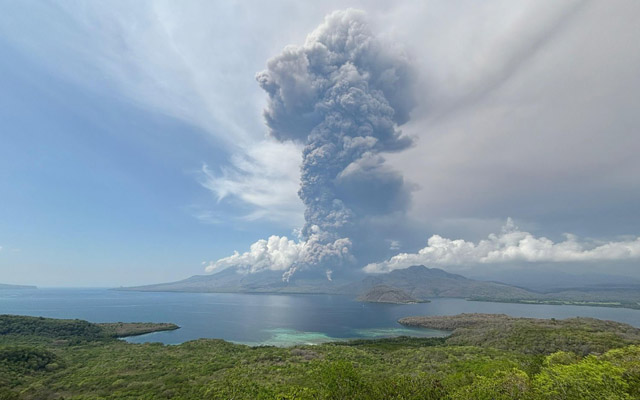
Several airports in East Nusa Tenggara, Indonesia, have temporarily closed, and dozens of flights have been cancelled following eruptions from Mount Lewotobi Laki-Laki in East Flores.
AirNav Indonesia issued an update on the affected airports, confirming that Gewayantana Larantuka Airport, Wunopito Lewoleba Airport, Tambolaka Airport, and Waingapu Airport remain operational. However, H. Hasan Aroeboesman Airport in Ende, Frans Seda Maumere Airport in Sikka, Soa Airport in Ngada, and Frans Sales Lega Airport in Ruteng are currently closed.
Authorities have widened the exclusion zone as volcanic activity from Mount Lewotobi Laki-Laki remains intense
Komodo International Airport in Labuan Bajo, which was temporarily closed, reopened on Tuesday but is not operating at full capacity. Several airlines, including AirAsia and Lion Air Group, have cancelled flights.
The highest level aviation alert remains in effect, restricting flights below seven kilometres above the volcano and advising aircraft to remain prepared for potential ash interference, according to the Volcanology and Geological Disaster Mitigation Centre and local officials.
Continuous eruptions of Mount Lewotobi Laki-Laki, which began with a small eruption on November 3, have escalated into a major eruption. According to the disaster agency, the disaster has claimed the lives of nine people, left 31 severely injured, and forced more than 12,000 residents to evacuate.
On Tuesday, Mount Lewotobi Laki-Laki released an ash column reaching up to 9,000m above the crater. As volcanic activity remains intense, authorities have widened the exclusion zone, expanding the hazardous area around the crater from seven kilometres to nine kilometres.
“While several airports are temporarily closed, authorities have mobilised ferries and other sea transport options to facilitate the movement of people and goods until air travel resumes,” explained Budi Rahardjo, head of the Ministry’s Public Communication Bureau, in an official statement.
To address the airport closures, the government has adjusted the route of the KM Egon ferry, which typically operates the Waingapu-Lembar route, to now serve Labuan Bajo-Lembar. Additional vessels, including a roll-on/roll-off ferry from Dharma Lautan, have been deployed to boost passenger capacity for evacuations. These ferries are transporting passengers from Labuan Bajo to nearby unaffected airports, such as those in Bima and Lembar, for onward travel.
More than 15 speedboats have been activated to assist in evacuating tourists and local residents, directing them to unaffected airports such as Lembar or Lombok. Additionally, a coastal patrol vessel, the KNP Chundamani, set out from Surabaya early Monday morning, with an anticipated 30-hour journey to Labuan Bajo, to further support these operations. “To alleviate the disruption, discussions are underway to increase flight frequencies at nearby unaffected airports, such as Lombok International Airport,” shared Budi.
Meanwhile, the Ministry of Tourism has swiftly activated a Tourism Information Centre through the Labuan Bajo Flores Authority Agency to assist tourists affected by the eruption.
“We also opened an evacuation post for tourists affected by the closure of Komodo International Airport,” said Hariyanto, deputy for destination and infrastructure development of the Ministry of Tourism, in a press conference.
As part of the response, the ministry is coordinating with the Indonesian Hotel and Restaurant Association to provide discounted accommodation for tourists impacted by the disruption.
“We are working closely with local governments, the Regional Disaster Management Agency, and the tourism industry to ensure the safety and well-being of visitors and the surrounding communities near the mountain,” he added.
In light of the ongoing crisis, several key events, including the International Golomori Jazz Festival, have been postponed until early 2025. The ministry continues to prioritise safety and implement effective mitigation measures, according to Hariyanto.
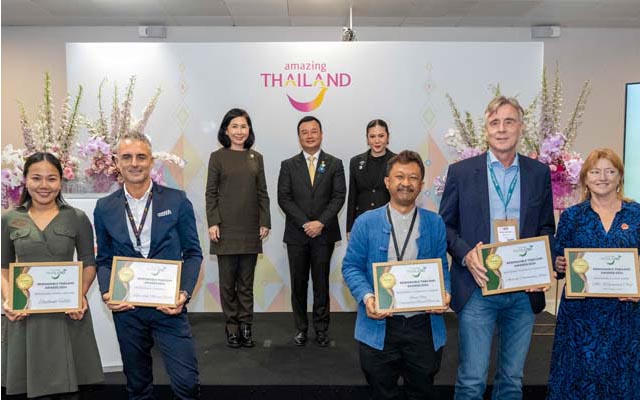
The Tourism Authority of Thailand (TAT) has honoured five outstanding Thai tourism enterprises with the Responsible Thailand Awards 2024, recognising their exceptional contributions to sustainable tourism and their alignment with TAT’s commitment to advancing responsible, inclusive tourism.
The awards, presented by Thailand’s minister of tourism and sports, Sorawong Thienthong, took place at the World Travel Market 2024.
TAT acknowledges five Thai tourism enterprises for their commitment to responsible and inclusive tourism
In its 17th consecutive year, the categories for the Responsible Thailand Awards this year were streamlined to align with TAT’s responsible tourism vision, covering five areas: Responsible Animal Welfare, Responsible Community Tourism, Responsible Conservation, Responsible Local Guide, and Responsible Tourism Accommodation.
Elephant Hills was awarded the Responsible Animal Welfare once again, previously won in 2015 and 2016 for Animal Welfare, in 2017 for Animal Welfare and Eco-Lodge / Eco-Hotel categories, and again in 2018 in the Eco-Lodge category.
Winning the Responsible Community Tourism award for the first time, Bang Rong Community-based Tourism is a community initiative in Phuket that began in 2001 to promote sustainable tourism while preserving its rich Islamic cultural heritage.
Previously recognised in 2020 in the Hotel category and in 2021 as an Eco-Lodge, Khao Lak Merlin Resort is a winner again in the Responsible Conservation category, while Wipaporn Ord from All Points East won the award for Responsible Local Guide.
Finally, Anurak Lodge is the first-time winner in the Responsible Tourism Accommodation category, which opened in 2016 at Khao Sok National Park. With its eco-friendly practices and commitment to rainforest conservation, Anurak Lodge has become a model of sustainable accommodation.
TAT governor Thapanee Kiatphaibool said: “We are delighted to continue with the Responsible Thailand Awards, celebrating Thai tourism pioneers across five categories who exemplify excellence in sustainable tourism practices. Their contributions guide our industry towards a more responsible future. We hope these awards inspire others to prioritise sustainability in tourism, underscoring its importance for both societal and environmental well-being.”
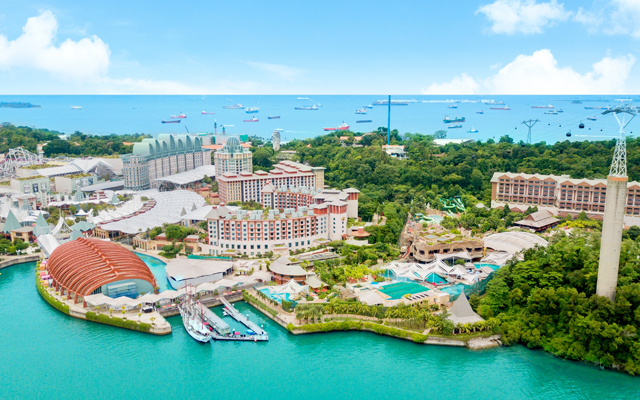
Sentosa Development Corporation (SDC) in Singapore has reached a key sustainability milestone, with 100 per cent of hotel rooms across Sentosa island to achieve internationally-recognised hotel sustainability certifications by 2025.
These certifications will span over 4,100 rooms across 19 hotels, marking significant progress towards establishing Sentosa as a globally recognised sustainable destination.
By 2025, all hotel rooms in Sentosa will achieve hotel sustainability certifications
In line with the Singapore Hotel Sustainability Roadmap target to have 60 per cent of hotel rooms certified to international sustainability standards by 2025, Sentosa has already exceeded this goal, with 82 per cent of its hotel rooms certified as of today – one year ahead of schedule. This sets a strong foundation for Sentosa to achieve the 100 per cent certification goal by 2025.
This milestone is part of Sentosa’s island-wide approach to sustainability, where SDC and its island partners have forged a collaborative ecosystem that drives the destination’s sustainability agenda.
A key initiative is the Sentosa Carbon Neutral Network (SCNN), Singapore’s first carbon neutrality-focused business alliance. Consisting of SDC and 32 Island Partners including 19 hotels, SCNN members collaborate to introduce decarbonisation projects, develop sustainable tourism capabilities and offerings and share best practices.
In May 2023, SDC implemented the Sentosa Disposables Policy in tandem with the Sentosa Playbook for Reducing Disposables which provides best practices for reducing disposables. All integrated resort, hotels and accommodations on Sentosa have complied with the policy.
As a result of the collective commitment towards decarbonisation efforts, Sentosa has reduced eight per cent of annual carbon emissions island wide despite rising visitorship, avoided 97,000 room nights’ worth of emissions annually through 5.2MWp of solar panels across 46 locations, and diverted 1,600 tonnes (46 per cent) of island waste from landfill through recycling and composting efforts.
In 2022, SDC was the first island destination in Asia to be conferred the GSTC – For Destinations (GSTC-D) certification – this certification, together with the new milestone, reflects Sentosa’s dedication to advancing as a sustainable tourism destination and reinforces its alignment with GSTC’s global standards.
Dusit Hotels and Resorts, under Dusit International, has entered into a strategic hotel management agreement with Shravanthi Hotels and Resorts to operate Devarana Sakleshpur, Karnataka – A Dusit Retreat.
Set to open in March 2028, this project marks the first Devarana – Dusit Retreat signed outside of China, and is designed to deliver meaningful and transformative stay experiences for domestic and international travellers.
Devarana Sakleshpur, Karnataka – A Dusit Retreat will offer 75 luxurious villas and suites, including 25 with private plunge pools
Devarana Sakleshpur, Karnataka – A Dusit Retreat will feature 75 villas and suites, with 25 units also offering private plunge pools. Guests will enjoy wellness facilities, including a dedicated Devarana Wellness Centre with a movement studio, gym, and herbal steam room. A wellness consultation service and personalised programmes will be available to cater to guests on different wellness paths.
Additional facilities include an expansive infinity pool, a speciality restaurant serving authentic South Indian cuisine, and an all-day dining venue offering nutritious culinary delights.
Located in the picturesque Western Ghats, a four-hour drive from Karnataka’s capital, Bangalore, Sakleshpur is known for its lush coffee, tea, and spice plantations, ancient temples, and trekking trails through the Bisle Reserve Forest, a globally recognised biodiversity hotspot.
Popular attractions near the upcoming retreat include the star-shaped Manjarabad Fort and Jenukallu Gudda peak. Mangalore International Airport is 130 km away, and Sakleshpur Railway Station is a short 20 km from the property.
“We are delighted to bring our unique brand of Thai-inspired gracious hospitality to Sakleshpur, where we see a perfect alignment between the area’s serene natural beauty and the holistic essence of Devarana – Dusit Retreats,” said Gilles Cretallaz, chief operating officer, Dusit International.
Santosh Balakrishna, executive director, Shravanthi Hotels and Resorts, added: “With Dusit’s expertise, we are confident that Devarana Sakleshpur Karnataka – A Dusit Retreat will offer an elevated stay experience that blends luxury and well-being to deliver a deep, meaningful connection with the destination, appealing to discerning travellers seeking renewal and inspiration in the serene beauty of Karnataka’s Western Ghats.”
Westin Hotels & Resorts has teamed up with Strava to offer travellers specially curated WestinWORKOUT routes across the Asia-Pacific (excluding China), helping them stay active and discover the sights of their destination while they travel.
The brand is dedicated to helping guests be their best selves while travelling, guided by its six pillars of well-being: Sleep Well, Eat Well, Move Well, Feel Well, Work Well, and Play Well. Through the Move Well pillar, Westin Hotels & Resorts encourages guests to stay active and maintain their fitness routines, regardless of where their travels take them.
Westin’s curated running routes helps travellers stay active while exploring their destination
The collaboration allows guests to access and explore WestinWORKOUT routes at their fingertips. These routes, carefully curated by the Westin Run Concierge at each hotel, provide guests with the chance to switch up their running routines or discover scenic hiking trails, all while showcasing the unique charm of the local area.
Some highlights include a 5km beach run in Bali to explore its coastal treasures from The Westin Resort Nusa Dua, Bali; a 6km route that blends history, culture, and the vibrant spirit of Pune from The Westin Pune Koregaon Park; a challenging 5km journey up the mountain in Hokkaido’s The Westin Rusutsu Resort; a 5km jog through the vibrant business and commercial district of West Surabaya in Indonesia from The Westin Surabaya; and a run, jog, or walk that starts from The Westin Singapore and takes runners through the lush greenery of Gardens by the Bay and the scenic Marina Bay and Marina Reservoir.
Furthermore, from November 29 to December 1, The Westin Singapore will be curating monthly run clinics and community runs leading up to the Standard Chartered Singapore Marathon weekend led by their Westin Run Concierge and appointed ambassadors.
Sabre Corporation and Air India has expanded their partnership with the launch of New Distribution Capability (NDC) content for India’s flagship airline.
This introduction of NDC offers through Sabre will enhance the way Sabre-connected travel agents shop, book and service Air India reservations. Sabre’s NDC capabilities will provide agencies with rich content and real-time offers from Air India, giving travellers greater transparency, choice, and flexibility.
The collaboration will enhance the way travel agents shop, book and service Air India reservations via Sabre
Sabre and Air India already have an agreement in place to distribute Air India’s traditional content, both in India and globally. With the launch of NDC offers through Sabre, Air India aims to further optimise its distribution strategy, providing travel agencies with a broader range of real-time offers. By using Sabre’s technology, the airline will be able to offer a more streamlined, efficient shopping experience that meets the dynamic needs of the modern traveller.
Nipun Aggarwal, chief commercial officer, Air India, said: “By continuing to enhance our partnership with Sabre, we’re able to advance our NDC journey to meet the evolving needs of travel agencies and passengers, providing an enhanced experience.”
“India is a key market for Sabre and for the travel industry overall as it fuels increased demand for travel. It’s important that the airline can distribute its NDC content easily to third party sellers and, in turn, that travel agencies can shop, compare, book and service multiple types of air content to provide the travellers they serve with a compelling experience,” added Kathy Morgan, senior vice president of product management, distribution experience, Sabre Travel Solutions.
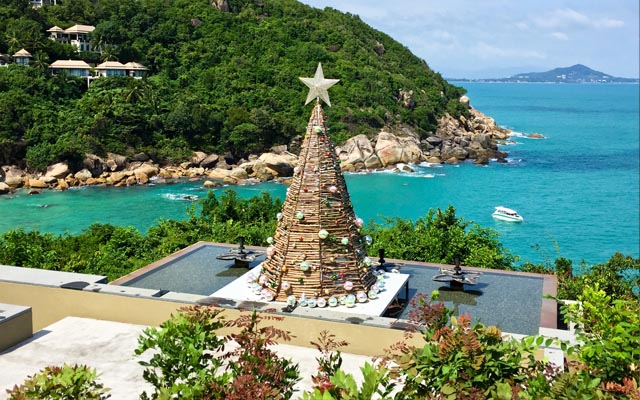
This Christmas, Banyan Tree has lined up festive celebrations at Banyan Tree Samui and Banyan Tree Krabi.
Banyan Tree Samui will offer a variety of dining options from December 24 to 26 at its three restaurants: Sands, Saffron, and The Edge. The resort will also host its New Year’s Eve A Night Under the Sea Party Night from 22.00 to 01.00, which includes a five-course gala dinner set menu, before moving the party to the beachside where a dance floor will burst into life.
Banyan Tree Samui and Banyan Tree Krabi have rolled out festive celebrations for the season
Over at Tubkaek Beach, Banyan Tree Krabi will have a Christmas Eve Gala Dinner at its The Naga Kitchen restaurant that starts at 18.30. For New Year’s Eve, a Gala Dinner and Countdown Party with live entertainment, a buffet, and selected free-flow alcoholic beverages will commence at 19.00, thereafter heading to the beach for the rest of the party. As for the little ones, they will be kept safe and occupied at the supervised kids’ corner.
Brought to you by Silversea CruisesExperience the world like never before with Silversea’s Black Friday promotion, which offers remarkable savings. Now through December 2, 2024, take advantage of incredible discounts across port-to-port fares with savings of up to $6,000 per suite and a reduced 15 per cent deposit.
Whether you dream of the Arctic’s icy wonders, the vibrant cultures of Asia, or the classic charm of the Mediterranean, Silversea’s intimate ships will transport you to destinations beyond the ordinary.
Choose from a selection of 2024 to 2026 voyages, covering over 550 carefully curated sailings. No matter your wanderlust, there is a Silversea voyage for you. As part of this limited-time promotion, customers will enjoy up to $1,500 in savings per guest on most voyages, while select voyages offer even greater value with savings reaching up to $3,000 per guest.
Highlights of these exclusive journeys include:
DA250614014: Embark on a 14-day voyage from Southampton to Copenhagen aboard Silver Dawn, departing June 14, 2025. Discover the stunning landscapes of Norway, including the picturesque town of Ålesund, the dramatic beauty of Lofoten Islands, and the enchanting city of Bergen. Enjoy scenic cruising along the North Cape, where towering cliffs meet the Arctic waters, before concluding your journey in the vibrant capital of Denmark, Copenhagen. This itinerary promises a blend of breathtaking nature and rich cultural experiences.
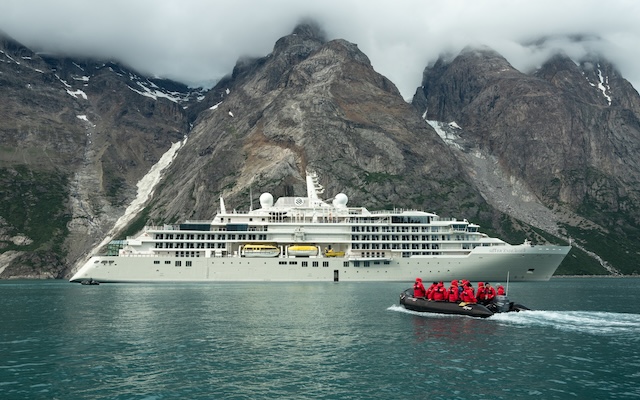
Sail to the arctic and cruise through majestic fjords
SN250423016: Set sail on an exquisite 16-day journey from Tokyo to Vancouver aboard Silver Nova. Discover Japan’s rich heritage, including ancient temples and stunning cherry blossoms, before crossing the Pacific to explore the diverse landscapes and cultures of the west coast of Canada.
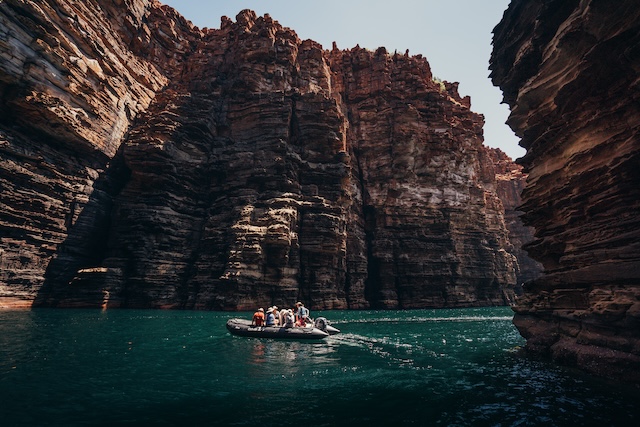
Take in the wild beauty of Australia’s rugged landscapes
E4250718016: Venture into the wild beauty of Australia’s Kimberley region on this 16-day expedition aboard Silver Cloud. From the pristine beaches of Bali to the dramatic cliffs and ancient rock art of the Kimberley, this voyage offers unparalleled access to some of nature’s most spectacular wonders.
EV250217006: Embark on a thrilling 6-day expedition to Antarctica aboard Silver Endeavour. Experience breathtaking icebergs, majestic wildlife, and pristine landscapes as you explore remote locations like King George Island, all while enjoying luxurious accommodations and expert-led excursions.
With a fleet renowned for luxury, Silversea offers a personalised and indulgent travel experience. Each all-suite accommodation provides a home away from home, designed with meticulous attention to comfort and elegance. A personal butler ensures that every detail is attended to, from unpacking your suitcase to arranging private shore excursions. Gourmet dining aboard each vessel brings you flavors from around the world, prepared by chefs using only the finest ingredients.
Silversea’s commitment to excellence extends to immersive, authentic experiences in every destination. Onshore, curated excursions bring local culture, history, and nature to life, with the option to tailor your journey for the ultimate personalized experience. Onboard, enriching activities—ranging from expert lectures to live entertainment—ensure your journey is as inspiring as the destinations themselves.
This Black Friday, embark on a voyage with Silversea that transcends traditional luxury cruising. Book now to enjoy unparalleled savings, and let us take you to the world’s most breathtaking destinations with grace, style, and ease.
Sail away in style with Silversea’s Black Friday sale! Reserve your 2024-2026 voyage between November 11 and December 2, 2024, and enjoy savings of up to $6,000 per suite. Experience the world’s most iconic destinations in unmatched luxury—secure your suite today for the journey of a lifetime.
Hosting major sporting events presents a raft of opportunities to boost tourism in a destination, bridge the gap between generations, and create a lasting legacy, shared event specialists.
Clare Akamanzi, CEO of NBA Africa, noted that music and cultural events as well as secondary and tertiary gatherings are roped in whenever a week-long basketball tournament is held in a destination.
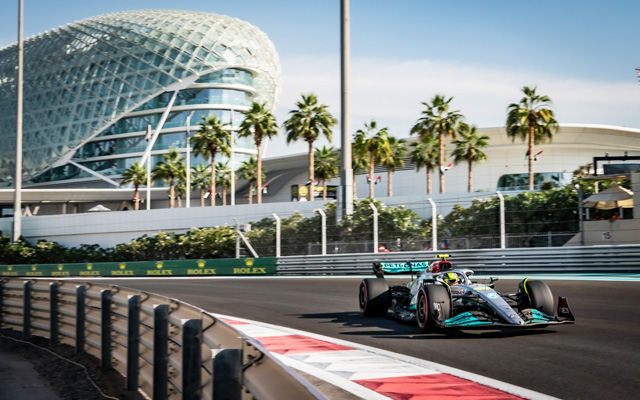
Major sporting events boost tourism, culture, and local economies through integrated experiences, such as the Grand Prix in the UAE United Arab Emirates, pictured; photo by Cristiano Barni
“NBA is the main pull, but one way to appeal to all is how you (integrate) the fashion shows, culture and food experiences around the main event. That’s how you really make it relevant,” she commented.
Michael Golding, marketing and communications executive director at Ethara, said the same extensive offerings are present during the Grand Prix season in Abu Dhabi. Across the race week are various events, including media and finance weeks.
Golding said: “We look at secondary and tertiary events and the spend they bring into the economy. These are important platforms that build off the additional investment around the Grand Prix.
“There are a lot of people coming to town, so we want to also allow them to network, do business, and have conversations they might not otherwise be able to have during the rest of the year.”
Collaboration was also flagged as key to pulling off a major sporting event, with strong relationships between the venues, destination marketing organisations, and other stakeholders essential.
“When we play in a country, we look at the entire ecosystem and different stakeholders. We don’t want to just play games, we want to leave an impact. We want to make sure we’re stimulating jobs. We’re hoping to create excitement,” Akamanzi said.
Michel Mari, business department manager, corporate and MICE, at Choose Paris Region, said building a lasting legacy is crucial when organising large-scale sports events. The majority of purpose-built stadiums and venues for the recent Olympics and Paralympics in Paris have been sold to the private sector and are being put to use as additional attractions in the French capital.
Overall, festivals and events, including those of a sporting nature, are observed to have a positive impact on destination reputation, found a study by MMGY TCI Research.







 Experience the world like never before with Silversea’s Black Friday promotion, which offers remarkable savings. Now through December 2, 2024, take advantage of incredible discounts across port-to-port fares with savings of up to $6,000 per suite and a reduced 15 per cent deposit.