TTG Asia
Asia/Singapore Thursday, 30th April 2026
Page 3

Ascott advances AI infrastructure with focus on agent-led travel

0

Ascott is investing in AI-focused infrastructure as part of a shift towards agent-led travel planning and booking. The company is working with Accenture, Amadeus and EHL Hospitality Business School to develop its digital systems, distribution model and workforce capabilities.

The move builds on existing AI applications within Ascott’s operations. Since 2023, its digital concierge Cubby has handled more than 900,000 guest enquiries, managing routine interactions and supporting bookings. The company has also applied AI across marketing, pricing, sales and customer engagement, while adapting workflows such as lead conversion and content creation.

Cubby, Ascott’s AI concierge for planning and bookings, is set to evolve into a more autonomous travel assistant under new AI systems

The collaboration with Accenture will focus on developing a digital framework to support AI-enabled travel systems. This includes integration across reservation, property management, customer relationship and loyalty platforms, alongside testing applications based on large language models and unified commerce systems. The aim is to support automated interactions as these become more common in travel planning.

Ascott is also implementing the Amadeus Central Reservations System, which allows inventory to be structured beyond fixed room types. This approach is designed to improve how accommodation options are presented and matched to user preferences, particularly in AI-driven search environments.

Alongside technology development, the company is working with EHL to train staff through its Global Brand Academy. The programme focuses on building internal capabilities to support AI adoption while maintaining service standards across its portfolio.

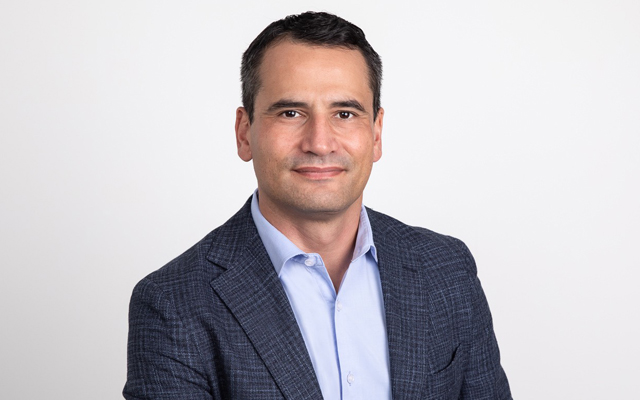
“Agentic commerce represents the biggest shift in commerce in the last 20 years. In travel specifically, we see this shift taking place across the entire end to end journey; from inspiration and planning to booking and loyalty. With Ascott, we are collaborating to build that foundation, positioning Cubby to move from travel companion to booking agent,” said Emily Weiss, senior managing director and global travel industry lead, Accenture.

Kevin Goh, CEO, Ascott, shared: “Distribution shifts, labour pressures and rising guest expectations are reshaping hospitality. While AI is already helping Ascott make meaningful strides across commercial and operational functions, the bigger opportunity lies in what comes next. Instead of waiting to see how agentic AI plays out in travel, we are building the infrastructure to shape how it does.

“AI can power our operations, but only our people can exercise the judgement that turns a stay into a memory. That balance will guide how we continue to invest and operate.”

Club Med, Central Group Capital plan resort in Koh Samui

0

Club Med and Central Group Capital have signed a hotel management agreement for a new resort in Koh Samui, Thailand, marking an expansion of the brand’s presence in the region.

The development will be part of Club Med’s Exclusive Collection and will be its first under this category in Thailand. It will also be the brand’s second property in the country, following Club Med Phuket.

Courbet said the company sees an opportunity to reshape its approach to luxury in Koh Samui, focusing on boutique scale, cultural openness and seamless experiences

Located about 25 minutes from Koh Samui Airport, the 303-room resort will be set along more than 200 metres of beachfront. The property is expected to include sports and leisure facilities, dining venues and family-oriented programmes, alongside features aligned with the brand’s all-inclusive model.

Globally, Club Med operates more than 60 resorts across 25 countries. Its Exclusive Collection segment accounts for 13 per cent of total capacity and includes 21 properties across resorts, villas and other formats.

The Koh Samui project is scheduled to open in 2H2028. It forms part of Central Group Capital’s investment strategy, following the launch of a 10 billion baht (US$300 million) fund in 2023 focused on hospitality assets.

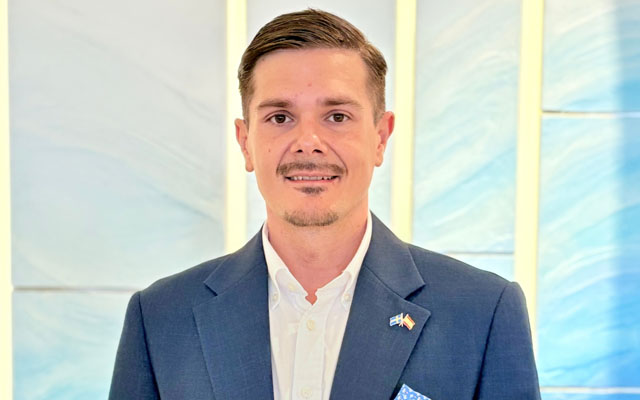
Bruno Courbet, country director for Thailand, Indonesia, India and New Markets at Club Med said: “As Koh Samui gains global attention, we see an opportunity to redefine ‘New Luxury’, combining boutique intimacy with a human-centric approach focused on freedom, cultural openness, and seamless experiences.”

“We strongly believe in Thailand’s global appeal, with Koh Samui among our top destinations,” added Soravit Chairoj, managing partner and co-head of Central Group Capital. “This redevelopment maximises its prime beachfront and natural setting.”

Western Australia promotes caravan road trips for family travel

0

With the mid-year school holidays approaching, Western Australia is positioning caravan travel as an option for families seeking a mix of outdoor activity and flexible itineraries. The state’s network of caravan parks supports coastal, forest and remote travel routes suited to short and extended stays.

Coastal routes north and south of Perth provide access to beaches, marine wildlife and national parks. Stops along the Turquoise Coast include locations near limestone formations and seasonal wildflower areas, while longer drives towards Esperance offer access to beaches and coastal wildlife. Further north, remote coastal sites between Port Hedland and Broome provide access to bird habitats, turtle nesting areas and long stretches of coastline, supported by basic facilities for extended stays.

Families travel across Western Australia by caravan, with stops at coastal parks, forest sites and national park campgrounds; photo by Tourism Western Australia

In the south-west, inland routes focus on forest and farm-based experiences. Caravan parks in timber regions offer access to walking trails, freshwater swimming areas and seasonal produce such as truffles. Farm stays near Margaret River combine accommodation with on-site activities, while coastal resorts in Busselton provide larger-scale facilities including pools, playgrounds and beach access.

For travellers seeking lower-impact stays, eco-camping options are available within national parks. These sites offer basic infrastructure and access to natural features such as coastal lakes and forest reserves, with activities including walking, wildlife observation and stargazing.

The caravan format allows families to combine multiple stops across regions, with travel times ranging from short drives near Perth to longer routes across the state.

Facilities vary by location, from full-service parks to off-grid campgrounds.

For more information, visit Tourism Western Australia.

The RuMa launches Kuala Lumpur stay package

0

The RuMa Hotel and Residences has introduced The Kuala Lumpur Escape, a stay package aimed at travellers from South-east Asia. Located in Kuala Lumpur’s city centre, the property combines accommodation, dining and wellness within a single programme.

The package includes daily breakfast for two at Atas, along with spa and dining credits. Guests receive 100 ringgit (US$21) in spa credit and 200 ringgit in dining credit at Santai per stay. Additional inclusions cover a room upgrade subject to availability, welcome amenities and selected beverages.

Guests stay at The RuMa Hotel and Residences with dining, spa and city-based experiences included in the package

Dining forms part of the experience, with options ranging from Malaysian and regional dishes at Atas to lighter fare and drinks at Santai. Afternoon tea and cocktail programmes are also available at the property’s bar venues. Guests can join guided walking tours to explore Kuala Lumpur’s cultural and architectural sites.

Wellness is integrated through treatments at UR Spa, including a signature therapy combining elements from Malaysian, Chinese and Indian traditions. The package is positioned as a short urban stay with a mix of relaxation and local experiences.

The offer is available to residents of South-east Asia, with proof of residency required at booking and check-in. Cancellation is permitted up to three days before arrival, subject to conditions.

The property is located near Kuala Lumpur’s main retail and commercial districts, with access to shopping and transport hubs.

For more information, visit The RuMa Hotel and Residences.

Thailand partners Dida to boost travel confidence in China

0

The Tourism Authority of Thailand (TAT) has signed a Letter of Intent with B2B travel technology group Dida to promote the Trusted Thailand initiative in the Chinese market.

Signed at Dusit Thani Bangkok, the agreement aims to rebuild travel confidence while driving demand towards emerging destinations across the kingdom.

The agreement signed at Dusit Thani Bangkok aims to rebuild travel confidence and drive demand to emerging destinations across Thailand; photo by Dida Holdings

To execute the campaign, Dida will leverage its B2B distribution network across platforms including Xiaohongshu and WeChat to capture traveller inspiration early in the digital discovery phase. Darryl Lee, group CEO of Dida Holdings, announced an immediate financial injection to fund content development alongside experience-led product creation.

Trusted Thailand is not just the right message; it is the right commercial strategy. We’re committing a minimum of 2.5 million yuan (US$367,000) over the next 90 days, starting immediately, into this programme,” said Lee.

The investment directly addresses shifting sentiment among Chinese tourists, where external news cycles have heavily influenced outbound booking momentum. Lee emphasised that managing destination perception is critical when dealing with travellers seeking certainty prior to departure.

“When incidents make the news in China, travellers do not stop traveling, but their evaluation process changes. They ask if a destination is safe, and whether they can trust what they see online,” Lee emphasised.

He noted that addressing these hesitations directly is a business imperative for the Thai hospitality sector to secure bookings.

To reinforce the Trusted Thailand campaign, TAT is backing its marketing messaging with concrete operational infrastructure designed to reassure hesitant Chinese travellers, such as a dedicated tourist police presence alongside a 24-hour multilingual hotline and real-time support systems integrated directly into the travel journey.

Dida’s role involves communicating this safety infrastructure to the Chinese market before tourists finalise their booking decisions. Lee pointed out that publicising TAT’s support systems provides a distinct competitive advantage over rival destinations.

“This is infrastructure that many destinations talk about, but Thailand has actually built it. In today’s environment, feeling confident about a destination prior to arrival is just as important as the on-the-ground experience,” he concluded.

Marina Bay Sands expands scholarship programme to support hospitality talent

0

Marina Bay Sands (MBS) and parent company Las Vegas Sands have committed more than S$2 million (US$1.5 million) to support hospitality education and workforce development in Singapore.

The funding will support a second run of the Sands Hospitality Scholarship programme from 2026 to 2029, following an earlier US$1 million initiative launched in 2022. The new programme is expected to support more than 160 Singaporean students pursuing hospitality or tourism studies.

The scholarship programme aims to support students and workforce development in Singapore

An agreement has been signed with seven Institutes of Higher Learning, including the Institute of Technical Education, Nanyang Polytechnic, Ngee Ann Polytechnic, Republic Polytechnic, Singapore Polytechnic, Temasek Polytechnic and the Singapore Institute of Technology.

The programme will be complemented by participation in the Singapore Industry Scholarship, supporting 10 undergraduates over the next three years. A separate initiative with TomoWork’s Talent Uplift Programme will provide scholarships for 15 undergraduates with disabilities or those requiring tailored support.

MBS has also provided a S$75,000 contribution to support the initiative, which focuses on improving access to education and career opportunities. The company currently employs 93 persons with disabilities across various roles.

The event included discussions on workplace inclusion and career development within the hospitality sector.

The scholarship programme builds on earlier efforts, which have supported more than 100 students since 2022 through financial assistance and industry exposure.

MBS COO Paul Town shared that the company continues to invest in developing talent for the hospitality sector and is working with education and industry partners to support workforce needs as the business grows.

Shona Ann Lowe, executive director of Casino Training and Game Development at MBS, said: “Every individual can succeed when given the right opportunity and support. Inclusion goes beyond access. It means unlocking opportunities for people to thrive and contribute meaningfully.”

Train of Glamour joins EHL Alliance as first Chinese member

0

Train of Glamour is now part of EHL Alliance, becoming the first corporate member from China under the network.

The partnership is intended to support the development of luxury rail travel, with a focus on service standards, training and cross-industry collaboration. Under the agreement, the brand will work with EHL on initiatives including the development of rail service standards, talent exchange programmes and culinary concepts.

The partnership aims to focus on service standards, talent development and luxury rail experiences

Train of Glamour operates the Silk Road Express, a tourist train designed for low-density travel with 80 guests across 38 cabins. The train runs along routes linked to the historic Silk Road, including sites recognised by UNESCO. Its design includes a hand-painted exterior developed with Tsinghua University and interiors by HBA, which received the 2024 OPAL London Outstanding Property Award (Platinum).

The collaboration will also include efforts to balance international service standards with local cultural elements, alongside participation in industry events and partnerships.

John Fang, CEO of Fosun Infrastructure Group, said: “Together with EHL, we aim to set new benchmarks for China’s luxury train travel lifestyle, guided by authentic Eastern narratives and international hospitality excellence. The Silk Road Express is a moving cultural space where travellers can experience the depth of Eastern aesthetics alongside world-class service.”

Garrya Mù Cang Chải launches highland retreat and helicopter access

0

Garrya Mù Cang Chải has introduced a retreat concept in northern Vietnam centred on landscape, culture and well-being. Located in a region shaped by Hmong communities for more than 400 years, the property offers experiences based on local traditions and daily life.

In April, the destination enters the water pouring season, when terraced rice fields are filled and reflect the surrounding mountains. This period is considered a key time to visit, ahead of the harvest season.

Guests explore terraced rice fields and local villages at Garrya Mù Cang Chải during the water pouring season

To improve access, the resort has introduced a helicopter transfer from Hanoi. The 60-75-minute journey accommodates up to eight guests per flight on selected dates, providing direct access to the highlands and views of northern Vietnam’s terrain.

Guest experiences include guided trekking routes through rice terraces and villages, with options suited to different levels. Cultural activities include weaving workshops and food preparation sessions focused on local dishes. Evening programmes include small group gatherings and storytelling.

The approach focuses on slower travel, with activities developed in collaboration with local communities. According to the resort, this allows guests to engage with the region’s cultural context through direct participation.

The destination is recognised for its terraced rice fields, which form part of Vietnam’s agricultural landscape and heritage.

For more information, visit Garrya Mù Cang Chải.

InterContinental Danang expands nature-led guest experiences

0

InterContinental Danang Sun Peninsula Resort has introduced a series of new activities focused on the natural environment of the Son Tra Peninsula in central Vietnam. The area is home to a population of red-shanked douc langurs, alongside a wide range of plant and animal species.

The programme includes four guided experiences developed with the resort’s resident naturalist. These add to the existing Nature Expedition, which focuses on conservation and wildlife observation.

Guests explore rainforest trails and coastal habitats at InterContinental Danang as part of new nature-led activities

A one-kilometre Ecowalk introduces guests to local flora and fauna within the resort grounds. The guided walk runs five days a week and is included for in-house guests.

A separate jungle hike leads to an 800-year-old banyan tree located within the peninsula. The four-hour guided experience covers forest ecosystems and wildlife along the route. This activity is operated by a local partner and is available for a fee.

The Son Tra Wildlife Expedition is a half-day tour to the summit of the peninsula, with a focus on biodiversity and habitat education. The experience includes opportunities to observe wildlife and views across Danang.

For younger guests, the Planet Trekkers programme offers beach and garden activities. These include planting herbs, learning about pollinators and observing marine life along the shoreline. The sessions also include basic conservation activities and are available for children aged four to 12.

The resort has also introduced a tree-planting programme in partnership with local authorities, alongside its existing sustainability initiatives.

For more information, visit InterContinental Danang Sun Peninsula Resort.

Ascott powers up South-east Asian expansion, Vietnam deemed exciting for development

0

Ascott’s recent shift in development strategy, which sees it diversifying its presence from only gateway cities to secondary cities as well as residential, industrial and resort locations, has allowed the hospitality company to boast a landmark year of signings across South-east Asia last year.

Ascott added more than 7,300 units across the region, and recorded a 55 per cent increase over the 4,700 units signed in 2024. The growth momentum not only marked Ascott’s strongest signing performance in South-east Asia to date, it also led Horwath HTL to place Ascott among the top three hospitality companies in South-east Asia in 2025.

From left: Ascott’s Tan Bee Leng, Serena Lim, Kevin Goh and Wong Kar Ling discuss their organisation’s expansion across South-east Asia

More than 25 new properties across property types and brands are expected to open within the next 12 months, joining Ascott’s portfolio of more than 200 operational properties in South-east Asia.

Regional expansion will also bring Ascott into 20 new cities, such as Nha Trang in Vietnam; Phuket in Thailand; Labuan Bajo in Indonesia; Davao in the Philippines; and Langkawi in Malaysia.

Addressing the media on the sidelines of the Ascott Global Conference, held last week at the brand new Ascott Tay Ho Hanoi’s International Convention Center, Kevin Goh, CEO of Ascott and lodging, Capitaland Investment, said the company has brought “different typologies” into the region over the last three to five years as a result of the change in development approach.

“We used to be only in city locations, but have since brought our brands to resorts, residential areas, industrial parks, and different primary and secondary cities,” said Goh.

Ascott’s leadership said the strong South-east Asia expansion is made possible by the region’s structurally resilient tourism fundamentals, strong post-pandemic intra-region travel demand, rising visitor spending and improving regional connectivity.

South-east Asia’s highly fragmented hospitality market also fuels development opportunity, as hotel supply is dominated by independent and unbranded properties. Ascott noted that about 30 per cent of pipeline in the region is delivered through conversions and brownfield projects.

In response to TTG Asia’s question about conversions opportunities across South-east Asia, Serena Lim, chief growth officer, Ascott, said the number of conversion signings at Ascott has risen year-on-year, encouraged by the ideal location of existing hotels, speed and ease in bringing a property to market, the need to mitigate rising cost of construction, and urgency among real estate owners wanting to reposition their assets in emerging markets.

Lim added that Ascott has an advantage due to its forty-year expertise in its Asian “home base”, “different conversion capabilities”, and brands that are familiar to Asian owners.

Goh said 60 per cent of the hotel inventory stock in South-east Asia are unrepresented by one of the major brands, which meant ample room for conversion here.

Wong Kar Ling, chief strategy officer and managing director, Southeast Asia, Ascott, underscored South-east Asia’s role as both a core growth engine and a showcase for Ascott’s multi-typology brand strategy.

Wong expressed excitement over Ascott’s resort openings in South-east Asia, “which will meaningfully expand our leisure offerings and open up new destinations for Ascott Star Rewards members to explore and enjoy their rewards”.

Indeed, resort properties represent one of the most significant areas of growth for Ascott. New properties are expected across Vietnam, Indonesia, the Philippines, Malaysia and Thailand. Resort openings this year include Lasong Hotel & Villas Sam Son by The Unlimited Collection on Vietnam’s northern coast, Harris Resort Cam Ranh in Vietnam, and 1926 Heritage Hotel Penang by The Unlimited Collection in Malaysia.

Vietnam has also emerged as a development darling for Ascott, with five new properties set to launch between this year and 2028.

Lim described Vietnam as a market that does well across Ascott’s brand portfolio while the country’s extended coastline creates attractive opportunities for resort development. Goh, meanwhile, observed that the China Plus One strategy, which focuses on diversifying supply chains from China to enhance trade resilience, has lifted corporate arrivals to the country.

Escalating international corporate traffic on the back of heightened global investments has prompted Ascott to work with owners to develop properties across that are equipped for meetings and events.

The new Ascott Tay Ho Hanoi takes the limelight in this approach – it boasts the International Convention Center, which packs in 13 meeting venues including what is said to be Hanoi’s largest pillarless ballroom for more than 2,000 guests. The hotel, part of a nine-tower mixed-use development, will open progressively now through 2027.