Singapore travellers are showing a hearty appetite for quality European holidays, with bookings made with Railbookers Group showing a preference for itineraries running through Switzerland, Italy and the Alps, along with the Berlin to Prague to Vienna to Budapest corridor.
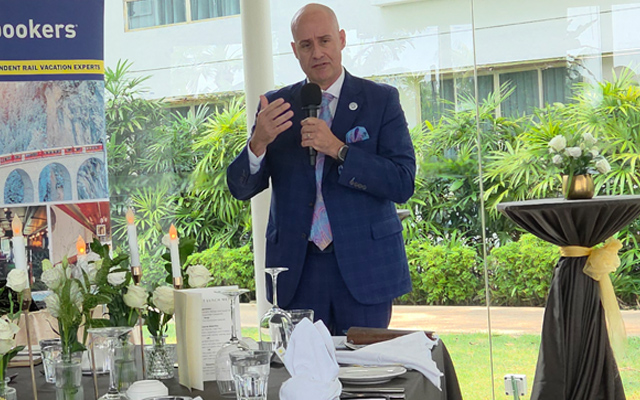
Frank Marini, president and CEO of Railbookers Group, shared that bookings out of Singapore are for an average of 2.7 passengers per booking – higher than the regional average of 2.2 passengers per booking.
Railbookers Group’s Frank Marini outlines plans to build travel trade awareness of rail products and support for agent partners; photo by Karen Yue
Travellers from Singapore are also spending an average of 8.3 nights on a rail holiday.
While most travellers from Singapore seek rail holidays in Europe, Nick Lim, vice president for Asia said such trips could be the big trip of the year. Rail holidays within Asia have the potential to fill up the rest of the calendar.
As such, Railbookers Group is building up its product offers for Asia. Marini pointed to new brochures that highlight journeys around Vietnam and Japan, and shared that new ones for Sri Lanka, China and South Korea will soon be launched.
“Soon, we will also announce partnerships with river cruise companies here in Asia to produce seamless itineraries that combine river and rail,” said Marini.
Marini acknowledged that rail holidays are still a novel concept in Asia, but one that is “having a moment today”.
To give the travel trade greater exposure to the range of rail products available worldwide and the logistical support Railbookers Group can provide agent partners, Marini said a series of fam trips for trade partners and the media will be offered in 2027.
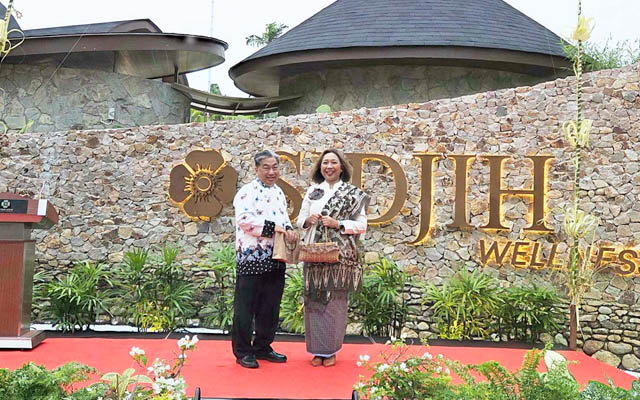
Sidjih Wellness Village at Batam View Beach Resort marked its grand opening on September 19 with traditional celebratory rituals in the presence of tourism industry leaders, including Ni Made Ayu Marthini, deputy for marketing, Ministry of Tourism and Creative Economy, Indonesia.
Guests, including business partners and journalists, were invited to tour the new-build facility that rises on the grounds of Batam View Beach Resort. Sidjih Wellness Village has seven treatment rooms, including two with jacuzzis and specialised suites – all set amid landscaped gardens.
Sidjih Wellness Village opens at Batam View Beach Resort, offering wellness treatments, retreats and activities in a garden setting; photo by Karen Yue
Marthini said in her speech that the new Sidjih Wellness Village could extend the average length of stay for Batam, as visitors to the Indonesian island could enjoy a week-long health-focused retreat.
Batam’s stronger wellness tourism push could also enable Indonesia’s travel trade to curate multi-destination itineraries, where Batam could be paired with city draws in Jakarta and cultural discoveries in Bali, Marthini stated as example.
General manager Anddy Fong told TTG Asia that Sidjih Wellness Village offers packages of four to five days that comprise healthy meals, traditional herbal remedies, and a wide range of treatments including sound healing, yoga, and massage. The packages will also present opportunities for guests to explore the rest of Batam though day tours and shopping.
Fong believes that the wellness facility will also appeal to corporate meetings and events that frequent his resort, especially as it is increasingly common to include time for mental and physical healing as part of the business agenda.
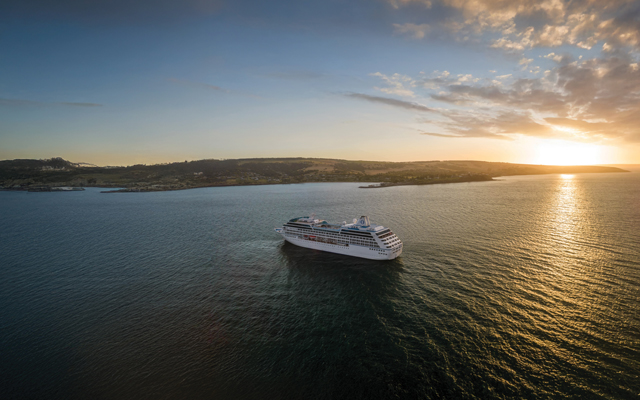
Oceania Cruises has opened for sale 12 segments of Oceania Aurelia’s inaugural 180-day Around the World voyage in 2028.
The segments range from 10 to 19 days, offering shorter options from the full itinerary, which departs Miami in January 2028 and visits destinations across six continents.
Oceania Aurelia will sail 12 segments ranging from 10 to 19 days as part of its 180-day Around the World voyage in 2028; photo by Oceania Cruises
Among the itineraries is a 17-day voyage from Miami to Los Angeles, departing January 19, 2028, with calls in Colombia, Costa Rica, Guatemala, Nicaragua and Mexico, as well as a transit of the Panama Canal.
A 19-day Papeete-Sydney sailing departs February 23 and visits Bora Bora, Pago Pago, Vava’u, Lautoka, Port Vila and Noumea. In Asia, a 14-day Bali-Taipei itinerary departing March 27 calls at Jakarta, Singapore, Puerto Princesa, Coron, Manila, Salomague and Hualien.
Other options include a 12-day Taipei-Tokyo sailing from April 10, visiting South Korea and Japan; a 12-day Hong Kong-Bangkok voyage from May 2, with calls in Vietnam, Cambodia and Thailand; and a 14-day Istanbul-Barcelona itinerary departing June 20, with ports in Greece, Italy, France and Spain.
The full Around the World voyage includes overnight stays in Papeete, Bora Bora, Sydney, Bali, Tokyo, Bangkok and Mumbai. Shore excursions will be available throughout the journey, with close to 100 UNESCO World Heritage sites accessible across the itinerary.
Tourism stakeholders in West Nusa Tenggara (NTB) are developing quality, sustainable and wellness-focused experiences across Lombok and Sumbawa to stimulate demand – a strategy they hope will ultimately encourage international airlines to establish direct routes.
While fast boats connect Bali with Lombok and the offshore islands of Gili Trawangan, Gili Air and Gili Meno, collectively known as the three Gilis in North Lombok, direct air access to the province remains a key bottleneck.
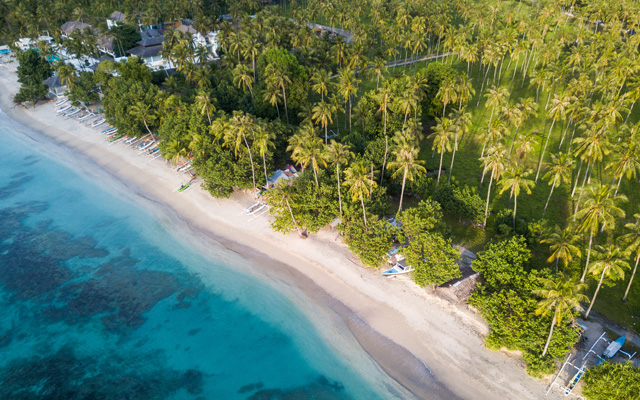
Senggigi is among West Nusa Tenggara’s key tourism hubs for further development; Senggigi Beach, pictured
To build long-term destination appeal, local authorities and private operators are focusing on quality and sustainable tourism.
Ahmad Nur Aulia, head of the NTB Regional Tourism Office, outlined three priorities driving this strategy: enhancing the visitor experience, fostering community inclusivity, and ensuring social, environmental and cultural sustainability.
To achieve this, he said the government we have focusing development efforts on key hubs including the Gilis, Senggigi, provincial capital Mataram, Mandalika, and Sembalun, the base for Mount Rinjani.
The opening of the Mandalika Circuit in the island’s special economic zone has raised international awareness, prompting investment in upscale boutique properties over the past decade.
Sahlan Saleh, chairman of the NTB Regional Tourism Promotion Board, noted that approximately 30 to 50 premium properties now operate in Lombok.
“We want to push all hotel properties and restaurants to consistently adopt environmental and sustainable tourism concepts,” Sahlan emphasised. “We continue to advocate for this because sustainability in tourism is a growing global issue, and we are applying it here to ensure our environment remains preserved.”
Private operators are contributing to this shift.
At Selong Selo Resort & Villas, environmental management includes zero-waste systems, eco-gardens and reforestation projects in partnership with World Relief Australia. The resort also supports local Sasak communities through mobile health clinics, educational programmes and its Weave for Change initiative, which provides income to local artisans.
Similarly, Innit Lombok in Ekas Bay operates an on-site greenhouse, zero-waste recycling, shoreline clean-ups and a mangrove restoration project aiming to plant 100 seedlings.
Mount Rinjani, one of Lombok’s best-known natural landmarks
“Our approach to sustainability is rooted in the belief that meaningful impact comes from consistency and collaboration,” said Matthew Angga, resort manager and executive chef at Innit Lombok.
“By working closely with the local community and engaging our guests in these initiatives, we hope to contribute to preserving the beauty and balance of Ekas Bay.”
Alongside sustainability, holistic wellness is another growth driver.
Qunci Villas in Senggigi recently introduced Ruqyah Healing, a restorative ritual rooted in local Muslim traditions designed to help guests restore emotional equilibrium.
General manager Vittorio Negri views this as part of a broader vision to position the resort as a wellness retreat through integrated mindfulness, nutrition and spa programmes.
“I believe this transformation reflects the direction in which Lombok tourism is moving,” Negri noted.
“The island has an extraordinary opportunity to establish itself as a destination where luxury is defined not only by beautiful accommodation but by well-being, authenticity, sustainability, and meaningful experiences.”
Demand for wellness travel across Lombok is growing, according to Nurul Hayani, assistant director of sales at Royal Avila Boutique Resort.
“Last year, we hosted a group from Australia that booked about 10 to 12 rooms on a single-occupancy basis for a 10-day stay. For those 10 days, their routine consisted entirely of yoga, meditation, and healing activities.
“We have another group from Australia this November – 12 rooms for a week-long stay,” Nurul said.
Qunci Villas incorporates local traditions into its wellness programmes
The property recently received an enquiry from Croatia for a 21-day, 20-room programme. Although the booking fell through due to budget constraints, Nurul noted that it reflected growing international interest in long-stay retreat packages on the island.
Island-hopping traffic remains strong. North Lombok handles up to 37 fast boat arrivals daily from more than 30 operators linking Bali with Lombok and the nearby Gilis.
Denda Dewi Tresni Budi Astuti, head of the North Lombok Tourism Office, observed that each island has developed its own market identity.
“Gili Trawangan centres on nightlife for younger travellers, with stays averaging three to four nights. Gili Air appeals to families seeking peace, where guests often stay for weeks. Gili Meno caters to honeymooners and older travellers looking for quiet. Gili Meno is a primary diving spot. The market segmentation has naturally divided itself,” she said.
Meanwhile, regional authorities are working to close the development gap between Lombok and nearby Sumbawa.
Driven by surfing eco-lodges and the Samota Circuit – which hosted the MXGP motorcycling championship in 2022 and 2023 – Sumbawa is seeing new private villas, guesthouses and homestays.
Key attractions include swimming with whale sharks in Saleh Bay, which is home to a resident population of 80 to 100 sharks, as well as Mata Jitu Waterfall on Moyo Island and Mount Tambora.
Ultimately, NTB tourism leaders hope this portfolio of experiences will help to resolve the region’s air connectivity challenge. While Lombok currently receives regional flights from Singapore via Scoot and Kuala Lumpur via Lion Air, Batik Air and AirAsia, expanding direct longhaul connectivity remains a priority.
Sahlan emphasised that Lombok’s most urgent priority is to establish direct Middle Eastern routes to capture European longhaul traffic.
“Another major push is securing direct flights from China – specifically Shenzhen, Guangzhou, and Beijing – given the high passenger potential,” he noted.
Outbound cruise travel demand from the Middle East is shifting towards smaller-ship experiences, with expeditions, river cruises, and luxury sailing emerging as key draws, according to industry stakeholders.
Cruise specialists are reporting significant increases in bookings this year driven by growing interest in experiential travel and itineraries that offer access to destinations and ports beyond the reach of larger cruise ships.
Expedition cruises to remote parts of the world are attracting stronger interest among Middle Eastern travellers
“The demand for small-ship luxury cruising has doubled this year compared to last year, and when we combine this with expedition and river cruising, the growth has tripled,” Lakshmi Durai, CEO, CruiseXplore told TTG Asia.
The demand trend aligns with strong long-term growth in the small-ship segment. According to Oxford Economics, the small-ships market has grown by 91 per cent over the past decade.
Durai said demand is coming from across the Middle East, with Gulf Cooperation Council member countries emerging as important source markets.
“We have a lot of bookings coming from the UAE, a combination of Emiratis and expats. Clients want more experiences and to see new ports. With small ships they can visit ports that the bigger ships can’t access,” she added.
The growing appetite for niche cruise experiences is also reflected in expedition cruising, particularly voyages to remote parts of the world.
Polar Latitudes Expeditions, which operates small-ship expeditions to the Antarctica and the Arctic, is witnessing growing interest from Middle Eastern markets.
“Saudi Arabia, Kuwait and Qatar have more appetite for such tours. The average size of groups is 12 to 15 pax. Presently, the demand is for shorter itineraries of 10 to 12 days for the Antarctica and seven to eight days for the Arctic. However, in the future we expect travellers from the region to book longer voyages as they develop a taste for such cruising,” said Craig Upshall, director of sales, Polar Latitudes Expeditions.
Recognising the specific requirements of travellers from the region, Polar Latitudes Expeditions organised Muslim-friendly voyages to the Antarctica in January this year.
“The demand for Christmas markets in Europe on river cruises is also seeing an uptake in among Middle Eastern markets,” added Durai.
Major transportation operators in Japan – East Japan Railway Company (JR East), Central Japan Railway Company, West Japan Railway Company, Shikoku Railway Company, and Japan Airlines Co. – are leading a new initiative that will make it easier for international travellers to discover three of Japan’s ancient pilgrimage regions through experiences centred on nature, reflection, and well-being.
The initiative supports travel into Yamagata’s Dewa Sanzan, the three sacred mountains that symbolise rebirth; Kii Peninsula’s Kumano Kodo, a UNESCO World Heritage Site pilgrimage; and the Shikoku Henro, a circular pilgrimage connecting 88 temples. It will utilise a combination of rail, air, and local transportation.
JR East, JR Central, JR West, JR Shikoku and JAL join forces to connect three of Japan’s great pilgrimage regions through rail, air and local experiences
Rather than landmark-hopping, the five companies are encouraging travellers to explore these regions through walking, nature, spirituality, cultural exchange, and reflection. The programme aims to broaden the appeal of regional Japan to international visitors, directing more travellers beyond the country’s major cities and into smaller communities.
The initiative is focused on the journey rather than a single destination.
In the Dewa Sanzan region, for example, JR East will also use its Joyful Train services, specially designed trains that make the journey itself part of the travel experience, to connect international visitors with Yamagata’s landscapes, culture, and regional attractions.
Major transportation operators in Japan – East Japan Railway Company (JR East), Central Japan Railway Company, West Japan Railway Company, Shikoku Railway Company, and Japan Airlines Co. – are leading a new initiative that will make it easier for international travellers to discover three of Japan’s ancient pilgrimage regions through experiences centred on nature, reflection, and well-being.
The initiative supports travel into Yamagata’s Dewa Sanzan, the three sacred mountains that symbolise rebirth; Kii Peninsula’s Kumano Kodo, a UNESCO World Heritage Site pilgrimage; and the Shikoku Henro, a circular pilgrimage connecting 88 temples. It will utilise a combination of rail, air, and local transportation.
JR East, JR Central, JR West, JR Shikoku and JAL join forces to connect three of Japan’s great pilgrimage regions through rail, air and local experiences
Rather than landmark-hopping, the five companies are encouraging travellers to explore these regions through walking, nature, spirituality, cultural exchange, and reflection. The programme aims to broaden the appeal of regional Japan to international visitors, directing more travellers beyond the country’s major cities and into smaller communities.
The initiative is focused on the journey rather than a single destination.
In the Dewa Sanzan region, for example, JR East will also use its Joyful Train services, specially designed trains that make the journey itself part of the travel experience, to connect international visitors with Yamagata’s landscapes, culture, and regional attractions.
Trading Construction Works Organization has signed Minor Hotels into a management agreement for the new-build Avani+ Hanoi, a 310-key hotel in the Vietnamese capital city’s Bach Mai Ward.
Scheduled to open in 2028, the hotel forms part of a mixed-use precinct anchored by Hinode City, a new lifestyle mall, alongside 1,099 residential and serviced apartments. Located at the intersection of Minh Khai and Kim Nguu Street, the development benefits from a vibrant neighbourhood and convenient transportation links with the city’s Old Quarter a 10-minute drive away.
The 310-key Avani+ Hanoi is Minor Hotels’ first property in the Vietnamese capital
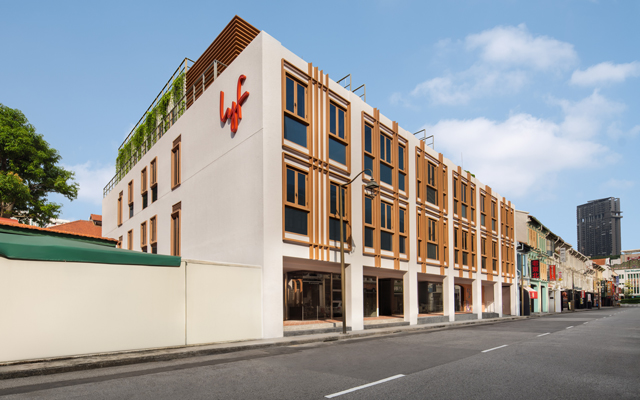
Avani+ Hanoi marks a continuation of Minor Hotels’ growth in Vietnam, where the group operates four properties under its Anantara and Avani brands – Anantara Hoi An Resort, Anantara Mui Ne Resort, Anantara Quy Nhon Villas and Avani Quy Nhon Resort – along with luxury train carriages, The Vietage by Anantara.
The signing is Minor Hotels’ first property in Hanoi.
Avani+ Hanoi is positioned as a premium lifestyle hotel, with facilities including an indoor swimming pool and deck, a fitness centre, all-day dining and specialty restaurants along with meeting and function spaces.
Collinson Group’s 500 million pound (US$669.7 million), five-year investment programme, which is now accelerated by a new 350 million pound financing facility, will result in an expansion of its proprietary lounge network and investment in the Priority Pass airport experiences programme.
Priority Pass will see the development of digital, AI and data capabilities, and efforts to broaden its range of travel services for clients and travellers.
Collinson Group’s massive investment programme will facilitate extensive enhancements of Priority Pass capabilities and services
The investment builds on significant enhancements already underway across Priority Pass. These include a new enterprise-level technology platform leveraging modern data and AI architecture, alongside the global rollout of the new Priority Pass+ app. These enhancements are designed to create a more connected digital ecosystem for clients, partners and members, while enabling greater personalisation over time.
Collinson takes a long-term approach to growth, continually reinvesting in its businesses, clients and their customers, and partners. This has enabled Priority Pass to continue expanding its global network and developing new solutions and services, while growing ahead of the wider travel market.
An extensive part of Collinson Group’s investment programme will be focused on expanding its global airport lounge footprint, through Airport Dimensions, sister company to Priority Pass. This additional lounge capacity within the group will help to protect and enhance the experience available to Priority Pass members as global air passenger traffic is expected to almost double to nearly 19 billion journeys a year by 2045. Priority Pass recently surpassed 1,900 airport lounges and travel experiences worldwide, with its global network expanding by 6.7% over the past 12 months.
Christopher Evans, CEO of Collinson International, owners of Priority Pass, said: “Travel plays an increasingly important role in people’s lives. While operating costs across the travel industry continue to rise, so too do traveller expectations, with people seeking journeys that are more seamless, connected and personalised. That makes investment in the customer experience more important than ever before.
“This investment reflects a principle that has remained core to our business for more than 35 years: that investing in better travel experiences creates genuine value for our partners, our clients and travellers alike. Recent shifts in what technology can enable means we need to increase our investment levels to realise the value new technology can bring through Priority Pass, further allowing our clients to offer differentiated and personalised experiences to their customers.”
Soon to come enhancements in Priority Pass will include intuitive travel planning that leverages AI, past behaviours and real-time geo-location where enabled to proactively suggest suitable lounges and travel experiences for members’ journeys, along with easier activation, saved card functionality, biometric authentication, and email or mobile one-time verification.
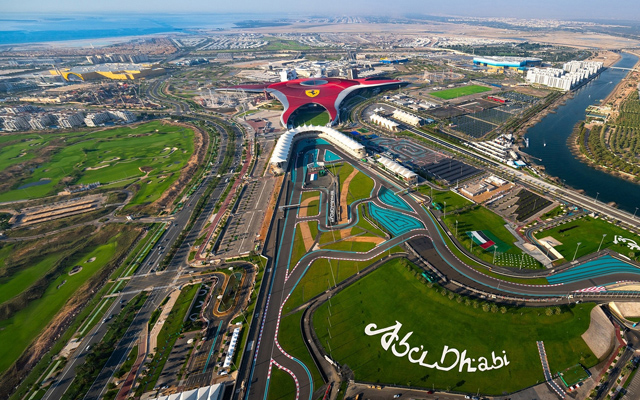
Miral, which is behind destination experiences across Abu Dhabi, is investing more than 12 billion dirham (US$) across Yas Island over the next five years to enhance and expand leisure attractions and entertainment that will support Abu Dhabi’s Tourism Strategy 2030.
This next-phase development reflects a clear focus on expanding Yas Island’s existing theme parks and attractions, as well as introducing new immersive rides and experiences. The investment will also grow the island’s hospitality offering, adding new hotel rooms and elevating its accommodation portfolio.
Miral’s next phase of development for Yas Island will expand existing theme parks and attractions, introduce new immersive rides and experiences, and grow hotel offerings
Mohamed Khalifa Al Mubarak, chairman of Miral, said: “This investment reflects our commitment to Abu Dhabi’s long-term vision and our ambition to continue shaping one of the world’s most dynamic tourism destinations. Yas Island has become a global success story, demonstrating how world class experiences contribute to economic growth, enhance quality of life, and strengthen Abu Dhabi’s appeal to audiences from around the world.
“Over the next five years, this investment will build on that momentum, introducing new experiences and expanding our hospitality and leisure offering to meet our evolving visitor expectations. As Abu Dhabi continues to strengthen its position as a global centre for tourism and entertainment, we remain focused on creating lasting value for residents, visitors and future generations, while contributing to the emirate’s sustainable growth and diversification ambitions.”
The 12 billion dirham investment is separate from the previously announced Disney project.