Qantas flies direct to Manila
Qantas customers can now fly from Brisbane to the Philippines with the airline’s non-stop flights to Manila.
The service will operate four times per week using Qantas’ Airbus A330 aircraft, and adds to the airline’s existing daily services from Sydney to Manila.
The new flight will also improve connectivity for passengers travelling to the Philippines from New Zealand, with easy connections in both directions from Auckland and Christchurch to Manila via Brisbane.

Emirates returns to Adelaide with daily service
Emirates has relaunched its daily service between Adelaide and Dubai, flying a Boeing 777-200LR between both cities.
The Boeing 777-200LR aircraft offers 302 seats across two cabins, with 38 Business Class seats set in a 2-2-2 configuration, alongside 264 seats in Economy Class.
Emirates now operates 70 weekly services from Sydney, Melbourne, Brisbane, Perth, and Adelaide connecting passengers with over 140 destinations.
On December 1, Emirates will reinstate its second daily service to Perth, offering 77 weekly flights from Australia.
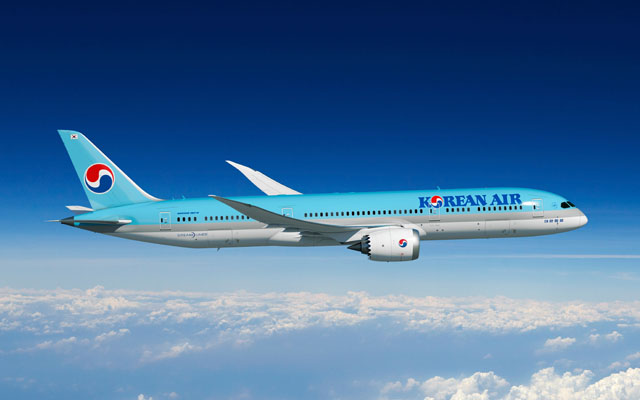
Korean Air adds fourth daily flight to and from Manila
Korean Air will add a fourth daily scheduled service between Seoul Incheon and Manila on November 24, enhancing connectivity between the region and North America through its Seoul Incheon hub.
The new service will be operated by Korean Air’s A321neo aircraft, featuring eight lie-flat business class seats and 174 economy class seats.
As Korean Air’s primary transit corridor between South-east Asia and North America, the Manila route plays a pivotal role in the airline’s global network. The new late-night service is strategically scheduled to align with morning departures to North America, enhancing connectivity options for passengers.

Vietjet, Emirates expand international connectivity
Vietjet and Emirates have joined forces to enhance connectivity and provide greater travel options between key cities in Vietnam, Dubai, the UAE, and beyond.
The agreement will enhance Emirates’ connectivity to popular destinations in Vietjet’s domestic and regional network via Hanoi, Ho Chi Minh City, and Danang, while offering Vietjet customers increased access to Emirates’ global network via its Dubai hub.
Both airlines will also explore new opportunities for technology development and the digital evolution of the aviation industry.













 Mulcahy joins The Lux Collective from RCI – part of Travel + Leisure Co. – where he served as managing director North America.