Legoland Malaysia Resort turns 12 this year, and has rolled out a series of activities and events for families.
Highlights include the final build of its 7.5m-long Lego dragon on September 16 with an ancient drum performance and the winning name chosen by guests; diving into a world of dreams at the Lego Dreamzzz Adventure 4D Movie; building castles and swords at the Kingdom Warrior Challenge; meeting the royal characters of Lego Kingdoms: WizardBricky and Elvie, and more.
Legoland Malaysia has lined up an array of events and activities to celebrate its 12th anniversary
In the lead-up to the 12th anniversary, guests can also take part in a special Lego Cake Decorating Activity, where they will build and add their own decorations to the Lego cake. For Annual Pass holders, anniversary deals comprise discounts on hotel stays, day tickets, Lego adult playsets, and F&B, as well as complimentary ice cream, slice of cake for birthday kids, and kids’ meals. Terms and conditions apply.
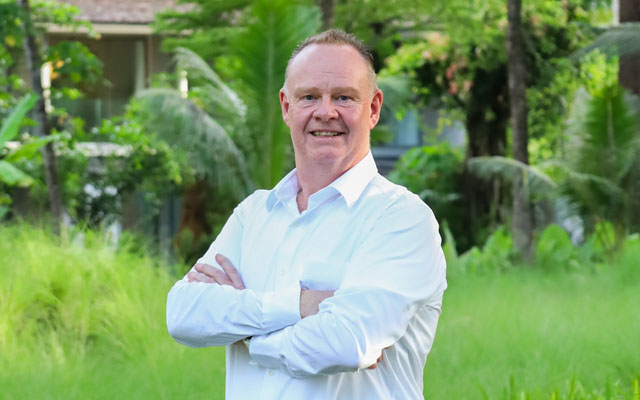
Minor Hotels has appointed Simon Beaumont as the new general manager of Avani+ Khao Lak Resort. In his new role, Beaumont will oversee operations at the resort leveraging his extensive experience and strategic vision to elevate guest experiences and drive business growth.
During his 35 years in the hospitality industry, Beaumont has held various F&B and senior leadership positions across his native Australia, the Middle East, Asia and Europe.
Most recently, he served as interim chief executive officer at Azerbaijan’s Absheron Hotel Group, where he oversaw 14 internationally branded properties, spearheading strategic growth and operational excellence.
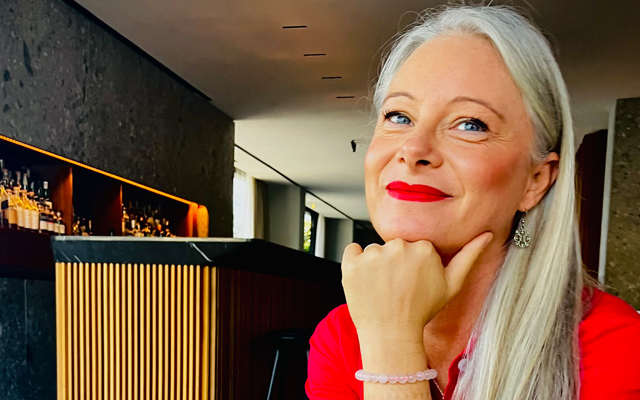
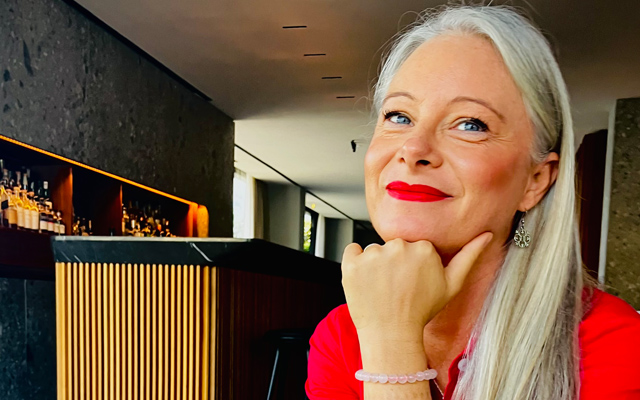
Lisa Gerosa has been named general manager at Jati resort on Koh Russey Island, Cambodia, due to open in 1Q2025.
She has worked in European hotels including the Sheraton Belgravia in London and The Westin in Venice. She recently spent 10 years in the Maldives as general manager with Atmosphere Core properties, giving her the experience in managing logistics and teams living on private islands.
Asia-Pacific is the most youthful region in the world, with Gen Z people (born between 1996 and 2012) and the millennials (born between 1980 and 1995) each making up a quarter of the population.
These population segments are one to watch, as their spending habits will impact businesses – including that of travel and tourism companies – around the world. Studies on these travellers by various organisations have identified unique characteristics that could drive meaningful tourism development.
The art of kintsugi is appealing to young travellers looking to experience uniquely Japanese activities
Global management consulting firm Kearney’s recent report on the Asia-Pacific travel retail industry found that millennial and Gen Z travellers value experiences over material possessions or purchases.
“For many of them, travel is seen as a gateway to unlock a multitude of experiences. As such, they are likely to spend more on travel than the older population, making them an attractive target segment for businesses to curate unique travel experiences that meet their evolving expectations,” shared Siddharth Pathak, senior partner, head of consumer industries and retail for Asia-Pacific at Kearney.
Pathak shared that these travellers are also looking for wide and varied travel experiences. To be able to successfully tap this market, businesses need to hone a greater understanding of what these experiences entail and execute accordingly.
He also pointed out that young travellers are more budget conscious, necessitating pricing adjustments to eliminate unsustainable price points.
Rhydian James, chief commercial officer at Discova, agreed that young travellers are value-driven rather than price-driven.
He shared: “They are willing to spend more if they perceive value, differentiation, and personalisation in their package. As young millennials enter their 30s and 40s, they will generally have more disposable income and young families. They seek opportunities to teach and learn, not just to see. When travelling with families, they often prefer private experiences tailored to their circumstances.”
James described Gen Z travellers as being digitally connected, experience-driven, and adventurous.
Banyan Group’s senior vice president, head of regional operations and group specialist services and deputy managing director of hospitality management, Philip Lim, echoed these observations. Banyan Group’s long-held strategy of incorporating local culture into the guest experience has earned it a place in the hearts of millennials and Gen Z travellers.
Citing examples of such experiences, Lim said: “At Garrya Nijo Castle Kyoto and Dhawa Yura Kyoto (both in Japan), our guests can participate in kintsugi (art of mending pottery with lacquer and powdered gold, silver, or platinum) workshops and zen meditation sessions with local monks. These experiences not only enrich their stay, but also foster a deep connection with the destination, aligning perfectly with the experiential priorities of these travellers.”
The group is also leveraging artificial intelligence to tailor marketing and personalise travel experiences for its millennial and Gen Z guests.
The hunger for unique experiences has led to growing attention on off-the-beaten-path destinations.
Booking.com listed Jozankei in Japan, Ella in Sri Lanka, and Mui Né in Vietnam as trending destinations for 2024.
Its managing director APAC, Laura Houldsworth, said: “Promoting lesser-known destinations not only fulfills the wanderlust of these travellers but also supports millennials and Gen Zers’ sustainable travel ambitions by diverting attention away from over-touristed areas.”
However, promoting off-the-beaten-path destinations comes with challenges. Houldsworth explained that one of the main obstacles is the perception that such destinations lack the necessary infrastructure and amenities that travellers expect.
“First-time travellers may feel apprehensive about visiting lesser-known places. Additionally, raising awareness about the unique attractions and experiences these destinations offer requires targeted marketing efforts and partnerships with local tourism boards.”
Bearing in mind that the influential generation is generally environmentally conscious, Hyatt is bringing more attention to its properties’ sustainable efforts.
Carina Chorengel, senior vice president – commercial, Asia-Pacific at Hyatt, shared: “We are increasingly creating opportunities to directly engage guests and involve them in this sustainable journey. For example, Hyatt Regency Phuket Resort is home to a Marine Biological Center that educates guests about marine life at the resort’s house reef, elevating the guest experience beyond traditional recreation offerings.”
The Robertson House has appointed Kris Wong as its new general manager, where she is set to enhance the hotel’s offerings by creating unique, personalised experiences that connect guests with Singapore’s culture and history.
With a career spanning over 20 years in the hospitality industry, she brings a wealth of experience and a commitment to excellence to her new role.
Prior to her tenure at The Robertson House, Wong held key leadership positions at renowned hotels across Singapore and Malaysia.
The Eve Hotel Sydney welcomed Ben Mellor as general manager ahead of the boutique luxury hotel’s summer debut in Sydney’s new Wunderlich Lane precinct.
With more than two decades of experience in luxury hospitality, he brings a wealth of leadership and expertise to his new role. He has held senior management positions at Sydney’s top five-star hotels, including Sofitel Sydney Wentworth, Fairmont Resort Blue Mountains and, most recently, as general manager of InterContinental Sydney Double Bay.
Kempinski Hotels has named Massimo Brancaleoni as its chief commercial officer with effect from November 1.
Having worked in destinations such as Paris, Genoa, Hong Kong, Madrid, Miami and Monaco, he brings over 25 years of commercial experience to his new role.
Prior to joining Kempinski Hotels, he served as the senior vice president sales and revenues at Silversea Cruises.
Bali’s proposed moratorium to temporarily halt the construction of new hotels and villas in the Sarbagita region will ultimately improve Bali’s spatial planning for the long term, and will come with policies guiding hotel development and tourism management that are in accordance with cultural values and sustainability.
Sandiaga Uno, Indonesia’s tourism and creative economy minister, said: “We are concerned that many tourism accommodation facilities, such as newly-built hotels and villas, are not making adequate considerations for the environment and long-term sustainability.”
Property development in the Sarbagita region may temporarily halt as the government analyses which areas require attention; Kelan beach in Badung Regency, pictured (Photo: Dini Pebriani)
He shared that the government would thoroughly analyse Bali’s southern region, specifically Sarbagita, to identify areas that need attention.
“Not all of South Bali is the same; maybe Badung is different from Tabanan. We will formulate (the policy) later,” Sandiaga added.
Speaking at the recent International Quality Tourism Conference, Luhut Binsar Pandjaitan, coordinating minister for maritime affairs and investment, highlighted the large number of agricultural lands in Bali that have been converted into villas and hotels.
He said the new policies would ensure better control over the conversion of agricultural land for commercial use, and mandate greater sustainability focus in tourism development.
He said the moratorium could cover a period of to 10 years.
I Gusti Ngurah Rai Suryawijaya, vice chairman of the Indonesia Hotel & Restaurant Association Bali Chapter, said the moratorium must be supported by other integrated and sustainable policies for effectiveness. Implementation must come with clear regulations related to spatial planning and land use.
“The key to the success of the moratorium is strict law enforcement and regulations. Severe sanctions need to be imposed on parties that violate the rules. The government must also commit to implementing the principles of sustainable tourism. Otherwise, the moratorium will only delay the damage, instead of solving the existing problems,” emphasised Rai.
Eduard Rudolf Pangkerego, COO, Artotel Group, agrees, adding that community involvement in monitoring and reporting violations of the new rules would be crucial, as would good coordination between the central government, local governments, and other related agencies.
Eduard said details and implementation should not come at the last minute, as doing so would impact the business climate in Bali.
“Bali could follow the example of Yogyakarta, which successfully re-planned its tourism (development) through a moratorium,” he concluded.
The Sharjah Commerce & Tourism Development Authority (SCTDA) is ramping up efforts to attract high-end travellers from India by promoting a range of ‘niche’ properties that offer authentic, immersive and diverse experiences in the emirate.
As part of its efforts, SCTDA organised a series of roadshows in New Delhi, Mumbai, and Chennai from September 5 to 9 to create awareness about these unique properties among travel trade partners.
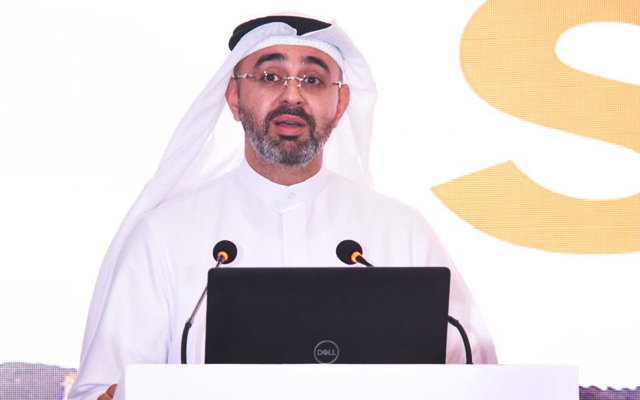
Khalid Jasim Al Midfa addressing participants at the roadshow in New Delhi
Some of these properties include The Chedi Al Bait, Sharjah – a GHM hotel, Al Faya Retreat by Sharjah Collection and Kingfisher Retreat by Sharjah Collection.
“Brands like Sheraton, Pullman and DoubleTree by Hilton have already established a presence in Sharjah. We now have a strong portfolio of niche properties that offer unique experiences to visitors which we want to promote in India,” said Khalid Jasim Al Midfa, chairman of SCTDA, during a media briefing at the New Delhi roadshow. He further announced that two additional luxury properties, Lux*Al Jabal and Lux* Al-Bridi, are expected to become operational in the near future.
Giving an example of the experiential nature of these products, Midfa said Al Faya Retreat located in the heart of the desert has an inventory of five rooms and guests can engage in activities like dune bashing or stargazing. The retreat is ideally positioned to explore the Mleiha region, a UNESCO World Heritage Site.
The emirate has also been improving infrastructure, such as in the east coast where some of these properties like Kingfisher Retreat are located.
“Earlier, it used to take about two hours to reach the east coast from Sharjah city. However, this time has been reduced to about 50 minutes because of infrastructure developments like roads and tunnels,” said Al Midfa.
Sharjah welcomed 165,000 hotel guests from India last year and is expecting a 10 per cent growth in the numbers by the end of the current fiscal year.
Agora Hospitalities Co. and Dorsett Hospitality International are introducing a new brand, Dorsett by Agora, and will launch the first property in Osaka, Japan.
Scheduled to open in Spring 2025, Dorsett by Agora Osaka Sakai will offer 321 rooms and suites, with facilities such as a restaurant, seaside terrace, lobby lounge, and conference rooms.
Dorsett by Agora Osaka Sakai will open in 2025
Located just a 10-minute train ride from the heart of Osaka’s Minami district, Namba, the hotel is surrounded by Osaka’s only World Heritage site, the Mozu-Furuichi Kofun Group, as well as areas rich in the history and culture of Sakai. Within Sakai City, visitors can explore traditional townscapes from the Edo period, historic commercial districts, and ancient shrines, offering a close encounter with Japan’s deep history and culture.
The hotel also provides access to Osaka City, with popular areas like Minami and Kita easily reachable. A five-minute walk from Sakai Station on the Nankai Main Line, guests can also get to Kansai Airport in just about 37 minutes by train.




 She has worked in European hotels including the Sheraton Belgravia in London and The Westin in Venice. She recently spent 10 years in the Maldives as general manager with Atmosphere Core properties, giving her the experience in managing logistics and teams living on private islands.

 Prior to her tenure at The Robertson House, Wong held key leadership positions at renowned hotels across Singapore and Malaysia.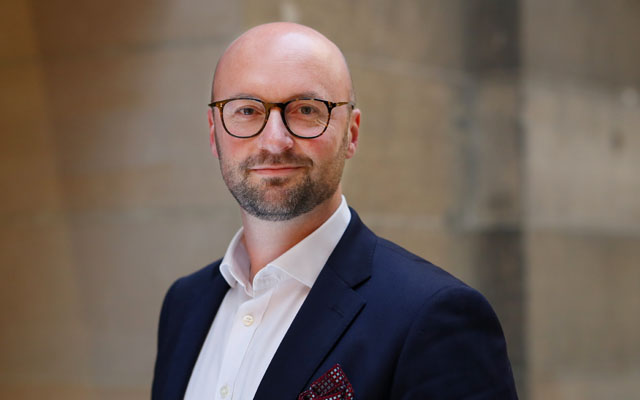
 With more than two decades of experience in luxury hospitality, he brings a wealth of leadership and expertise to his new role. He has held senior management positions at Sydney’s top five-star hotels, including Sofitel Sydney Wentworth, Fairmont Resort Blue Mountains and, most recently, as general manager of InterContinental Sydney Double Bay.
 Prior to joining Kempinski Hotels, he served as the senior vice president sales and revenues at Silversea Cruises.




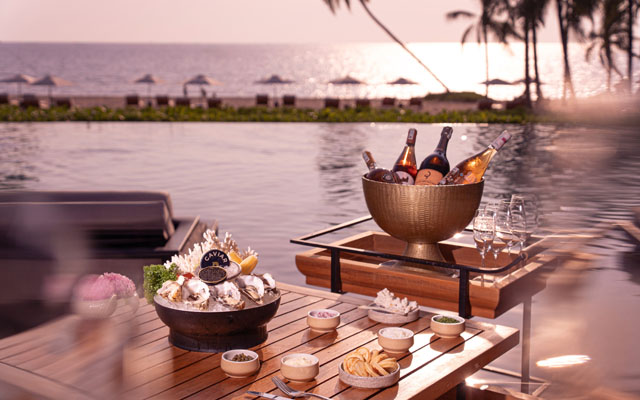






Minor Hotels has appointed Simon Beaumont as the new general manager of Avani+ Khao Lak Resort. In his new role, Beaumont will oversee operations at the resort leveraging his extensive experience and strategic vision to elevate guest experiences and drive business growth.
Most recently, he served as interim chief executive officer at Azerbaijan’s Absheron Hotel Group, where he oversaw 14 internationally branded properties, spearheading strategic growth and operational excellence.