TTG Asia
Asia/Singapore Wednesday, 21st January 2026
Page 274

Aloft Singapore Novena brings people together through music

0

The Aloft hotel brand’s emphasis on innovative music programming through its Live @ Aloft platform is conveyed through its Singapore property in multiple ways – including a meaningful platform that supports local musicians and bands.

Every Friday, from 19.00 to 22.00, Aloft Singapore Novena’s W XYZ lobby bar sets the limelight on a featured local band and invites hotel guests and everyone else to come in for an entertaining evening.

Enjoy great music at Aloft Singapore Novena’s W XYZ lobby bar

Since its opening in September 2023, when the massive twin-tower hotel was rebranded from Ramada by Wyndham Singapore at Zhongshan Park and Days Hotel by Wyndham Singapore at Zhongshan Park, Aloft Singapore Novena has showcased over 20 local musicians and bands, surpassing 100 hours of live performances through its Live @ Aloft programme.

An in-house music committee handpicks local musicians and bands, with priority given to versatile ones who can perform a variety of music genres and songs across languages, according to Macy Cheng, director of marketing and Live @ Aloft programme evangelist.

From now until July, acoustic live band AGOPSG (also known as A Group of People) performs at W XYZ. The local band is popular with weddings, corporate events, and private functions.

The hotel will feature a new set every quarter.

Besides Friday evening showcases, guests at the hotel can also enjoy a unique playlist curated just for the Aloft brand, with tunes playing in public areas. The hotel’s Yue restaurant, which specialises in traditional Chinese cuisine and fresh seafood, presents a menu comprising dishes bearing names inspired by popular karaoke songs.

Aligned with its focus on music, the hotel recently celebrated the inaugural World Music Day on June 21 with a private event at W XYZ. It featured a music-pairing menu of innovative dishes from Yue and cocktails by W XYZ’s mixologists – with AGOPSG crooning songs that inspired the dishes as each item was brought out.

For more information, visit Aloft Singapore Novena.

Malaysia extends visa exemption for Chinese travellers

0

Hwajing Travel brings Costa Serena back to Port Klang for December sailings

0

Nirwana Gardens invests in coral reef rejuvenation

0

Ascott enters long-term partnership to set new standards for accessible accommodation

0

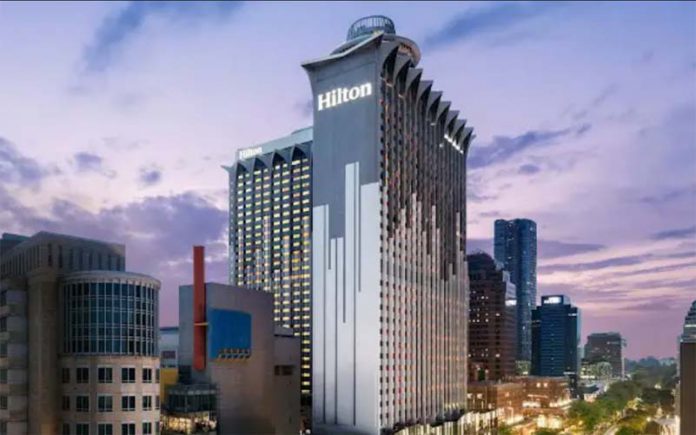
Hilton bags fresh lot of hotel signings for South-east Asia

0

Aviation roundup: Finnair, Korean Air and more

0

Positive attention

0

What spurred changes to the Muslim travel market over the decades?
CrescentRating was launched in 2008 to play a crucial role in formalising the Muslim travel market. Prior to that, there was increasing awareness but limited formal recognition.

CrescentRating not only introduced a dedicated rating system to assess the Muslim-friendliness of travel services and destinations, it also provided valuable insights to this segment. These efforts helped bridge the gap between Muslim travellers and the broader tourism industry, encouraging both service providers and destinations to consider the specific needs of Muslim tourists.

Then came the inaugural World Islamic Tourism Conference & Expo 2008 in Kuala Lumpur. It was one of the earliest dedicated conferences on Halal tourism.

The introduction of the Mastercard-CrescentRating Global Muslim Travel Index in 2015 was another milestone. This benchmarking tool significantly raised awareness and understanding of the Muslim travel market, enabling stakeholders to assess their performance and identify opportunities for enhancement and investment. It spurred a shift in perspective, with numerous destinations recognising the importance of Muslim travellers and incorporating their requirements into strategic planning and development efforts.

How is CrescentRating addressing sustainability and ethical travel concerns within the context of halal tourism?
CrescentRating has a comprehensive approach to promote responsible travel among Muslim travellers. Efforts are encapsulated in the Responsible, Immersive, Digital and Assured (RIDA) Framework, which is designed to ensure that the services offered to Muslim travellers comply with faith traditions and promote sustainability and responsible tourism practices.

How do you see the halal tourism sector evolving in the next 50 years?
I foresee exponential growth, driven by the global Muslim population’s burning desire to explore the world in alignment with their faith.

What challenges lie in the way?
The primary challenge confronting the halal tourism industry over the coming decades is the pervasive misunderstanding of what it entails, compounded by a negative media narrative surrounding Muslims and the rising tide of Islamophobia in certain regions. This complex issue affects not just the perception of halal tourism, but also the broader context within which Muslim travellers navigate.

Misunderstandings often stem from a lack of knowledge about the principles guiding Muslim-friendly travel. Misconceptions can lead to the belief that halal tourism segregates Muslim travellers from others. The challenge is further exacerbated by negative media portrayals of Muslims, which can foster stereotypes and prejudice. Such narratives can influence both the reception of Muslim travellers in various destinations and the willingness of non-Muslim majority countries to embrace halal tourism as part of their tourism offerings.

What are the opportunities?
Advances in technology offer the chance to enhance the halal travel experience through digital platforms, apps for locating halal services, and virtual reality tours of Islamic heritage sites. Blockchain can also be used for secure, transparent transactions and certifications.

Furthermore, the halal tourism sector has the opportunity to lead sustainable tourism practices. By incorporating eco-friendly and ethical travel options, it can appeal to a broader audience beyond Muslim travellers, including those interested in responsible travel.

Halal tourism can act as a bridge for cultural exchange, fostering understanding and respect between Muslims and non-Muslims. Promoting immersive experiences that celebrate Islamic culture and heritage while encouraging interaction with local communities can enhance global interconnectedness. There’s a vast opportunity for innovation in creating unique, immersive, and faith-based experiences. This includes developing halal-friendly leisure activities, themed travel packages, and educational tours that cater to the diverse interests of Muslim travellers.

Orchard Hotel Singapore introduces AI-powered guest communications system

0

Tourism Australia grooms more destination specialists in Hong Kong

0