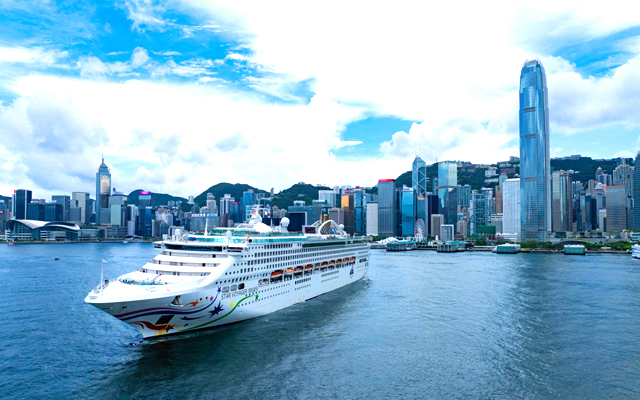
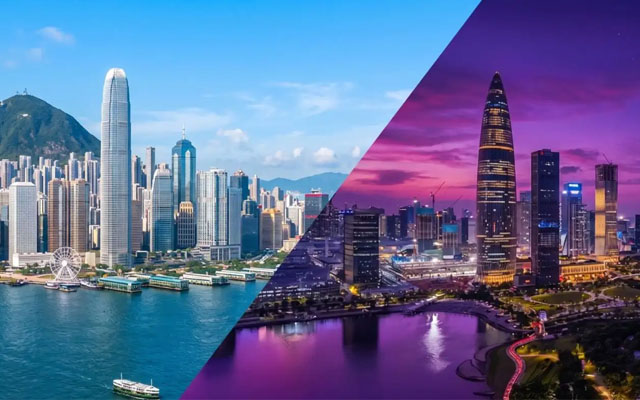
StarCruises will deploy Star Voyager in Hong Kong from September 30 to November 13, 2026, offering a series of two-, three- and five-night cruises to destinations across Asia during the autumn travel season, including Golden Week.
Sailing roundtrip from Ocean Terminal, the programme features itineraries to Xiamen, Sanya, Kaohsiung, Penghu and Okinawa, with calls at Miyakojima, Ishigaki and Naha. Travellers can also opt for two-night High Seas cruises departing every Friday at 20.00 and returning on Sunday, offering a short getaway without the need for flights.
Star Voyager will sail from Hong Kong between September 30 and November 13, 2026, offering autumn cruises across Asia
The season concludes with a five-night one-way repositioning cruise departing Hong Kong on November 15, calling at Nha Trang and Ho Chi Minh City before arriving in Singapore.
To mark the autumn season, bookings made by August 31, 2026, are eligible for savings of up to 30 per cent, with a third guest sailing free on selected departures under the Autumn Sales Promotion.
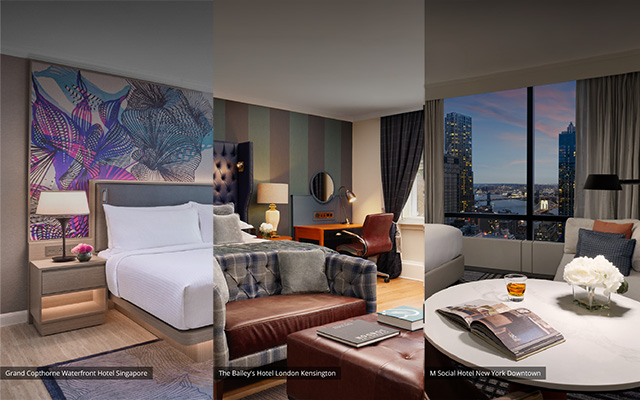
Millennium Hotels and Resorts (MHR) has launched a new Double Your Stay. Double Your Rewards campaign, offering MyMillennium members bonus loyalty points when they book direct and stay longer at participating hotels.
Members who book through the MHR website will receive 15,000 bonus MyPoints for stays of two consecutive nights and 30,000 bonus MyPoints for stays of four consecutive nights or more.
MyMillennium members can earn up to 30,000 bonus MyPoints by booking direct and extending their stay at participating Millennium Hotels and Resorts
The campaign applies across participating MHR properties worldwide, including destinations such as New York, London, Paris and Singapore. MyPoints can be redeemed for complimentary stays, room upgrades, dining discounts and other member benefits.
The promotion will run across two booking windows. Reservations made between August 13 and 18, 2026, are valid for stays until March 31, 2027, while bookings made from November 23 to December 3, 2026, apply to stays until June 30, 2027.
Bonus MyPoints are valid for three months from the transaction date. Members can earn rewards on up to two qualifying stays per calendar month, with one member per room reservation eligible for bonus points.
MyMillennium membership is complimentary and available through the MHR website.
Longevity offerings are the latest addition to Japan’s health and wellness tourism, a market expected to grow from US$37.5 billion in 2025 to US$71.2 billion by 2034, according to market researchers Imarc Group.
Companies are launching or expanding products and services, encouraged by increasingly health-conscious travellers and greater promotion of the country as a destination that promotes well-being.
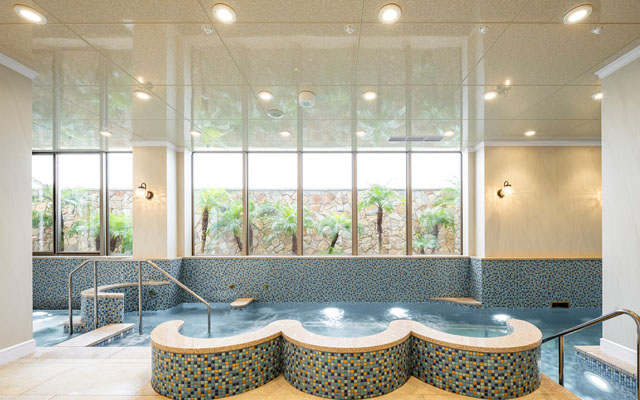
Japan is expanding its wellness tourism offering with a growing focus on longevity experiences, such as thalassotherapy, pictured
The Pasona Natureverse retreat, opened on Awaji Island, Hyogo Prefecture in June, offers a holistic regimen of nutrition, exercise and sleep, as well as personalised wellness programmes comprising thalassotherapy, yoga and zen meditation. The facility also boasts sensor-equipped beds, wellness facilitators and a medical support programme and on-site clinic developed in collaboration with Kobe University Hospital.
“As worldwide interest in health and well-being continues to grow, we expect increasing demand for such holistic wellness experiences,” a Pasona Group representative told TTG Asia. “The Pasona represents a new and uniquely Japanese approach to wellness, and a landmark for Awaji Island’s transformation into a haven of health and renewal.”
In Okinawa, a Blue Zone known for the exceptionally long lifespans of its residents, luxury resort Halekulani Okinawa will expand its longevity retreat in October to include curated, immersive experiences.
According to the property, the week-long package is designed to “help guests better understand how everyday environments and routines can support long-term well-being”.
Meanwhile, new market entrants include Saishunkan Pharmaceutical, which began a tourism division in April to bring its traditional Japanese medicine to travellers through partnerships with tour companies and hotels, including Hoshino Resorts.
“In the era of the 100-year life, what matters is not merely longevity, but the extension of healthy life expectancy,” said a Saishunkan spokesperson of the company’s move into tourism, adding that its aim is to create “new experiences that harmonise mind and body”.
Agoda and the Taiwan Tourism Administration (TTA) have launched a destination marketing campaign to promote Taiwan to travellers in Singapore, Hong Kong, Japan and South Korea.
Running from July to December 2026, the campaign will use Agoda’s platform to target prospective travellers during the trip planning and booking process, with the aim of increasing awareness and consideration of Taiwan as a travel destination.
The new campaign aims to raise awareness of Taiwan’s diverse tourism experiences among travellers in key Asian source markets; Sun Moon Lake in Taiwan, pictured
The campaign will highlight Taiwan’s regions, festivals and hospitality offerings while supporting the destination’s tourism marketing objectives.
According to the partners, the initiative will also encourage more responsible tourism practices by helping travellers make informed decisions when planning their trips.
“This partnership with Agoda supports our mission to showcase Taiwan’s diverse regions, local festivals, and quality hospitality offerings to international travellers. Through this campaign, we hope more travellers will discover Taiwan and be inspired to visit and experience the beauty of Taiwan,” said Paul Shih, Singapore office director, Taiwan Tourism Administration.
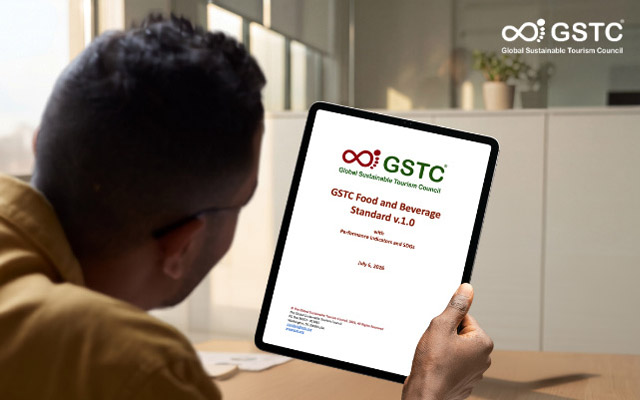
The Global Sustainable Tourism Council (GSTC) has published a new Food and Beverage Standard, providing tourism businesses with a global framework to improve sustainability across food and beverage operations.
The standard is the sixth in GSTC’s suite of sustainability standards, joining those for hotels, tour operators, destinations, MICE and attractions. It is intended to help food and beverage service providers adopt more sustainable practices in areas such as resource use, waste management, local sourcing, supply chains, cultural heritage and community well-being.
The GSTC has published a new Food and Beverage Standard to guide sustainable practices across tourism-related dining and hospitality operations
The GSTC Standards are used globally as a reference for sustainability in travel and tourism, supporting education, policy development, performance measurement and certification. They are structured around four pillars: sustainable management, socioeconomic impacts, cultural impacts and environmental impacts.
The new standard is designed to provide a common reference for businesses seeking to strengthen sustainability management, improve operational practices and support more consistent application of sustainability principles across tourism-related food and beverage services.
Development of the standard took 24 months, from June 2024 to June 2026, and included public consultations, a feasibility assessment and input from an advisory group representing public and private sector organisations. The Türkiye Tourism Promotion and Development Agency was a key contributor to the project.
GSTC said the standard also supports the United Nations Sustainable Development Goals by providing practical guidance for organisations seeking to improve environmental, social and economic sustainability.
GSTC CEO Randy Durband said: “The food and beverage service sector is everywhere in the tourism value chain, and the development of the GSTC Food and Beverage Standard marks another meaningful step in expanding the application of global sustainability standards across the tourism industry.
“This progress reflects the valuable collaboration and commitment of the many contributors involved and reinforces GSTC’s continued dedication to advancing sustainability throughout the sector, which now includes six sets of GSTC Standards.”
Travel demand across Asia-Pacific has remained resilient despite rising travel costs, with new research from Klook finding that 95% of travellers did not cancel or postpone a trip during the first half of 2026.
The survey of 1,020 travellers across 10 Asia-Pacific markets found that while higher travel costs and cost-of-living pressures influenced travel decisions, most respondents adjusted their spending rather than cutting back on trips or experiences.
Klook’s latest research found travel demand across Asia-Pacific remained resilient despite higher travel costs
According to the latest Klook Travel Pulse study, 64% cited travel costs, personal finances or broader cost-of-living pressures as the biggest factors shaping their travel outlook for the remainder of the year. Travellers were more likely to reduce spending on flights and accommodation (25%) or choose destinations closer to home (19%) than reduce spending on experiences (18%).
Klook found that travellers are also becoming more price conscious, with 47% actively seeking deals, discounts and bundled offers, while 42% are booking earlier to secure lower prices.
Experiences continue to play a growing role in travel planning. Nearly one-quarter of respondents said they now choose an activity before selecting a destination, reflecting a shift towards experience-led travel.
AI is also becoming part of the planning process, with 94% of respondents either using or open to using AI for travel planning. More than half (57%) have used AI to discover destinations or experiences, and 36% subsequently made a booking.
Despite increasing use of AI, travellers continue to rely most on verified reviews when making booking decisions – 58% cited reviews as their most trusted source of information, ahead of recommendations from friends and family (49%), content creators (35%) and AI suggestions (33%).
The research also highlighted growing interest in secondary destinations. 73% of respondents said they would visit a lesser-known city to attend a local event or festival, while 77% included a side trip to a lesser-known destination during their most recent holiday. For 34% , that detour became the highlight of their trip.
Based on Klook’s booking data, destinations showing strong demand for the remainder of 2026 include Beijing and Guangzhou in China; Penghu, Pingtung and Yilan County in Taiwan; Hanoi, Ho Chi Minh City and Danang in Vietnam; Busan, Sokcho and Jeonju in South Korea; and destinations in Italy, Switzerland and Germany.
Marcus Yong, vice president of global marketing at Klook, said: “Cost pressures across Asia-Pacific this year were real, but they have not stopped people from travelling. Instead, travellers are making more considered choices around where they go and how they spend, while continuing to prioritise the experiences that give a trip its meaning.”
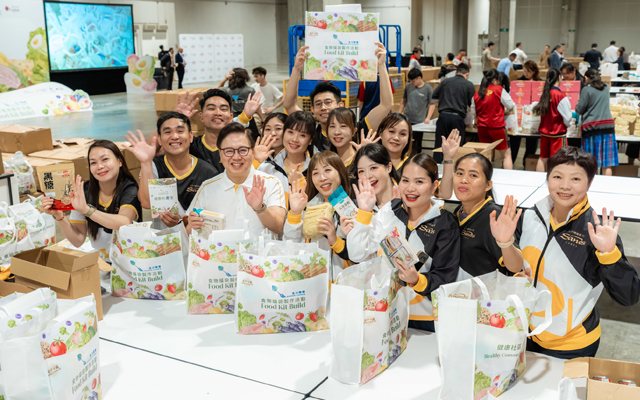
Sands China has marked the fifth year of its Sands Cares Global Food Kit Build, bringing together 450 volunteers at The Venetian Macao’s Cotai Expo to assemble 5,000 food kits for distribution through Caritas Macau.
The initiative, part of Las Vegas Sands’ global programme, underscores Sands China’s long-standing commitment to corporate social responsibility and the Macao community.
Sands China team members came together to serve the Macao community, showcasing their unity and dedication through the Sands Cares Global Food Kit Build
Supported by the Social Welfare Bureau and Health Bureau, this year’s event set records for participation and kit numbers. Each kit, weighing a total of 30 tons, contains 11 food items sourced from local SMEs, including rice, noodles and soup packs, plus recipe cards designed with nutritionist input to promote healthy diets in line with the SAR government’s Healthy Community initiative.
Patrick Dumont, chairman and CEO of Las Vegas Sands, joined team members from 34 departments to pack kits and present certificates to elderly volunteers.
He said: “For more than two decades, we have proudly called Macao home, making sustained investments to support the city’s diversified development, while helping build a stronger, more resilient community through our Sands Cares corporate citizenship programme. The Sands Cares Global Food Kit Build is a meaningful reflection of that long-standing commitment.”
Caritas Macau’s secretary general Pun Chi Meng praised the partnership, noting the kits will benefit the elderly, low-income families and rehabilitation service users.
Since 2022, nearly 17,000 kits have been prepared for Macao, with ambassadors delivering them to 34 care homes and centres across the city.
Marriott International is expanding its regional footprint across Asia-Pacific excluding China (APEC) by utilising a flexible, conversion-led development model to steadily expand its regional footprint.
This approach has resulted in a development pipeline of over 400 hotels and 86,000 rooms as of end-2025.
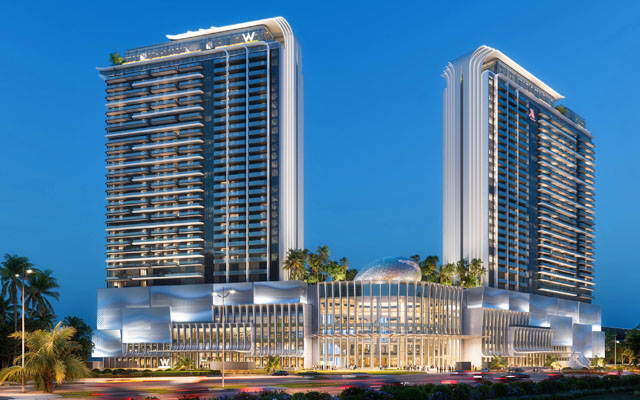
Marriott’s planned developments in Phu Quoc, including W Phu Quoc and a Marriott-branded resort, reflect Vietnam’s role as one of the company’s key growth markets in Asia-Pacific
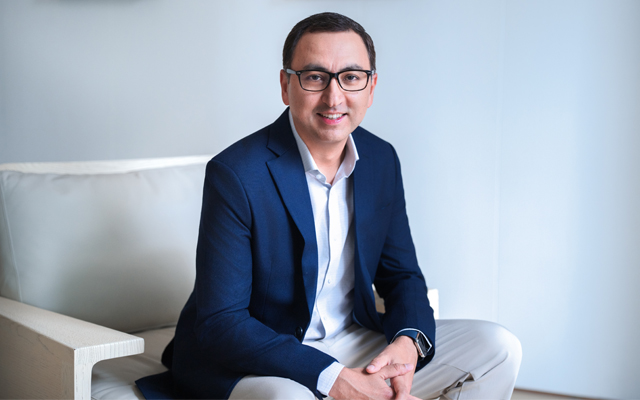
Gautam Bhandari, Marriott’s chief development officer for APEC, revealed that 35 to 40 per cent of signed deals were conversions, and that conversions are “here to stay”.
Bhandari said conversions offer a highly compelling proposition for local owners looking to welcome a greater share of international travel demand. By joining the Marriott network, independent owners gain instant integration into global distribution networks, exposure to higher-spending international source markets, and elevated long-term asset value.
He sees vast opportunities in conversion deals, as 80 per cent of properties in the region are either run by local companies or individual owners.
To facilitate this conversion wave, Marriott relies heavily on flexible “soft brands” like Autograph Collection, Tribute Portfolio, and The Luxury Collection, which allow hotels with unique architectural identities to join the system without losing their local character. This approach was executed in Singapore recently when the former InterContinental in the Bugis district was converted into The Luxury Collection.
“That was a perfect fit for The Luxury Collection because of the Bugis story, and how we would weave it in,” Bhandari explained, adding that properties with local character are “rare gems”.
Conversely, converting a property into a “hard brand” like a standard Marriott or Sheraton requires closer alignment with specific structural and functional guidelines. In such cases, Marriott will evaluate these deals through intensive feasibility research, noting there is no point in making massive capital investments “if the rates would not support it”.
To broaden its reach in the highly competitive upscale and midscale spaces, Marriott also unveiled a newly-created soft brand, Series by Marriott, at the end of 2025. Debuting via a sweeping multi-property conversion deal in India with Concept Hospitality, the brand allows regional properties to keep their home-grown identities while being powered by Marriott.
This model has served as a strong vehicle for expansion, with Marriott planning to introduce the concept into Japan, South Korea, and wider South-east Asia markets in the near future, Bhandari told TTG Asia.
This conversion-focused momentum feeds directly into Marriott’s primary regional growth engines: India, Vietnam, and Thailand. Driven by macroeconomic strength and structural stability, India stands as Marriott’s top market in APEC. The company recently hit a milestone by signing 99 deals – representing 12,000 keys – in India alone, pushing its footprint past 200 open hotels with nearly 200 more in the pipeline.
Vietnam continues its upward trajectory, highlighted by a landmark 10-hotel, 4,500-key agreement with Sun Group, while Thailand continually demonstrates excellent market resilience.
Marriott is also establishing an early-mover presence in several destinations well before they hit mainstream maturity, a strategy driven by a “really long-term vision” that is backed by 25-year contracts.
Bhandari: conversions are here to stay
This strategy has manifested in an ambitious expansion in Nepal, where three luxury properties are tracking toward a 2031 debut. The Ritz-Carlton Kathmandu and The Westin Kathmandu are being developed in partnership with CG Hospitality Global, while a separate agreement with the MS Group will introduce the JW Marriott Hotel Kathmandu Valley. Beyond Nepal, this long-term plan has driven new conversions for The Luxury Collection in Laos and Cambodia, alongside resort agreements like Le Méridien in Australia’s Whitsundays and a St. Regis in Queenstown, New Zealand.
In addition, the acquisition of CitizenM in July 2025 has integrated a design-led, tech-savvy product into Marriott’s APEC portfolio. Future regional pipeline infrastructure for the brand will be tailored for Asian sensibilities, shared Bhandari. For instance, new room configurations will feature slightly larger dimensions and twin-bed options to accommodate travelling families, while F&B concepts will be dialled up to include full buffet breakfasts.
Simultaneously, Marriott is tapping into the growing global demand for health and longevity through a joint venture with Lefay, an Italian family-owned wellness resort brand. Slated to sit in the luxury tier next to the Ritz-Carlton and St. Regis, Lefay properties will be built entirely around comprehensive wellness concepts, boasting massive spa footprints often exceeding 3,000m².
For Bhandari, this continuous pipeline evolution is vital for maintaining market relevance.
“Today’s customers and future customers are going to be very much focused on wellness and longevity. Bringing in new brands where it makes sense keeps the development wheel going and keeps the owners interested,” he said.
Global design firm Gensler has unveiled the conceptual masterplan for a 522-hectare tourism development in Vang Vieng, Laos, outlining a long-term vision centred on landscape, culture and sustainability.
Developed by Vang Villy Hill Co., the project spans Pakpor and Phoudindeng villages in Vang Vieng District, Vientiane Province, and will combine hospitality, recreation, cultural attractions and supporting infrastructure within a single destination.
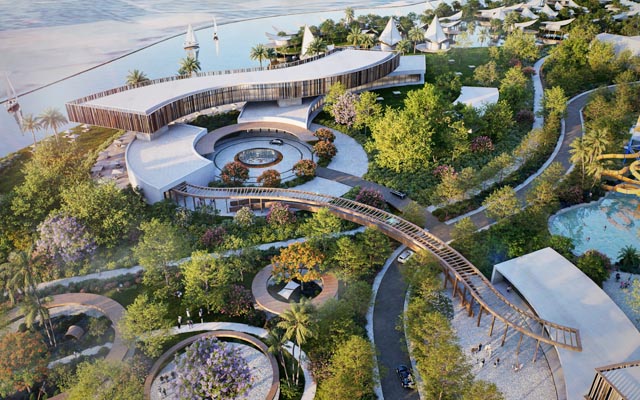
Gensler’s conceptual masterplan outlines a 522-hectare tourism development in Vang Vieng, Laos
Gensler developed the conceptual masterplan, including the overall vision, placemaking strategy, spatial framework and development principles to guide the project’s future development. The work was delivered by the firm’s Asia-Pacific and Middle East studios.
Rather than following a conventional resort model, the plan is designed around the site’s existing landscape, agricultural character and ecological systems. It incorporates nature-led planning, low-impact mobility, protection of water systems and long-term resilience.
Vang Vieng, long known as a backpacker destination, is increasingly positioning itself as a hub for nature-based tourism and higher-value visitor experiences.
“Across Asia, we are seeing a major shift in how destinations are being imagined and experienced,” said Steven Velegrinis, design director and regional leader for Cities & Urban Design at Gensler. “Travellers today are seeking deeper connections to nature, culture and well-being, while destinations are increasingly expected to deliver long-term environmental and social value alongside economic growth.”
The project expands Gensler’s tourism portfolio in South-east Asia, which also includes its work on Vingroup’s Blue Waves Theatre at Vinhomes Green Paradise in Vietnam.
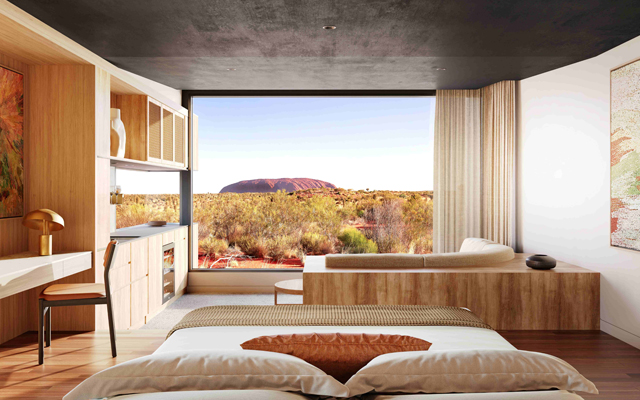
Beckons has plans to develop an ultra-luxury retreat near Uluṟu-Kata Tjuṯa National Park, marking the first new-build project since the luxury lodge portfolio launched in March 2026.
The nine-suite property has received development approval following ecological, heritage and sacred site assessments, as well as consultation with Traditional Custodians. Construction timelines are still being finalised, with the retreat expected to open in early 2028.
Rendering of a Desert Suite at the planned Beckons retreat adjacent to Uluṟu-Kata Tjuṯa National Park; photo by VASTview
Located among the red sand dunes adjacent to Uluṟu-Kata Tjuṯa National Park, the property will comprise eight Desert Suites and a multi-room Desert Pavilion. All accommodation will feature views of Uluṟu, private plunge pools and outdoor daybeds.
The retreat will include a restaurant, bar and lounge overlooking Uluṟu and will sit a short distance from Beckons’ existing Longitude 131° property. According to the company, it will be the closest luxury accommodation to Uluṟu.
Designed to reflect the surrounding landscape, the retreat will incorporate First Nations culture into the guest experience. Each suite will feature commissioned artwork inspired by the Kungkarangkalpa (Seven Sisters) Creation story, while partnerships with Ernabella Arts, Tjanpi Desert Weavers, Tjala Arts and the APY Centre Collective will support cultural experiences led by local stories and traditions.
The project expands Beckons’ portfolio, which includes Southern Ocean Lodge, Longitude 131°, Capella Lodge, Silky Oaks Lodge and The Louise in Australia, Huka Lodge in New Zealand, Clayoquot Wilderness Lodge in Canada, and Tierra Atacama and Tierra Patagonia in Chile.
“One of the world’s most powerful and spiritually significant landscapes, Uluṟu-Kata Tjuṯa is an extraordinary place to deepen our presence in Australia and grow our global footprint,” said Michael Crawford, CEO of Beckons.