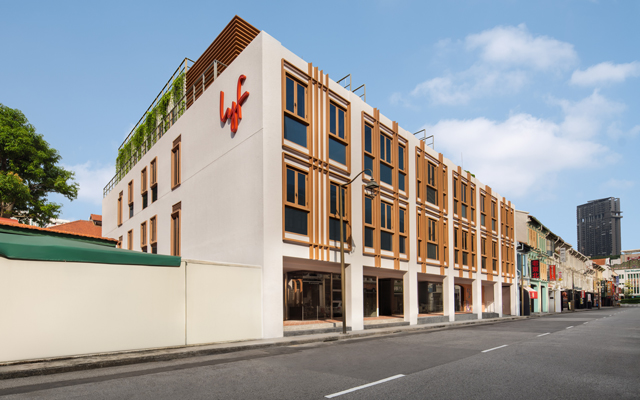
IHG Hotels & Resorts has strengthened its partnership with Urban Property Group with two hotel signings in New South Wales, bringing their joint pipeline in the state to three properties.
Crowne Plaza Newcastle and Hotel Indigo Gosford follow Crowne Plaza Parramatta, which was signed in 2025. Both new properties will form part of mixed-use developments by Urban.
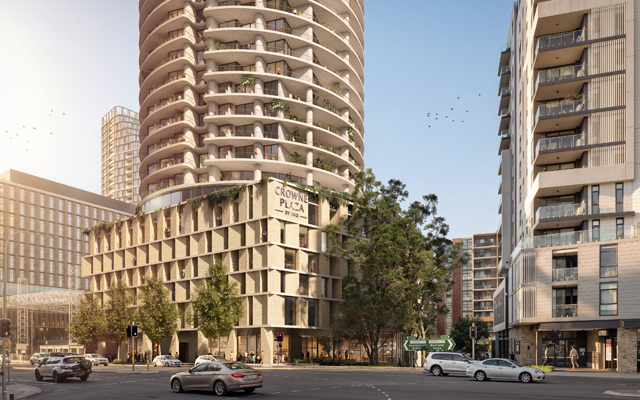
Crowne Plaza Newcastle will open in late 2029 as part of a mixed-use development adjacent to Newcastle Interchange
Scheduled to open in late 2029, the 171-room Crowne Plaza Newcastle will be located within a 43-storey development adjacent to Newcastle Interchange, alongside 219 residential apartments. Facilities will include all-day dining, a lobby bar, a pool and more than 550m² of meetings and events space, including a 425m² ballroom.
The property will mark the return of the Crowne Plaza brand to Newcastle and add accommodation and meetings facilities to the city and the wider Hunter region.
Hotel Indigo Gosford is expected to open in mid-2030 as part of Urban’s The Waterfront precinct. The 152-room hotel will overlook Brisbane Water and feature a café and bar, rooftop pool and wellness facilities. Its design will draw on the surrounding neighbourhood and Central Coast.
The two additions extend IHG and Urban’s partnership across metropolitan and regional New South Wales.
Etihad Airways has signed a Memorandum of Co-operation (MoC) with the Tourism Committee of Uzbekistan to boost trade and tourism marketing between the UAE and Uzbekistan.
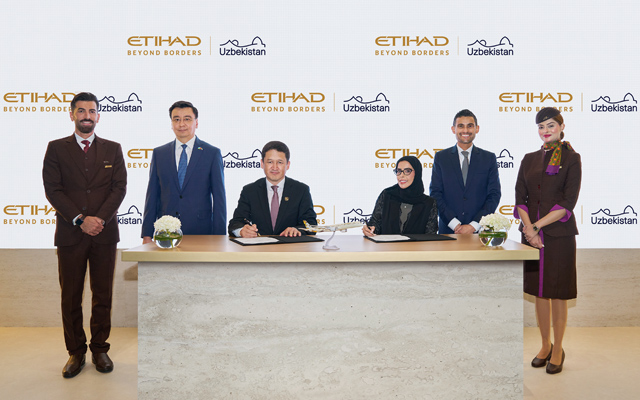
Finalised during the Arabian Travel Market (ATM) 2026 in Dubai, the agreement focuses on joint promotional campaigns to drive international travel to Uzbekistan via Etihad’s global network.
Etihad Airways and Tourism Committee Uzbekistan sign MoC at ATM 2026
Details of the partnership and route expansion include daily non-stop Airbus A320 flights connecting Abu Dhabi and Tashkent on August 9, 2026, as well as a codeshare agreement (active since May 15, 2026) that allows Etihad passengers single-ticket connectivity via Uzbekistan Airways to eight regional destinations – Samarkand, Bukhara, Urgench, Nukus, Termez, Fergana, Namangan and Andijan.
Uzbekistan reported 9.1 million foreign tourist arrivals and US$4.6 billion in tourism service exports between January and August 2026.
Abdulaziz Akkulov, chairman of the Tourism Committee of Uzbekistan, said: “Our priority is not only to sustain this growth, but also to expand the reach of inbound tourism, improve access to destinations across the country, and strengthen Uzbekistan’s presence in international tourism markets.
“The memorandum will support our efforts to advance these priorities and attract more international visitors to Uzbekistan.”
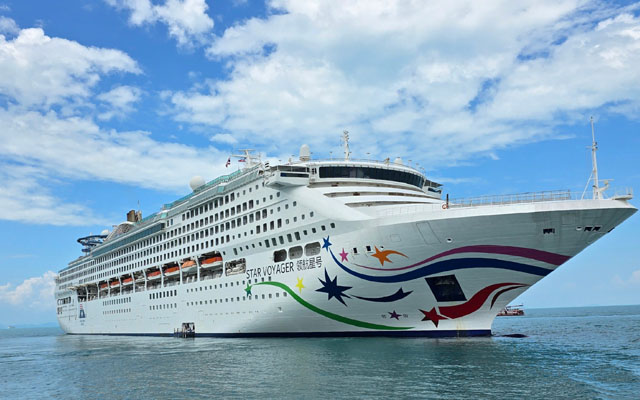
Avani Hotels & Resorts has introduced The Bohème Journey, a six-day itinerary linking Vientiane and Luang Prabang with a five-night Mekong River cruise.
The journey begins at Avani+ Lanexang Vientiane Hotel, which opened in July. The 197-room property is located on Fa Ngum Road overlooking Chao Anouvong Park and the Mekong River, about 15 minutes from Wattay International Airport.
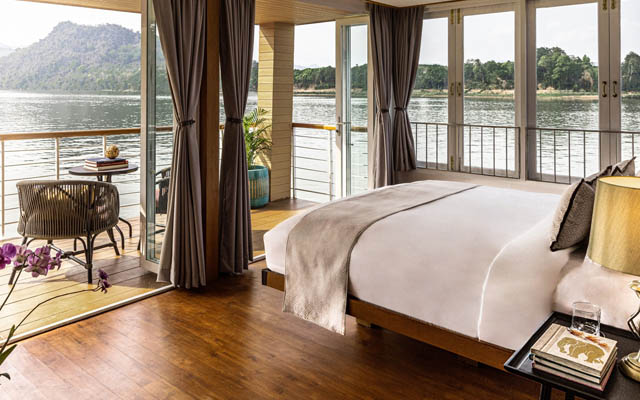
Bohème by Mekong Kingdoms carries up to 26 guests on a five-night Mekong River journey from Pak Lay to Luang Prabang
Guests then travel to Pak Lay to board Bohème by Mekong Kingdoms for a five-night upstream sailing to Luang Prabang. The 50-metre vessel accommodates up to 26 guests in 13 cabins, ranging from 30m² Deluxe Suites with private balconies to a 60m² Royal Suite with a sundeck. Facilities include three decks, dining areas and two treatment rooms.
The cruise includes visits to Ban Kok Fark, Ban Xang Khong and Ban Chan Neua, where guests can learn about paper-making, weaving and pottery. Other stops include Elephant Sanctuary Laos and Kuang Si Waterfalls, while onboard activities include Lao cooking classes and cocktail workshops.
The journey concludes at the 53-room Avani+ Luang Prabang Hotel, located opposite the Night Market in the UNESCO World Heritage-listed town. The Royal Palace, Mount Phousi and morning market are within walking distance, while Luang Prabang International Airport is about 15 minutes away.
The Bohème Journey is priced from US$5,175 for two guests, including taxes and service charges. It covers five nights aboard the vessel with meals, beverages, excursions and onboard activities, plus at least one night with breakfast at either Avani+ hotel. Airport, hotel and cruise transfers are included. A minimum six-night stay applies.
Capella Hotel Group has named Lauren Tesch as regional director of sales, Australia and New Zealand.
Based in Sydney, she will work with the group’s properties, commercial teams and travel partners across both markets.
Tesch has more than 20 years of experience in hospitality, aviation and travel. She was most recently commercial director Asia-Pacific at The Appointment Group (TAG), where she led commercial strategy and supplier relationships.
AmaWaterways has appointed Steve Spivak as chief commercial officer, effective September 30.
He will oversee the company’s sales, global service and reservations, and revenue management teams.
Spivak brings nearly three decades of travel and hospitality experience. He joins from Tauck, where he spent 14 years and was most recently vice president of global sales and customer experience.
An exciting programme will keep delegates entertained as they make new connections
Registration is now open for Meet Global MICE Congress 2026, which brings together MICE professionals from around the world.
Meet Global MICE Congress (MGMC) is a premier international event for the MICE and business travel industry. This platform seamlessly combines a trade show of leading MICE suppliers and top-tier buyers with a visionary, practice-oriented business programme.
MGMC brings together top industry influencers to network, share expert knowledge, and build lasting collaborations.
The 2026 edition will be held under the theme The Anatomy of Success in MICE: From Ideas and Tools to Tangible Results. Its business agenda will focus on the issues shaping the industry today, from improving event performance and adopting new technologies to entering new markets, responding to changing client expectations and building sustainable international partnerships.
Building on the incredible momentum of last year’s event, MGMC continues to scale its global impact. The 2026 Congress is set to welcome over 3,000 trade visitors and more than 150 exhibitors from 40 countries, showcasing premier MICE destinations alongside more than 200 hosted buyers representing the BRICS and the Global South countries.
Benefits of joining MGMC 2026
Hear from industry leaders on how to adapt to new technologise, enter new markets and responding to client expectations
Access to new source markets: Break through traditional borders and build direct connections with top-tier decision-makers
Premium supplier showcase: Connect face-to-face with over 150 exhibitors, including leading destination management companies, tourism boards, premium venues, luxury hotels, airlines, tech solutions, etc.
Global product visibility: Present your services, destinations, and cross-border collaboration models directly to corporate and association buyers looking for emerging event locations.
Strategic industry insights: Exchange practical knowledge with international MICE experts to gain firsthand insights into the latest technologies, business models, and market trends.
Moscow hospitality: Enjoy the finest traditions of Moscow’s hospitality at the Congress, where a welcoming ambiance, and networking events ensure a seamless and memorable experience for all delegates.
Turning connections into business
MGMC is designed not simply as a conference, but as an international marketplace for new partnerships, bringing together the people and organisations needed to turn new contacts into concrete business opportunities.
For South-east Asian delegates, the Congress provides an opportunity to develop relationships with Russian partners while simultaneously connecting with buyers, destinations and MICE suppliers from a much wider international network.
Whether the goal is to find new clients, enter new markets, identify destination partners or expand an international supplier network, MGMC brings these opportunities together on one platform.
Discover new partners, new markets and new possibilities for your business at MGMC 2026. Join MGMC and choose your participation format now.
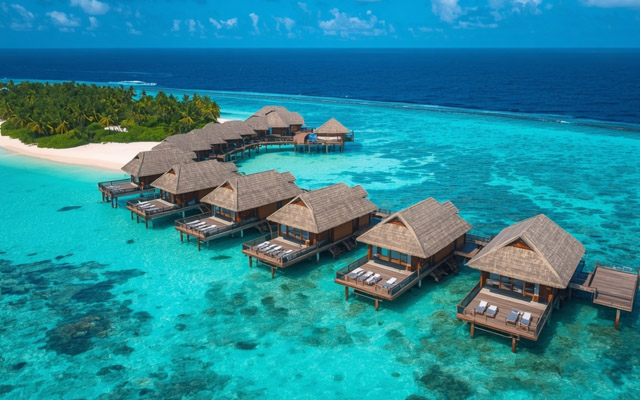
The Maldives tourism industry is facing concerns from foreign tour operators and resort operators over two government measures covering tourism tax and foreign currency conversion.
Some foreign tour operators have indicated that they may reconsider marketing the Maldives ahead of a 17 per cent Tourism Goods and Services Tax (TGST) on inbound tourism products and related agency and booking services supplied by overseas businesses, which takes effect on October 1, 2026.
Maldives tourism operators have raised concerns over new tax and foreign currency conversion requirements affecting the sector
Separately, resorts are required to convert 40 per cent of their monthly gross sales in foreign currency into Maldivian rufiyaa from September 1, up from the previous requirement. The measure has raised concerns among resort operators over their foreign currency requirements.
Mohamed Khaleel, a senior tourism advisor to the president, resigned in late August, saying the measure would put pressure on resort operators and affect investor confidence.
“Both moves come at a bad time because there is active competition in tourism markets and the Maldives would be adversely affected by these developments,” a senior manager at a foreign tour operator told TTG Asia on condition of anonymity.
According to an official from the Maldives Association of Travel Agents and Tour Operators (MATATO), several tour operators attending the Arabian Travel Market in Dubai from September 14 to 17 expressed concerns over the new tax on foreign operators.
The Maldives currently levies a 17 per cent TGST, a 10 per cent service charge and a Green Tax of US$12 per person per day at most tourist establishments. From October 1, the 17 per cent TGST will also apply to inbound tourism products and related agency and booking services supplied by businesses without a fixed place of business in the Maldives.
Affected foreign operators will be required to register with the authorities, a requirement that has also raised concerns among agents over administration and the handling of commercial and customer information.
Resort operators have separately raised concerns over the 40 per cent foreign currency conversion requirement, saying a substantial share of their expenses, including salaries, imports and leases, is paid in foreign currency.
“What is happening is that resorts have surplus local currency, due to the forced conversion rules, without any use for this currency,” one hotel manager said.
Both moves by the government come amid a shortage of foreign currency to service foreign loans for infrastructure projects, as well as concerns over tax leakage and compliance with tax payment rules among some resorts.
MATATO and the Maldives Association of Tourism Industry have raised concerns over the measures, while associations representing European, French and Italian travel businesses have called for the new tax on foreign operators to be repealed or postponed to allow further industry consultation.
At a government meeting on September 15 to discuss the tax, attended by about 800 industry representatives, participants raised concerns and called for more time for consultation.
The European Travel Agents’ and Tour Operators’ Associations (ECTAA) said operators could have to absorb the new GST on packages already sold, reducing their margins. “For these reasons, tax changes of this nature require substantial advance notice,” it said.
French associations SETO – Syndicat des Entreprises du Tour Operating and EdV (Les Entreprises du Voyage) said the registration requirement could increase administrative and financial costs for smaller French operators selling a limited number of Maldives packages, potentially prompting some to reduce or discontinue their programmes.
ASTOI Confindustria Viaggi, the national association of Italian tour operators, also raised concerns over requirements to provide commercially sensitive and personal information.
The Maldives is targeting 2.4 million to 2.5 million tourist arrivals in 2026, compared with 2.2 million in 2025, although travel demand this year could also be affected by tensions in the Middle East, a transit hub for many European travellers.
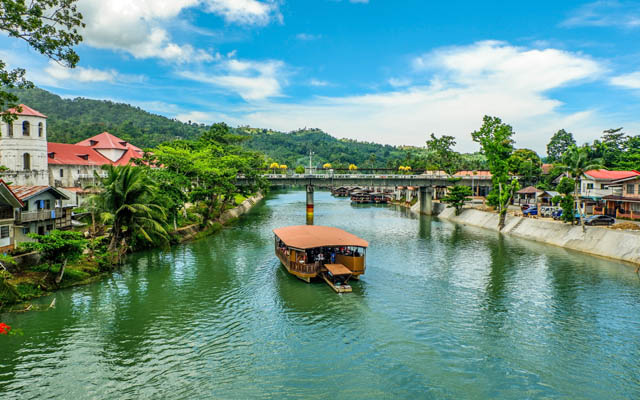
Bohol’s tourist arrivals fell nearly 22 per cent in the first half of the year, reflecting the Philippines’ exposure to external events such as the Middle East conflict and changing visitor patterns.
Joanne Pinat, head of the Bohol Provincial Tourism Office, said total arrivals fell to 637,288 in the first half of the year, from 816,000 over the same period in 2025.
Bohol recorded 637,288 tourist arrivals in the first half of the year, down nearly 22 per cent from the same period in 2025
Foreign tourists accounted for 45.1 per cent of the total, while domestic visitors made up 54.9 per cent, including several hundred returning overseas Filipino workers.
C9 Hotelworks managing director Bill Barnett said the decline reflected broader issues affecting the country, stressing that “the underlying issue is not Bohol – it’s the Philippines”, adding that Cebu is experiencing the same issue.
The Middle East conflict and rising oil prices have put pressure on travel costs and connectivity to the Philippines. Barnett explained that “fuel costs have hit airlift into neighbouring Cebu (a larger gateway for Bohol), ferry increases and also direct flights to Bohol”.
Another factor is the economic situation in South Korea, previously the Philippines’ largest source market, which has affected outbound travel.
Many airlines serving the Philippines are low-cost carriers, which tend to reduce capacity more quickly than legacy carriers. “The Korean LCCs have sharply cut routes as have the Philippine LCCs,” said Barnett.
Bohol is also looking to diversify its visitor markets. Bohol Alliance of Travel and Tour Operators president Lourdes Sultan said that “Bohol has been working closely with partners to reach a wider and more diverse markets, not just South Korea and China”.
Sultan also pointed to growth from longhaul markets, noting that “we had a significant increase from the longhaul Europe and the US” during the November-February high season.
Price is another factor influencing travel choices.
Barnett noted the higher prices of four- and five-star hotels in the Philippines compared with markets such as Vietnam had redirected some demand to destinations including Phu Quoc and Danang, where travellers have access to newer hotel supply and more price options.
Singapore travellers are showing increased interest in destinations beyond established holiday choices, with Antarctica, South Korea, Mongolia, Bhutan and Norway recording growth in enquiries, according to 2026 data from Lightfoot Travel.
Antarctica enquiries more than doubled compared with 2025, as did those for South Korea. Mongolia recorded a 75 per cent increase, Bhutan around 40 per cent and Norway more than 70 per cent. Spain also recorded year-on-year growth and will experience a total solar eclipse on August 2, 2027.
Bhutan is among the destinations seeing increased interest from Singapore travellers, with Lightfoot Travel reporting a 40 per cent rise in enquiries
Established destinations continue to account for bookings. South Africa and China were Lightfoot’s two most-booked destinations among Singapore clients in 2026, followed by Japan, Peru and Vietnam. Vietnam enquiries increased 50 per cent, while Japan bookings rose 80 per cent year on year.
Lightfoot also reported increased standalone interest in Kyrgyzstan and Uzbekistan, despite overall Central Asia enquiry volumes remaining broadly stable.
The company said travellers were seeking more interaction with local communities, food and culture. Recent itineraries have included time with the Vedda community in Sri Lanka, breakfast with monks in Bhutan, meals with families in Central Asia and visits to weavers in Peru’s Sacred Valley. Hilton’s 2026 Trends Report found 81 per cent of Singapore families cited culinary exploration as their main family travel activity.
Multi-generational travel also remains a source of demand, with recent trips covering Mongolia, Kenya, China, Egypt, Italy, Norway and Peru.
Lightfoot also noted that AI is changing how clients research and plan trips. Travellers are increasingly approaching the company after researching destinations and itineraries themselves, with travel specialists then providing advice on accommodation, guides, access and changes to travel plans.
“AI has made travel inspiration incredibly accessible, and that is a good thing,” said Lucy Jackson Walsh, co-founder and director at Lightfoot Travel. “Our clients often come to us having already researched a destination and with a strong idea of what they want to do. The question is no longer simply, ‘Where should I go?’. It is ‘How do I make this trip exceptional?’”
Lightfoot identified Antarctica, Vietnam, Norway, Bhutan, South Korea, Mongolia and Spain as destinations to watch in 2027.
Jackson Walsh noted: “Singapore travellers are extraordinarily well travelled, and that changes what luxury travel needs to deliver.
“Our clients still love the classics, but they are increasingly looking for somewhere or something they haven’t experienced before. Whether that means Antarctica, travelling with three generations of the family or discovering a destination through its food and people, the common thread is wanting to come home feeling they have experienced something genuinely special.”



 Tesch has more than 20 years of experience in hospitality, aviation and travel. She was most recently commercial director Asia-Pacific at The Appointment Group (TAG), where she led commercial strategy and supplier relationships.
 Spivak brings nearly three decades of travel and hospitality experience. He joins from Tauck, where he spent 14 years and was most recently vice president of global sales and customer experience.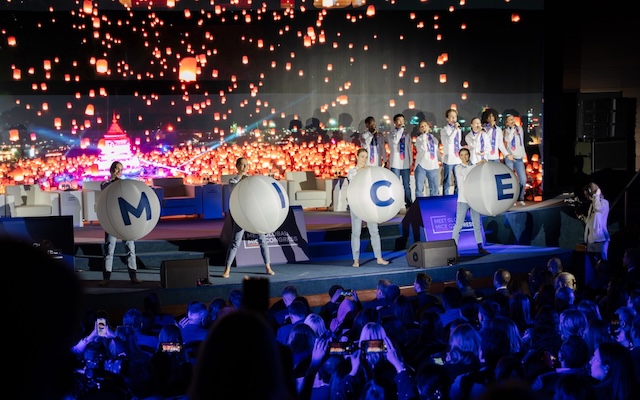


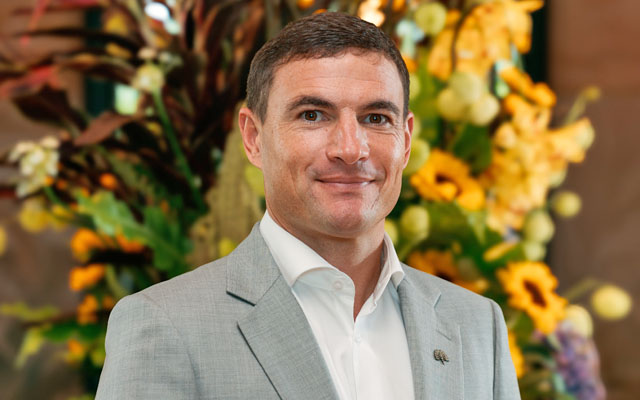
 Numa has nearly three decades of international hospitality experience. He was most recently resident manager at Cheval Blanc Saint Barth.