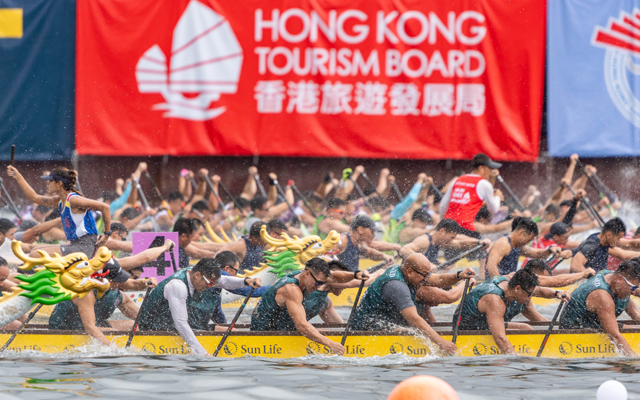
The Sun Life Hong Kong International Dragon Boat Races celebrated its 50th anniversary with a 13-day carnival along the Tsim Sha Tsui Promenade from June 19 to July 1.
Organised by the Hong Kong Tourism Board, co-organised by the Hong Kong China Dragon Boat Association and title-sponsored by Sun Life, the event combined racing with a programme of harbourside entertainment, including a Dragon Boat Food Lane, Beer Garden, intangible cultural heritage workshops and themed photo spots.
Victoria Harbour came alive as dragon boat teams competed in Hong Kong’s flagship racing event; photo by Hong Kong Tourism Board
The celebrations culminated on June 27 and 28, when more than 4,500 paddlers from 220 teams across 16 countries and regions competed in 21 races along Victoria Harbour.
The popular Fancy Dress Competition also returned, with teams taking to the water in colourful costumes that showcased creativity, humour and team spirit.
The annual event is one of Hong Kong’s flagship sporting and tourism attractions, drawing local spectators and international visitors to the city’s waterfront.
JW Marriott Ranthambore Resort & Spa, India
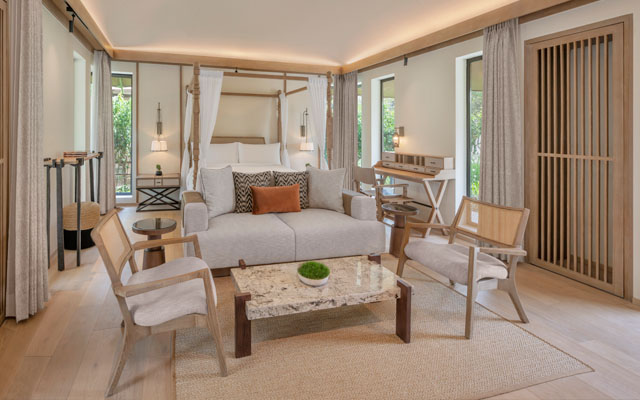
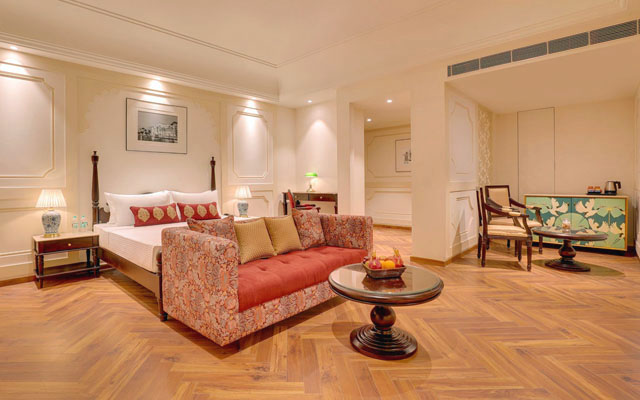
JW Marriott Ranthambore Resort & Spa is a 127-room property located a short drive from Ranthambore National Park in Rajasthan. Accommodation includes guestrooms, suites and private villas.
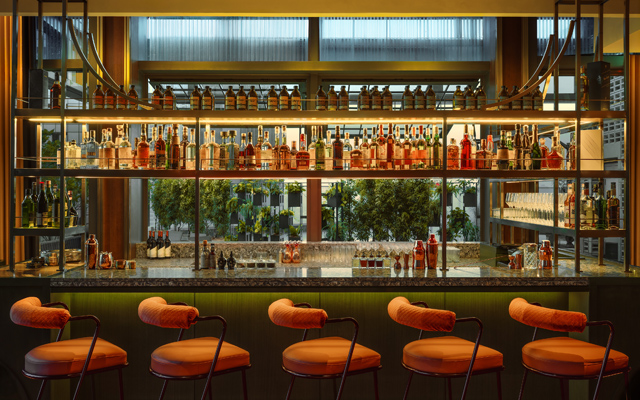
The resort features multiple dining venues serving Indian, regional and international cuisine, alongside locally inspired botanical cocktails. Guests can also enjoy a spa and nature-based experiences in the surrounding area.
The property provides access to Ranthambore National Park, one of India’s best-known wildlife reserves and a popular destination for tiger safaris.
lyf Chinatown Singapore
lyf Chinatown Singapore, Singapore
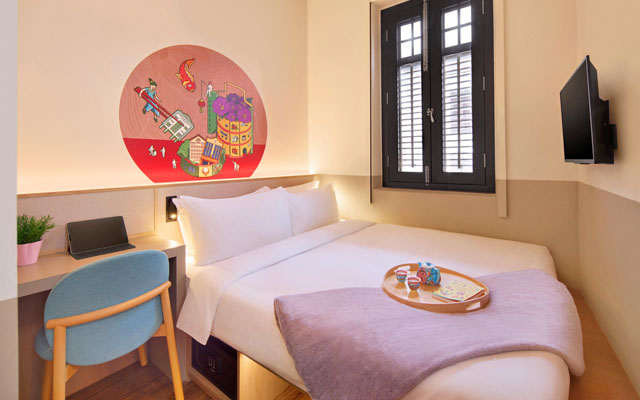
lyf Chinatown Singapore is a 90-unit co-living property located on Mosque Street in the heart of Chinatown. Accommodation ranges from rooms for solo travellers to larger units for groups of up to six, with interiors incorporating design elements inspired by the neighbourhood’s heritage.
Facilities include a social kitchen, coworking space, rooftop swimming pool, gym and communal laundry. The property also offers regular activities such as guided neighbourhood walks, tea appreciation sessions and traditional games.
Located within Singapore’s Chinatown precinct, the property is within walking distance of heritage shophouses, temples, local eateries and nearby districts including Kampong Glam.
Lemon Tree Hotel, Sri Ganganagar
Lemon Tree Hotel, Sri Ganganagar, India
Lemon Tree Hotel, Sri Ganganagar is a 68-room property located in northern Rajasthan, marking the brand’s debut in the city. Accommodation includes guestrooms and suites designed for business and leisure travellers.
Facilities include the all-day Citrus Café, Slounge terrace bar, a spa, swimming pool, fitness centre, meeting and banquet spaces, and landscaped lawns for events.
The hotel is approximately 8km from Sri Ganganagar Junction railway station and 122km from Bathinda Airport. Nearby attractions include Balaji Dham, Gauri Shankar Temple, Budha Johad Gurudwara and the Hindu Malkot border.
Spark by Hilton Goa Calangute
Spark by Hilton Goa Calangute, India
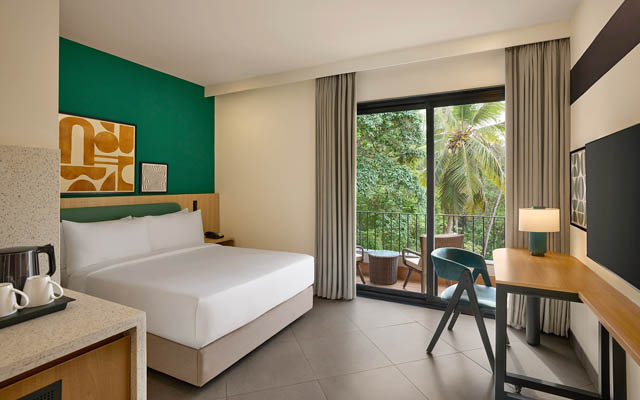
Spark by Hilton Goa Calangute is a 64-room hotel located in Calangute, bringing the Spark by Hilton brand to Goa.
Guests have access to complimentary breakfast, including a DIY dosa station, as well as regional touches such as self-service chai carts. Other facilities include a gym, in-room dining in selected rooms, and vending machines stocked with travel essentials. Digital check-in, Digital Key and the Hilton Honors app are also available.
The hotel provides convenient access to Calangute Beach and other attractions along Goa’s north coast, making it a base for exploring the region’s beaches, dining and nightlife.
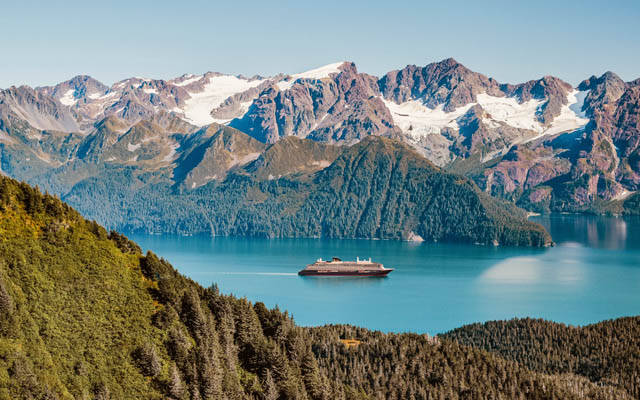
Explora Journeys will debut in Alaska in 2027 with Explora III operating voyages across the region from May to September.
The inaugural programme combines visits to Alaska’s glaciers, wildlife habitats and coastal communities with a range of small-group shore experiences led by local experts.
Explora III will make its Alaska debut in 2027, offering voyages that combine glacier landscapes, wildlife encounters and cultural experiences across the region
Highlights include helicopter excursions over the Juneau Icefield and Mendenhall Glacier, catamaran trips to Hubbard Glacier, wildlife encounters in Tongass National Forest, whale-watching experiences near Prince Rupert, and cultural programmes hosted by the Kitsumkalum community in the Great Bear Rainforest.
Other excursions include journeys along the Stikine River, coastal cruises from Seward and a heritage rail trip to White Pass Summit from Skagway.
The sailings are designed to showcase both Alaska’s natural landscapes and the communities shaped by the region’s maritime and cultural heritage.
Following its launch in July 2026, Explora III will become the first Explora Journeys ship to operate in Alaska. The vessel features 461 oceanfront suites, penthouses and residences, alongside new dining venues including Chef’s Table, Shore Club and The Cellar.
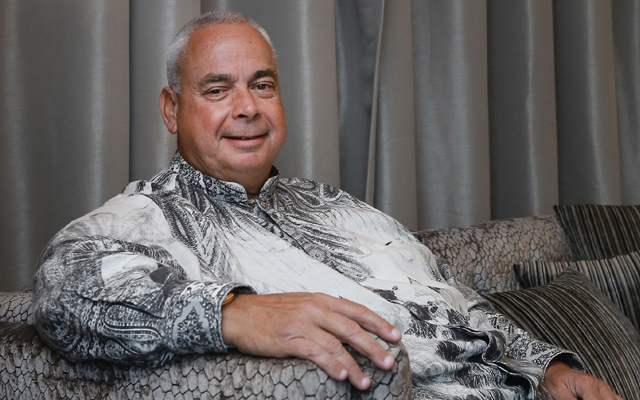
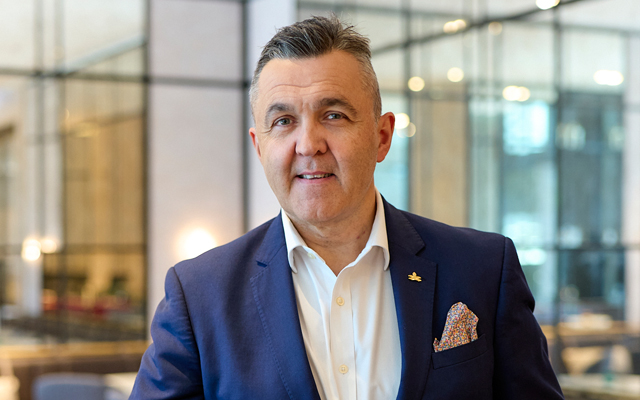
Charles Brookfield, founder and chairman of Archipelago Hotels, has died in Bali at the age of 73.
Brookfield founded Aston International in 1997 during the Asian Financial Crisis, believing in the long-term potential of Indonesia’s hospitality industry. The company was rebranded as Archipelago Hotels in 2020 and has since grown into South-east Asia’s largest privately owned hotel management company.
John Flood, CEO of Archipelago Hotels, said: “Pak Charley (as he popularly known) was an exceptional leader whose vision, integrity, and genuine care for people helped shape Archipelago and all of us who had the privilege of working with him. His leadership extended far beyond business. He had a rare gift for seeing potential in others and giving them the confidence to achieve more than they thought possible. While his legacy will continue to guide us, his greatest impact lives on in the people he inspired. As long as we strive to live by his values, a part of him will always walk beside us. May he rest in eternal peace.”
Affluent travellers are showing a bigger appetite for destinations and experiences that are new and inaccessible to most, creating new opportunities for luxury travel advisors to establish their reputation as expert purveyors of bespoke journeys while motivating luxury travel suppliers to stand out with new products in refreshing locations.
Annie Jatnipis, regional director – Asia with Travelbullz, said affluent travellers are now heavily influenced by opinion leaders on social media.
Luxury travel suppliers and advisors meet at ILTM Asia Pacific to explore emerging destinations, new products and bespoke travel experiences
“If a respected travel influencer says this is a hidden gem, our affluent clients will want to be there too. If our clients discover an image or video of a destination few have heard of, they will want to be there right away. Ultimately, affluent travellers want the bragging rights of being at a place or engaging in an experience that few other travellers have access to,” Jatnipis told TTG Asia.
While social media influencers have persuasive power, Jatnipis said travel advisors have the expertise to turn travel dreams into a real journey.
“Travel advisors like us will have to change the way we connect with customers. We have gone onto social media channels to be seen as travel influencers ourselves, and are studying the marketplace more, such as through events like ILTM Asia Pacific, to pick out new and interesting products that we can recommend to our guests,” she added.
Simon Cordeiro, a luxury travel advisor and cruise specialist based in Adelaide, Australia, has also witnessed a stronger lure of new and lesser-known destination experiences.
As high-net-worth Australian clients “place a lot of trust in their travel advisors, and most would simply rely on my recommendations”, Cordeiro said it is crucial that he is aware of and has access to “interesting options”.
Tailormade journeys are now one of Abercrombie & Kent’s fastest-growing segments, driven by demand for personalised, experience-led travel, shared vice-president of marketing Michelle Mickan during a press briefing at ILTM Asia Pacific 2026. To better serve guests exploring all corners of the world, the company is expanding its network of destination offices.
“We cover all seven continents with bespoke adventures, intimate small-group journeys, private jet adventures – anything you can think of. We are operating in over 100 countries around the world with 70 offices, with recent openings in Scandinavia, South Korea, Bolivia, Indonesia and Costa Rica. We have plans to open more,” said Mickan.
She added affluent explorers are now drawn to Africa’s Botswana and Kenya, Egypt, China, Japan, India, Peru, Italy and Scandinavia, while Sri Lanka, South Korea, Costa Rica, Patagonia, Namibia, Uzbekistan, Armenia and Georgia are fast gaining attention. Abercrombie & Kent is ready to cater to travellers who want to go further and deeper, with new itineraries for all up and coming destinations.
For many affluent travellers, Asia-Pacific is a region of interest.
Jatnipis pointed out that many parts of the region are still unexplored.
“There are also many new hotel openings and fresh renovations in Asia-Pacific, even in familiar destinations. This region always offers something interesting for new travellers as well as repeat guests,” she said.
Good examples, according to Jatnipis, are the JW Marriott Jeju Resort & Spa, which she found to have stunning architecture and the promise of privacy, as well as Niccolo-branded hotels in Chongqing and Chengdu, China, both of which “are so trendy and suited for multi-generational travel”.
Anna Nash, president of Explora Journeys, an all-inclusive luxury ocean travel specialist, said clients around the world had pressed for itineraries in Asia-Pacific, leading the company to launch its Asian deployment for 2027-2028. Travellers can look forward to itineraries with longer port stays and multiple overnight calls in gateway cities such as Tokyo, Osaka, Shanghai and Ho Chi Minh City for a more relaxed pace of travel.
“There’s something magical about sailing into some of these Asian ports – there is a real sense of maritime history and drama, and it beats arriving through a big airport,” Nash told TTG Asia.
She noted that clients based in Asia-Pacific are keen to cruise in their region too, after having travelled with Explora Journeys in the Mediterranean.
Fiza Han, managing director, APAC sales at Leading Hotels of the World (LHW), agrees that Asia-Pacific is “considered a land of mystery for many foreigners”, especially China and India, which are both rich in history and culture, with many destinations in both countries being “still new” to international tourists.
“There was a time when travel buyers would come to us and be keen on meeting hoteliers from the big cities of New York and Paris. Now, they want to connect with hoteliers from niche destinations so that they can get information on authentic activities and experiences that cannot be easily found online,” she said.
With LHW’s hotel inventory being 60 per cent resorts and 40 per cent city hotels, in both established and emerging destinations, Han believes that her group is well positioned to support travel advisors who have to curate off-the-beaten-track journeys.
Some of the latest additions to its global portfolio include the 25-key Nihi Rote & Hospitality Academy on a secluded corner of Rote Island in West Timor; the 100-room Espacio Nagoya Castle that faces the moat of historic Nagoya Castle; and the 148-suite Anantara Koh Yao Yai Resort & Villas, with a secluded island setting.
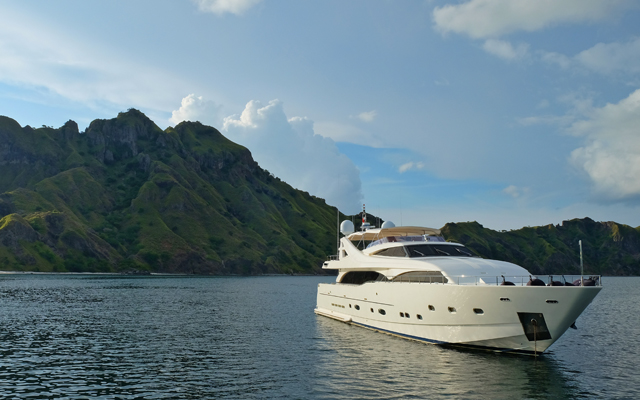
Indonesia is seeking to capture a larger share of Asia’s growing yacht tourism market by expanding marina infrastructure, developing integrated marine tourism itineraries and promoting high-value travel experiences.
Industry stakeholders said the country has some of the world’s strongest natural assets for marine tourism, but significant opportunities remain untapped in yacht tourism, liveaboard travel and premium diving experiences.
Indonesia is developing marina infrastructure and integrated marine tourism routes to strengthen its position in the growing yacht tourism market
Speaking at a national marine tourism seminar in Jakarta, Itok Parikesit, assistant deputy for tourism product development at the Ministry of Tourism (MoT), said: “Marine tourism is one of the government’s priorities because of its significant potential to contribute to economic growth and foreign exchange earnings.”
Indonesia is home to more than 700 dive sites across 14 provinces, while seven of the government’s 10 priority tourism destinations are marine-based. According to Itok, diving remains a major contributor to marine tourism revenue, while yacht tourism and liveaboard travel are emerging as high-value products capable of attracting longer-stay visitors.
Rinaldi Duyo, secretary general of the Indonesian Jetsport Boating Association, said that while cruise tourism represents 35 to 40 per cent of the global marine tourism market, “yacht tourism is among the fastest-growing marine tourism segments globally” and “is one of Indonesia’s most promising growth opportunities”.
However, industry stakeholders stated Indonesia continues to face several challenges that could limit its ability to compete with other yacht tourism destinations in the region.
Hellen Sarita de Lima, vice chairwoman of the Indonesian Marine Tourism Entrepreneurs Association, identified lengthy licensing procedures and limited marina infrastructure as key obstacles.
“There are many procedures, such as arrival clearance, inspections by various agencies, shipping administration, and inter-agency licensing. In some countries, the clearance process can be completed in a few hours. In Indonesia, it still requires quite a long process.”
She added that marina development is essential to support yacht tourism growth and attract more international visitors.
“In Australia, people can use marinas as places to meet family, gather, and engage in various recreational activities. So, marinas serve more than just ports,” she noted.
Industry stakeholders opined that addressing these challenges will be crucial if Indonesia is to fully capitalise on growing demand for yacht tourism.
In response, Itok said the MoT is developing tourism routes in eastern Indonesia that combine diving, yacht tourism and liveaboard experiences into integrated itineraries designed to encourage longer stays and wider visitor dispersal.
The government is also exploring opportunities to develop marinas to support the growing yacht and superyacht market.
“Sorong is one of the locations with strong potential to serve as a gateway for marine tourism in eastern Indonesia,” Itok said.
Meanwhile, Bambang Aditya Nugraha, director of Marine Services at the Directorate General of Marine Management, Ministry of Marine Affairs and Fisheries (MoMAF), said Indonesia’s 134 marine conservation areas and coastal communities should play a greater role in tourism development.
The MoMAF is promoting village-based economic programmes through small businesses, village-owned enterprises and community groups.
“We want coastal villages to become part of national tourism development, not merely spectators to the growth of major destinations,” he shared.
Despite the challenges, Hellen said Indonesia has the natural assets needed to become a leading yacht tourism destination in South-east Asia.
“The potential is there. Indonesia offers an extraordinary combination of islands, marine biodiversity and coastal destinations that few countries can match.”
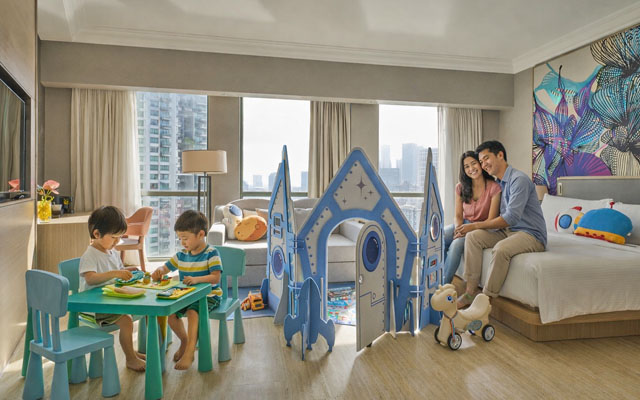
A new series of accommodation packages for families with children has led to a spike in bookings for Millennium Hotels and Resorts (MHR), reflecting growing demand for hotel stays that combine space, convenience and family-friendly experiences.
Launched in May, MHR’s Family Staycation Packages are available at participating hotels in Singapore and London. The packages include family-friendly room options, children’s dining benefits and additional inclusions designed to make family travel more convenient. They are offered year-round, with no booking or stay deadlines.
Millennium Hotels and Resorts’ Family Staycation Packages welcome strong interest
According to Cinn Tan, MHR’s chief commercial officer, the packages have been a hit with young families, resulting in “a substantial increase” in bookings.
Tan expects demand to continue through August during the summer school holiday period.
“We understand that families with young children need to stay together, so our Family Staycation Packages offer dual-key units, connecting rooms or family suites where possible. We also include special treats and activity kits in the rooms, so that the little ones know they are welcomed too,” shared Tan.
As multi-generational travel continues to grow, MHR has made family travel a strategic priority.
Carolyn Wishnowski, vice president, global branding, marketing and loyalty, told TTG Asia that MHR is “enhancing the family guest experience with a more consistent approach, while allowing each hotel to reflect its destination and local market”.
The group plans to further strengthen its family offering with a new initiative launching in August that will focus on younger travellers.
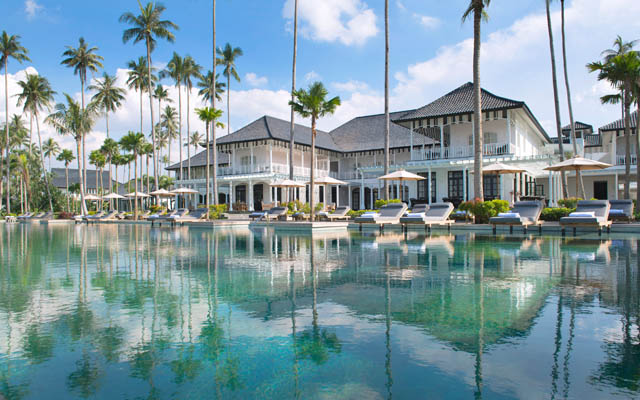
The Sanchaya in Bintan has been inducted into The Leading Hotels of the World (LHW), a global collection of independently owned luxury hotels.
Located on Lagoi Bay and accessible from Singapore by ferry, the beachfront property joins a portfolio of hotels recognised for their individual character, service standards and independent ownership.
The Sanchaya has become a member of The Leading Hotels of the World, expanding access to the collection’s Leaders Club programme
According to The Sanchaya, the affiliation reflects the property’s focus on personalised hospitality, design and its South-east Asian setting. Membership also provides access to LHW’s Leaders Club loyalty programme.
Through the programme, eligible guests can access member rates, earn and redeem points across participating LHW properties worldwide, and receive benefits including complimentary breakfast, welcome amenities and Wi-Fi.
Additional privileges may include room upgrades, early check-in and late check-out, subject to availability. Benefits vary according to membership tier.
The Sanchaya said participation in Leaders Club will also allow returning guests to have their preferences recognised across future stays within the network.
Greg William, general manager of The Sanchaya, said: “Joining The Leading Hotels of the World reflects our commitment to delivering distinctive and memorable experiences to our guests. Through this partnership, we are able to offer our guests an elevated journey that extends the essence of The Sanchaya far beyond our shores.”
Location
Kimpton Naluria Kuala Lumpur, part of IHG Hotels & Resorts, is set right in the heart of the Tun Razak Exchange (TRX), Kuala Lumpur’s business and financial district. It spans 26 storeys, and the name actually comes from two Malay words: Naluri (instinct) and Ria (joy), which is meant to represent following your inner voice to find happiness.
Accommodation
The property features 466 rooms designed with a lifestyle focus, with entry-level rooms starting at a comfortable 30m² all the way up to the massive 195m² Presidential Suite.
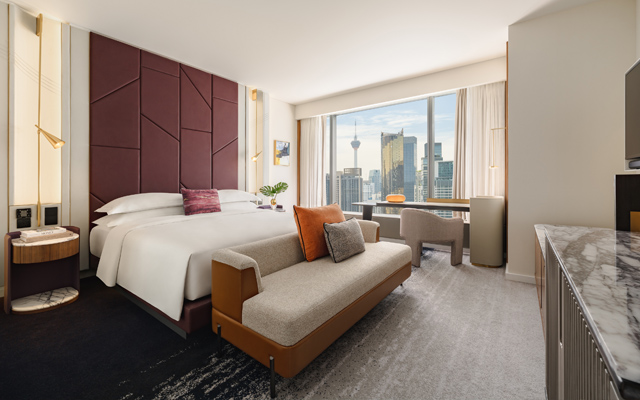
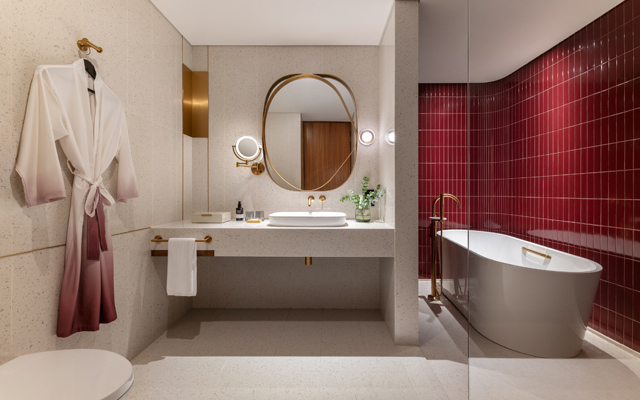
I checked in for a two-night stay in the Studio Suite, and walking into the room was an absolute “wow” moment, starting with the standalone walk-in closet. While the room itself was beautiful – complete with a working desk and cosy chaise neatly arranged in front of the plush king-sized bed – what made our jaws drop was the massive bathroom. There was a standalone marble tub, a separate shower, two sinks, a vanity, and a toilet, all stocked with high-end products from Penhaligon’s. Given that bathtubs are a rarity in space-starved Singapore, my travelling companion was delighted to soak in it every evening.
As for me, I preferred to sink into luxurious bliss on the bed. It was wonderful, and the pillow had just enough structure that my neck was perfectly supported. Having had my fair share of bad pillows in hotels, I am always incredibly grateful when I find a great one.
For the interiors, the hotel partnered with Hassell Studio, using a rainforest-inspired theme called Botanic Beyond Aesthetics. It actually works well – the spaces mix a lot of natural textures, earthy stone, and tons of greenery with high ceilings and local artwork to keep things feeling calm despite being right in the city centre.
F&B
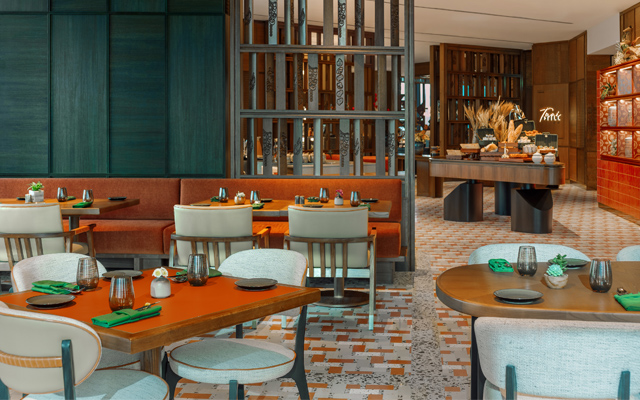
I really enjoyed the halal breakfast spread at Tuai & Till. The restaurant offered a great selection of pastries, breads, juices, and Western options, alongside a dim sum station with steamed dumplings and buns. There was even a build-your-own nasi lemak corner the morning I was there. Eggs are made à la minute, and bonus points go to the chefs for graciously making me an off-menu Eggs Benedict.
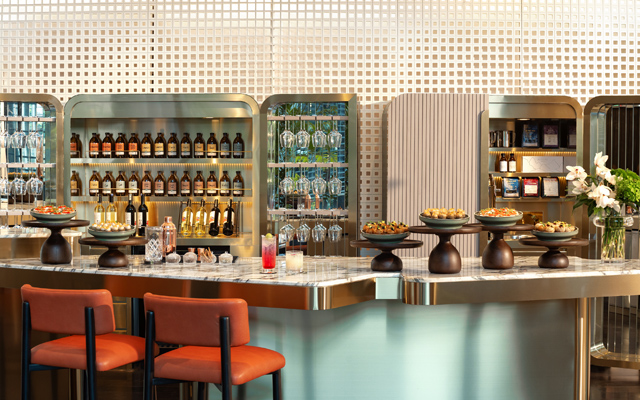
While I did not get a chance to try the hotel’s full dining line-up, the property also features Rise & Grind, a contemporary lobby espresso bar; Four Siblings Rooftop Bar & Lounge for craft cocktails and small bites; and Sabato’s, a retro-inspired 1970s Italian-American restaurant.
When we arrived, it was just in time for the Kimpton Social, a signature offering across all Kimpton properties worldwide. At sundown (usually 17.00 to 18.00), the property hosts a complimentary daily happy hour where guests can mingle with fellow travellers and locals over house wines, signature cocktails, and seasonal chef’s bites.
Kimpton Naluria Kuala Lumpur
1 of 5
Premium room
Bathroom with tub
Tuai and Till
The Living Room
Rooftop bar
Facilities
I spent an evening by the rooftop pool at sunset, and it was incredible because it faced the dramatic city skyline and rolling hills in the distance. The fully-equipped gym is conveniently located on the same floor, letting me work out with a view.
For business, networking, or social gatherings, the hotel also features five flexible meeting and event spaces. They also offer a complimentary bicycle rental service on-site, though Kuala Lumpur does not exactly seem like a suitable or safe place to ride a bicycle, at least for me. I can imagine utilising a perk like this in more bike-friendly cities under the same chain, but here, I passed.
Service
As the hotel is still relatively new and situated within the sprawling TRX complex, which features multiple overlapping road levels, finding the property can be challenging for ride-hailing drivers. To help address this, the hotel has installed dedicated way-finding signage to make arrivals more straightforward.
Despite the slight navigation hiccups outside, the welcome inside was seamless. The front desk staff were absolutely lovely and made checking in on the second floor a breeze.
Verdict
Between the custom breakfast orders, the sunset pool views, and the evening happy hour, I reckon that Kimpton Naluria Kuala Lumpur is a great addition to the city, and would love to stay again.


 John Flood, CEO of Archipelago Hotels, said: “Pak Charley (as he popularly known) was an exceptional leader whose vision, integrity, and genuine care for people helped shape Archipelago and all of us who had the privilege of working with him. His leadership extended far beyond business. He had a rare gift for seeing potential in others and giving them the confidence to achieve more than they thought possible. While his legacy will continue to guide us, his greatest impact lives on in the people he inspired. As long as we strive to live by his values, a part of him will always walk beside us. May he rest in eternal peace.”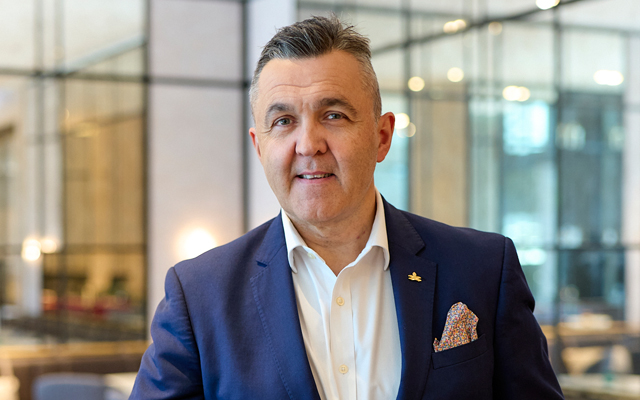
 In his expanded position, he will also lead the pre-opening of Dorsett Perth and Dorsett Brisbane.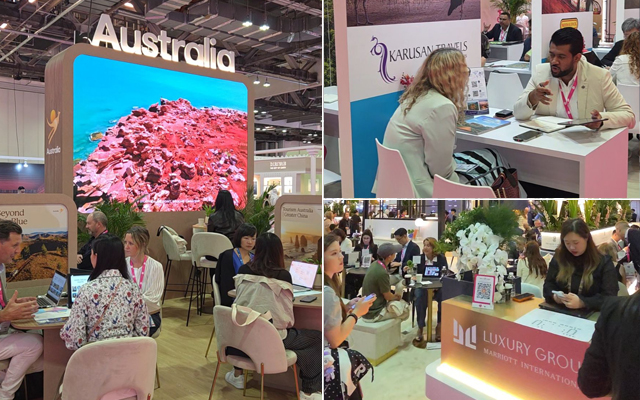

 Location