TTG Asia
Asia/Singapore Friday, 9th January 2026
Page 188

New halal certification rules raise concerns among Indonesian hoteliers

0

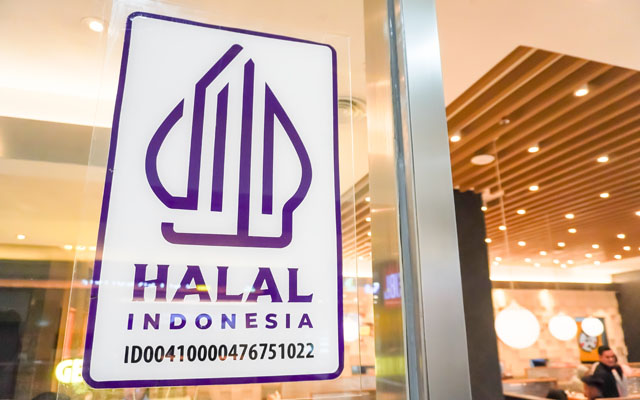
Indonesian hoteliers have raised concerns about the effectiveness of the mandatory halal certification enforced by the Indonesia Halal Product Assurance Agency (BPJPH) under the Ministry of Religious Affairs.

The policy, which took effect on October 18, applies to most businesses across the country.
Hotel industry leaders question the practicality and cost of the strict halal certification requirements; photo by Rizky Ade Jonathan

BPJPH chairman Haikal Hassan stated “all products circulating and traded in Indonesia must have clear boundaries between halal and non-halal”, adding that sanctions would be imposed to those failing to comply.

BPJPH has begun nationwide Halal Product Assurance supervision to ensure that medium and large businesses obtained the required halal certification.

Following the announcement, the Indonesian Hotel General Managers Association (IHGMA) and the Indonesian Hotel & Restaurant Association (IHRA) met with BPJPH to highlight the challenges the hospitality industry faces if the government continues to enforce this strict regulation.

Erick Erlangga, head of legal affairs at IHGMA, told TTG Asia that the meeting aimed to clarify the definition of products that must be certified under the law.

Referring to the government regulation, the mandate applies to three categories of products produced by medium and large businesses: food and beverages, raw food materials and additives, and slaughtered products and services.

Erick explained that the regulation focuses on the meat cutting and processing procedures, meaning certification applies to food products and suppliers. He added that hotels not declaring themselves as halal properties are not affected by the new regulation.

He added that the most affected hotels, however, are those that have declared themselves as halal hotels, as they now need to comply with new derivative regulations.

Maulana Yusran, secretary general of IHRA  considers the new derivative regulations burdensome and unnecessary.

Giving the example of halal certification for food menus, which hotels are required to apply for each item, he said: “If a hotel has three restaurants and each has 20 food and beverage items on the menu, that means the hotel must have 60 halal certifications.”

In addition, the regulation is becoming increasingly irrelevant because hotel menus often change and are seasonal, while the certification process takes time.

Maulana continued: “The menu may have changed by the time the certificate is issued. So, should we sell the same menu for years? This impacts sales and stifles the creativity of F&B services in hotels.”

For IHRA chairman Hariyadi Sukamdani, the biggest burden of the new regulation lies in the cost and certification procedures. He said: “Previously, certifying one restaurant cost a hotel between US$314 and US$627. Now, the cost ranges from US$1,883 to US$4,393 per menu. Just imagine how much it costs to become a halal hotel.”

The certification process is also becoming more complicated. In addition to registering with the Food, Drug, and Cosmetics Assessment Institute of the Indonesian Ulema Council, applicants must now also register with the government’s BPJPH.

“Although it is all digitalised, the prerequisites and procedures are piling up,” Haryadi added.

Concerned that most hotels will choose not to apply for a halal hotel label, while those already certified may opt not to renew their certification, Maulana said: “(Hotels that) initially wanted to add value with a ‘halal label’ are now burdened with costs and regulations.”
Flurry of new taxes hurting Maldives tourism

0

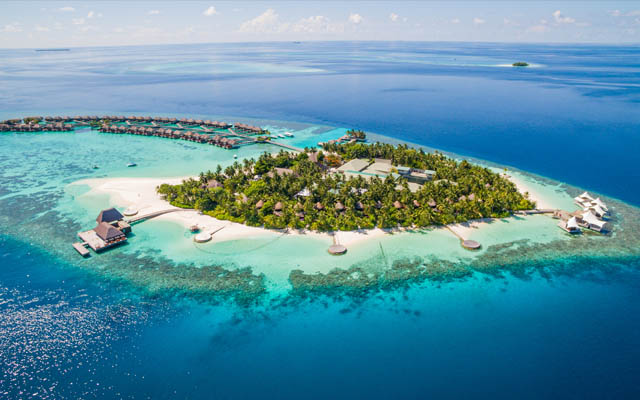
A surge in taxes and the compulsory exchange of foreign currency to local currency for resorts in the Maldives has raised concerns among operators, especially as the industry continues to recover from the effects of the Covid-19 pandemic.

Starting December 1, the airport tax for foreign passengers will rise to US$50 for economy class, up from the current US$30. For business class passengers, the tax will double to US$120 from US$60, while first-class passengers will see an increase to US$240 from US$90. The increase for local passengers is lower in comparison.

Maldives resorts face challenges with rising taxes and currency exchange rules

From July 2025, the Tourism Goods and Services Tax (T-GST) goes up to 17 per cent from 16 per cent while from January 2025, the green tax – a daily fee levied on each tourist – will double to US$12 per day from US$6 for resorts of over 50 rooms and to US$6 from US$3 for resorts less than 50 rooms. In January 2023, this tax went up substantially from 12 per cent to 16 per cent, which had a significant impact on tourism in the Maldives.

In another move, prompted by a foreign exchange crisis faced by the government, resorts will be required to exchange US$500 per tourist into local currency starting in January, for resorts with an average daily rate (ADR) over US$800. This policy also applies to fam trips for travel agents and journalists, even though no revenue is generated from these activities. The Maldives Association of Tourism Industry (MATI) has raised concerns and reportedly urged the government to revise the rule, suggesting it apply to 10 per cent of total revenue instead. The government has yet to respond to this proposal.

Resort owners, speaking to TTG Asia on condition of anonymity, expressed concerns that the high taxes and compulsory foreign currency exchange would affect all aspects of their operations. “All our expenses, including food imports, loan repayments, fuel, utilities, salaries, and service charges, are paid in dollars, and we don’t have enough dollars for the compulsory exchange. The high taxes will kill the industry,” remarked one local owner.

In October this year, the Maldives Monetary Authority (MMA) announced plans to implement a new foreign exchange regulation which requires all foreign currency earnings from the tourism sector to be deposited in banks.

For several months, the country has been battling weakening foreign reserves and rising external government debt, and struggling to service its foreign debt. Fitch Rating stated in a report that the decline in foreign reserves to US$492 million in May 2024 from US$748 million a year ago reflects a persistently high current account deficit. Furthermore, Moody’s Ratings showed the country’s total external debt obligations are at about US$600 million to US$700 million in 2025 – this figure could rise to US$1 billion by 2026.

In a letter to the IATA on August 31, the finance minister informed the association of the increase in airport tax, stating that while such charges typically require four months’ notice, “…we urgently need to move forward as proposed given the challenging fiscal and external position of the country.”

The proposed departure tax increase puts a lot of pressure on tour operators as bookings have already been made until April 2025, resort owners said, adding that they may have to bear the loss.

An international chain CEO, who declined to be named, said: “We are urging the government (in a letter to the Ministry of Tourism) to delay these taxes and give the industry time to adjust to these changes as we have contracts running for more than six months. We are not opposed to the increased taxes but we are concerned about the timing of these changes.”

Despite these challenges, the Maldives remains optimistic, aiming for 2.2 million tourist arrivals in 2025, up from over 1.5 million in 2024.

Indian travellers shaping the future of global hospitality: SiteMinder

0

Mandarin Oriental, Sommet Education to lead next generation of hospitality leaders

0

Mandarin Oriental Hotel Group has teamed up with Sommet Education to advance the hospitality industry by nurturing future talent, promoting diversity, and offering innovative learning and development programmes.

The partnership is focused on three pivotal goals: providing immersive real-world learning opportunities for students, enhancing the skills of Mandarin Oriental colleagues through bespoke training programmes, and opening career pathways for high-potential individuals.

The partnership will provide scholarships, mentorship, and tailored initiatives to underrepresented talent, offering access to education and career opportunities

The alliance will draw on Sommet Education’s network of globally recognised institutions – Les Roches, Glion, École Ducasse, Invictus Education, Indian School of Hospitality as well as Sommet Education Foundation – alongside Mandarin Oriental’s emphasis on quality experiences.

By integrating the Mandarin Oriental industry expertise into Sommet Education academic programmes through workshops, leadership talks, and exclusive on-site visits, students will gain invaluable practical experience. Simultaneously, bespoke training initiatives tailored to Mandarin Oriental’s people-centric ethos will enhance the skills of its colleagues, ensuring they are equipped to deliver quality service at every level.

Laurent Kleitman, group chief executive of Mandarin Oriental, remarked: “We are proud to be partnering with Sommet Education which has produced many of our top talents across their various educational institutions already today and is developing the talent of tomorrow. Together we will foster exceptional learning, to promote career opportunities in our profession.”

Benoît-Etienne Domenget, CEO of Sommet Education, added: “This collaboration extends beyond traditional boundaries, offering invaluable career and learning pathways in hospitality for young students, colleagues and underserved talented individuals. Together, we aim to foster a new generation of leaders who will shape the future of hospitality experiences.”

Beijing travel agency to leverage on AI to boost inbound travel and business events

0

Albatros Expeditions names new CEO

0

Albatros Expeditions has appointed Jakob Lunøe as the company’s new CEO.

With an extensive background in the travel and technology industries, Lunøe will be in charge of evolving Albatros Expeditions into an even more dynamic and guest-centric company, deeply rooted in its Nordic and family values.

He also recognises the critical role of agents in the company’s future success, particularly as the industry adapts to shifts toward direct-to-consumer bookings, and will be introducing a real-time booking system, and expanding educational initiatives.

WTTC’s latest roadmap highlights growing travel and tourism commitment to net zero

0

The Lux Collective identifies India as a key market for Asia-Pacific expansion

0

Onyx Hospitality Group, Equatorial Group to introduce new luxury hospitality project in Phuket

0

Disney Cruise Line joins UOB to create magical travel experiences for South-east Asia consumers

0

Disney Cruise Line and United Overseas Bank (UOB) are collaborating to offer UOB cardholders across Singapore, Malaysia, Indonesia, Thailand and Vietnam special benefits when booking Disney Adventure cruise vacations, starting December 10.

The three-year partnership will offer UOB cardholders exclusive perks when booking Disney Adventure cruise vacations through UOB’s travel partners, including UOB Travel Planners, Klook, Traveloka, and Trip.com – more details on the benefits offered by each travel partner are available on their respective websites.

From left: UOB’s Jacquelyn Tan and Disney Cruise Line’s Sarah Fox

Across the four, an estimate of over 100,000 queries have been registered from the public, expressing interest in the first season of sailings for the Disney Adventure. To kick off this collaboration, all UOB cardholders purchasing Disney Adventure cruise vacations via UOB’s travel partners will get limited-edition Sailors Chip ‘n Dale plushies.

New and existing UOB cardholders will also stand to redeem and win prizes such as the limited-edition plushies and even Disney Adventure cruise vacations in a series of activities celebrating this collaboration.

UOB also launched its Let the Magic Begin year-end campaign at the UOB Plaza Atrium with an unboxing event, with Captain Mickey Mouse and Captain Minnie Mouse, who were on-hand to take photos with staff and the public. UOB is also running a regional campaign for customers to stand a chance to win a three-night voyage in an Oceanview Stateroom with Verandah on the Disney Adventure, as well as other prizes.

“UOB is thrilled to team up with Disney Cruise Line on our quest to provide cardholders with unique privileges for their Disney Adventure cruise vacations in this first-of-its-kind collaboration in the region,” said Jacquelyn Tan, head, group personal financial services, UOB.

Sarah Fox, vice president and regional general manager for Southeast Asia, Disney Cruise Line, shared: “As Disney Cruise Line brings its magical cruise vacations to Asia for the first time in December 2025, we look forward to welcoming travellers in the region to experience beloved stories and characters from Disney, Pixar and Marvel brought to life.

“Through this collaboration with UOB, consumers will have even more options to plan and book their Disney Adventure cruise vacations seamlessly. We can’t wait for guests to create exceptional memories with their family and friends onboard the Disney Adventure.”