TTG Asia
Asia/Singapore Wednesday, 24th December 2025
Page 1592

New visas for Singaporeans pave way for longer tours in Australia

0

Following the recently announced extended visas for Singapore travellers to Australia, tour operators are rolling out longer and deeper itineraries that extend beyond the usual pitstops Down Under.

A new multiple-entry visa, effective January 1, 2018, allows Singaporeans to enter the country for up to three months at a time over six years.


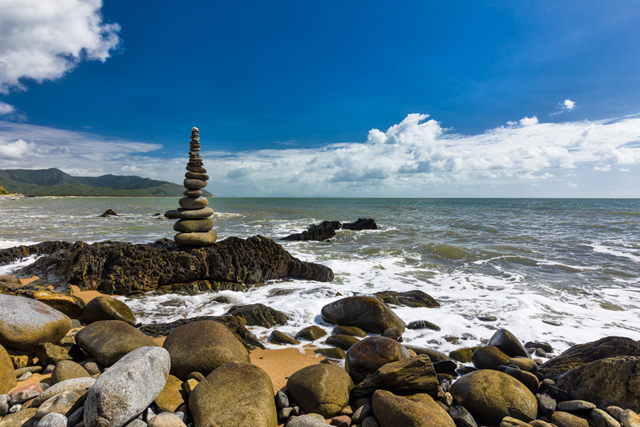
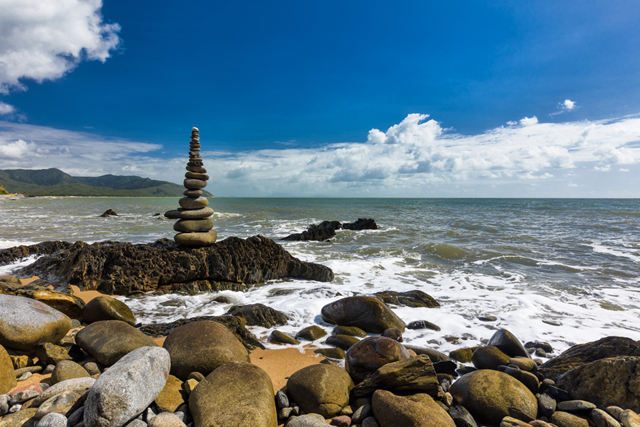
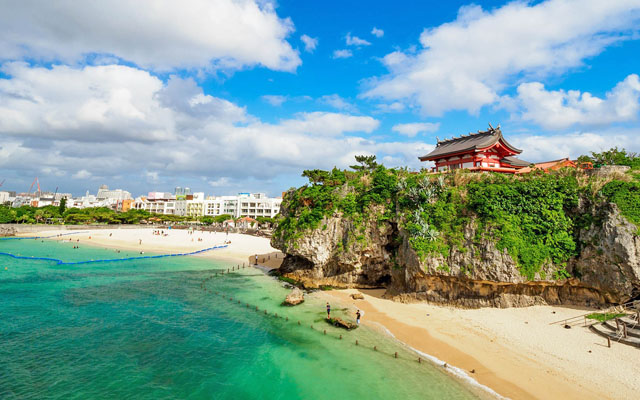
Between Cairns and Port Douglas, Queensland

The other Work and Holiday visa, which will commence on August 1 this year, allows Singapore passport holders under 30 years to work while on holiday in Australia for up to a year.

With these new visa schemes, tour companies are urging travel to off-the-beaten-path destinations, which often require longer time to explore.

Contiki plans to push its longer programmes, such as a 16-day trip traversing from Cairns to Sydney, as well as a three-day live-aboard diving and snorkelling package.

Meanwhile, Australia-based travel operator Flight Centre is continuing to curate itineraries for millennials to “go out of the way to explore and experience the unknown”, said general manager Callum Brown.

Brown added: “While a lot of Singaporeans have been to the big cities like Sydney and Melbourne, many are now branching out to the less-explored cities.” These include Tasmania and New South Wales’ Byron Bay, he suggested.

Director of sales and marketing at Contiki Asia, Sam Morrah, told TTG Asia that Singaporeans spend an average of seven to 10 days in Australia, but this is expected to increase with the new visa schemes.

Morrah said: “We believe that the new Work and Holiday Maker programme… will make it attractive for young Singaporeans to find part-time work and then take extended holidays.”

Tourism Australia’s regional general manager of South and South-east Asia, Brent Anderson, said: “We definitely hope that the enhanced Visitor (Subclass 600) visa will further boost return visitation. (It will also enable) business operators to conduct regular meetings or attend conferences in Australia.”

Anderson shared that Singapore visitors to Australia grew 7.4 per cent between March 2017 and last year, with a nine per cent increase in dispersed nights and three per cent increase in visitor spend from Singapore.

Similarly, Contiki recorded a 30 per cent growth from 2016 to 2017 amongst Singaporeans aged 25 to 35, while Flight Centre reported an 18 per cent year-on-year increase in its Singapore market.

Malaysia’s tourism tax an ‘unfair’ levy to hotels while others get away

0

Malaysia will from July 1 implement the tourism tax on all types of accommodation premises serving tourists, according to a Bernama report quoting tourism and culture minister Mohamed Nazri bin Abdul Aziz.

Exemptions are made for homestays and kampong stays registered with the Ministry of Tourism and Culture (MOTAC), accommodation premises established and maintained by religious institutions not for commercial purpose, and accommodation premises with less than 10 rooms.

The tax rate starts at RM2.50 (US$0.60) per room per night for lower-tier and non-rated accommodation and goes up to RM20 per room per night for five star accommodation.

Registered operators are liable to collect the tourism tax from guests upon their departure and pay them to the Royal Malaysian Customs Department (RMCD). The tax revenue will be used for tourism development.


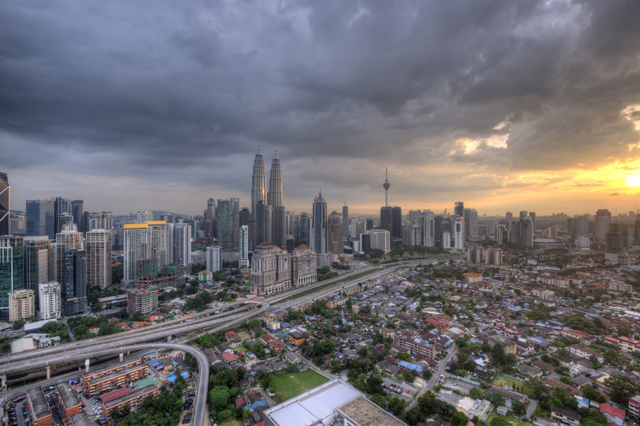
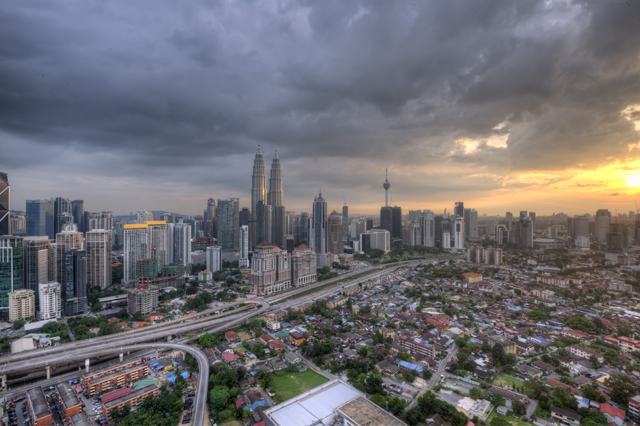
Kuala Lumpur

However, the Malaysian Association of Hotels (MAH), Malaysian Association of Hotel Owners (MAHO) and Malaysia Budget Hotel Association (MyBHA), which had earlier voiced their objections when the tourism tax bill was passed in parliament, yesterday submitted a joint memorandum to the Finance Ministry, RMCD and MOTAC to express their concerns in response to the latest announcement.

MAH president, Cheah Swee Hee, stated that making registered hotels to collect the taxes is “not fair and equitable”, as it does not appropriately capture all participants in the marketplace or tax equally the participants that are subjected to the tax.

He explained: “Under the current model, hotel operators that have been registered with MOTAC are automatically included in the scope of the tourism tax. However, based on data that is available on MOTAC and what is available from other publicly available sources, we have identified that less than 15 per cent of accommodation providers in Malaysia are registered with MOTAC.”

According to the joint press release from the three associations, in terms of real numbers there are 3,126 accommodation providers registered with MOTAC. However, there are 9,578 accommodation providers listed on Agoda.com and a further 11,698 accommodation providers listed on Airbnb. Based on the available data, there are 6,452 unregistered hotel providers and a further 11,698 operators who provide accommodation through Airbnb.

MAHO president, Teo Chiang Hong, remarked: “With the introduction of the tax, it would create an uneven playing field, and could encourage more tourists to book with unregistered and unlicensed hotels due to the lower cost. This could also encourage hotels to follow suit and change their rating or their operating model. All of these actions would result in an even lower occupancy rate and lower tax revenues for the government.”

Sharing similar sentiments, Anthony Wong, managing director at The Frangipani Langkawi Resort & Spa, opined it was unfair that Airbnb operators get away from paying the tourism tax because they are unlicensed and unregulated by the government.

“They get to charge a lower rate whereas hotels have to apply for 38 business permits before they can open. On top of that, we have to pay GST, liquor license, fire insurance liability license and property tax. The government should look at providing a level playing field,” he said.

The hotel associations also object to being made the collection agent as it involves updating pricing documentation and enhancing the operating and accounting systems to enable the tax to be collected and invoices to be issued.

MAHO executive director, Shaharuddin M Saaid told TTG Asia: “It is not fair to the hotels. It is unclear if we are getting financial assistance from the government. Why rush to implement (the tax) when these issues are not addressed? We propose that the implementation of the tax be postponed by six months. If we don’t register with the Royal Malaysian Customs for the tourism tax collection, we are fined RM30,000 (US$7,040). Why should we be penalised?”

He added that the hotel associations had proposed in their joint memorandum for the government to instead introduce an exit tax for foreign tourists to be collected at the airports and borders.

Manfred Kurz, managing director at Diethelm Travel Malaysia, opined: “This is not the right time to implement the tax as tourism is slowly recovering into Malaysia. The more price-sensitive tourist may think twice about coming to Malaysia and instead visit competing destinations such as Bali or Thailand that doesn’t have such a tax.

Greg Liddell to helm Mandarin Oriental, Bangkok

0

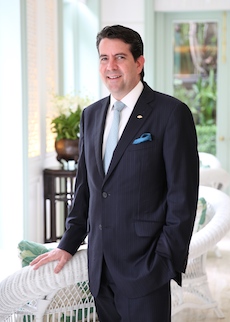
Mandarin Oriental Hotel Group has appointed Greg Liddell as general manager of the Mandarin Oriental, Bangkok, following the departure of Amanda Hyndman from the group’s flagship hotel.


Liddell has more than 20 years of experience in the hospitality industry, beginning his career with the group in 2009 as general manger of Mandarin Oriental Dhara Dhevi, Chiang Mai, before helming The Landmark Mandarin Oriental, Hong Kong in 2012. In 2014, he moved to head Mandarin Oriental, Barcelona.

Prior to joining Mandarin Oriental Hotel Group, the Australian national held various senior management positions including general manager of Aman Resorts, and was group general manager of Karma Resorts where he was responsible for resorts in Bali and Koh Samui.

It’s complicated

0

ASEAN wants more tourism growth, even though its infrastructure is bursting at the seams. Raini Hamdi listens to the issues

(From left) Moderator Linda Yueh, Thai tourism & sports minister Kobkarn Wattanavrangkul, ICAO’s Arun Mishra, Philippine tourism secretary Wanda Corazon Teo and Indonesia’s tourism minister Arief Yahya, at WTTC Global Summit 2017

While nationalism and protectionism have crept up in the West, it’s just the opposite in ASEAN where the vision of a single market by 2025 remains a deep-seated desire of the 10 countries that make up the bloc.

Some progress has been seen in areas such as visas and travel connectivity that benefit travel & tourism, a huge income earner for ASEAN, but much remains to be done.

A session entitled ‘Freedom to travel – can ASEAN lead the way?’ during the recent WTTC Global Summit in Bangkok had the public sector showing why it’s complicated.

Firstly, a friendly reminder. Although ASEAN is 50 years old this year, ASEAN tourism feels more like 15 years old, said Thai tourism & sports minister Kobkarn Wattanavrangkul, alluding to a relatively young industry that has seen faster growth than it can cope with.

It takes time and patience to iron out the ruffles. Take visas for example. A single visa to visit ASEAN is “not easy” to achieve, she admitted. In Thailand, that would involve many ministries including foreign affairs, the interior/immigration bureau, National Security Council, to name a few.

And while Thailand may grant a visa, others in the bloc may not, and fees for visas vary.
“How to manage?” she said.

Arief Yahya, Indonesia’s tourism minister, however, demonstrated why visa easing is important for tourism growth, using his country as an example.

Indonesia grants visa-free entry to 169 countries, the largest number in the world, he said. It wasn’t always this liberal. In 2014, Indonesia gave visa-free entry only to 15 countries, compared with Singapore (155 countries), Malaysia (163) and Thailand (57). “(Our figure) was so low then. We increased visa-free (entry) in three stages, from 15 to 45, then 90 and now 169,” he said.

“This is a very effective policy (to attract international tourists). The growth of visitors from new visa-free countries is on average 20 per cent, the lowest being 12 per cent and the highest 50 per cent. And for those countries that record the lowest increases, less than 100 arrivals, we are proposing for the government to change them from visa-free to visa-on-arrival,” he added.

Another area where the region  still lags is a real single ASEAN skies, pointed out Arun Mishra, regional director, International Civil Aviation Organization (ICAO) Asia & Pacific Office.

ASEAN is taking a bold step towards a single aviation market, comparable to the EU. As seen,  the EU’s move has resulted in  improved connectivity and increased competition in its skies.

“However, ASEAN single skies is not as single as in the EU,” said Mishra. “This is because they (ASEAN countries) are still not decided on the seventh freedom – the ability of airlines to go from one foreign hub to another. This is why many airlines, such as AirAsia, have to go to the individual countries and form joint ventures with the local partners.

“For ultimate connectivity, ASEAN must allow the seventh freedom, then airlines can become regional, ticket prices will come down and they can compete better with airlines from Europem, China and India.”

But infrastructure investment is where progress is most needed in ASEAN, an instant poll of the audience showed (51 per cent). Combined with regulations (22 per cent), which investment depends on, it’s by far the biggest issue.

Mishra believes aviation infrastructure should come first. “Although ASEAN develops maritime and tourism infrastructure, aviation is the mainstay to move people. Look at the congestion at Soekarno-Hatta, or at (Ninoy Aquino) – new terminals and runways were needed yesterday.

“While we’ve had ASEAN free skies, airlines are not able to take advantage of it because there are no slots. Another concern is the air navigation system, modern equipment and technology. (ASEAN) states need to act fast.”

He also added more training facilities to the long list. “While we chase growth, suddenly we don’t have the people to manage this growth,” he said. “Mobility of qualified personal is restricted in ASEAN.”

Indonesia’s Arief said foreign direct investment is needed for infrastructure development; his government could fill only a third of the funding requirement. But even before the funding issue, regulations have to be improved, he pointed out.

“The ease of doing business is low in development countries, especially in getting permits. In this case, we need to improve the regulations first before infrastructure development can happen.”
It’s complicated.

Rising stars of ASEAN

0

They are young, ambitious and share a common passion to improve the ASEAN travel industry with their forward-thinking ideas and leadership. We round up the region’s 10 promising talents to watch out for


Shu Tan
Founder, Sapa O’chau, Vietnam
Born in the remote village of Lao Chai in Sapa, Shu Tan endured a tough childhood, selling handicrafts on the streets at age 13.

With poverty high and education low in the isolated area, Shu dreamt that she would one day be able to improve the lives of her fellow villagers and neighbouring communities.

Hailing from the Black Hmong hill tribe – an ethnic minority group that is prevalent in Vietnam’s mountainous north-west – in 2009, Shu opened the first ethnic minority owned homestay in her village with the help of some Australian friends.

As Sapa’s popularity with visitors grew, she seized the opportunity and expanded her social enterprise, Sapa O’Chau, to include a café, handicraft store and more homestays.

In 2013, she launched the country’s first ethnic minority-owned international tour operator, Sapa O’Chau Travel, providing customised treks and tours in the area – all led by locals. It secured its international tour license in September 2013.

Fulfilling her ambition, the 29-year-old uses funds from Sapa O’Chau to pay for a school to provide education to the area’s most impoverished children, and she trains and employs locals to be tour guides, as well as work in other tourism-related roles, providing sustainable employment for the community.

In 2016, she became the first woman to feature in Forbes Vietnam’s “30 under 30” list. – Marissa Carruthers

Kimhean Pich
Founder, Discover the Mekong, Cambodia
Kimhean Pich traded in life as a fisherman to tap into Cambodia’s fledgling tourism industry.

The oldest of eight siblings, the 35-year-old was born into a fishing family in a floating village in Kampong Khleang in Siem Reap Province.

When Kimhean was 13, his father decided a good education was vital for the family’s future and they moved to Takhmao, 12km from the capital of Phnom Penh.

Kimhean went on to secure a scholarship in management at the National Institute of Management, specialising in tourism.

After graduating in 2003, Kimhean’s career in tourism was launched when he started working with a Japanese travel company in Siem Reap. He spent almost four years as operations assistant before being recruited by another international tour operator in 2006.

In 2011, using his self-taught IT skills, he started creating a bespoke tourism B2B customer relationship management system to provide clients with a tool to easily manage data, such as itineraries, quotes and campaign management, with the aim of launching his own tour company.

Two years later, he used his industry knowledge and experience to open DMC, Discover the Mekong, of which he remains CEO today. Future plans include expanding into neighbouring countries. – Marissa Carruthers

Mona Abdul Manap
Founder and managing director, Place Borneo, Malaysia
Only 32, Mona is nothing short of a smart business woman with the acumen to identify opportunities and the grit to act on them. Case in point, she founded Place Borneo in 2016 when she noticed that there was no PCO in Sarawak.

Driven by a vision to organise highly personalised events for her clients, her company proved to be a successful venture with three major events held last year.

This year, the company expanded its offices to Kuala Lumpur and Kota Kinabalu.Mona said: “Many of our clients – associations and universities – are in Kuala Lumpur, so it makes sense to open an office (there).

“We also see business events potential in Sabah, which has no local PCO and will have two convention centres opening next year.”

Mona also has her sights set on further expansion in South-east Asia.

The young boss firmly believes in treating her staff as equals and avoids micromanaging. She explained: “I believe in giving them a voice in the decision-making process. This creates a sense of ownership and enhances dedication to their projects.”

She often gets together with her team for excursions and dinners to foster a stronger team spirit. It’s no surprise that Mona’s original team is still with her, as the staff strength expands from six to 10. – S Puvaneswary

Min Than Htut
Founder, Pro Niti Travel, Myanmar
Min Than Htut is one of Myanmar’s millennials to ride the new tourism wave sweeping across the country.

The 27-year-old grew up in Yangon and it was while he was studying for a degree in chemistry at the University of East Yangon that he was first introduced to the tourism industry, which was starting to open up in his homeland.

He first worked as a bellboy at a hotel in the city, but soon found himself employed at a travel agency, where he stepped into the shoes of receptionist and operator, piquing his interest in tourism.

He went on to become a freelance tourist guide and operator, enjoying the work so much that he decided to launch his own company in 2012, Pro Niti Travel.

The same year, he enrolled in a one-year course, gained a diploma in tourism studies and management, and received his tourist license.

He started building up his reputation by offering advice about the country on travel website forums, which led to him securing his first clients.

He now offers a range of tours, as well as customised options, across Myanmar. – Marissa Carruthers

Jasmine Tan
Managing director, Haranah Tours, Philippines
Jasmine Tan’s introduction to the travel trade came early in her life, having grown up around her family-owned Haranah Tours and accompanied her father on business trips during her high school years.

After graduating from university at 20, she became deputy managing director of Haranah Tours. A year later, after passing the board exam for certified public accountants, she was promoted to managing director with a focus on product development.

When Haranah was formed in 1998, it was doing mainly domestic tourism with a fleet of buses. Under Tan’s helm, it has expanded into inbound and outbound sectors.

She is also in charge of marketing the family’s newly opened 16ha Haranah Eco Park, a venue in Tanay, Rizal, for business events and FITs seeking quiet and relaxation.

These developments keep Tan on her toes in marketing the products and meeting buyers, and she is an active member of the Philippine Tour Operators Association.

She said people have grown more accepting of the idea that the younger generation can make bigger decisions. But she remarked: “There’s still a lot that I don’t know. It’s still a learning process.” – Rosa Ocampo

Pauline Suharno
Commissioner and director, Elok Tour, Indonesia
At 40, Pauline Suharno heads the company built by her parents as commissioner and director, and has gone above and beyond to better Indonesia’s travel business through her involvement in various travel-related associations.

Working her way up from operational roles (tour and ticketing) not only gave her valuable professional experience, but also first-hand understanding of the needs of industry members, which set her up to be an exemplary leader in local associations.

Her organisational career started in 2008 when she became the coordinator of the National Board of the Indonesia Air Ticketing Company Association (ASTINDO), and of the Association of the Indonesian Tours and Travel Agencies Jakarta Chapter.

She demonstrated her capability and dedication to the trade when she co-founded the Indonesia Tour Leaders’ Association and took part in a trainer programme, even getting accredited as an assessor of the Indonesian Professional Certification Authority. She is now head of the Professional Certification Body of Air Transport Distribution Services & Agencies.

Pauline took on a more active role at the regional level after becoming a board member of the Federation of ASEAN Travel Association (FATA) representing ASTINDO in 2011. Currently, she also holds the position of secretary general of ASTINDO National Board. – Mimi Hudoyo

Wee Teng Wen
Co-founder, The Lo & Behold Group, Singapore
As co-founder of hospitality company, The Lo & Behold Group, Wee Teng Wen has adroitly contributed to Singapore’s lifestyle landscape with cutting-edge concepts.

The group is behind trendy establishments including Loof, Singapore’s first stand-alone rooftop bar; OverEasy, an American-style diner; The White Rabbit, a fine dining restaurant in a converted chapel; and Tanjong Beach Club, a beach restaurant and bar.

For The Lo & Behold Group’s contribution to Singapore’s F&B and tourism landscape in the past decade, Wee, together with co-founder Daniel He, received the Outstanding Tourism Entrepreneur award from the Singapore Tourism Board this year.

And it is not stopping just yet. Making its first foray into the hotel space, the group opened The Warehouse Hotel, a 37-room luxury boutique property at Singapore’s Robertson Quay, in January 2017.

The 36-year-old Wee hopes to fill a niche “somewhere between big brands and small boutiques”. He added: “The market was missing a portal to local culture with depth and soul that would still over deliver on comfort and the basics.” – Paige Lee Pei Qi

Noor M Ismail
Head of sales & marketing (inbound), Asian Overland Services Tours & Travel, Malaysia
Noor M Ismail has come a long way in the inbound tourism business since starting his career in 2001, driven by his astute thinking, diligence and willingness to go against the grain while serving in one of Malaysia’s oldest and biggest tour operators.

As head of sales and marketing today, the 34-year-old oversees all the company’s leisure segments from around the world. His achievements include winning a number of key European accounts for the company.

He attributes his success to understanding what the market is looking for, being quick with follow-ups, and his ability to propose new and exciting programmes.

He said: “I am never afraid to break traditional practices and create fresh ideas. Some may not work, but I am happy that I have tried. I have learnt a lot from the seniors and my boss especially, they are like vitamins that keep you healthy!”

Managing director of Asian Overland Services Tours & Travel, Yap Sook Ling, had this to add about Noor: “Noor was not born with a silver spoon in his mouth; in fact, it was the contrary. But he refused to be beaten down in the ‘school of hard knocks’ and came out better, outshining many of his peers. He is definitely a millennial who smashes the stereotypes of his generation.” – S Puvaneswary

Billy Dahlan
President director, Dafam, Indonesia
Billy Dahlan changed the Dafam story when he realised his vision of transforming what was initially a hotel division in the Dahlan-family business into a holding company.

He became Dafam’s president director when the company was established in 2010. Today, the 35-year-old continues to spearhead the company, which has grown to comprise real estate, hotel operator, lifestyle and entertainment business.

Dafamland owns five hotels, three residential estates, four commercial building and 48 family assets; while Dafam Hotel Management manages 38 hotels across Indonesia.

Through Varuna Entertainment, Dahlan owns and manages 17 outlets including restaurants, bars, KTVs and health clubs.

Billy has been an active board member of the Indonesian Young Entrepreneur Association, Central Java Chapter, since 2015 and now also holds the position of head of small and medium size businesses and cooperatives.

He is also a member of the Indonesia Chamber of Commerce, Central Java Chapter, sitting in the permanent committee for tourism development. – Mimi Hudoyo

Torpong Wongsathienchai
Managing director, Love Island, Thailand
With his social media savvy, ambition and a ‘can-do’ attitude, Torpong Wongsathienchai has blazed a trail of firsts for Love Island since founding it seven years ago.

The 34 year-old chief made social networks the core communication strategy for his tour company, branded Love Andaman. Its Facebook follower count is currently at a whopping 1.1 million people, said to be the highest among its competition in the country.

The secret, Torpong said, is consistency of updates, a friendly personal touch in its communications, and encouraging customers to share photos and content.

On top of being the first to own aluminium speedboats among its fleet of 22 vessels, Love Andaman also successfully pioneered ecotourism to Koh Tachai (part of Mu Ko Similan National Park), and was nominated the model of Eco Tourism by Thailand’s National Park, Wildlife and Plant Conservation Department.

Torpong is an active contributor in the industry, having been a guest speaker at universities, as well as Phuket and Phang Nga’s tourism associations.

With sights on getting the company listed on Thailand’s stock market in the next few years, he plans to develop more new destinations, improve the company’s back office and IT systems, as well as train employees. – Siriarpa Kamjan

Asia’s hidden beaches

0

With their laid-back vibe, tropical charm and lesser crowds, these are the rising beach stars of tomorrow. Here are TTG Asia‘s picks of the region’s best under-the-radar spots

Scarborough Beach, Australia
A favourite swim and surf spot among locals, Perth’s Scarborough Beach will soon become a tourist gem thanks to a A$100 million (US$74.3 million) redevelopment plan.

Located on Western Australia’s Sunset Coast, 15 minutes north of Perth, the centrepiece of the redevelopment will be a A$26 million heated pool comprising eight 50m lanes, four 25m lanes and a separate leisure pool. Slated to open in early 2018, the pool will also be equipped with “extensive lights” for night-time swimming.

There will also be beachfront boardwalks, lookouts, picnic shelters, cafes, bars, retail outlets, and a Town Square for markets, food trucks and special events.

A range of accommodation options, from hostels to the high-rise 4.5 star-rated Rendezvous Hotel, are available.

“We’re very excited about this redevelopment,” said Sylvia Mills, founder of Luxury Outback Tours in Perth. “Scarborough has always been an iconic place with its white beach and crystal clear water.”

Watch out for Pinky’s Eco Retreat and Beach Club on Rottnest Island, 18km off Perth’s coastline. The property will offer island “glamping” in summer 2017/18, in the form of 29 beachfront luxury tents, 10 two-bedroom family tents and 35 budget-friendly tents.

The retreat is part of other developments on the car-free island, including a new resort, spa, golf course and function centre for up to 400 people. – Adelaine Ng

Desaru Coast, Malaysia
At this classic Malaysian beach town in south-eastern Johor, Themed Attractions Resorts & Hotels’ (TAR&H)

plan to transform 1,580ha of the land into a premium integrated destination resort, is expected to widen its appeal beyond the domestic and Singaporean markets.

Phase 1 has seen the opening of The Els Club Desaru Coast – comprising the Ocean Course (opened September 2016) and Valley Course (opened May 2017) – plus waterfront F&B and entertainment outlets, and a conference centre.

In addition, the Els Club Desaru Coast comprises two championship golf courses with 45 holes in total. The 27-hole Ocean Course was designed by four-time major champion Ernie Els, while the 18-hole Valley Course was co-designed by Vijay Singh and Ernie Els.

Raaj Navaratnaa, general manager of Johor-based New Asia Holiday Tours & Travel, said: “Currently, Desaru Coast attracts Indian and Asian FITs who are keen on soft adventure and nature activities. Its close proximity to Singapore is another attraction as tourists can combine a beach stay in Desaru with a day trip, or overnight, in Singapore.”

Watch out for Launching by end-2017 is the 365-room Hard Rock Hotel Desaru Coast, located adjacent to Desaru Coast Adventure Water Park (currently under construction). Also coming up are the Anantara Desaru Coast Resorts & Villas, Aman Resorts & Villas and The Westin Desaru Coast Resort. – S Puvaneswary

Phu Quoc, Vietnam
While resorts are quickly rising on the 20km stretch of Long Beach and the west side of Phu Quoc, simple island life can still be found on its east coast, with its reefs perfect for diving, calm bays for kayaking, and quaint fishing villages and beach shacks serving up fresh seafood.

There, Star Beach, known locally as Bai Sao, is the island’s prized beach, said Shane Ngu, general manager of Vietnam Designer Tours.

“Phu Quoc is fast becoming developed, which can put some people off. But it still has a lot of charm and you can find seclusion and tropical beaches, which make it the perfect getaway,” he added.

Watch out for The debut of the JW Marriott Phu Quoc Emerald Bay Resort & Spa in March 2017 has significantly raised the destination’s luxury credentials. Designed by renowned architect Bill Bensley, it has 244 guestrooms, five F&B outlets, a gym, spa and 1,100m2 of meeting space. – Marissa Carruthers

Mergui Archipelago, Myanmar
Lying off Myanmar’s southern coast is the Mergui (or Myeik) Archipelago, comprising more than 800 pristine islands that have remained untouched until recently despite its proximity to the Thai border.

Boasting white beaches, vibrant marine life and home to the Moken people – or sea gypsies – the archipelago is touted as South-east Asia’s best kept secret.

Janis Vougioukas, general manager of Burma Boating, said: “The Mergui Archipelago is just opening up to tourism and people come to explore remote islands.”

The archipelago is now flagging up on visitors’ radars, with a string of sailing trips touring the islands, as well as more land accommodation springing up, such as on Nyaung Oo Phee Island.

Watch out for Burma Boating, which has been operating in the area since the late 1990s, recently added four yachts, including the luxurious new flagship Clan VI to their fleet. The company also added a seven-day itinerary that takes in more of the archipelago’s islands. – Marissa Carruthers

Koh Chang, Thailand
Mu Koh Chang National Park, located in eastern Thailand near the Cambodian borders, comprises 52 islands including Koh Chang – the second-largest island in the country after Phuket.

Panika Kongprasert, owner and sales manager of Changtour explains that Koh Chang is fast gaining popularity among Thai and foreign tourists alike as it is just 300km from Bangkok, and cheaper than the many famous beaches and islands in the country’s south.

“Koh Chang is so attractive because there is a wide range of activities available, such as elephant riding, snorkelling and firefly watching,” Panika said.

Watch out for The new ferry service connecting Sattahip and Koh Chang was recently launched in May, providing an alternative means for tourists staying in Pattaya or those landing in U-tapao Airport to get to the island. – Siriarpa Kamjan

Belitung, Indonesia
An island on the east coast of Sumatra, Belitung has caught travellers’ attention since Laskar Pelangi – a film based on a book of the same title – was shown in 2008.

Known for its unique granite rock formations scattered on land and in the sea, Belitung’s most popular destination is Tanjung Kelayang, a 4km-long stretch of white-sand beach in the north. The southern part is home to mangrove forests, while the small islands south of Belitung offer shipwrecks for divers to explore.

In addition, Belitung is part of the tourism ministry’s 10 “New Bali” destinations, with a Special Economic Zone set up to include the development of a 90-room hotel and 30 villas, set to open in 2018. As well, an 18-hole golf course broke ground in September 2016 and is expected to open this year.

Bambang Sugiono, director of Gajah Bali Tour, said: “Belitung has the potential as it has beautiful beaches, and Chinese travellers like water sports and activities.”

Watch out for H.A.S. Hanandjoeddin International Airport, 40km from Tanjung Kelayang, extending its runway from 2,200 to 2,500m as it gears up to receive international flights in the near future. – Mimi Hudoyo

Port Dickson, Malaysia
Already popular among locals due to its proximity to Kuala Lumpur, a new crop of mid to upscale hotels targeted at the international market is now raising Port Dickson’s profile among a wider clientile.

New hotels include Avillion Port Dickson, featuring 258 rooms, chalets and villas; Avillion Admiral Cove, a waterfront 316-room hotel with meeting facilities and a marina; the 200-key Corus Paradise Resort Port Dickson; Lexis Hibiscus Port Dickson, offering 639 rooms and overwater villas; and the 317-villa Grand Lexis Port Dickson.

“The quality of these hotels have made it possible to sell the destination to foreign markets. In the past it was mainly budget and three-star properties catering mainly to locals,” said Arokia Das, senior manager, Luxury Tours Malaysia.

Said Steve Woon, senior vice president – sales marketing of Lexis Hotel Group: “We are seeing a lot of honeymoon couples, meetings and incentive groups, and upmarket leisure tourists mainly from China, Singapore, Taiwan, Hong Kong, Middle East and Indonesia.”

Watch out for Malaysian prime minister Najib Abdul Razak announced in May the creation of Malaysia Vision Valley (MVV) – a world-class metropolis in the Negeri Sembilan State (which includes Port Dickson). MVV is expected to attract more than RM290 billion (US$67 billion) in investments, and will be developed over 153,000ha and in phases until 2045. – S Puvaneswary

Con Dao, Vietnam
The southern archipelago of Con Dao comprises 16 islands, the largest of which is Con Son.

Despite its stunning natural beauty, it holds a dark history as this was where political prisoners were sent during the French rule. Today, former prison buildings have been turned into a museum and are open to the public.

While the island remains off-the-beaten path, its remote vibe and untouched paradise offerings make it attractive to both developers and tourists.

Florencia Allo Moreno, general manager of Khiri Travel Vietnam, said Con Dao has become a top beach destination with her clientele since it was introduced to itineraries.

She added: “The island is quite small with few accommodation choices, but this is changing as demand is increasing.”

Watch out for Dream Hotel Group is venturing into Vietnam, with its first property slated to open in Ba Ria province’s Long Hai in the next few months, followed by four more upmarket properties over the next two years, including one in Con Dao. – Marissa Carruthers

Wakatobi, Indonesia
Located in in south-east Sulawesi, Wakatobi is part of the Coral Triangle – a triangular area of tropical marine waters between Indonesia, Malaysia and the Philippines – and has been listed as a tentative World Heritage Site since 2005.

With its rich underwater biodiversity that spans 750 species of coral reefs, it is also one of the 10 new destinations the Indonesian government is focused on developing.

“The destination is promising. However, there is a need for international-standard and more affordable accommodation,” Vivi Herlambang, director – sales marketing and business development at Sahid International Hotel, which took over the management of the midscale Wakatobi Patuno Resort in September 2016.

Accessibility to the island is improving, with Wings Air launching a daily service between Makassar and Wakatobi since October 2016.

Watch out for The government is expanding Matahora Airport’s runway on Wangi-Wangi Island, from 2,000m to 2,500m in length. As well, Garuda Indonesia plans to fly between Denpasar and Wakatobi this year. – Mimi Hudoyo

Koh Lipe, Thailand
As one of the biggest islands in Tarutao National Marine Park in southern Thailand, Koh Lipe in Satun province has been steadily rising on the international tourist radar.

Last year, 1.2 million tourists visited the island, up from 800,000 in 2005.

Sumet Marnhet, secretary of the tourism council of the Satun Provincial Administrative Organization, attributes Koh Lipe’s growing popularity to the island’s clear waters and powdery sand, which made it attractive for snorkelling.

Furthermore, Koh Lipe is located near other tranquil islands such as Koh Hin Ngam, well-known for its rock beach.

Watch out for The ambassador of China to Thailand in March visited Koh Lipe with Chinese tour operators to strengthen trade cooperation on Koh Lipe and in Satun province. It is expected that China will soon be a source market of Koh Lipe in the near future. – Siriarpa Kamjan

Koh Rong Samloem, Cambodia
As Cambodia’s largest and most developed island Koh Rong continues to grow, more visitors are seeking solace in neighbouring islands like Koh Rong Samloem.

Measuring nine kilometres long and five kilometres at its widest point, Koh Rong Samloem remains relatively undeveloped, with a smattering of guesthouses lining its white sandy shores, rare wildlife, and crystal waters perfect for snorkelling.

Kimhean Pich, CEO and founder of Discover the Mekong, said: “Koh Rong Samloem is close to the mainland coastal town of Sihanoukville, which has easy land and air access. It is also a relatively new destination and there are fewer people, which makes it appealing to some.”

With speedboats now transporting visitors from Sihanoukville to Koh Rong Samloem and more upmarket boutique accommodation being introduced, the Cambodian trade is keeping a watch on on the island.

Watch out for Earlier this year, Buva Sea Cambodia launched new fast boats connecting Sihanoukville and Koh Rong Samloem. The thrice-daily boats now take about 30 minutes, and increased competition has also driven down the cost of one-way tickets to about US$6. – Marissa Carruthers

Caramoan, Philippines
With its powdery white sand and limestone caves, Caramoan, in the Bicol Region, is often compared to Boracay and Palawan.

Vilma De Claro Mendoza, president of Mart Evers Travel and Tours, said that Caramoan is ideal for travellers seeking peace and unspoilt nature. Travellers can also take in the culture, cuisine, and heritage of the Bicol Region.

The resort destination can be reached from Manila via an hour-long domestic flight to Camarines Sur, followed by a three-hour overland drive.

Watch out for More Bicol Region tour operators, as well as the Philippine Tour Operators Association (Philtoa), have added Caramoan to their tour packages, creating stronger marketing mileage for the destination. – Rosa Ocampo

Siquijor, Philippines
Located in the Central Visayas, Siquijor is a laid-back island characterised by pristine white sand and great snorkelling opportunities.

Its tranquility and lack of tourist crowds are what make it unique, according to Renalie Locsin, Annset Holidays’ account manager for Europe. Visitors can ride a motorbike from one end of the island to the other, dip in the multi-tiered Cambugahay Falls and mix with the friendly locals.

Siquijor has no airport, so access is via ferry rides of about two hours from Cebu to Dumaguete, then another hour to the island.

Watch out for The 30-room, three-star Casa Coco Hotel will be built in San Juan, Siquijor, to augment the current accommodation shortage. – Rosa Ocampo

Pasikuda, Sri Lanka
Sri Lanka’s eastern fishing village of Pasikuda is fast becoming a magnet for foreign visitors seeking long sandy beaches and unspoilt terrain.

The once, war-battered locality is now dubbed the ‘crown jewel of the east’ and has over 1,000 hotel rooms. It is also part of a five-year plan to increase the number of rooms in Sri Lanka’s east to 7,000 from 2,000 now, according to Eastern Province chief minister Ahmed Nazeer.

Mohamed Jaufer, president of the Chamber of Tourism & Industry, said: “We want to promote this destination (to be) as good as southern Sri Lanka.”

Watch out for Batticaloa Airport, 30km away from Pasikuda, will soon open for commercial operations, cutting travel time from Colombo to just 30 minutes, compared to a six-hour drive. Private domestic carrier, Cinnamon Air, currently operates daily flights to Batticaloa with an eight-seater amphibious Cessna plane. – Feizal Samath

Visakhapatnam, India
Also known as Vizag, this beach destination in the state of Andhra Pradesh has been growing in popularity in the domestic market.

It has the potential to become an international resort destination like Goa, as charter tourists from Russia are starting to visit the destination this year.

“In recent months, efforts have been directed towards international markets, with the state representing actively in ITB Berlin and Arabian Travel Market. Even local trade bodies like Confederation of Indian Industry have actively engaged with tourism stakeholders, and organised a meeting with top DMCs from New Delhi and Mumbai to showcase the destination,” said Aditya Shamsher Malla, general manager, Four Points by Sheraton, Visakhapatnam.

“Essential attractions in Vizag already exist but the capacity utilisation is grossly low,” said Col Minhas, general manager, Baypark – a Pema Wellness Resort.

Watch out for The Network of Indian MICE Agents (NIMA) recently organised its annual meeting in Vizag, providing an opportunity for member MICE operators to know the destination.

“NIMA is now planning to organise a B2B table session for some 200 travel agents and hoteliers in Vizag,” said Gajesh Girdhar, national coordinator, NIMA. – Rohit Kaul


St Regis’ new Live Exquisite brand promise to benefit even meetings

0

St Regis Hotels and Resorts’ ongoing brand repositioning is promising more exquisite and experiential guest programmes that will benefit the intimate-sized, C-level meetings its properties tend to attract.

Central to the new branding campaign is the “Live Exquisite” tagline and a positioning built “all around living exquisitely” while retaining the heritage, traditions and rituals the brand is known for, according to Lisa Holladay, vice president and global brand leader for St Regis.


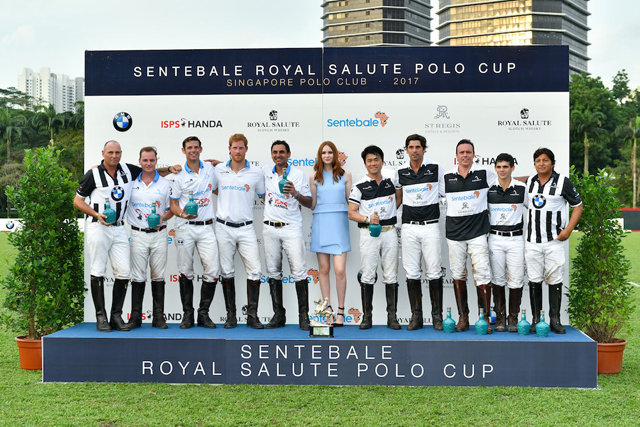
Sentebale Royal Salute Polo Cup

Holladay pointed to the St Regis-sponsored 2017 Sentebale Royal Salute Polo Cup, held the past Monday at The Singapore Polo Club, as an example of how the new Live Exquisite promise is delivered. She said that the polo game in the afternoon featured a lifestyle event that is a firm tradition with the St Regis brand – and one that is appreciated by St Regis followers and guests – while the charity ball that evening was held in an unexpected botanical paradise setting in The St Regis Singapore’s John Jacob Ballroom.

“It means so much to us when Prince Harry (the guest of honour) remarked in his speech how impressed he was with the theme and the ballroom’s setup. The hotel delivers our positioning of living exquisitely,” she told TTGmice.

Supporting the repositioning is a new print campaign which uses beautiful lifestyle photographs in different settings as well as a stronger reliance on the St Regis Connoisseur programme which calls upon trend setters who share the same lifestyle as St Regis guests, to provide ideas on how impressive travel experiences should be delivered at St Regis properties.

The programme, which now counts professional polo player Nachos Figueras and singer-songwriter Jamie Cullum among its ambassadors, will soon be joined by Chinese millionaire and jewellery designer Wan Bao Bao. Wan will also design a unique piece of jewellery that will be retailed in limited quantity at St Regis hotels and online boutique.

More unique guest experiences “created through the lens of the St Regis Connoisseur programme” are in the pipeline, revealed Holladay.

Presently, the St Regis experience includes inviting guests to world-class polo events and Jazz Legends performances at its properties worldwide, and these have proven popular with both leisure and business travellers, according to Yeoh Fay Linn, senior director, brand management & marketing Asia Pacific, Marriott International.

The focus on exquisite experiences will also benefit C-level meetings held at St Regis properties.

“When executives come together for a meeting, they also want a memorable experience. I see opportunities for our properties to help curate unique experiences for meeting groups (and) that is another initiative we are focused on going into the end of 2017 and next year,” said Holladay. “Whether the traveller is here for leisure or business, the Live Exquisite promise should be communicated through all the (hotel’s) touchpoints.”

Designer playgrounds, early check-in crown Changi Airport’s new Jewel

0

Changi Airport has unveiled the latest features in its upcoming lifestyle complex Jewel, with designer play attractions, dining outlets and walking trails crowning the 14,000m2 Canopy Park at the topmost level.

CEO of Jewel Changi Airport Development, Hung Jean, shared that Jewel hopes to attract transit passengers – which make up 30 per cent of Changi Airport’s traffic – as well as travellers from various FlyFerry, FlyCruise and CoachFly trips.


Sky Nets

She revealed that Jewel will also provide early check-in services for passengers across all carriers and terminals, including for airlines whose counters have not yet opened for check-in.

“Jewel is meant to elevate the tourism mindshare that (Changi Airport is) getting internationally,” Hung said. “If you have a longer transit, there’s so much more to do at Jewel.”

The main draw will be the Canopy Park’s three main play areas, open to visitors of all ages. The Sky Nets will consist of a 50m-long walking net suspended at 25m and a 250m-long bouncing net at eight metres above ground.

They are respectively designed by European consultants Officium and Chien Noir, both known for their net and rope installations around the world.


Canopy Mazes

The opposite end will feature a sprawl of two Canopy Mazes created by international maze designer Adrian Fisher. The first will be Singapore’s largest hedge maze with 1.8m-high hedges, changeable paths and a lookout tower; the second is an outdoor mirror maze complete with an infinity chamber.

Finally, Singapore consultancy Playpoint is collaborating with Dutch design company Carve to create the Discovery Slides, a massive art sculpture that doubles up as four play slides. This structure will also provide a 6.5m-high observatory deck for visitors to enjoy views over the rest of Jewel.

Other features that were also announced include four Foggy Bowls for young children to play in mist and a 50m-long glass-floored Canopy Bridge suspended 23m above ground.

The Canopy Park will also have a communal Canopy Plaza of F&B offerings that can be converted to host events for up to 1,000 attendees.

Jewel is slated to open in early 2019.

China regains luxury appetite but travel budgets stagnate

0
Forward bookings for APAC growing slower than for longhaul desitnations

In 2016, Chinese luxury spend increased 20 per cent and returned to pre-2013 levels, according to chairman and chief researcher of the Hurun Report Rupert Hoogewerf, but buyers interviewed at ILTM Asia say this is not translating to fatter holiday budgets.

Hurun’s 2017 The Chinese Luxury Traveller Report states that purchasing power of respondents rose 57 per cent, from RMB14 million (US$2.1 million) per capita in 2015 to RMB22 million, as the effects of China’s 2013 anti-corruption measures ease.

Last year also saw the highest average willingness to spend extravagantly on accommodation, Hoogewerf said, with 60 per cent of wealthy Chinese travellers spending at least US$500 per night on rooms – although average household travel expenditure was relatively unchanged at RMB380,000.

Speaking to TTG Asia at ILTM Asia, Wang Ze Lin, outbound director of Resort Saloon, an agency operating under China Environment International Travel Service, observed a dip in Chinese travel spend in the past year.

In 2014 and 2015, the company’s bookings for resort destinations such as the Maldives, Mauritius, Fiji and Tahiti were typically for five-star or five-star plus properties. But from 2016, the trend turned towards four-star properties, said Wang, citing the possible effects of slowing economic growth.

On the other hand, senior trip consultant at Deep Blue Trip, Eric Lee, has seen travel budgets grow in the past year due to a preference for smaller groups, personal vehicle and guide, and better quality services.

Meanwhile, assistant general manager of CYTS Sparkle Tour, Aymeric Naudin, pointed out that Chinese luxury travellers prioritise their spend differently depending on what part of the world they are visiting.

In Europe, “accommodation is generally not the primary allocation” as Chinese travellers prefer to splash out on activities, meals and shopping, said Naudin.

“In Asia, the budget for accommodation is very important. It’s all about affording a great resort with (ample amenities) as Chinese travellers (tend to) spend most time privately with their family in a villa.”

St Regis repositions brand, promises more exquisite guest experiences

0

St Regis Hotels and Resorts is undergoing a brand repositioning to stay modern and relevant, and part of the new brand delivery will include a new “Live Exquisite” tagline and more experiential guest programmes developed by the St Regis Connoisseurs.

Lisa Holladay, vice president and global brand leader for St Regis, told TTG Asia the new positioning is built “all around living exquisitely”, and will retain the heritage, traditions and rituals the brand is known for.

Holladay pointed to the St Regis-sponsored 2017 Sentebale Royal Salute Polo Cup with Prince Harry as the guest of honour, held Monday at The Singapore Polo Club, as an example of how the new Live Exquisite promise is delivered. The polo game in the afternoon featured a lifestyle event that is a firm tradition with the St Regis brand, while the gala dinner that evening was held in an unexpected botanical paradise setting in The St Regis Singapore’s John Jacob Ballroom.

Also supporting the repositioning is a new print campaign which uses beautiful lifestyle photographs in different settings as well as a stronger reliance on the St Regis Connoisseur programme established in 2010. The programme calls upon trendsetters who share the same lifestyle as St Regis guests to provide ideas on how impressive travel experiences should be delivered at St Regis properties.

The programme, which counts professional polo player Nachos Figueras and singer-songwriter Jamie Cullum among its ambassadors, will soon be joined by Chinese millionaire socialite and jewelry designer Wan Bao Bao.

Yeoh Fay Linn, senior director, brand management & marketing Asia-Pacific, Marriott International, revealed that Wan will design a unique piece of jewelry that will only be retailed in limited quantity at St Regis properties and online boutique.

Coming up soon, the Live Exquisite promise will be delivered through a fashion project lead by another Connoisseur, fashion brand Marchesa. “Marchesa will design a collection of kaftans… bearing designs unique to our St Regis properties in resort locations,” shared Holladay.

Holladay also revealed for the first time that a search is underway for a “younger Connoisseur, perhaps a teenager” to give the brand a “younger perspective on how the brand can be enjoyed”.

She said: “These days, couples are travelling with their children, but they aren’t leaving their children with a babysitter at the resort. They want to spend quality time together. Children who grow up with frequent travellers – the kind who are our guests – are so well travelled themselves (so we can benefit from their perspectives).”