Wharf Hotels has opened the second hotel in its luxury portfolio, the Niccolo Chongqing; also a member of Global Hotel Alliance’s Ultratravel Collection.
Niccolo Chongqing is located on levels 54 through 62 of the mixed-use Chongqing IFS building in Jiangbeizui, and offers 252 guestrooms and suites. Facilities include a spa with five treatment rooms, gym, a 20m-long indoor pool, and three F&B venues. For meeting and events spaces, there is a 11m-high The Conservatory on level 61, The Courtyard on level 4, the Niccolo Ballroom which can accommodate up to 700 guests, and 10 function rooms.
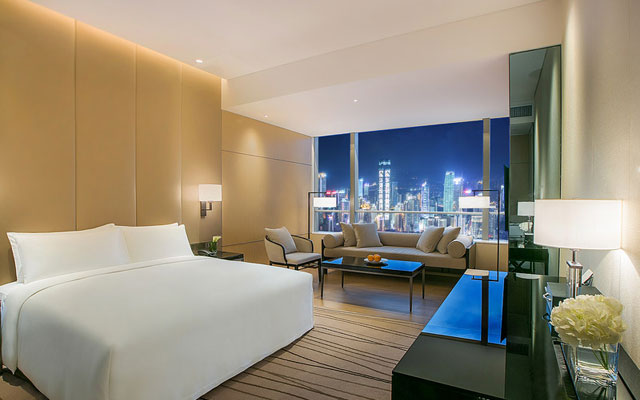
Niccolo Chongqing’s N2 Grand Riverview Room
The hotel has released a special opening offer from RMB 818 (US$125) per room per night, including one night’s stay in an elegant N1 Deluxe Room overlooking the city, buffet breakfast for one at Niccolo Kitchen and RMB 100 cash credit to be enjoyed across the hotel’s dining concepts. Also included are a welcome fruit amenity and complimentary soft drinks from the mini bar.
Guests booking N3 Grand Deluxe Rooms and Suites may enjoy the additional benefit of five per cent off at selected retail stores at Chongqing IFS mall. Reservations may be made at (86) 23 6508 8888, via resv.ncq@niccolohotels.com or at niccolochongqing.com.
Private jet journey begins in Tokyo and covers destinations like Bhutan, Greece and Montenegro
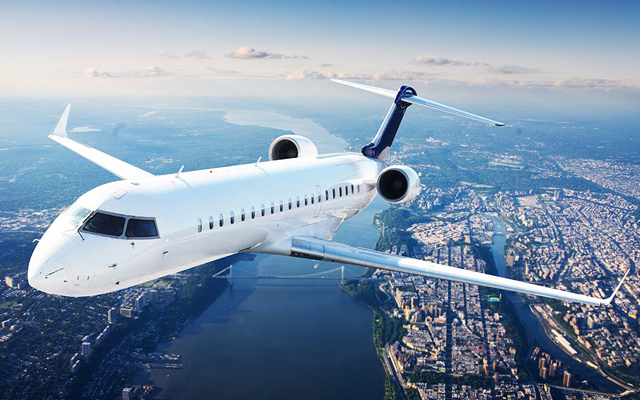
Hospitality brand Aman has teamed up with luxury travel designer Remote Lands to launch a 22-day private jet expedition.
Taking place from April 15 to May 6, 2018, a refitted Airbus ACJ 319 – complete with bedrooms and bathrooms – will take 16 travellers across nine countries: Japan, China, Vietnam, Thailand, Bhutan, India, Greece, Montenegro, and Italy.
Private jet journey begins in Tokyo and covers destinations like Bhutan, Greece and Montenegro
Nights will be spent in an Aman hotel in each destination. For instance, the journey will begin in Tokyo, where guests will stay at Aman Tokyo, and end in Venice with a stay at Aman Venice. Moreover, every couple or solo traveller having access to their own private car, driver and guide for all transfers and excursions.
For more details on the expedition itinerary, the resorts and hotels, the Airbus ACJ 319 or the excursions and activities on offer in each destination, visit aman.com.
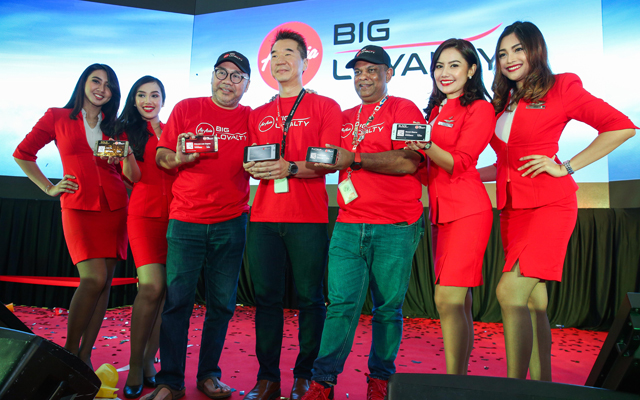
(From left) AirAsia X Group’s Kamarudin Meranun AirAsia BIG Loyalty’s Eddy Leong and AirAsia Group’s Tony Fernandes at the launch event held at AirAsia Red Q, Sepang, Malaysia
AirAsia has overhauled its loyalty programme, aimed at making it easier and faster for passengers to earn points.
Under the Freedom Flyer Programme, powered by AirAsia BIG Loyalty, the more guests fly with AirAsia, the faster they will earn points, regardless of how much they spend on fares.
(From left) AirAsia X Group’s Kamarudin Meranun AirAsia BIG Loyalty’s Eddy Leong and AirAsia Group’s Tony Fernandes at the launch event held at AirAsia Red Q, Sepang, Malaysia
It is based on a four-tier system, starting with Red for guests who fly 13 or fewer one-way shorhaul flights in the preceding 12 months, through to Gold and Platinum, and all the way up to Black for those who fly 50 or more times with AirAsia.
For every RM10 spent (other currencies are based on exchange rates), Red, Gold, Platinum and Black status members can earn up to 20, 40, 70 and 120 BIG Points respectively.
While Thailand is generally perceived as a safe destination, local tour operators believe that more could be done to improve the safety standards to prevent fatal incidents and injuries involving tourists in the country.
Chotechuang Soorangura, associate managing director of NS Travel & Tours, stated that the safety measures for foreign tourists in Thailand are not adequate due to lax rules and weak enforcement.
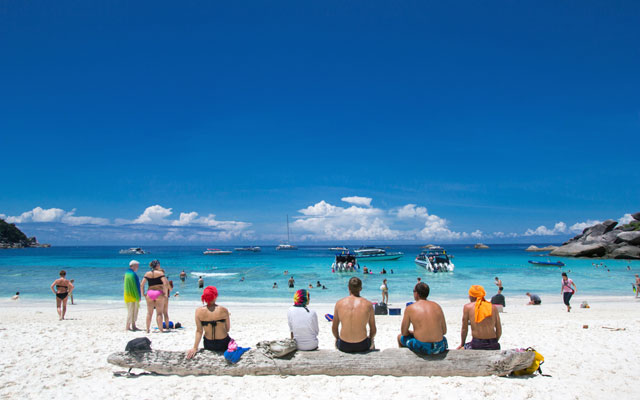
More needs to be done to ensure tourists safety; Phang Nga, Thailand pictured
“Tourist safety in Thailand is considered less than advanced countries such as Switzerland where the tourism authority takes safety regulations seriously. For example, they will examine their cable cars regularly to ensure the safety of tourists visiting the Alps,” said Chotechuang.
On the contrary, new laws to improve safety standards were only introduced by the Thai authorities following recent zipline injuries and accidents in Chiang Mai, he added.
“The Ministry of Tourism and Sports needs to seriously put regulations into effect and inspect tourism activities regularly in order to solve the tourist safety problem in the long term,” Chotechuang urged.
Accidents involving tourists in Thailand also stem from miscommunication, he noted. It is not uncommon for Chinese tourists to misunderstand warning signs – for example, a red flag at the beach may not be interpreted as a sign against swimming in the sea.
Tour operators also err on the safe side by deploying their own safety standards to select reliable suppliers in the country.
“As a tour operator, Diethelm Travel always takes our responsibilities very seriously in selecting products and suppliers that not only have all necessary operating licences and insurance policies, but also meet our own strict health and safety guidelines,” Oscar Lopera, group product and contracting director of Diethelm Travel Group told TTG Asia.
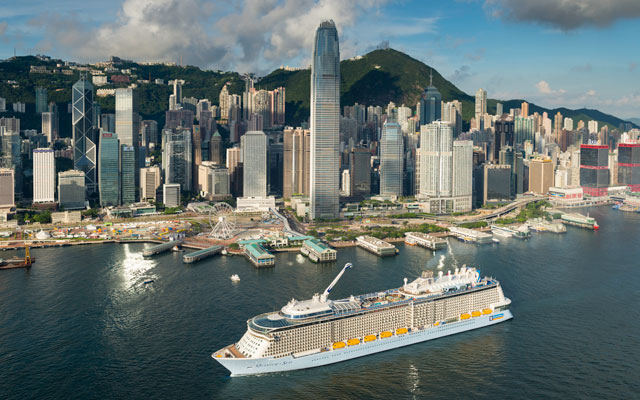
Royal Caribbean International's Quantum of the Seas in Hong Kong
In 2017, Asia’s booming cruise industry saw 10,196 operating days scheduled, a 137 per cent increase from 2013, effectively tripling the total passengers carried from 1.5 million in 2013 to 4.2 million, according to newly released figures from Cruise Lines International Association (CLIA).
Sixty-six cruise ships are being deployed in Asian waters for the year, including five mega ships (more than 3,500 passenger capacity), 13 large (2,000-3,500 passengers), 26 mid-size, 17 seasonal small ships and five seasonal expedition ships. This marks a 53 per cent growth from the 43 ships cruising Asia in 2013.
Royal Caribbean International’s Quantum of the Seas in Hong Kong
The report found that Asian travellers predominantly take cruises within the region. Out of the 2,086 sailings scheduled for Asian waters in 2017, 1,992 cruises (95.4 per cent) will remain within Asia, while an additional 94 voyages are scheduled to pass through the region. Total sailings in and through Asia has increased 142 per cent, from 861 cruises and voyages in 2013 to 2,086 in 2017.
In 2016, a total of 3.1 million Asians took cruises, 55 per cent more than in 2015. Of these, 68 per cent or 2.1 million were from China, a market which grew by 99 per cent last year and at a four-year CAGR of 76 per cent, making the country the world’s fastest-growing major source of passengers.
Meanwhile, the direct economic contribution of cruise tourism across North Asia last year consisted of US$3.2 billion in direct expenditures, US$1.5 billion in value-added goods and services, and 23,697 full- and part-time jobs paying US$754.5 million in employee compensation.
Combining the direct, indirect and induced contributions, the total economic contribution of cruise tourism in the three North Asia economies of China, Japan and South Korea amounted to US$7.2 billion in output, US$3.2 billion in value-added goods and services, and 51,631 full- and part-time jobs paying US$1.5 billion in employee compensation.
Commented Joel Katz, executive director, CLIA: “While the Asian cruise market has grown tremendously within the past four years – it has the potential to capture a much larger percentage of the Asian population, which could catapult Asia’s capacity share ahead of competing markets.”
Hotels are now able to offer accommodation and flight packages on their websites with the integration of Sabre Hospitality Solutions’ SynXis Central Reservations’ and Time Design’s booking engine, a move that is expected to shift the distribution balance towards hotels.
Travellers visiting a hotel’s official website with Time Design’s Global Dynamic Package Solution will be able to choose airline tickets from a variety of airline carriers by specifying the airline name, alliance, prices, departure and arrival times, flights routes and other inputs.
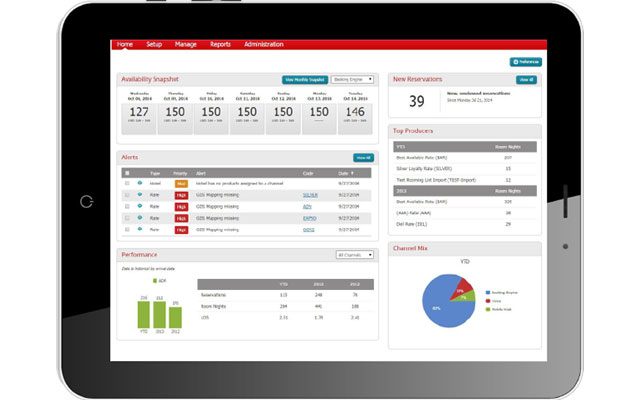
SynXis Central Reservations tool
This will provide another option for travellers, previously only able to book hotels and flights at the same time through a travel agent or OTA.
“This also (allows) hotels to improve their service offering and reduce channel cost against OTAs,” added Yuzo Takamatsu, president and CEO of Time Design. “We believe hotels’ official websites offer the best deals nowadays and want to shift the existing distribution to hotels’ official websites by letting the hotels to have travel packages as their sales option.”
Sabre Hospitality Solutions’ SynXis Central Reservations provides rate and inventory distribution through online and offline distribution channels; connects more than 450 OTAs, website and mobile booking engines; and integrates property, revenue management, loyalty and content systems.
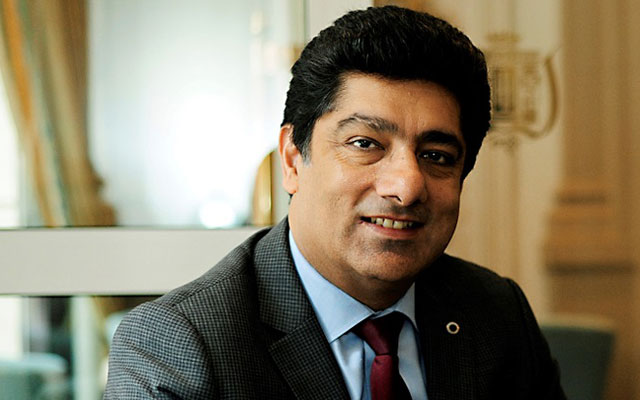
The Indian Hotels Company Limited (IHCL), which runs the Taj chain of hotels, has appointed Puneet Chhatwal as the new CEO and managing director.
Chhatwal will replace Rakesh Sarna, who is stepping down from September 30, 2017.
He is currently CEO and member of the executive board of Deutsche Hospitality, the Germany-based hotel chain that operates the Steigenburger chain of hotels in Europe, the Middle East and Africa.
The Indian-born Chhatwal first started his career in India, and has amassed over three decades of leadership experience in the hospitality sector in Europe and North America.
Mekong Kingdoms has unveiled a new fleet of five cruise ships, spanning a flagship sailing between Luang Prabang and Chiang Khong/Chiang Rai to a “floating lounge” for charter.
The fleet’s flagship, the 13-all-suite Bohème, accommodates up to 26 pax on two- and three-night cruises between Luang Prabang in Laos and Chiang Khong /Chiang Rai in Thailand, starting from US$1,300. The ship features a royal suite and 12 deluxe suites (with air-con, en-suite bathroom & private balcony), an expansive sundeck, lounge, wine cellar and spa.
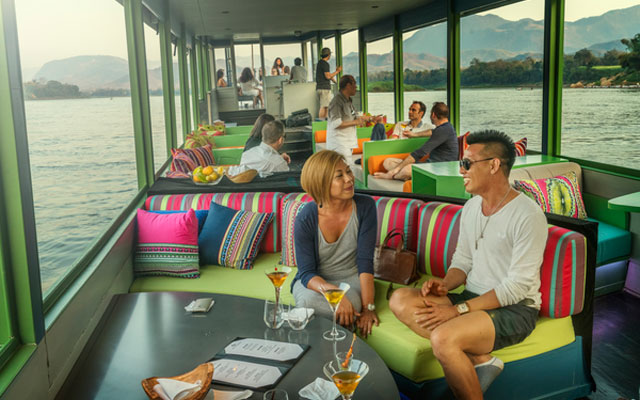
Guests onboard Monsoon
Gypsy is an ultra-exclusive two-cabin cruiser, which takes up to four pax on a highly-customisable journey from Luang Prabang. The all-inclusive cruise costs US$3,500 a night for three/four pax or US$2,500 for one/two pax.
A third member of the fleet is the 40m-long Monsoon shuttle, which takes guests on a full-day tour of Luang Prabang’s temples, through the Mekong River to Pak Ou Caves, or a sunset cruise. Prices start from US$48 per person inclusive of cocktail canapés and non-alcoholic beverages.
Catering to partygoers, families, or couples, Play is a 42m-long lounge ship and water limo-for-hire featuring an open sundeck, lounge bar, TV and sound system and air-conditioned private room with a bar. The ship can host half or full-day private excursions on the Mekong River, with prices staring from US$750 for 15 pax on a four-hour trip.
And for private explorations for two, Mekong Kingdoms has the Nomad, offering a champagne sunset cruise priced from US$165.
Despite being most likely to admit that they don’t enjoy travelling with children in tow, Asian parents are also the least willing to leave their children behind when they go on holidays, according to new findings by Expedia and research firm Northstar.
Almost all surveyed go on vacation at least once a year with their family, while non-parents tend to only go once a year. Regional differences are striking, the research shows, with those in Asia and southern Europe and Mexico, the most likely to prioritse getting away with family as often as they can.
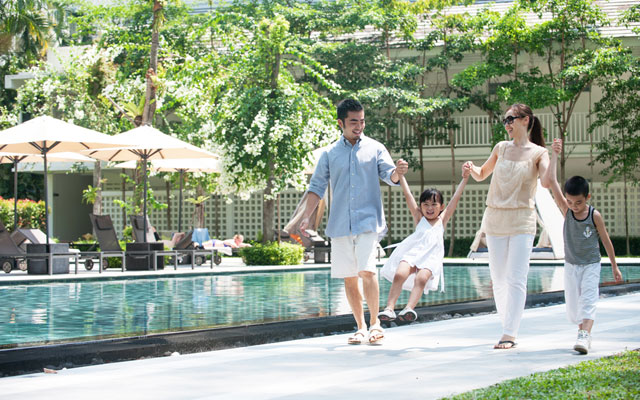
Family travel is still popular in Asian markets
South Korean travellers led the charts in terms of commitment to family holidays, with 74 per cent of teens vacationing with family more than twice a year, along with 68 per cent of parents and 57 per cent of non-parents. On the other end is Hong Kong, with just 29 per cent of teens, 25 percent of parents, and 21 percent of non-parents taking a family vacation more than once a year.
Notably, the report revealed that Hong Kong (47 per cent) and Taiwan (40 per cent) have the highest proportion of parents who indicated they do not enjoy holidays when travelling with their children. Comparing between regions, the sentiment is strongest in Asia, with an average of 27 per cent per nation agreeing, compared to 17 per cent in Europe.
The markets least likely to choose their children as their favourite travel companions are also in Asia – Malaysia (32 per cent), Taiwan (32 per cent) and Hong Kong (33 per cent).
Yet, parents from these countries are relatively less willing to travel without their children. Only 19 per cent, 23 per cent and 27 per cent from Malaysia, Taiwan and Hong Kong respectively are willing to leave their children behind on their travels.
The markets most reluctant to travel kid-free are Thailand (six per cent) and South Korea (eight per cent), while those most willing are Finland (82 per cent), Mexico (64 per cent) and Spain (56 per cent).
Reconnecting with a partner is the main reason to leave the children behind in Malaysia (67 per cent), Canada (65 per cent), Singapore (61 per cent), Denmark (61 per cent) and the US (61 per cent).
Meanwhile, few parents show interest in traveling with their own parents, although some interest does show up in Asia, led by Thailand (24 per cent), Malaysia (16 per cent) and South Korea (15 per cent).
Still, family travel continues to play a key role especially for Asian travellers. Parents in Asia were much more likely to agree that most of their favourite memories occurred on family vacations, led by parents in Thailand (82 per cent), Malaysia (81 per cent), South Korea (74 per cent) and Taiwan (69 per cent).
Most teens in nearly all countries say that a majority of their favorite memories occurred on family vacations, with the exception of Hong Kong (48 per cent) and Japan (44 per cent).
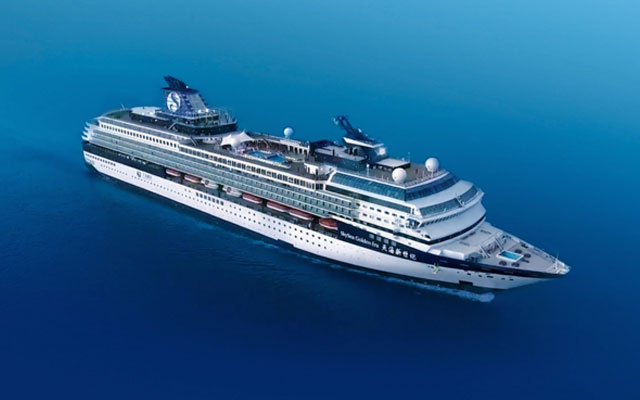
This month, China’s SkySea Cruise Line will begin accepting direct bookings on its upgraded website and roll out Alipay mobile payment on its SkySea Golden Era ship.
Launching on September 12, the upgraded website will feature a direct booking function, alongside new features such as Quick Booking and Online Room Selection.
Alipay will be introduced on the SkySea Golden Era ship in September
Using the Quick Booking tool, guests will be able to participate in online sales events without having to fill in all the passenger information initially. In addition, the online room selection feature will allow guests to choose their preferred room in advance, akin to pre-selecting seats on a flight, which SkySea says would facilitate the process for guests looking to select rooms near friends and family.
From September 17, the Alipay payment option will be introduced on SkySea Golden Era, allowing guests to make payment instantly instead of having to link their credit card to their room or pay a fixed deposit.
Guests will be able to use their mobile phone-bound Alipay accounts for most ship purchases, including at the service center, restaurants, bars and duty-free shops.