The demand to visit Malaysia among Indonesian travellers continues to grow despite competition from other regional destinations, driven by what outbound agents say is a compelling combination of easy access, affordability and the variety of product offerings in the country.
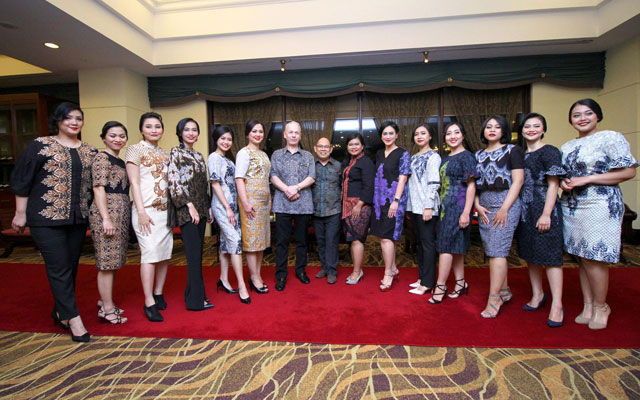
This was apparent in the enthusiastic reception to the Malaysian Association of Tour and Travel Agents’ (MATTA) roadshows in Jakarta and Surabaya earlier this week, which brought together 35 sellers, comprising agents, hotels and theme parks, to promote Malaysia’s latest tourism products and offerings to Indonesian agents.

The MATTA event, jointly organised with the Association of the Airline Ticketing Companies in Indonesia (ASTINDO), received strong interest from hundreds of travel specialists from Jakarta and Bandung for the Jakarta event, and Surabaya and its surrounding areas for the Surabaya event.
Deputy secretary general of ASTINDO, Pauline Suharno, who is also managing director of Elok Tour, thinks the warm agent reception is in part due to the participation of new Malaysian sellers such as Desaru Coast and Asia-Pacific Masters Games in Penang.
“Besides tour operators selling tour packages, there are also hotels and attractions wholesale ticketing agents. This allows us to have a variety of products to sell as not all Indonesians — especially those who are familiar with Malaysia — like to buy tour packages.
“There are travellers who go to travel companies like ours to buy just air tickets, hotel rooms or entry tickets to attractions,” she elaborated.
The Indonesian outbound specialists TTG Asia spoke with also pinpointed the easy access between Indonesia and Malaysia as a key factor stoking demand for the latter. There are at least 600 flights per week connecting primary and secondary cities of both countries.
Besides, Pauline said, Malaysia is also a convenient hub for travel to a third country due to its ample direct flights, not only from Kuala Lumpur but also from other cities in the country.
Mangara Gultom, chairman ASTINDO Jakarta Chapter, opined that Malaysia’s affordability has been a strong pull factor for Indonesians.
“This many flights available makes the prices more competitive. Besides, sellers at a road show like this usually come up with new offerings, allowing us to create new or updated products and special offers,” Mangara said.
Meanwhile, Noviyanti Chandra, general manager of Happy Tour, sees traveller interest in multi-country packages like a seven-day overland tour combining Singapore, Kuala Lumpur and Hat Yai in Thailand, which was created after she observed a trend of young Indonesians wanting to collect passport stamps.
“Our target is the first-time traveller abroad. But surprisingly, the repeaters also like this package, perhaps because this tour gives them more experience and experiential travel is highly sought after by Indonesians,” Noviyanti said. – Additional reporting by Mimi Hudoyo