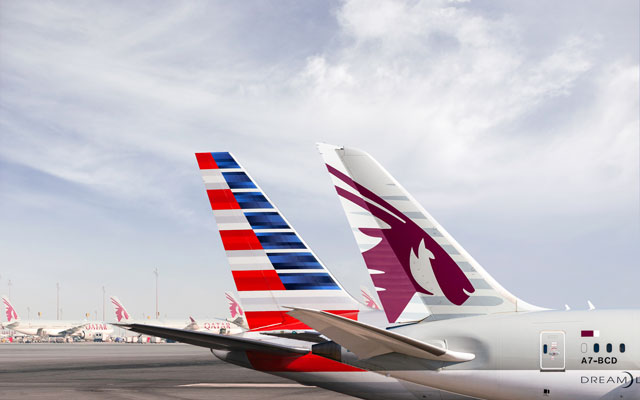
Qatar Airways has signed a strategic partnership deal and revived its codeshare agreement with American Airlines (AA) in a move that will increase commercial cooperation, bolster connectivity and create hundreds of new travel options for the airlines’ customers.
The new agreement will link some of the largest airport hubs in the US to Hamad International Airport in Doha.
Qatar Airways, American Airlines sign strategic partnership deal
AA chairman and CEO Doug Parker said: “The issues that led to the suspension of our partnership two years ago have been addressed and we believe resuming our codeshare agreement will allow us to provide service to markets that our customers, team members and shareholders value, including new growth opportunities for American Airlines.”
Under the agreement, Qatar Airways’ passengers will be allowed to travel on AA’s domestic flights departing Boston, Dallas, Chicago, Los Angeles, Miami, New York, and Philadelphia, as well as on AA’s international flights to and from Europe, the Caribbean, Central and South America.
On the other hand, AA passengers will be able to book travel on all Qatar Airways’ flights between the US and Qatar, as well as to a range of destinations in the Middle East, East Africa, South Asia, the Indian Ocean and South-east Asia.
Both airlines will also explore the opportunity for AA to operate flights between the US and Qatar, along with a number of joint commercial and operational initiatives to further strengthen this renewed partnership.
Air New Zealand (Air NZ) has introduced a new lie-flat prototype sleep product, dubbed Economy Skynest, which features six full-length lie-flat sleeping pods in the economy class cabin.
The sleeping pods, which measures around 200cm by 58cm, are the result of three years of research and development, with input from more than 200 customers at the airline’s Hangar 22 innovation centre in Auckland.
Air New Zealand’s economy passengers will now be able to lie flat on select long-haul flights
Each pod will include a full-size pillow, sheets and blanket, ear plugs along with privacy curtains and lighting designed for sleep. ANZ is also exploring other features such as separate reading light, personal device USB outlet, and ventilation outlet.
ANZ chief marketing and customer officer Mike Tod said: “A clear pain point for economy travellers on long-haul flights is the inability to stretch out. The development of the Skynest is a direct response to that challenge.”
The airline will decide whether to operate the Skynest next year after assessing the performance of its inaugural year of Auckland-New York operations.
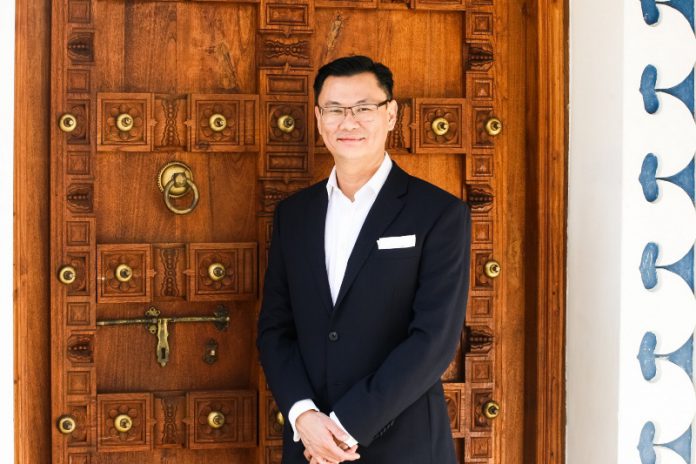
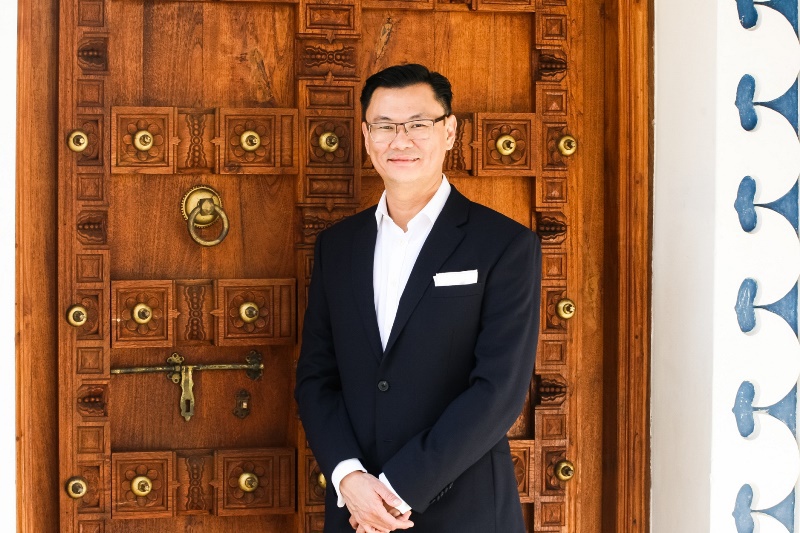
Al Bait Sharjah has named Albert Meow as hotel manager of the 53-key hotel that opened recently in the United Arab Emirates’ (UAE) third-largest city.
In this role, Meow will oversee daily hotel operations and focus otherwise on sales and marketing. His near-term priority is a strategic planning project that will expand the property’s reach in local and international hospitality markets.
Overall, Meow has more than 20 years of experience in the hospitality industry. Before joining Al Bait Sharjah, Meow was sales and marketing director at The Oberoi Beach Resort Al Zorah, Ajman.
Meow launched his career in sales at Shangri-La’s Rasa Sayang Resorts & Shangri-La’s Golden Sands Resort in Malaysia where he worked as director of events management. In 2003, he joined Traders Hotel Dubai, UAE as business development manager and moved from there to Banyan Tree Hotels & Resorts Angsana Dubai for a two-year term as assistant director of sales.
In 2009, he settled into Banyan Tree Al Wadi & Banyan Tree Ras Al Khaimah Beach as director of sales until June 2016.
Global travellers are becoming increasingly conscious of the environmental impact of their travels, but may not prioritise eco-friendly holidays or be aware of how to adopt sustainable practices. Hence, the mantle falls to travel operators who need to take a proactive role to push for change.
These findings form the backbone of a study by STR’s tourism consumer insights department which surveyed more than 1,000 active travellers in January 2020 – comprising 67.4 per cent living outside the UK and the rest within – on environment issues and sustainability in the tourism industry.
The tourism industry still has a long way to go to achieving sustainable development goals
Environmentally friendly holidays are important to travellers: fact or fiction?
The majority of travellers take the issue of sustainable tourism seriously, with almost 50 per cent of respondents stating that choosing an environmentally friendly holiday option was important to them, while 40 per cent chose a neutral position. The study found that Generation Z (those born in the mid- to late-1990s) travellers placed higher importance on environmentally friendly holidays.
Despite the strong intent to undertake sustainable holidays, 37 per cent of respondents highlighted that they struggle to find the best way to be environmentally friendly. This points to the need for additional and clearer information, from the travel industry and other organisations, about the steps travellers can take to reduce their carbon footprint.
As well, a staggering 92 per cent of respondents stated that they were concerned about climate change, reinforcing the idea that sustainability is at the forefront of their destination selection and how they get there.
However, despite broad concerns about climate change, there were split views on whether travellers would avoid destinations with poor environmental credentials. Just over a third of panelists wouldn’t visit a country they perceived to show insufficient efforts to fight climate change, while the remainder (65 per cent) indicated that they would not be deterred or were undecided.
Sustainability starts at home
The study also found that many travellers have already made efforts to minimise their environmental impact. Some 50 per cent disagreed that “actions by individuals will never be enough to combat climate change”, highlighting the eagerness to make a positive difference in combating climate change.
Similarly, travellers demonstrated a high incidence of recycling, with nearly 90 per cent stating that they currently recycle their waste – far higher than the UK average of 45 per cent. Further highlighting the strong environmental conscience of active travellers, 85 per cent stated that they were minimising their use of single-use plastics, while 67 per cent claimed that they regularly buy locally grown food.
The travel industry still has plenty to do
As travellers change their lifestyle habits to minimise contributions to climate change, this affects how they view numerous industries, including tourism.
STR asked panelists how “green” they perceived key sectors of the tourism industry to be, such as accommodation providers and airlines. Some 60 per cent believed there is little or no effort to be sustainable among hotels and other accommodation providers.
While this finding highlighted generally negative perceptions of the efforts made by accommodation operators, the industry was less poorly perceived in comparison to cruises, airlines, bus tours and train operators.
What steps can tourism operators take to be more sustainable? One important move for the accommodation industry would be to minimise food waste. Again supporting the view that travellers, although eco-conscious, might not always rule out potentially environmentally harmful activities, there were mixed views that breakfast buffets should be stopped to reduce food waste. That said, a slight majority favoured the idea.
There were also mixed views as to whether travellers should pay more to stay in an environmentally friendly hotel. While some are willing to pay more, most believe this should either be the standard or seem likely to prioritise other aspects of their stay (e.g. value for money) over the hotel’s green credentials.
This might be somewhat problematic for hoteliers now, but evolving perceptions should see greater traveller engagement with sustainability. However, encouragingly, travellers believe that efforts by the accommodation sector, albeit perhaps not considered effective so far, are being taken seriously and are not a crude marketing ploy.
Of note for airlines, travellers believe that frequent flyers shouldn’t be “flight shamed” for their contribution to the climate crisis and 70 per cent were against the movement that has gained traction in Sweden. This could imply a traveller perception that sustainability efforts should be the responsibility of the airlines.
The concept of carbon offsetting has generated much debate in the airline industry, but what do travellers think of this initiative? Some 55 per cent were aware of carbon-offsetting, with 50 per cent supporting the initiative, 15 per cent not in favour, and 35 per cent unsure.
These findings highlight a degree of confusion among travellers regarding the benefits of carbon offsetting and hint that airlines may need to do more to promote and explain these initiatives.
As travellers become more aware of their effect on the environment and how our choices today will impact tomorrow, there is some way to go before both individuals and companies are in sync with their sustainability efforts.
Travellers are expecting more from the tourism sector and will continue to push for change, so the onus falls on the industry to respond and pave the way for sustainable tourism. These are the steps that will preserve tourism for the next generation.
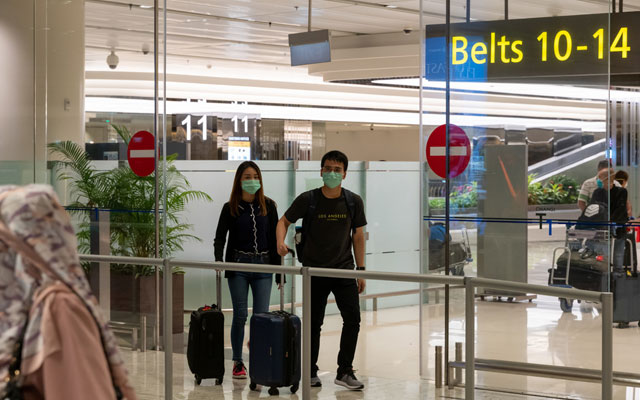
Travellers from Cheongdo county and Daegu city in South Korea will not be allowed to set foot in Singapore, a decision the city-state has made in light of the growing number of Covid-19 cases in these areas.
Returning Singapore citizens, permanent residents and long-term pass holders with a travel history to Cheongdo and Daegu within the last 14 days will be issued a stay-home notice to serve a 14-day quarantine, said national development minister Lawrence Wong, who co-chairs a multi-ministry task force tackling the coronavirus with health minister Gan Kim Yong, reported The Straits Times (ST).
Singapore bans visitors from Cheongdo and Daegu in South Korea
Singapore’s move follows Hong Kong’s decision this week to ban non-resident arrivals from South Korea and to quarantine returning Hong Kong residents.
South Korea has raised its virus alert to the highest red, as the number of confirmed cases rose to 977, with a death toll of 10. In light of this, Gan was quoted by the report as saying that “visitors and returning travellers pose a heightened risk”.
Gan also sounded the alert that given the surge in the number of Covid-19 cases worldwide, Singapore can expect to see the number of cases rise due to “the risk of importation”.
On February 22, the Ministry of Health advised travellers to avoid non-essential travel to Daegu and Cheongdo, and to take precautions when travelling to the rest of South Korea.
The onslaught of the Covid-19 virus has forced many organisers in Singapore to postpone or cancel highly anticipated events, but rock festival Singapore Rockfest II is pushing through in March with its full line-up and enhanced safety measures.
Scheduled for three programmes on March 5, 24 and 27, the event will feature top-billing rock bands such as Scorpions, Whitesnake and Slipknot. To accommodate additional safety measures, event organiser LAMC Productions has made several adjustments, including a shift in venue.
Singapore Rockfest II, featuring top-billing rock bands such as Scorpions (pictured), will go on as scheduled next month
“We changed the venue from Fort Canning Park to Star Theatre in order to add on temperature checks and contact tracing. The venue has stepped up to provide hand sanitising, thermos-scanners and more,” explained Lauretta Alabons, LAMC Productions’ founder.
“By continuing the event, we want to send the message to all businesses and tourists that Singapore is safe and they should not have doubts about coming here,” she shared.
A “large portion” of ticket sales comes from foreign nationals, who either live in Singapore or are visiting from overseas.
To incentivise more tourists to make the trip here for the show, LAMC Productions is reaching out to attractions for partnerships on tourist packages, revealed Alabons. For instance, the company is in discussions with Sentosa Island to develop “extra benefits” for visitors.
She added that the most important aspect for the organiser is to maintain constant and open communication with event partners. “We update the bands, vendors and our partners on the number of reported cases in Singapore and who has been discharged. It’s important to properly communicate with everyone, and make the fans comfortable.”
Hospitality Financial and Technology Professionals (HFTP) and Hospitality Technology Next Generation (HTNG) have decided to launch HITEC Asia this December in Macau.
HITEC Asia joins other HITEC conferences in Europe and the US, a series of events that bring hospitality professionals together for education, networking, best practices, innovation and exclusive marketplaces.
HITEC Asia will launch in Macau this year; HITEC Minneapolis 2019 pictured
“The HITEC brand of conferences is celebrating its 48th year and has become known as the place to learn about and purchase hospitality technology around the globe,” said HFTP CEO Frank Wolfe.
“After years of requests from stakeholders to bring the HITEC brand to Asia, HFTP is excited to announce this event and also very pleased to have HTNG as co-producers for this new venture.”
HITEC Asia is expected to attract over 300 hoteliers and feature some of the best technology suppliers in the region. It will also conduct educational seminars presented by global experts and leading-edge innovation pitches from regional start ups.
“HTNG has been successful in the region for over a decade solving industry standards problems and developing best practices,” said HTNG CEO Mike Blake.
“Due to the strength of HFTP’s HITEC brand and HTNG’s success and network in the region, we mutually decided that our nonprofit organisations could make a much larger impact by teaming up for a stellar conference and exhibition,” Blake added.
Backyard Travel, an online boutique tour operator specialising in insider tours throughout Asia, has launched a new tour package offering an adventure into the northern islands, cities and rainforests of Malaysia.
The 12-day Jungles and Gems of Northern Malaysia tour begins in the foodie destination of Penang, with two days immersed in the colourful culture of George Town, a UNESCO World Heritage Site.
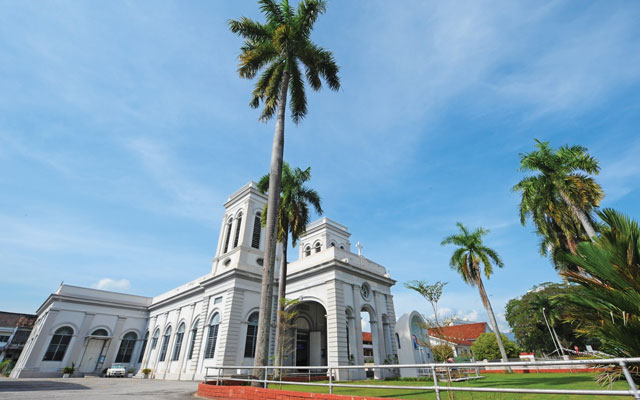
Backyard Travel launches 12-day Northern Malaysia tour, which includes a tour of George Town; Cathedral of the Assumption in George Town, Penang pictured
The itinerary also takes guests to Kuala Kangsar, the royal town of Perak, to explore the majestic sultan’s palace and visit local workshops; as well as Lenggong Valley, another UNESCO site, to experience cultural activities and an overnight homestay, as well as a night trek along the jungle trails of Belum Rainforest Rainforest.
The last four days of the tour will be spent relaxing on the shores of Malaysia’s beaches.
During the East-West Monsoon (from March to October), the journey continues to the remote and largely undeveloped Perhentian Islands in the Gulf of Thailand.
From October to March, in the dry, cool season, the tour heads to Langkawi in the Andaman Sea.
Backyard Travel general manager Trystan Trestchenkoff said: “Peninsula Malaysia is full of cultural and natural treasures to discover, yet it’s still quite unknown on a global scale. This tour provides a look at the little ‘hidden’ treasures of the region, from fascinating UNESCO sites to breathtaking tropical islands.”
Bangkok Airways has partnered AXA Insurance to roll out a new travel insurance scheme for passengers on the airline’s domestic and international flights.
Under the Bangkok Airways’ Protective Wing travel insurance plan, passengers will benefit from both outpatient and inpatient coverages, and will not be required to make advance payment for medical expenses at more than 39,000 hospitals and clinics worldwide.
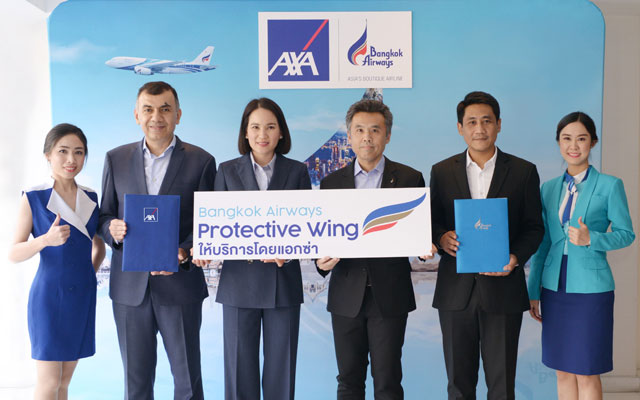
Bangkok Airways’ passengers can now be insured via the airline’s Protective Wing scheme
In addition to full airfare refund protection in case of flight cancellation, passengers will also be fully compensated for any loss or damage to their baggage and personal effects, including sports equipment and musical instruments, up to 20,000 baht (US$630) per policy.
Passengers can purchase the Protective Wing travel insurance plan while they are processing their booking, or after booking their flights at www.bangkokair.com.
Singapore’s flag carrier Singapore Airlines (SIA) has imposed a hiring freeze and is deliberating other measures, including asking staff to go on voluntary no-pay leave, reported The Straits Times (ST).
Following major flight cuts due to the Covid-19 epidemic which has choked Asia’s travel demand, the carrier is facing an excess manpower situation of more than 500 cabin crew members and some 50 pilots, said the report.
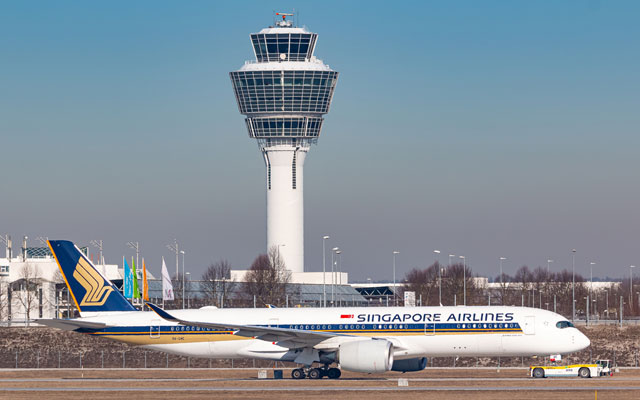
Singapore Airlines suspends hiring among other cost-cutting measures amid Covid-19
In response to queries from ST, SIA had said that amid Covid-19, “a general recruitment freeze has been implemented for all ground positions, and non-essential duty travel has been suspended”.
The airline also added that they are closely monitoring the situation and will not hesitate to take any additional measures if the need arises, but stressed that they will not do anything “that compromises the SIA Group’s long-term competitiveness”.
The report also quoted SIA CEO Goh Choon Phong as saying in a note to SIA staff on Tuesday that following the outbreak, the group – made up of SIA, SilkAir and budget carrier Scoot – has temporarily suspended more than 3,000 flights from February to end-May, which accounts for 9.9 per cent of the group’s scheduled capacity.
He further shared that the airline has also taken other cost-cutting measures, including the deferment of selected capital expenditure and tightening of discretionary operating expenditure.