

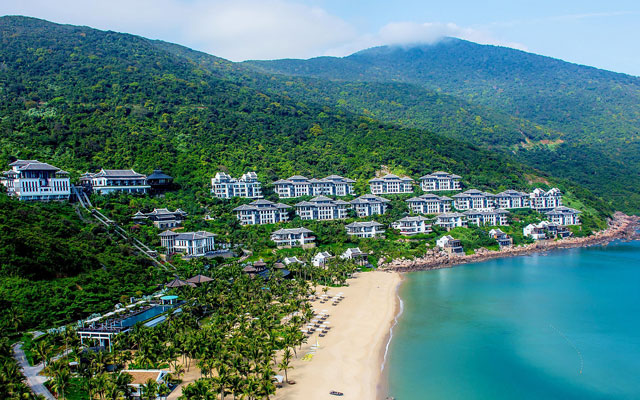
The post-vaccine world: the future of travel and hospitality in APAC
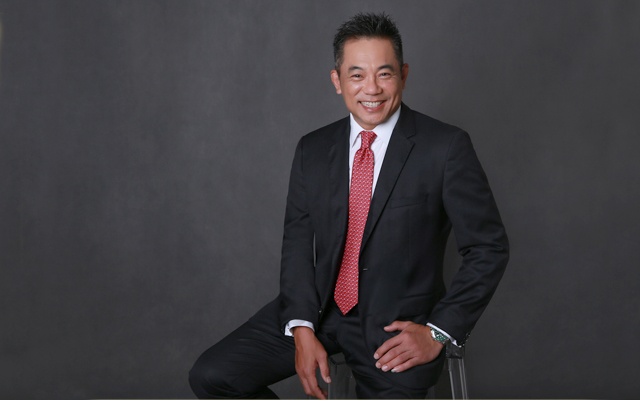
Since the start of the Covid outbreak in 2019, the travel landscape has changed dramatically with people taking trips near home. One key question on everyone’s mind remains: when can we travel freely again?
While a zero-Covid-19 world seems almost impossible, there are promising developments that are taking shape that will lift recovery and as more countries adopt an endemic approach towards travel.
The resumption of large international events such as the Tokyo Olympics exemplifies the confidence in Asia-Pacific’s recovery in the second half of 2021. All eyes are now on us to see how we navigate the next chapter.
The vaccine rollout: Changing the face of travel
The rollout of the Covid-19 vaccine is poised to stimulate the travel and hospitality industry’s long-term revival across the region. Improved accuracy in rapid testing and contact tracing will also help to facilitate cross-border travel and enable the recovery of the sector.
In Singapore, the city-state has been ramping up its vaccination drive to inoculate 80 per cent of its population by September. In parallel, it is looking to allow quarantine-free travel for those who are fully vaccinated, and establish travel corridors with countries or regions where Covid-19 is under control.
Phuket Sandbox is also an encouraging sign of rebound. Paving the way for Thailand’s reopening to international travellers who are fully vaccinated, Phuket’s hotels have seen a significant uplift in occupancy compared to other resort leisure destinations, according to recent STR reports.
The Phuket Sandbox is an important initiative for the travel industry as it offers a framework and model that enables travel into these “green” zones. This can potentially lead to a series of similar rollouts in other destinations.
On the other hand, while China may be experiencing a resurgence of Covid-19 cases, it is demonstrating a swift and firmer approach in managing the situation. Today, China is leading the world in domestic vaccination and will continue to spearhead its aggressive vaccination drive.
With restrictions easing in due time, domestic tourism will regain traction, as exemplified by the surge in Labour Day weekend travel. It also attests to a pent-up demand for travel that will fuel a travel boom for a time to come.
A recent survey found that around three-quarters of business travellers expect to travel the same amount or even more after the pandemic. This denotes a resurgence of business activities and pent-up demand after teleconferencing for months. We believe that business travel is set to become one of the first frontiers to boost the hospitality industry post-Covid.
Paving the way to recovery in a post-vaccine world
As destinations around the world gradually open up their borders to vaccinated travellers, hotel owners and operators will need to adapt and evolve in tandem with the shift in traveller’s preferences. While people are eager to travel for leisure or business, health and hygiene will be paramount as travellers seek a sense of safety.
Innovation and digitisation will be at the fore with a focus on providing guests with seamless experiences that limit contact with others. Adopting a multi-pronged approach will ensure travel remains possible for all, which will mutually benefit individual businesses, the economy, and the livelihoods of many. For Wyndham, through our health and safety initiative Count on Us, our hotels are equipped with a full suite of hygiene protocols to provide our guests with continued reassurance while they stay with us.
In 2020, we opened more than 125 hotels and made 140 signings across Asia-Pacific. Continuing on that momentum this year, as of June 30, 2021, we have signed over 70 hotels and opened 30 directly franchised and managed hotels across China, Malaysia, New Zealand and Vietnam. It is a testament of a shared vision with hotel owners to herald a brighter future in the post-vaccine world.
We will face setbacks and challenges ahead but the hospitality industry is a resilient one. We have bounced back in the past and we can do it again. We will need to adapt and pivot to the changing shape of travel, but those that embrace it will be poised for success.
Capella alleviates energy poverty
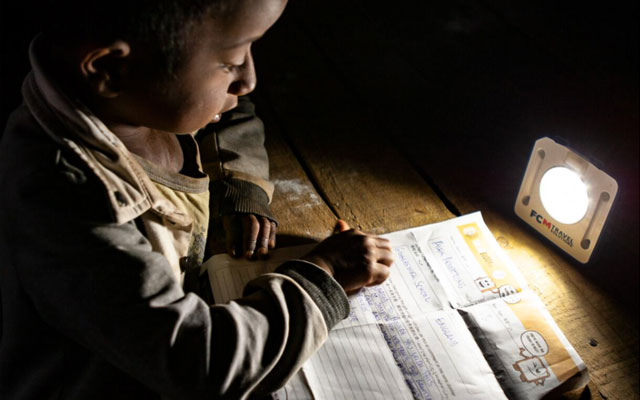
Capella Hotels and Resorts has donated 200 solar lamps to youths facing extreme energy poverty in provinces across Indonesia, Thailand and Vietnam, in commemoration of International Youth Day.
The first initiative in a long-term partnership with SolarBuddy, a global community dedicated to alleviating energy poverty for children, Capella pledges to help youths study after dusk and improve their educational outcomes through the gift of clean, sustainable light.
“At Capella Hotels and Resorts, we believe that each and every child has the right to develop to their full potential,” said Nicholas Clayton, CEO of Capella Hotel Group. “Our collaboration with SolarBuddy was an opportunity that enabled us to amplify our Capella Youth initiative, ensuring every child receives proper education. This is strongly aligned with our philosophy of empowering youth to build a sustainable future for themselves.”
Around the world, 789 million people live in darkness and have minimal access to light when the sun sets. To enable visibility at night, energy-poverty communities depend on rural forms of energy such as using fuel-based kerosene lamps. These energy sources not only emit high carbon dioxide but harm the health and wellbeing of people using them.
Through SolarBuddy’s renewable solar-powered lights, children will benefit from a productive study environment after dusk. The sustainable solar invention also eliminates families’ kerosene expenditure per annum, leading to overall economic development and improvement in quality of life.
One of the beneficiaries include students from Mbinudita, Indonesia, where education remains a challenge with over 50 per cent of the children having no access to electricity back home.
Contributions to Capella’s fundraiser can be made at www.capella.life/solarbuddy. All donations will go directly towards purchasing SolarBuddy’s sustainable solar lights for the beneficiary communities.
Etihad Airways trials Affinidi’s Covid-19 verification solution
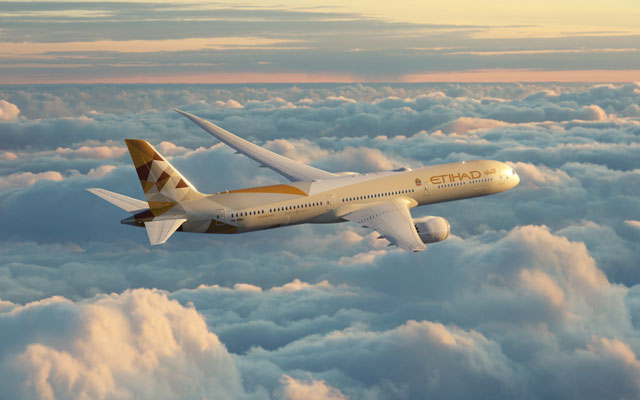
Etihad Airways has partnered with Singapore-based technology company Affinidi to advance the aviation industry’s ability to process Covid-19 test results more efficiently for a more seamless traveller experience.
Currently, travellers are required to book pre-departure tests at accredited healthcare institutions and present the health reports with negative test results to airlines and immigration authorities before they can board their flights. However, the lack of a global standard for digital health credentials impedes the verification process.
Affinidi’s travel verification and interoperable solution reads and authenticates various verifiable QR codes on health reports in a confidential manner, regardless of the issuing authority and format, allowing airlines to process health credentials more seamlessly.
Since March 27 this year, Etihad has been trialling Affinidi’s travel verification solution to authenticate the digital health credentials of passengers travelling from Singapore to Abu Dhabi.
Through this partnership, Etihad was the first airline to trial Affinidi’s Healthcare Network Assessment programme in Bahrain, Cairo, the Maldives, Manila, and Jakarta. Etihad said that it will continue to extend the Affinidi Healthcare Network Assessment across more destinations in its network “over the coming months”.
SIA to serve dishes from famed hawker brands on select flights
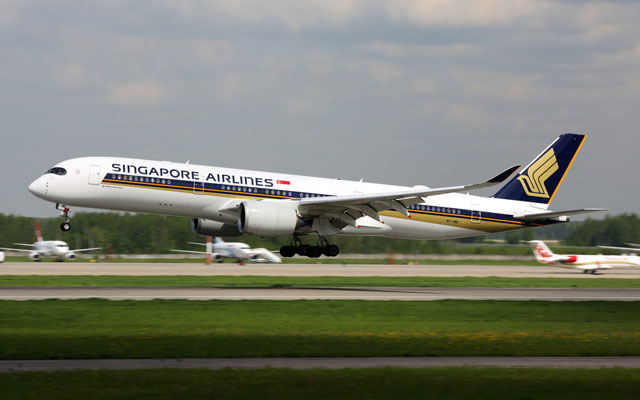
Singapore Airlines (SIA) has launched an initiative to support and collaborate with leading Singaporean brands to offer unique on ground and inflight experiences for its global customer base.
Under the initiative, dubbed Singapore Showcase, SIA has worked with several Singaporean hawker brands to make their dishes available to customers on board the airline’s flights out of the city-state.
These include Boon Tong Kee’s chicken rice, Bismillah Biryani Restaurant’s chicken dum biryani, Song Fa bak kut teh, Qiu Lian ban mian, Kok Kee wonton noodle, as well as the Beach Road prawn noodle.
Starting from September 2021, each hawker dish will be available on rotation on the inflight menu in first class and business class on selected flights departing from Singapore. There are plans to introduce popular dishes by other famous brands in the coming months.
This initiative is also a celebration of Singapore’s Hawker Culture, which was added to the UNESCO Representative List of the Intangible Cultural Heritage of Humanity in 2021, said the airline in a release.
As well, the carrier has partnered local media production and distribution companies such as Encore Inflight, Mediacorp, and MM2 Entertainment to offer more Singaporean content in its KrisWorld in-flight entertainment system from this month. This will include Singaporean movies, documentaries, TV series, music, and podcasts.
SIA has also worked with Scent by SIX, a Singapore artisanal perfume label, to develop a signature scent for the airline. Dubbed Batik Flora by Singapore Airlines, the scent includes floral notes from flowers in SIA’s new batik motif and aims to provide “a unique sensory experience” for the airline’s customers.
The scent will be progressively introduced at key customer-facing SIA locations from October 2021, starting with the SIA service centre at ION Orchard. Customers will also be able to enjoy this signature scent at SIA’s redeveloped SilverKris Lounge at Singapore Changi Airport Terminal 3, when it reopens.
Batik Flora by Singapore Airlines will be produced in the forms of reed diffusers, pillow mists, and an eau de toilette fragrance, and will be available for sale exclusively on KrisShop.com from October 2021.
Step this way into a world of arts and culture
Brought to you by Macao Government Tourism Office (MGTO)

Once upon a time a valuable intermediary for international trade between Asia and the western world, Macao today continues to play an important role in connecting different worlds. However, that connection now feeds the exchange and appreciation of arts and culture.
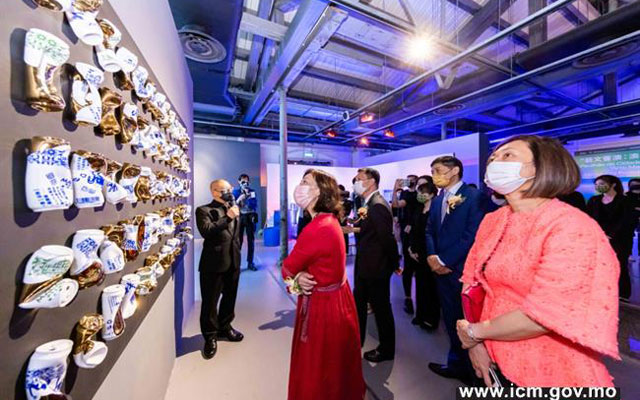
Central to Macao’s recognised status as global arts and culture hub is Art Macao, a massive festival that occurs once every two years to bring the world’s artistic community together with public and private sectors to share diverse visual arts experiences.
Running between July and October this year, the Art Macao: Macao International Art Biennale 2021 adopts the theme, To Create for Well-being, in hopes of reshaping the humanistic spirit in a post-epidemic era through creative ideas.
As the destination transforms into a gallery and art garden for the festival, visitors are invited to explore several sections: Main Exhibition, Special Exhibition of Resorts and Hotels, Public Art Exhibition, Creative City Pavilion, Selected Works by Local Artists and Collateral Exhibition, among many others.
The Main Exhibition, themed Advance and Retreat of Globalization, is curated by Qiu Zhijie, one of the most influential contemporary artists in China and dean of the School of Experimental Art of the Central Academy of Fine Arts. It invites visitors to reflect on and discuss the theme of globalisation through an artistic lens, while echoing the geographical and cultural identities of Macao. The Main Exhibition features a collection of over 100 artworks from more than 40 artists from Mainland China and beyond.
Art Macao: Macao International Art Biennale 2021 also sees the participation of other prestigious cities such as Nanjing, the City of Literature; Wuhan, the City of Design; and Linz, the City of Media Arts.
A host of venues supporting the event includes Macao Cultural Centre, Macao Contemporary Art Center, Tap Seac Gallery and Mong-Ha Villas, as well as integrated resorts such as Galaxy Macau, City of Dreams, MGM Cotai, The Venetian Macao, Grand Lisboa Macau and Wynn Palace.
Beyond the arts
Visitors to Art Macao will discover far more to do and see in the destination, with the help of new information counters set up within six local hotels and integrated resorts. Macao Government Tourism Office hopes these facilities will provide relevant destination information and promote programmes offered by the Macao Highlight Tours and Stay, Dine and See Macao projects.

Stay, Dine and See Macao features local tours and hotel staycations for Macao residents, with the aim of supporting the local hospitality trade. The project is expected to spur domestic spend in communities, driving a revival of the tourism and related industries. Up till July 31, a total of 32,961 participants have embarked on local tours, and 44,497 overnight guests have enjoyed local hotel packages.
Meanwhile, Macao Highlight Tours programmes are tailored to introduce visitors to Macao’s history, cultural landscape and “tourism+” elements. Themed itineraries include Amazing one-day tour with MAK MAK, and Private helicopter charter ride.
These information counters are located at: Grande Praça of MGM Macau; Business Center of Wynn Palace; Lobby of Studio City; Lobby of Grand Lisboa; ground floor (near Tastes of Asia) of Galaxy Macau; and West Lobby of The Venetian Macao. Operating hours are from 10.00 to 13.00 and 14.00 to 19:00 daily.
As Macao continues to craft meaningful activities for visitors, hotel accommodation options are expanding too. The destination welcomes the opening of the Lisboeta Macau integrated resort and the Grand Lisboa Palace Resort.

Lisboeta Macau by Macau Theme Park And Resort offers 820 guestrooms across three unique themes – Lisboeta, Line Friends presents Casa De Amigo, and Maison L’Occitane. A plethora of entertainment options adds to its charms, from heart-racing fun at GoAirborne Indoor SkyDiving and Zipcity to lifestyle indulgences through gastronomic adventures and retail therapy at themed night market and malls.
The Grand Lisboa Palace Resort in the Cotai district, developed by SJM Holdings, reflects Macau’s history of Sino-Western cultural exchange through its architecture, facilities and services. Luxurious accommodation and an impeccable line-up of world-renowned, first-to-Macau and trendsetting F&B brands come together to promise an exceptional stay for guests.
Getting there is half the fun
There are now new ways to get around Macao, with the opening of the Barra-Coloane Ferry Route. This is the first route that uses Barra Pier as a waypoint, offering travellers a 25-minute voyage that takes in views of Macao, Cotai, Zhuhai Shizimen Central Business District, Hengqin, Coloane and other iconic landscapes. The route also offers nature lovers a look at mangroves and resident egrets.

Also new to Macao is the MAK MAK Light Rapid Transit (LRT) Pass, launched on August 1 to allow Air Macau passengers to redeem their boarding pass for a special LRT pass at the Macau International Airport. The redemption is valid within seven days of arrival in Macao, and the pass grants holders unlimited rides on the Macao LRT network for three days. Thereafter, the ticket can be recharged with more credits for further rides.
For more travel updates and inspirations, follow Mak Mak Macao (on Instagram), Stopover Macao (on Facebook), and Macao Moments (on Twitter), or visit the Macao Government Tourism Office website
APAC hotel construction pipeline drops slightly in 2Q2021
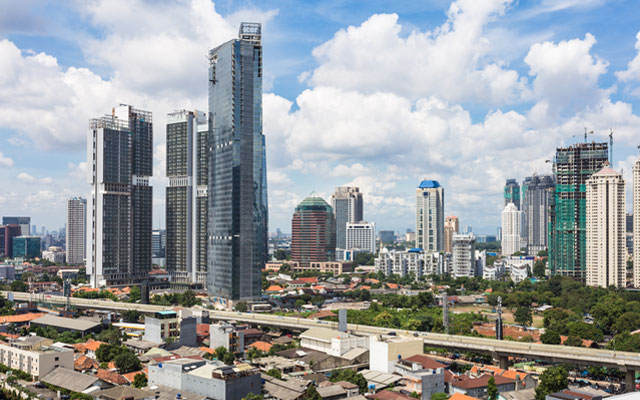
Asia-Pacific’s hotel construction pipeline, excluding China, registered a slight decline in 2Q2021, dropping to 1,701 projects and 364,487 rooms, down 11 per cent and 10 per cent respectively, year-over-year, found a recent report by Lodging Econometrics (LE).
At the end of Q2, the region has 852 projects with 195,940 rooms under construction. Projects scheduled to start construction in the next 12 months stand at 390 projects with 73,447 rooms, while projects in the early planning stage stand at 459 projects with 95,100 rooms.
Countries in the Asia-Pacific region continue to face the ongoing effects of the Covid-19 pandemic to varying degrees. Some border closures and other travel restrictions have had a significant impact on the region’s economies, which rely heavily on tourism.
While breakouts, emerging variants, and slow-to-rollout vaccines have prolonged the road to recovery for many countries in the region, there are positive signs for the industry’s recovery and post-pandemic future, as many developers are optimistic and ready to move forward with long-delayed plans.
Countries with the largest pipelines in the Asia-Pacific region, excluding China, are led by Indonesia with 318 projects (51,197 rooms). India follows with 282 projects (37,617 rooms), then Vietnam with 180 projects (70,135 rooms). Next are Thailand with 135 projects (32,135 rooms) and Japan with 133 projects (27,567 rooms). These five countries account for 62 per cent of the pipeline projects in the Asia-Pacific region, excluding China.
Asia-Pacific markets with the largest construction pipelines are led by Jakarta, Indonesia with 71 projects (12,376 rooms). Next is Seoul, South Korea with 63 projects (12,300 rooms); and Bangkok, Thailand with 48 projects (12,033 rooms). Kuala Lumpur, Malaysia follows with 45 projects (13,406 rooms); and Phuket, Thailand with 30 projects (6,637 rooms).
The top franchise companies in the region, accounting for 47 per cent of guest rooms in the total construction pipeline, are Marriott International with 260 projects (56,159 rooms); Accor with 217 projects (49,819 rooms); InterContinental Hotels Group (IHG) at 142 projects (29,154 rooms); and Hilton Worldwide with 90 projects (21,089 rooms); and Hyatt Hotels with 72 projects (14,297 rooms).
Top brands in Asia-Pacific’s construction pipeline, excluding China, are IHG’s Holiday Inn at 51 projects (10,229 rooms); followed by Accor’s Novotel and Ibis brands with 49 projects (10,879 rooms) and 40 projects (7,980 rooms), respectively. Marriott International’s top brands at the close of 2Q are Fairfield Inn with 40 projects (6,334 rooms) and Courtyard at 37 projects (7,950 rooms).
Additionally, during 2Q2021, the Asia-Pacific region, excluding China, saw 44 new hotels accounting for 7,010 rooms open. The region had 103 new hotels (18,534 rooms) open in 1H2021. There are another 216 new hotels (46,273 rooms) expected to open in 2H, bringing the expected total for new hotel openings to 319 new hotels (64,807 rooms) by the end of 2021.
The LE forecast anticipates new hotel openings to continue ascending with 330 projects (67,241 rooms) expected to open in 2022 and 350 projects (64,635 rooms) in 2023.
International travel searches on the rise, finds Expedia report
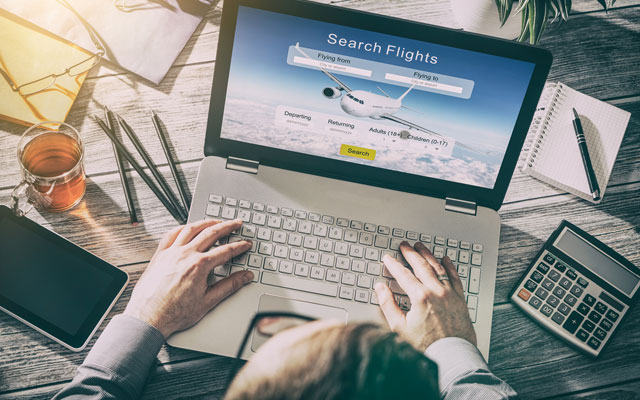
Travel search volumes globally continue its growth momentum, fuelled by vaccine rollouts and easing of international travel restrictions, according to Expedia Group Media Solutions’ 2Q2021 Travel Recovery Trend Report.
The quarterly report combines Expedia Group first-party data and custom research with actionable insights to help travel marketers on their road to recovery.
“Throughout Q2, we continued to see strong global search growth, rising international searches and lengthening search windows, among other key milestones,” said Wendy Olson Killion, senior vice president, media solutions. “Our optimism for the near-term travel rebound remains strong, and the latest Travel Recovery Trend Report will provide travel brands with insight into shifting traveller behaviours and attitudes around the world, while also highlighting industry accomplishments and progress to-date.”
Among key findings from the report are that travel searches globally are growing. Building on the momentum seen in Q1, monthly global search volumes continued to grow in Q2, increasing more than 70 per cent quarter-over-quarter. The ongoing rollout of Covid-19 vaccines and changes to travel restrictions around the world further drove searches, contributing to steady week-on-week volume.
In Q2, positive global search volume was seen during 11 of the 13 weeks in the quarter – a sharp contrast to the fluctuations seen throughout Q1 and 2020.
The sustained quarter-over-quarter global search volumes also align with a more optimistic consumer attitude for post-pandemic travel. According to Expedia Group’s Traveler Value Index Research, which surveyed respondents in eight countries around the world, 72 per cent of consumers are planning on travelling over the next 12 months.
As travellers continued to opt for trips closer to home in Q2, half of global searches again fell within the 0 to 21 days search window. However, the global search window is lengthening, indicating that traveller confidence is rising, and they are taking advantage of summer travel and starting to plan trips further out. Global searches 22 to 90 days out accounted for more than 35 per cent of searches in Q2, up nearly 25 per cent quarter-over-quarter.
Fifty-five percent of global domestic searches fell within the 0 to 21 days search window, while searches 22 to 90 days out increased by nearly 20 per cent quarter-over-quarter. Global international searches for the 31 to 90 days out search window increased 30 per cent from Q1. In Europe, Middle East, and Africa (EMEA), searches 22 to 90 days out represented more than 40 per cent of international searches in Q2, up from 15 per cent in Q1.
Although travel shoppers continue to show preference for domestic travel, global international searches in Q2 show signs of a rebound. During multiple weeks in Q2, global international search growth outpaced domestic, likely in part due to broadening global vaccine distribution, growing green lists and easing international travel restrictions in parts of the world.
The positive impact of vaccination progress is visible in Q2 international search data. When compared to search volumes during 2Q2020, EMEA, Asia-Pacific (APAC) and Latin America (LATAM) all saw increased search volumes from America in 2Q2021, showing that travel to destinations within these regions represent an attractive opportunity for vaccinated Americans.
During Q2, beach and city destinations made up the top 10 booked destinations around the world, though more cities are entering the top 10 or moving up in ranking in each region, including Chicago and Atlanta; Seoul and Jeju City; Copenhagen and Paris; and Houston and Mexico City. New York made the list of top 10 booked destinations globally, and within all regions, except APAC.
Regionally, the top 10 booked destinations were primarily for destinations within the same region, following Q1 trends. However, LATAM travellers booked more international trips in Q2 compared to the predominately regional bookings seen in Q1. New York, Miami, Las Vegas and Orlando appeared on the LATAM top 10 list in Q2, while Houston and San Antonio again made the list.
The growing popularity of city destinations dovetailed with rising hotel demand during Q2. Global hotel demand increased more than 10 per cent quarter-over-quarter, while global hotel length-of-stay remained consistent with the average trip duration seen in Q1.
Travellers are also increasingly interested in sustainable travel practices, whether that’s reducing their carbon footprint or easing the burden of overtourism in a travel hotspot. Recent research from Expedia Group and Wakefield shows that nearly three in five travellers are willing to pay additional fees so their trip can be more sustainable, indicating that they consider environmental and social consciousness to be worthwhile.
Tourism, hotel associations slam Bank Negara Malaysia governor’s stance on loan moratoriums
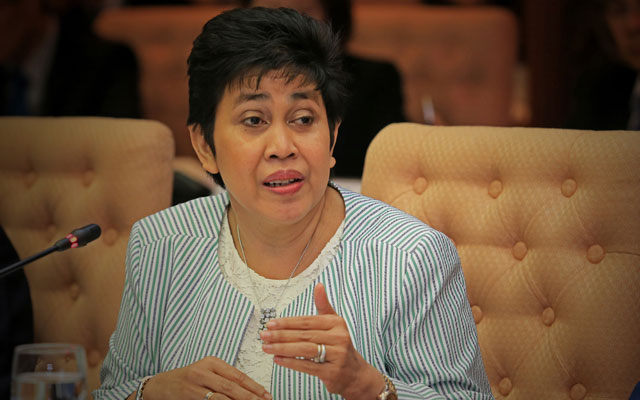
The travel trade has hit out at Bank Negara Malaysia’s governor for her recent statement that waiving the accrued interest payment on loans during the current six-month moratorium will have significant impact on banks and the country’s long-term recovery from Covid-19.
Nor Shamsiah Mohd Yunus had pointed out that the total individual and SMEs loans eligible for automatic moratorium amounts to about RM1.4 trillion (US$329 billion), or around 73 per cent of total banking system loans in the country, and that waiving the accrued interest payment under the moratorium would have significant long-term consequences.
In response, Uzaidi Udanis, president of the Malaysian Inbound Tourism Association (MITA), said in a press statement that the association is deeply saddened and “disappointed” at the governor’s statement.
“The industry is in crisis and all tourism players are facing a tough time trying to stay afloat due to the Covid-19 pandemic. We are at war and the banks should be together with the people to overcome this crisis,” he said.
“Bank Negara should encourage the banks to look into the industry’s plight and their survival rather than just (the) bank’s profit. There is no point if the banks’ profits look good while the nation entrepreneurs are in crisis.”
Uzaidi questioned why the banks couldn’t extend support to the tourism industry, which is the third most important economy sector in Malaysia.
He also called on Nor Shamsiah to step down and give way to a capable candidate, if she were unable to come up with a tenable solution, instead of putting the burden on bank customers with loans.
Uzaidi noted that it has been almost 20 months since tourism players have lost their income due to the pandemic, and appealed to Bank Negara to extend the moratorium and waive the moratorium interest for the tourism industry.
Malaysian Association of Hotel Owners president, Teo Chiang Hong, said he was both “disappointed” and “appalled” by the governor’s statement which was “ignorant to the prevailing critical business situation faced by business operators, especially (those) from the tourism industry and hotel sector (whose businesses) had (been at a near) standstill for more than 1.5 years”.
He noted that the hotel sector suffered an estimated loss of RM6.5 billion in 2020, with equally grim prospects expected for this year.
Teo further highlighted that hotel owners faced critical cash flow issues as they had to continue paying operational costs despite their businesses not generating any revenue.
He called on banks to be more sympathetic to the predicament of the tourism industry, and urged Bank Negara Malaysia to assist businesses to stay afloat during this crisis. Teo pointed out that while “waiving interest on loans during moratorium will not make banks go out of business”, it will be “a great help to the business operators”.
Sri Lanka enforces night curfew to curb Covid-19 spike
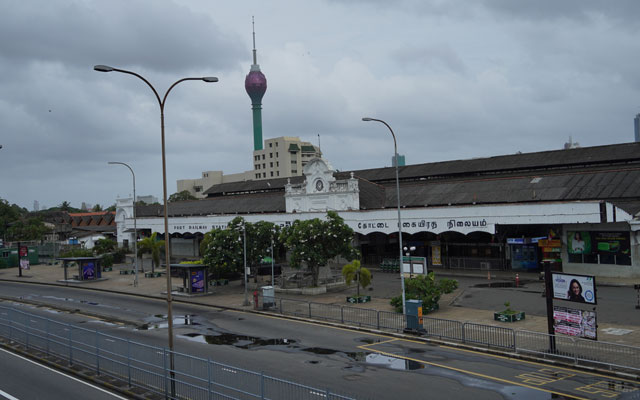
Sri Lankan authorities have imposed an indefinite nationwide night curfew which will come into effect on Monday (August 16) night as the country faces a rising tide of infections linked to the fast-spreading Delta variant.
The curfew will be imposed from 22.00 to 04.00 daily, along with a ban on social gatherings, public events and seminars.
Government officials said if the number of infections continue to rise sharply, longer curfew hours and lockdowns will be considered.
The curfew, which was announced on Sunday (August 15), comes a week after healthcare personnel urged the government to impose a nationwide lockdown or curfews as capacity reaches breaking point at hospitals across the country amid a Delta-fuelled spike in Covid-19 cases.
Sri Lanka recorded 3,435 Covid-19 cases and 161 deaths on Sunday, bringing the total tally to 354,968 infections and 6,096 deaths.
Tourism industry sources said that the rising number of infections in Sri Lanka coupled with hospital capacity constraints have led to concerns among foreign tourist operators about promoting the destination.
As of July 31, a total of 19,337 tourists visited Sri Lanka this year, marking a decline of 96.2 per cent from last year when 507,311 tourists visited the country from January through March 18, 2020 when the airport closed.
Meanwhile, the ongoing inter-provincial travel ban has derailed the country’s domestic tourism recovery and placed further pressure on hotels grappling to stay afloat during these challenging times.








An exclusive new art gallery featuring a collection of original artworks by prolific architect and interior designer Bill Bensley stands ready to open at the InterContinental Danang Sun Peninsula Resort.
Located at the Sky Level of the resort, the Bensley Outsider Gallery will house 50 colourful and bold artworks, including prints and paintings, which can be viewed and purchased by in-house guests and visitors alike. Visitors can also hear the story behind each artwork through a unique interactive storytelling approach that uses QR codes and YouTube videos.
Prices for the featured artworks start from US$250, with proceeds to go to wildlife charities, including those dedicated to combating poaching in South-east Asia.
Bensley is known for creating some of Asia’s most iconic hotels and resorts, including the InterContinental Danang Sun Peninsula Resort. He took up painting just three years ago and the gallery’s name, “Outsider”, reflects his feeling that he is not a classically trained artist, and considers himself an outsider in the art world.
The Bensley Outsider Gallery will be open from 09.00 to 18.00, Wednesdays through Sundays, upon the reopening of the InterContinental Danang Sun Peninsula Resort, when conditions allow.